Srinivasa Ramanujan
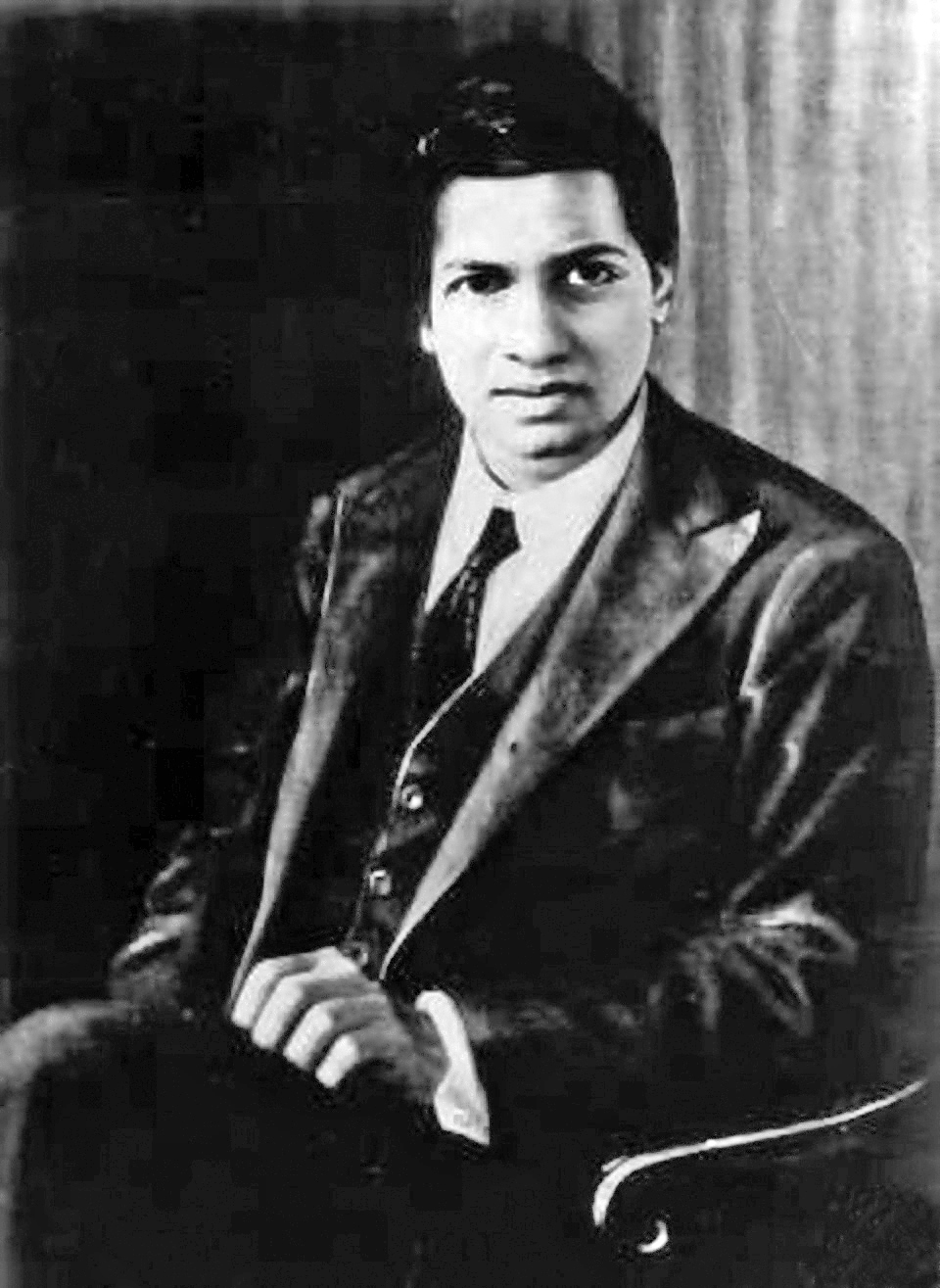
What failed
He entered the Government College at Kumbakonam in 1904 on a scholarship given for his school work, and the following year it was not renewed, because he had given his time to mathematics and neglected his other subjects. Without money he ran away to Vizagapatnam, about 650 km north of Madras, without telling his parents. In 1906 he enrolled at Pachaiyappa's College in Madras to sit the First Arts examination, which would have admitted him to the University of Madras; he fell ill after three months, left the course, sat the examination anyway, passed mathematics, failed every other subject and so failed the examination. That closed the University of Madras to him, and for the next several years he lived in poverty with no degree and no fixed post, supported for a time by an allowance from R. Ramachandra Rao, who then tried and failed to arrange him a scholarship. In late 1912 he sent his results to two mathematicians in England who, by C. P. Snow's account, returned them without comment; Hardy never named them, and the names usually given, E. W. Hobson and H. F. Baker of Cambridge, come from J. E. Littlewood shortly before his death in 1977. A letter sent on his behalf to M. J. M. Hill at University College London drew a reply that had not understood his results on divergent series.
What happened next
On 16 January 1913 he wrote to G. H. Hardy at Trinity College, Cambridge, enclosing sheets of theorems without proofs; Hardy replied on 8 February. The University of Madras gave him a two-year scholarship in May 1913, seven years after the examination failure that had barred him from it as a student. He sailed from India on 17 March 1914 and arrived in London on 14 April, and on 16 March 1916 graduated from Cambridge with a Bachelor of Arts by Research, having been allowed to enrol in June 1914 without the proper qualifications. He was elected a Fellow of the Royal Society on 2 May 1918, at thirty, and a Fellow of Trinity College on 10 October 1918. Among the thirteen mathematicians who proposed him for the Royal Society were Hobson and Baker, the two men Littlewood later named as the ones who had not answered his letters five years earlier. He was seriously ill through most of the Cambridge years, sailed for India on 27 February 1919 and died on 26 April 1920, aged 32.
The point
He was not working unseen. Ramaswamy Aiyer, P. V. Seshu Aiyar and R. Ramachandra Rao had read his notebooks from 1910, Rao supported him with an allowance, the Journal of the Indian Mathematical Society printed his fifteen-page paper on Bernoulli numbers in 1911, and a professor at Presidency College wrote the reference that got him the Port Trust clerkship in March 1912. What he did not have was the qualification: one examination in 1906, failed on the subjects that were not mathematics, shut the University of Madras to him, and it stayed shut for seven years. The material Hardy received in January 1913 came out of the same notebooks that Griffith had drawn on for Hill a few weeks earlier. What is on record is not a change in the mathematics but a change in who read it and how.
The sequence
3 documented failures, shown with the successes in between. Every entry carries its own source — the wins are part of the record, and leaving them out is how these stories get distorted.
- 1904
Wins a scholarship to the Government College in Kumbakonam on the strength of his school work, and enters it.
- 1905
The scholarship is not renewed. He has given more and more of his time to mathematics and neglected his other subjects.
- 1905
Out of money, he leaves for Vizagapatnam, about 650 km north of Madras, without telling his parents.
- 1906
Enrols at Pachaiyappa's College in Madras, aiming to pass the First Arts examination, which would admit him to the University of Madras. He becomes ill after three months and leaves the course.
- 1906
Sits the First Arts examination after leaving the course. He passes mathematics, fails all his other subjects, and so fails the examination. He cannot enter the University of Madras.
- 1907-1911
Out of college at twenty with no qualifications and poor health. Several years of poverty follow while he continues his research alone.
- 1911
The Journal of the Indian Mathematical Society publishes his fifteen-page paper 'Some properties of Bernoulli numbers'.
- 1911
R. Ramachandra Rao, a founder member of the Indian Mathematical Society, sends him back to Madras and tries to arrange him a scholarship. The attempt fails.
- 1912
Appointed clerk in the accounts section of the Madras Port Trust on a reference from E. W. Middlemast, Professor of Mathematics at Presidency College, and begins duties on 1 March.
- 1912
In late 1912, while working as a Port Trust clerk, he begins reaching out to mathematicians in England, hoping for notice and perhaps money.
- 1912
C. L. T. Griffith of Madras Engineering College writes to M. J. M. Hill at University College London on 12 November, sending some of Ramanujan's work. The sources disagree about the episode: MacTutor records Hill's reply as fairly encouraging but not understanding the divergent series results, while the IMA calls the same reply faintly encouraging but largely patronising and has Ramanujan himself writing to Hill.
- 1912
Sends his results to two mathematicians in England before Hardy; neither takes them up. C. P. Snow says the two returned the manuscripts without comment and that Hardy never named them. The names usually given, E. W. Hobson and H. F. Baker of Cambridge, come from J. E. Littlewood shortly before his death in 1977, as reported by A. Nandy in 1980.
- 1913
On 16 January he posts a letter to G. H. Hardy at Trinity College, Cambridge, with sheets of theorems, all without proof.
- 1913
Hardy replies on 8 February, asking for proofs and sorting the results into roughly three classes.
- 1913
The University of Madras gives him a scholarship in May for two years, seven years after the examination failure that had barred him from the university.
- 1914
Sails from India on 17 March and arrives in London on 14 April, met by E. H. Neville. He moves into rooms in Trinity College on 30 April.
- 1916
Graduates from Cambridge on 16 March with a Bachelor of Arts by Research, ten years after failing the First Arts examination. His dissertation is on highly composite numbers.
- 1917
Falls seriously ill. His doctors fear he will die, and he spends most of his time in various nursing homes.
- 1918
The thirteen mathematicians who propose him for the Royal Society include Hobson and Baker, the two men Littlewood later named as having not answered his letters five years earlier.
- 1918
His election as a Fellow of the Royal Society is confirmed on 2 May, at the age of thirty. On 10 October he is elected a Fellow of Trinity College, Cambridge.
Sources
- Srinivasa Ramanujan - Biography, MacTutor History of Mathematics Archive, University of St Andrews
He passed in mathematics but failed all his other subjects and therefore failed the examination.
- Srinivasa Ramanujan (1887-1920): The Centenary of a Remarkable Mathematician - Institute of Mathematics and its Applications
A letter to M.J.M. Hill, professor of mathematics at University College London, received a faintly encouraging, but largely patronising, response, while letters to Cambridge mathematicians E.W. Hobson and H.F. Baker received no reply.
- Scientist of the Day: Srinivasa Ramanujan - Linda Hall Library
Most of his inquires received no response, but on Jan. 16, 1913, Ramanujan mailed a letter to a Cambridge mathematician, G.H. Hardy, a competent but hardly brilliant academic at Trinity College.
- Srinivasa Ramanujan, FRS - Explore Trinity, Trinity College Cambridge
Ramanujan received a scholarship to study at Government College in Kumbakonam, but lost it when he failed his non-mathematical coursework.
- Revisiting Ramanujan - The Royal Society
While working as a clerk in the port of Madras in 1912-13, Ramanujan began writing to various eminent mathematicians in the hope that they would show an interest in his work.
- IMS and Srinivasa Ramanujan - The Indian Mathematical Society
Ramachandra Rao was so much impressed by Ramanujan that he supported him for some time, but Ramanujan was not willing to live on somebody’s help indefinitely.
- Who Was Ramanujan? - Stephen Wolfram Writings
We don’t know exactly who all he wrote to first—although Hardy’s long-time collaborator John Littlewood mentioned two names shortly before he died 64 years later: H. F. Baker and E. W. Hobson.
- Baker and Hobson - Ramanujan pages, Institute of Mathematical Sciences, Chennai
In the words of C.P. Snow: “Hardy was not the first eminent mathematician to be sent the Ramanujan manuscripts. There have been two before him, both English, both of the highest professional standard. They had each returned the manuscripts without comment.
- Baker and Hobson - Ramanujan pages, Institute of Mathematical Sciences, Chennai
However, the names are given by A.Nandy (in “Alternative Sciences”. Allied Publishers. New Delhi. 1980) who claims the two to be H.F. Baker and E.W. Hobson.
Use the ← and → keys to move between entries.
Related failures
Others in science & medicine, and nearby.
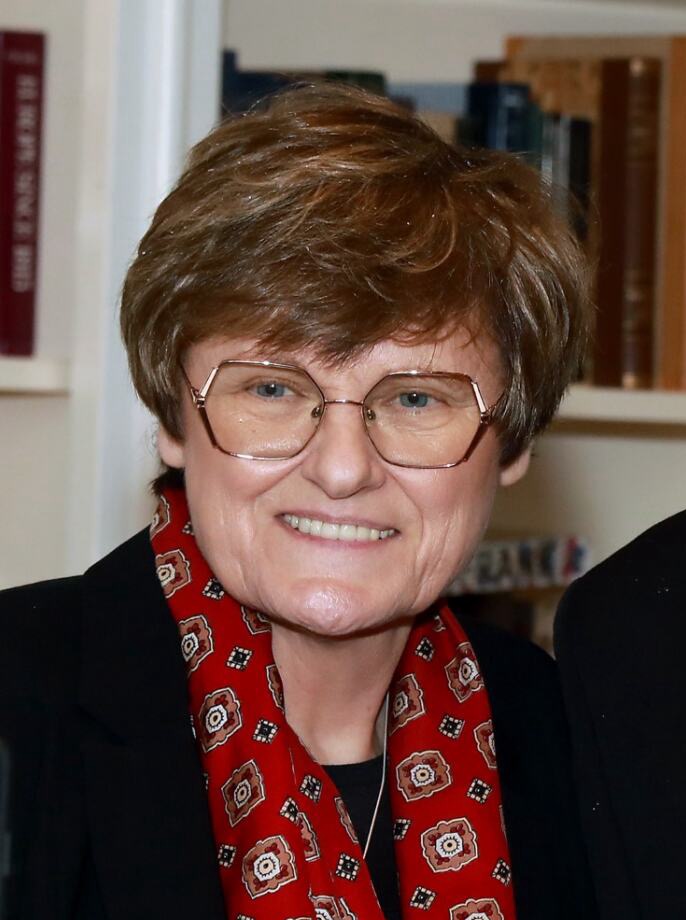
Katalin Karikó
Biochemistry
Demoted, defunded, pushed out after 24 years. Kept running the experiment.
3 documented failures
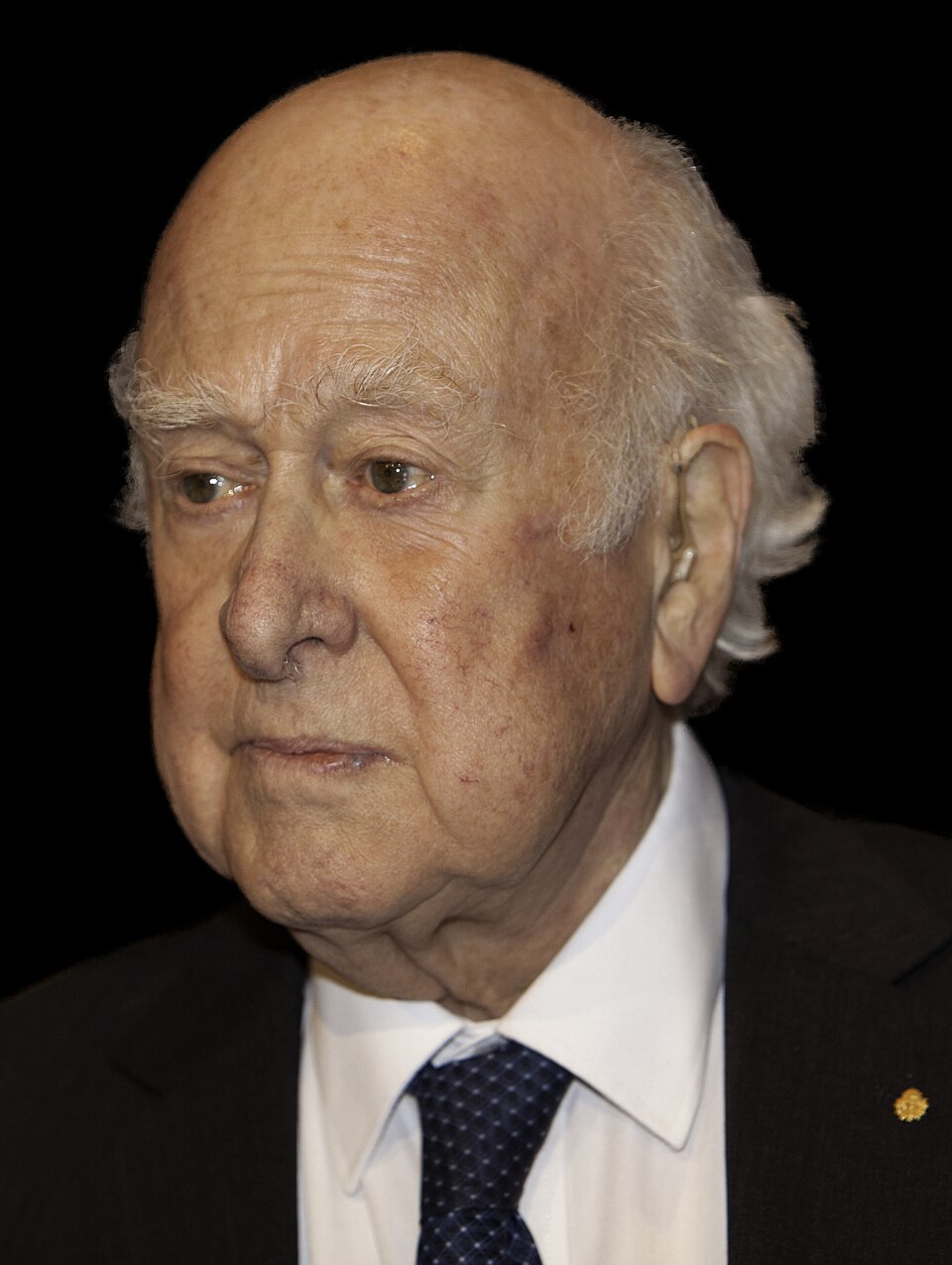
Peter Higgs
Theoretical physics
The paper was rejected. Revising it is where the boson came from.
1 documented failure
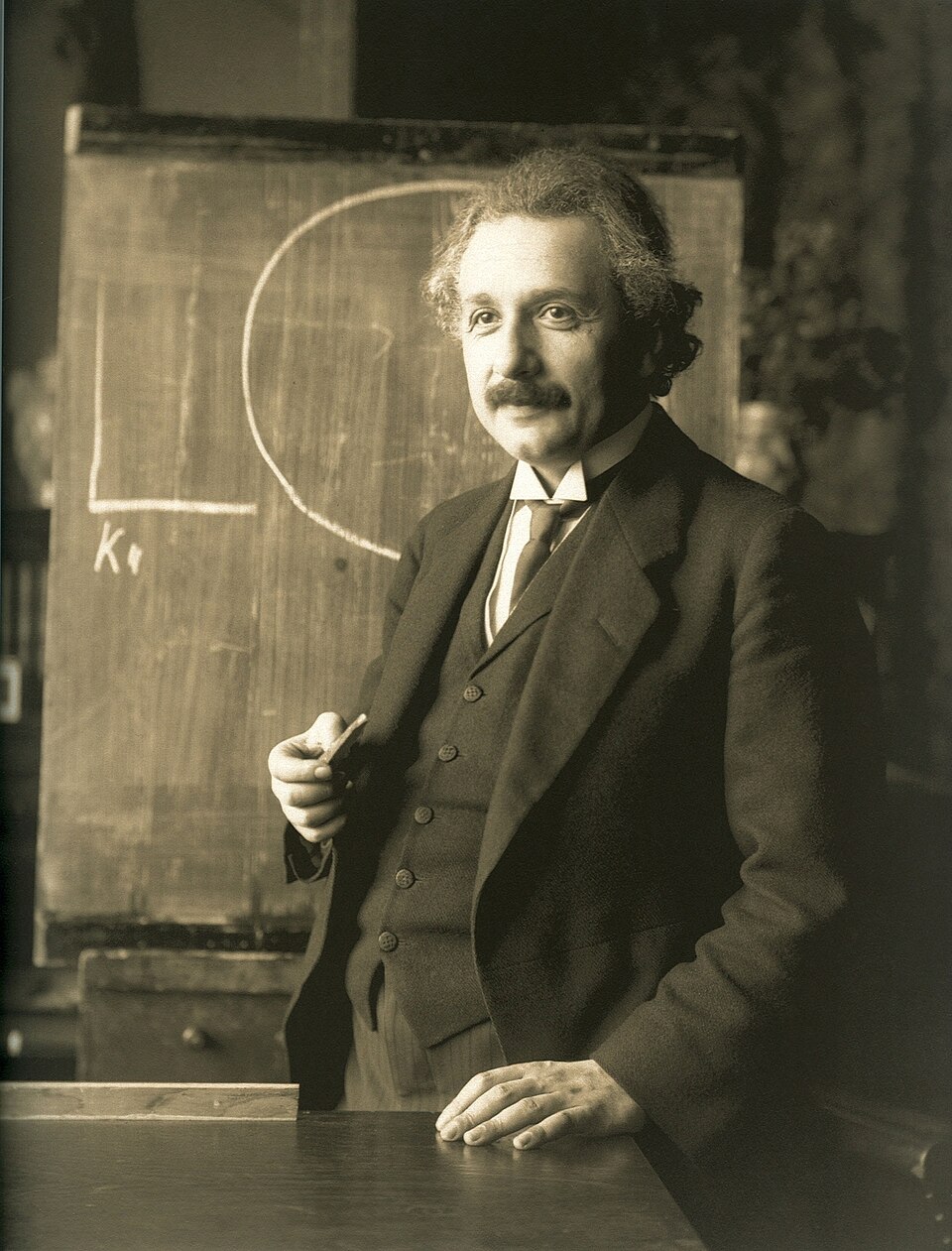
Albert Einstein
Theoretical physics
He could not get an academic job for two years, and wrote the papers that changed physics as a patent clerk.
8 documented failures
Barry Marshall
Medicine
Nobody believed ulcers were an infection, so he drank the bacteria himself.
4 documented failures