Jerry Seinfeld
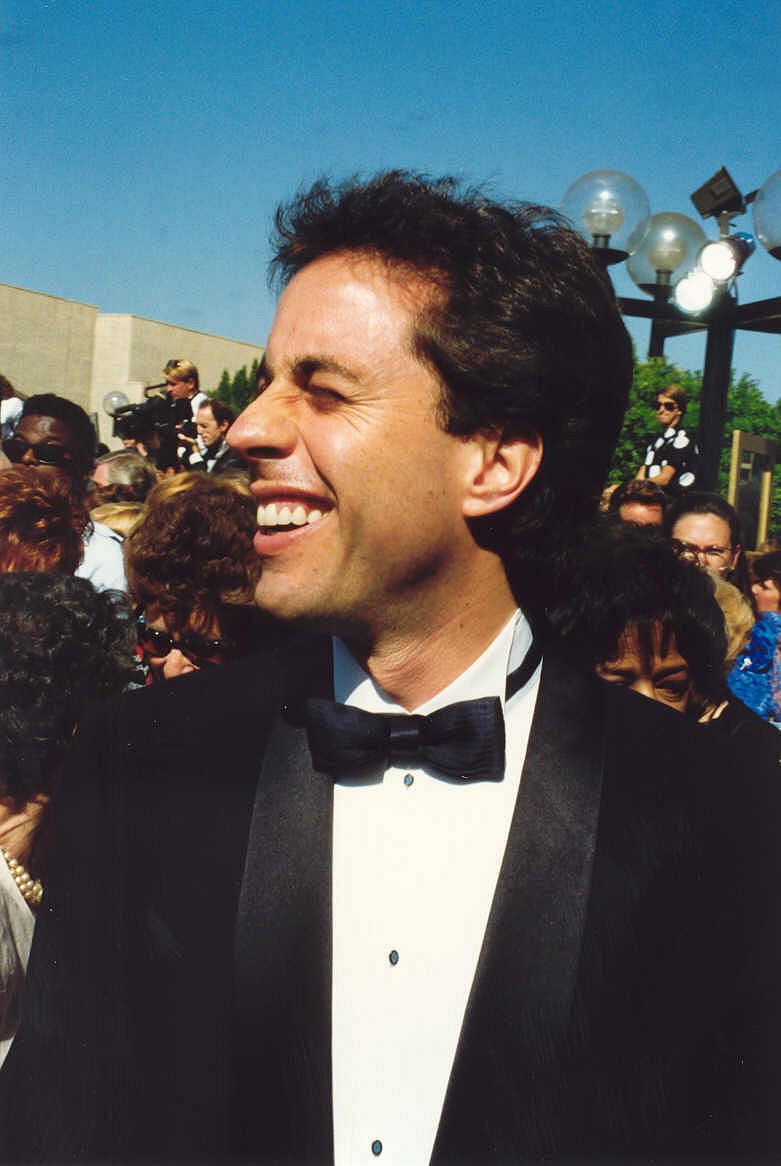
What failed
He was doing open mics while still at Queens College, and after graduating in 1976 tried out at Catch a Rising Star. He spent the rest of the decade in clubs, where he was heckled, bombed, and on one occasion had a glass thrown onstage. His first acting job on television, a recurring part as Frankie on Benson in 1980, ended when he was fired without being told; he found out on arriving for a read-through and finding no script for him. Nine years later NBC put the pilot he had written with Larry David through its standard test-audience process — the network's practice then was to recruit 400 households by phone and have them evaluate pilots aired on an unused cable channel — and the research department rated its performance weak, recording that no segment of the audience was eager to watch the show again. Brandon Tartikoff, who ran NBC's entertainment division, was not convinced the show would work and characterised it as "Too New York, too Jewish". The show was left off NBC's 1989-90 primetime schedule, and Castle Rock's other pilot that year took a thirteen-episode commitment instead.
What happened next
Rick Ludwin, the NBC executive who had developed the show, killed one of the Bob Hope specials budgeted for that season so the entertainment division could pay for four more episodes. They aired in the summer of 1990 behind Cheers reruns, rated well, and the series was picked up. The second season premiere was then bumped by the outbreak of the Gulf War, and in autumn 1992 NBC scheduled the show opposite Home Improvement, where it lost. Moved to Thursdays behind Cheers in February 1993, after eight time slots since 1989, it became the top-rated show on television among adults 18 to 49, and it won the Emmy for Outstanding Comedy Series that year. It first placed first in the Nielsen ratings in its sixth season, 1994-1995. He ended the show after its ninth season in 1998, turning down $110 million for a tenth.
The point
The record does not show a network that hated the show and a comedian who outlasted it. The research memo is real, but TV Guide, which published it, adds in the next sentence that a large majority of NBC pilots were rated weak; what one executive remembered was that this one was a weak weak. The screening room had laughed, and Tartikoff wrote later that it was the best-liked comedy pilot among NBC executives at the May 1989 screenings. What the record shows is a show killed by its testing, an executive who found the money anyway by cancelling a Bob Hope special, an order of four episodes that TV Guide, looking back twenty-five years later, called an embarrassingly low number, and three further years of being shuffled around the schedule and beaten in its slot. The breakthrough in February 1993 came twelve years after he was fired from Benson and sixteen years after the Catch a Rising Star tryout. Between those dates the same man was also winning stand-up awards and appearing regularly on The Tonight Show, which is the ordinary shape of a working career rather than a run of defeats ending in vindication.
The sequence
10 documented failures, shown with the successes in between. Every entry carries its own source — the wins are part of the record, and leaving them out is how these stories get distorted.
- 1976
Already doing open mics while at Queens College, he graduates and tries out at an open-mic night at Catch a Rising Star in New York.
- late 1970s
Years of club work in which he is heckled, bombs, and on one occasion has a glass thrown onstage. TIME does not date the incidents; the period here is inferred from the 1976 start and the 1980 Benson job.
- 1980
Gets his first acting job on television, a small recurring part as Frankie on the sitcom Benson.
- 1980
Fired from Benson without being told; he learns of it on arriving for a read-through and finding no script for him.
- 1981
Appears on The Tonight Show Starring Johnny Carson in May, which leads to regular bookings there and on Late Night with David Letterman.
- 1987
His first one-hour special, Stand-Up Confidential, airs live on HBO on 5 September.
- 1988
Voted funniest male stand-up comic in a comedy club at the American Comedy Awards.
- 1989
At the executive screening the room laughs. Warren Littlefield, then second-in-command in NBC's entertainment division, remembers it as different rather than explosive, and Tartikoff wrote later that it was the best-liked comedy pilot among NBC executives at the May screenings.
- 1989
Brandon Tartikoff, who runs NBC's entertainment division, is not convinced the show will work and characterises it as too New York and too Jewish.
- 1989
The pilot goes through NBC's standard test process: the network's practice then was to recruit 400 households by telephone and have them evaluate pilots shown on an unused cable channel. The figure is the method, not a recorded headcount for this pilot.
- 1989
The research department rates the pilot's performance weak. The same paragraph is the reason this is not the whole story: a large majority of NBC pilots were rated weak, and what one executive remembered was that this one was a weak weak.
- 1989
The same memo records that the test audience did not want to see the show again.
- 1989
Castle Rock's other NBC pilot that year, starring Ann Jillian, tests far better and takes a 13-episode commitment instead.
- 1989
The show is left off NBC's 1989-90 primetime schedule announced in May.
- 1989
The pilot is broadcast on 5 July and, unlike the test audience, television critics react positively.
- 1989
With an NBC pickup looking unlikely, the show is offered to Fox, which declines it. This rests on thin sourcing: Wikipedia's citation for it is a dead link to a DVD review site.
- 1989
Rick Ludwin kills one of the Bob Hope specials budgeted for the season to pay for four more episodes.
- 1989
Castle Rock, having found no other buyer, accepts the order. The sources disagree on its size and on how much of a record it was: Wikipedia, citing a DVD featurette, gives four episodes and calls it the smallest sitcom order in television history, while Tartikoff, in his own 1997 essay, remembered ordering three. TV Guide gives four and calls the number embarrassingly low without claiming a record.
- 1990
The four episodes air in the summer behind Cheers reruns, rate well, and the series is picked up.
- 1991
The second season premiere, set for 16 January, is bumped by the outbreak of the Gulf War.
- 1992
NBC schedules the show opposite ABC's Home Improvement on Wednesdays at 9, and the strategy fails.
- 1993
Moved to Thursdays behind Cheers, after eight time slots since 1989, it becomes the top-rated show on television among adults 18 to 49.
- 1993
The show wins Outstanding Comedy Series at the 45th Primetime Emmy Awards; Seinfeld, as one of its producers, is among those who accept.
- 1994-1995
Season six is the first to place first in the Nielsen ratings, five years after the pilot tested badly.
Sources
- The Biz: The Research Memo That Almost Killed Seinfeld (TV Guide)
The pilot's performance was rated as "weak" (as opposed to "strong" or "moderate"). A large majority of NBC pilots received that rating, but as one veteran executive at the network recalls, "This was a weak weak."
- 9 Things We Learned From Jerry Seinfeld's Netflix Special (TIME)
He was heckled, he bombed, and once, someone even threw a glass onstage, but none of it could break him.
- A Single Comedian Is Returning to His Roots (The New York Times, 23 July 1989)
Voted the ''funniest male stand-up comic in a comedy club'' in the 1988 American Comedy Awards, Mr. Seinfeld has made frequent guest appearances on ''The Tonight Show'' and ''Late Night With David Letterman.''
- 'Seinfeld' Finale at 20: Hidden Tales From the Vault of a Comedian's Bizarro World (The Hollywood Reporter)
Whereas Seinfeld tested poorly, Ann Jillian tested through the roof and earned a 13-episode commitment.
- 'Seinfeld' Is Suddenly Something (Los Angeles Times, 4 March 1993)
Last fall, when NBC boldly scheduled “Seinfeld” opposite ABC’s “Home Improvement” on Wednesday nights at 9, NBC hoped that each show would find its own audience. The strategy didn’t work.
- NBC executive stands apart by taking stands (Chicago Tribune, 21 August 2005)
He commissioned the pilot, took money out of his specials budget to keep the show alive and oversaw the program for its entire run.
- Before Upfronts, a Word From Brandon Tartikoff (Variety, republishing his 1997 essay)
"Seinfeld" was the best-liked comedy pilot among NBC executives at our May 1989 pilot screenings.
- Seinfeld — Awards & Nominations, Television Academy
In this 1993 Throwback, watch Seinfeld accept his award for Outstanding Comedy Series at the 45th annual Primetime Emmy Awards.
- Jerry Seinfeld (Wikipedia)
Seinfeld said that he was not told he had been fired until he arrived for a read-through session and found that there was no script for him.
- Seinfeld (Wikipedia)
NBC's practice at the time was to recruit 400 households by phone to ask them to evaluate pilots it aired on an unused channel on its cable system.
- The Seinfeld Chronicles (Wikipedia)
Unlike the test audience, television critics generally reacted positively to the pilot, viewing it as original and innovative.
Use the ← and → keys to move between entries.
Related failures
Others in comedy, and nearby.
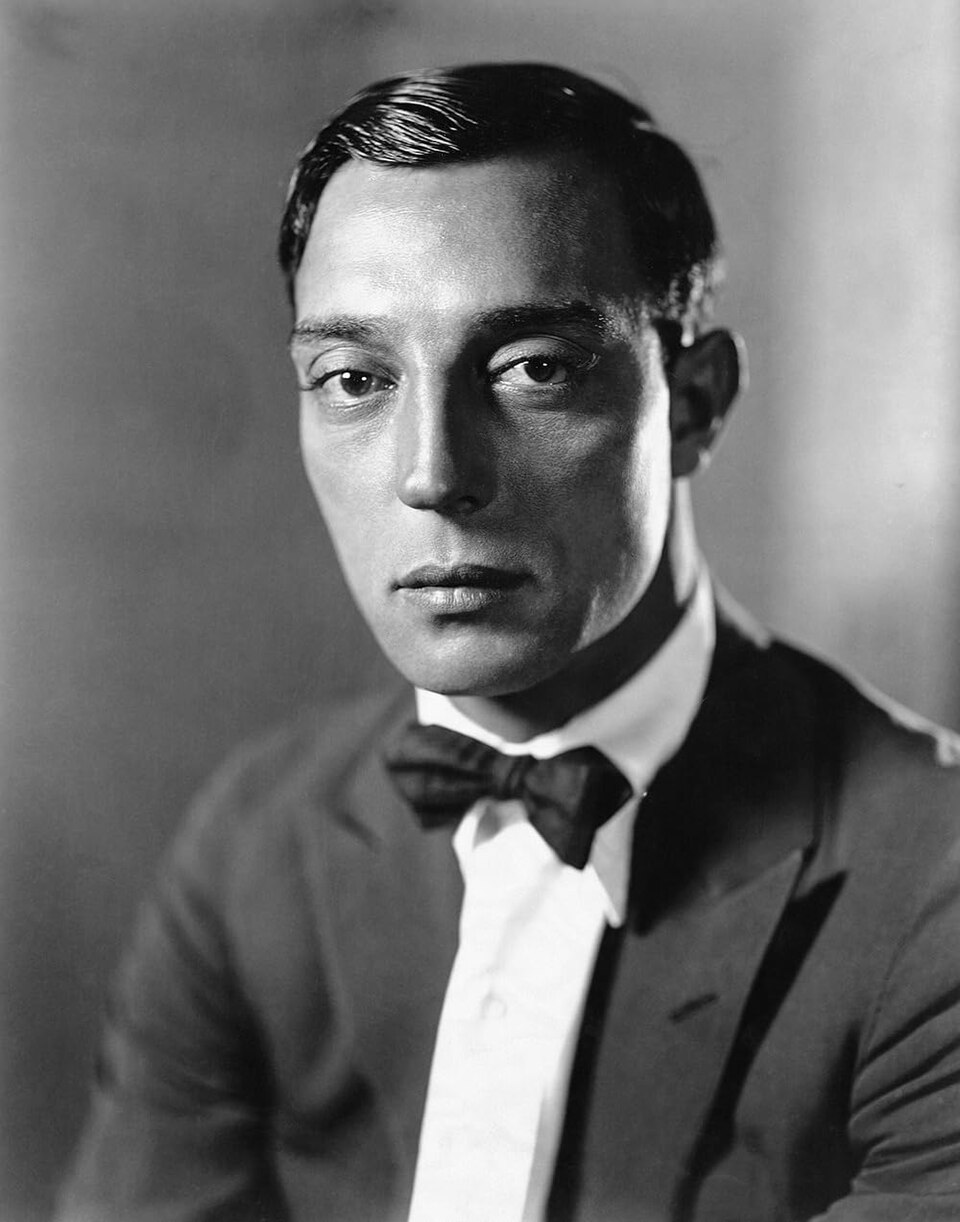
Buster Keaton
Filmmaker and comedian
He signed the contract everyone warned him against, lost his films, and came back as an anonymous gag writer.
3 documented failures

Bob Odenkirk
Comedian and actor
A decade of pilots that never aired and two films critics hated. He was forty-six when the three-episode part turned up.
3 documented failures
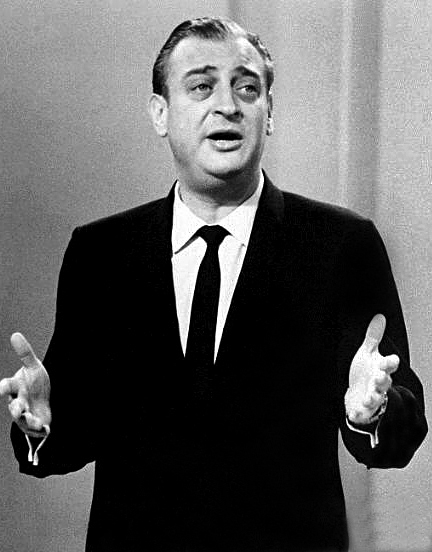
Rodney Dangerfield
Comedian
He quit comedy for about a decade to sell aluminium siding, then came back in his forties under a different name.
4 documented failures
Joan Rivers
Comedy
Seven years of unpaid rooms and temp typing — then, as a last-minute replacement, Johnny Carson told her on air she was going to be a star.
3 documented failures