Katalin Karikó
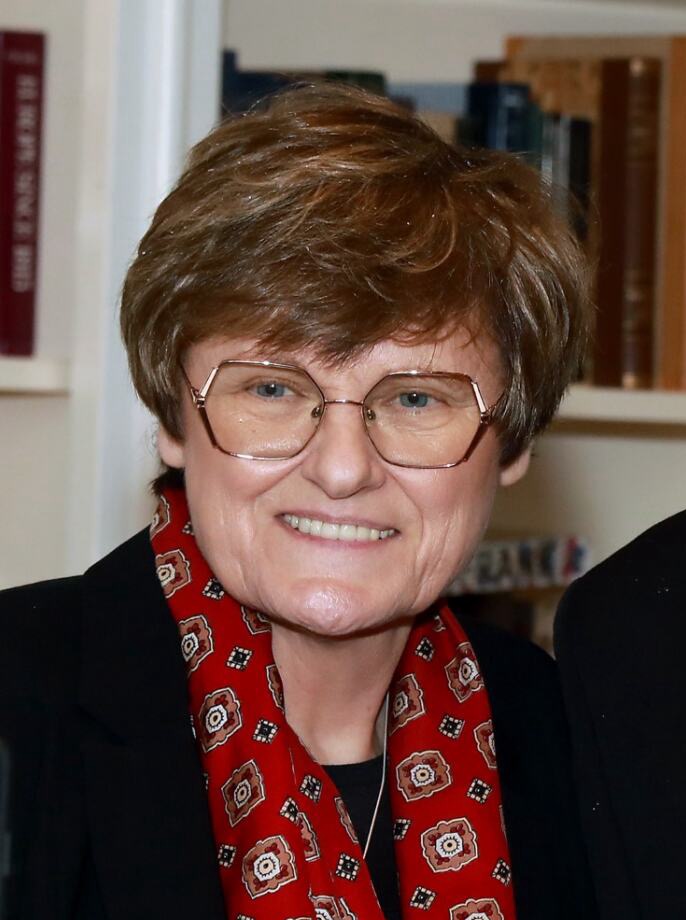
What failed
Through the 1990s her grant applications for mRNA research were rejected repeatedly. With no funding coming in, the University of Pennsylvania demoted her and cut her pay, and she spent more than two decades in low-ranking non-tenured posts. In 2013 she was pushed out after 24 years.
What happened next
She kept doing the same work anyway — in her words, working like nothing happened — joined BioNTech, and the modified-mRNA method she developed with Drew Weissman became the basis of the COVID-19 vaccines. Nobel Prize in 2023.
The point
She did not persist because she was winning. She persisted because the experiment was still there to be done.
The sequence
3 documented failures, shown with the successes in between. Every entry carries its own source — the wins are part of the record, and leaving them out is how these stories get distorted.
- 1989
Joins the University of Pennsylvania to work on messenger RNA.
- 1995
Taken off the track to full professorship and demoted, after her grant applications are turned down again and again.
- 1995
Her bosses judge the mRNA work unproductive. She keeps doing it.
- 1997
Meets the immunologist Drew Weissman, newly arrived at Penn.
- 2005
The paper that would underpin the mRNA vaccines is desk-rejected by Nature.
- 2005
It runs in a smaller journal instead. Building synthetic mRNA with chemically modified bases almost abolishes the inflammatory reaction it had set off in immune cells.
- 2013
Pushed out of Penn after twenty-four years. In her own words, kicked out and forced to retire.
- 2023
The Nobel Prize in Physiology or Medicine, shared with Weissman, for the discovery the demotion was meant to stop.
Sources
- Katalin Karikó (The Nobel Prize)
Despite being demoted, she persisted in her work, “working like nothing happened.” … “I was kicked out from Penn after 24 years. No goodbye party, nothing, just get out.”
- The scientist whose research was key to developing the COVID vaccines was demoted, had her salary cut, and threatened with deportation (Fortune)
By 1995, her UPenn bosses gave Karikó an ultimatum: Give up her research or face a demotion and a pay cut. … Her new role pushed her off the tenure track—a major goal for any academic career — and drove her pay below that of her lab tech, according to Wired.
Use the ← and → keys to move between entries.
Related failures
Others in science & medicine, and nearby.
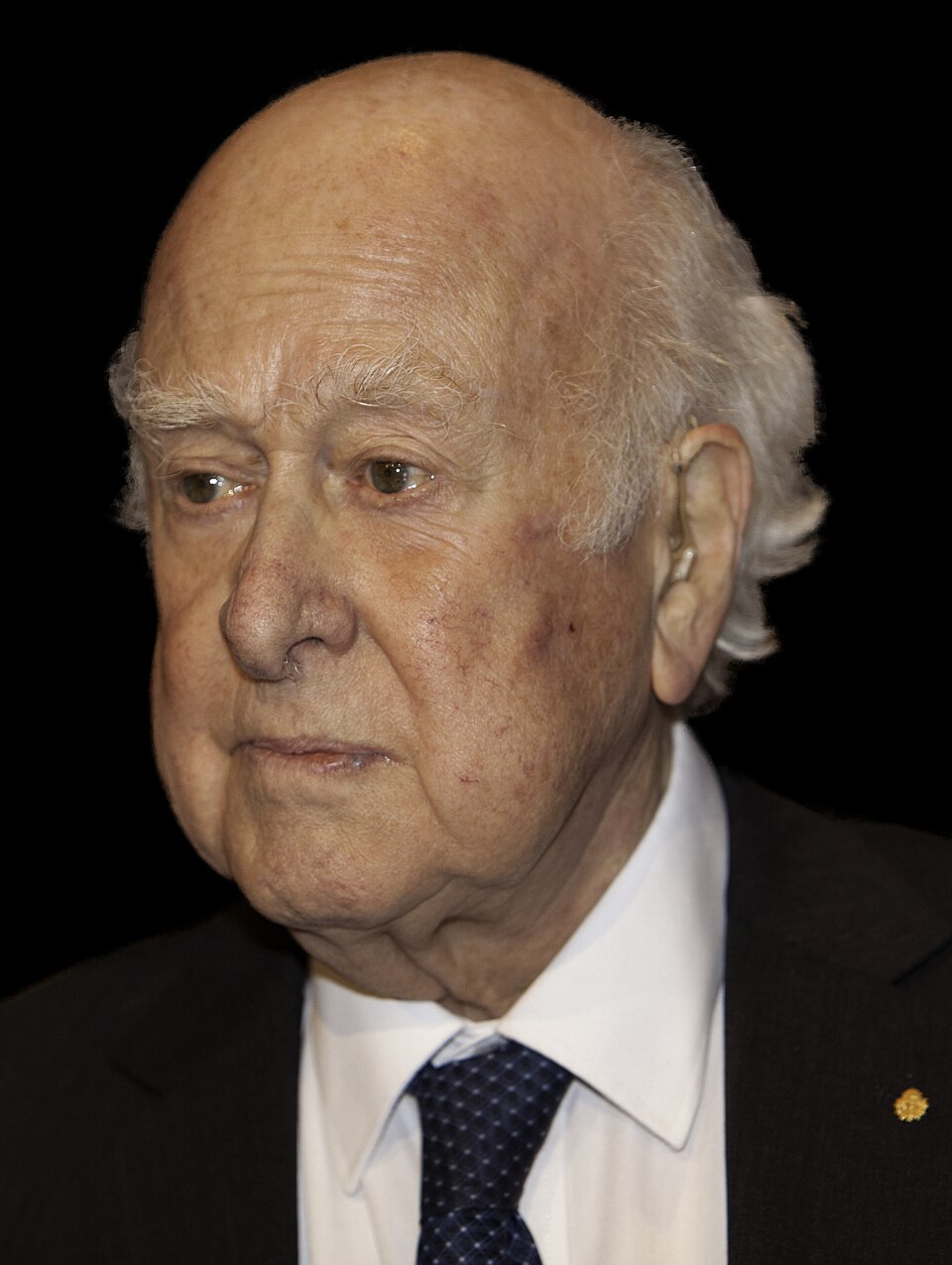
Peter Higgs
Theoretical physics
The paper was rejected. Revising it is where the boson came from.
1 documented failure
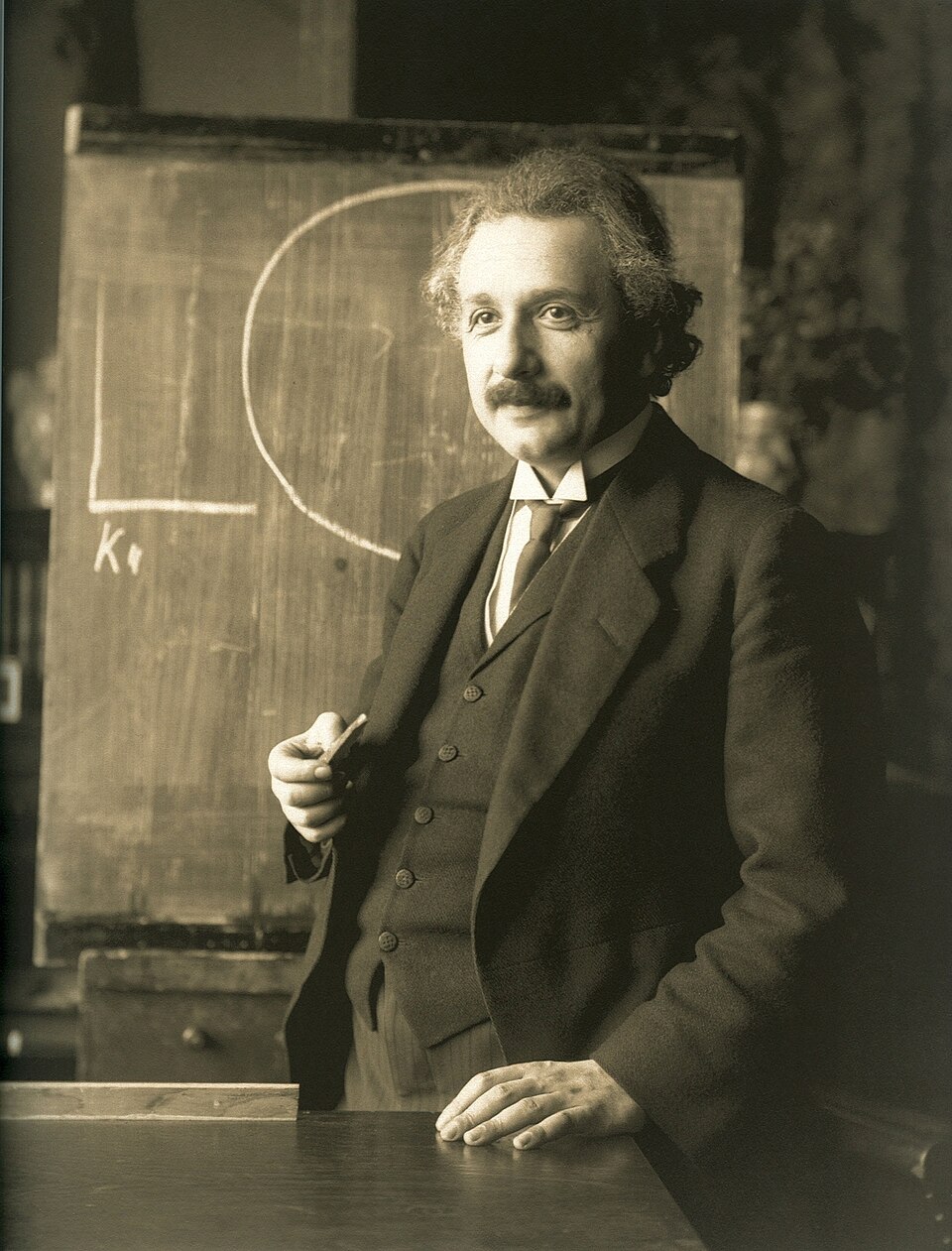
Albert Einstein
Theoretical physics
He could not get an academic job for two years, and wrote the papers that changed physics as a patent clerk.
8 documented failures
Barry Marshall
Medicine
Nobody believed ulcers were an infection, so he drank the bacteria himself.
4 documented failures
George Washington Carver
Agricultural science
A college accepted him by post and refused him at the door when they saw he was Black.
5 documented failures