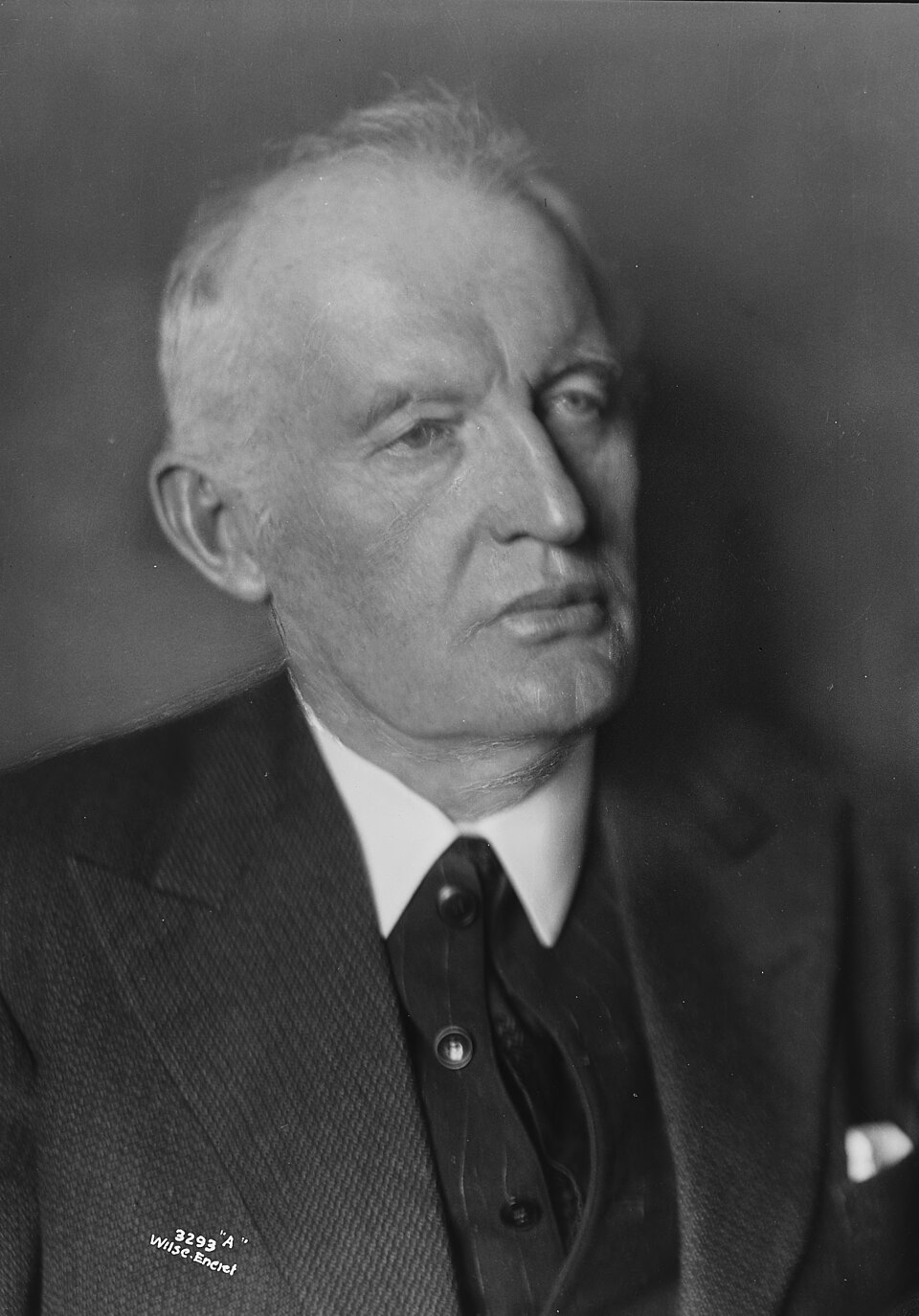
Edvard Munch
What failed
He showed The Sick Child at the Christiania Autumn Exhibition in 1886, under the title Study. It was hung in a prominent position near the entrance and it was met with both outrage and acclaim: spectators jeered it and critics produced what one account calls a veritable storm of protest and indignation, while others argued that seen from a distance it was a great work of art. Gustav Wentzel and the other young realists encircled him and called him a madman. In December 1889 his father died and left the family destitute; Munch returned home and arranged a large loan from a wealthy Norwegian collector when wealthy relatives would not help, and carried the family from then on. In 1892 Adelsteen Normann invited him, on behalf of the Berlin artists' society, to mount its first one-man exhibition; in November a general meeting voted by a majority to close it and it came down after one week. Twenty-three members had demanded the show be terminated out of reverence for art, the vote was 120 to 105, and about eighty members walked out in protest at the treatment of an invited guest. (Sources give the society's name as both the Union and the Association of Berlin Artists.) In October 1895, after The Scream and the rest of the Blomqvist show were attacked, the Students' Association in Kristiania held a debate evening at which the medical student Johan Scharffenberg questioned his mental state. In the autumn of 1908 his anxiety, drinking and brawling became acute and he entered Daniel Jacobson's clinic in Copenhagen, returning to Norway in 1909. In 1911 the university jury accepted neither his designs for the Aula nor Emanuel Vigeland's, and the hall was hung with yellow silk wallpaper for the centenary instead.
What happened next
The Berlin closure worked in his favour: he sent the same exhibition on a profitable tour of seven other German venues. The press name for the scandal, the Munch Affair, stuck, and the Berlinische Galerie describes that week as the beginning of Modernism in Berlin. Norway had already started buying him: the National Gallery bought its first Munch, Night in Nice, out of the 1891 autumn exhibition, when he was twenty-seven. The whole Frieze of Life was shown together at the Berlin Secession in 1902. He was made a Knight of the Order of St Olav in 1908, the year he entered the clinic. In 1912 the Sonderbund exhibition in Cologne gave him a room of his own, a distinction the Wallraf-Richartz Museum says went to no other living artist apart from Picasso and Signac. After lobbying and touring his rejected Aula drafts, he was given the commission in 1914 and the paintings were mounted in 1916; they are still there. He had a room permanently dedicated to his work at the National Gallery by 1924, and in 1927 the gallery was cleared completely to hold the biggest exhibition of his work yet, seen by more than thirty thousand people. In 1937 the Nazis seized eighty-two of his works from German collections as degenerate art. He died at Ekely in January 1944.
The point
The record shows recognition and rejection running alongside each other rather than one following the other. Norway's National Gallery bought a Munch in 1891, when he was twenty-seven, and had given him a permanently dedicated room by 1924, across the same decades in which a members' vote took a show off the wall in Berlin and a university jury preferred yellow silk wallpaper to his designs. The 1892 closure that reads as the worst moment is the one a Berlin museum now describes as the arrival of modern art in the city. The setbacks did not stop once the recognition began: he lost the Aula competition at forty-seven and had eighty-two pictures pulled out of German collections at seventy-three. Two things in the usual telling are thinner than they sound. The Munch Affair is told as the German art establishment banning him; the documented event is a society that had itself invited him splitting 120 to 105 over one exhibition, with about eighty members walking out in protest at the treatment of an invited guest. And the closure is often credited with producing the Berlin Secession: the Secession's own history says Munch's supporters in 1892 were not yet organised enough to leave the academy's exhibition system, and the break came in 1898, after the jury of the Great Berlin Art Exhibition rejected a landscape by Walter Leistikow. The 1886 reception was a split rather than a rout: the painting was hung in a prominent position near the entrance, and the National Museum records it as meeting both outrage and acclaim.
The sequence
9 documented failures, shown with the successes in between. Every entry carries its own source — the wins are part of the record, and leaving them out is how these stories get distorted.
- 1877
His sister Johanne Sophie dies of tuberculosis at fifteen, the loss he would paint as The Sick Child.
- 1880
He leaves technical college to become a painter, to his father's disappointment.
- 1886
The Sick Child is shown at the Christiania Autumn Exhibition under the title Study. Spectators jeer it and critics attack it as unfinished.
- 1886
It is not taken down. The picture had been selected for the exhibition and hung in a prominent position near the entrance.
- 1886
The reception is split rather than uniform: the National Museum records the picture as meeting both outrage and acclaim.
- 1886
Fellow young realists surround him when the painting is shown and call him a madman.
- 1889
He mounts his first one-man show in Christiania and wins a two-year state scholarship to study in Paris.
- 1889
In December his father dies and leaves the family destitute; Munch goes home, raises a large loan from a collector because wealthy relatives will not help, and takes on the family himself.
- 1891
Norway's National Gallery buys one of the paintings he sends to the autumn exhibition — its first Munch, for two hundred kroner.
- 1892
Adelsteen Normann invites him, on behalf of the Berlin artists' society, to fill its November show — the society's first one-man exhibition.
- 1892
Twenty-three members of the society demand that the show be terminated out of reverence for art.
- 1892
A general meeting votes 120 to 105 to close it. About eighty members walk out, saying it is an outrage to turn away an invited guest.
- 1892
The exhibition closes after one week.
- 1892
He sends the closed exhibition on a profitable tour of seven other German venues.
- 1892
The press names the episode the Munch Affair; a Berlin museum now describes it as the start of the city's modernism.
- 1895
After the Blomqvist exhibition, the Students' Association in Kristiania holds a debate evening; the medical student Johan Scharffenberg questions his mental state.
- 1898
The Berlin Secession is founded — not out of his affair, but after the Great Berlin Art Exhibition jury rejects a landscape by Walter Leistikow.
- 1902
The whole Frieze of Life is exhibited together for the first time, at the Berlin Secession.
- 1908
In the autumn his anxiety, drinking and brawling become acute and he enters Daniel Jacobson's nerve clinic in Copenhagen.
- 1908
Norway makes him a Knight of the Order of St Olav, in the year he entered Jacobson's clinic.
- 1908–1909
Accounts disagree on how long the clinic stay lasted: eight months in the English sources and in one passage of Store norske leksikon, half a year in another passage of the same article.
- 1911
The university jury accepts neither his Aula designs nor Emanuel Vigeland's; the hall is hung with yellow silk wallpaper for the centenary.
- 1912
The Sonderbund exhibition in Cologne gives him a room of his own — a distinction shared only with Picasso and Signac among living artists.
- 1914
After three years of lobbying and showing the rejected drafts to the public, the committee awards him the Aula commission; the paintings go up in 1916.
- 1924
The National Gallery gives him a room permanently dedicated to his work.
- 1927
Norway's National Gallery is cleared of everything else to hold the largest exhibition of his work to date.
Sources
- The Sick Child (Munch) — Wikipedia (the 1886 reception)
When the original version was first exhibited at the 1886 Autumn Exhibition in Christiania, it was jeered by spectators and drew "a veritable storm of protest and indignation" from critics dismayed at his use of impressionistic techniques, his seeming abandonment of line, ... and the fact that the painting seemed to be unfinished.
- Edvard Munch, The Sick Child — Nasjonalmuseet, Collection (outrage and acclaim, not a rout)
The Sick Child was first shown at the Autumn Exhibition in 1886, under the title Study, and with its unconventional form the painting was met with both outrage and acclaim.
- Munch paintings the world rejected — Munchmuseet (the picture was hung by the entrance)
The painting was not only selected for the prestigious Autumn Exhibition in Norway in 1886, but it was even hung in a prominent position near the entrance.
- Edvard Munch — Wikipedia (his father's death and the loan)
In December 1889 his father died, leaving Munch's family destitute.
- Edvard Munch — Wikipedia (the Berlin invitation)
In 1892, Adelsteen Normann, on behalf of the Union of Berlin Artists, invited Munch to exhibit at its November exhibition, ... the society's first one-man exhibition.
- Edvard Munch — Wikipedia (the exhibition closed after one week)
However, his paintings evoked bitter controversy (dubbed "The Munch Affair"), and after one week the exhibition closed.
- Berlin Secession — Wikipedia (the closing vote)
In November 1892, a scandal occurred when an Edvard Munch exhibition was closed by a majority of the members of the Association of Berlin Artists.
- Munch paintings the world rejected — Munchmuseet (the twenty-three)
Twenty-three of the Association’s members demanded that the exhibition should be terminated “out of reverence for art”.
- Munch paintings the world rejected — Munchmuseet (120 to 105, and the walkout)
At a general meeting, 120 members voted in favour of terminating the exhibition, while 105 voted against. Approximately 80 members walked in protest because they thought it was an outrage to turn away an invited guest.
- Munch paintings the world rejected — Munchmuseet (the tour that followed)
Munch soon managed to turn the scandal to his advantage, sending his notorious exhibition on a very profitable tour to seven other venues in Germany.
- Edvard Munch — Berlinische Galerie (the name, and what the week is taken to mark)
The “Munch Affair”, as the press sardonically labelled the scandal, is seen as the beginning of Modernism in Berlin.
- Berlin Secession — Wikipedia (what actually founded the Secession, six years later)
Other artists in favor of Munch, however, were not yet organized enough to leave the established exhibition system of the academy. Later, in 1898, the jury of the Great Berlin Art Exhibition rejected a landscape painting by the painter Walter Leistikow.
- Kan kun være malet af en gal Mand! — Nasjonalmuseet (the 1895 debate evening)
Medisinerstudenten Johan Scharffenberg stilte spørsmål ved Munchs mentale tilstand.
- Edvard Munch — Store norske leksikon (the breakdown and the clinic)
Etter år av rastløst liv, nervøse lidelser og alkoholmisbruk fikk Munch et sammenbrudd høsten 1908, og tilbragte åtte måneder på Dr. Jacobsons nerveklinikk i København.
- LeMO Biografie: Edvard Munch — Deutsches Historisches Museum (the Order of St Olav, dated 1908)
1908 Ernennung zum Ritter des St.-Olav-Ordens.
- eMunch.no — Commentary: The Aula Decorations (the rejected designs and the wallpaper)
Neither Munch's nor Vigeland’s works were accepted, however, and as a consequence the festival hall was decorated with yellow silk wallpaper during the University’s anniversary celebration in September 1911.
- Edvard Munch — Wallraf-Richartz Museum (the Sonderbund room, and who else got one)
However his works were honoured by his being given a room of their own at the Sonderbund Exhibition in Cologne in 1912 – a distinction accorded to no other living artist apart from Picasso and Signac.
- Edvard Munch and the art in the University Aula — University of Oslo (the commission, 1914)
With public support, the committee gives the commission to Munch in 1914.
- Edvard Munch and the National Gallery — Nasjonalmuseet (the first purchase, 1891)
Munch had submitted three paintings to the National Autumn Exhibition. The National Gallery bought one, taking ownership of its very first Munch – for two-hundred kroner.
- Karen Bjølstad to Edvard Munch, 3 December 1891 — eMunch.no, MM K 4402 (Night in Nice bought, before his 28th birthday)
Jeg skriver saa snart igjen, fordi jeg iaften læste, at dit «Nat i Nizza er indkjøpt af Nationalgalleriet
- Edvard Munch, Night in Nice — Nasjonalmuseet, Collection (the painting the gallery bought first)
This was the first painting by Munch to be acquired for the National Gallery, which also thereby became the first public collection to incorporate an example of the artist's work.
- Edvard Munch and the National Gallery — Nasjonalmuseet (the permanent room, 1924)
As early as 1924, Edvard Munch had a room permanently dedicated to his work at the National Gallery.
- LeMO Biografie: Edvard Munch — Deutsches Historisches Museum (the 1937 seizures)
1937 Die Nationalsozialisten diffamieren Munchs Arbeiten als "entartete Kunst" und beschlagnahmen 82 seiner Werke aus deutschen Sammlungen.
Use the ← and → keys to move between entries.
Related failures
Others in visual art, and nearby.
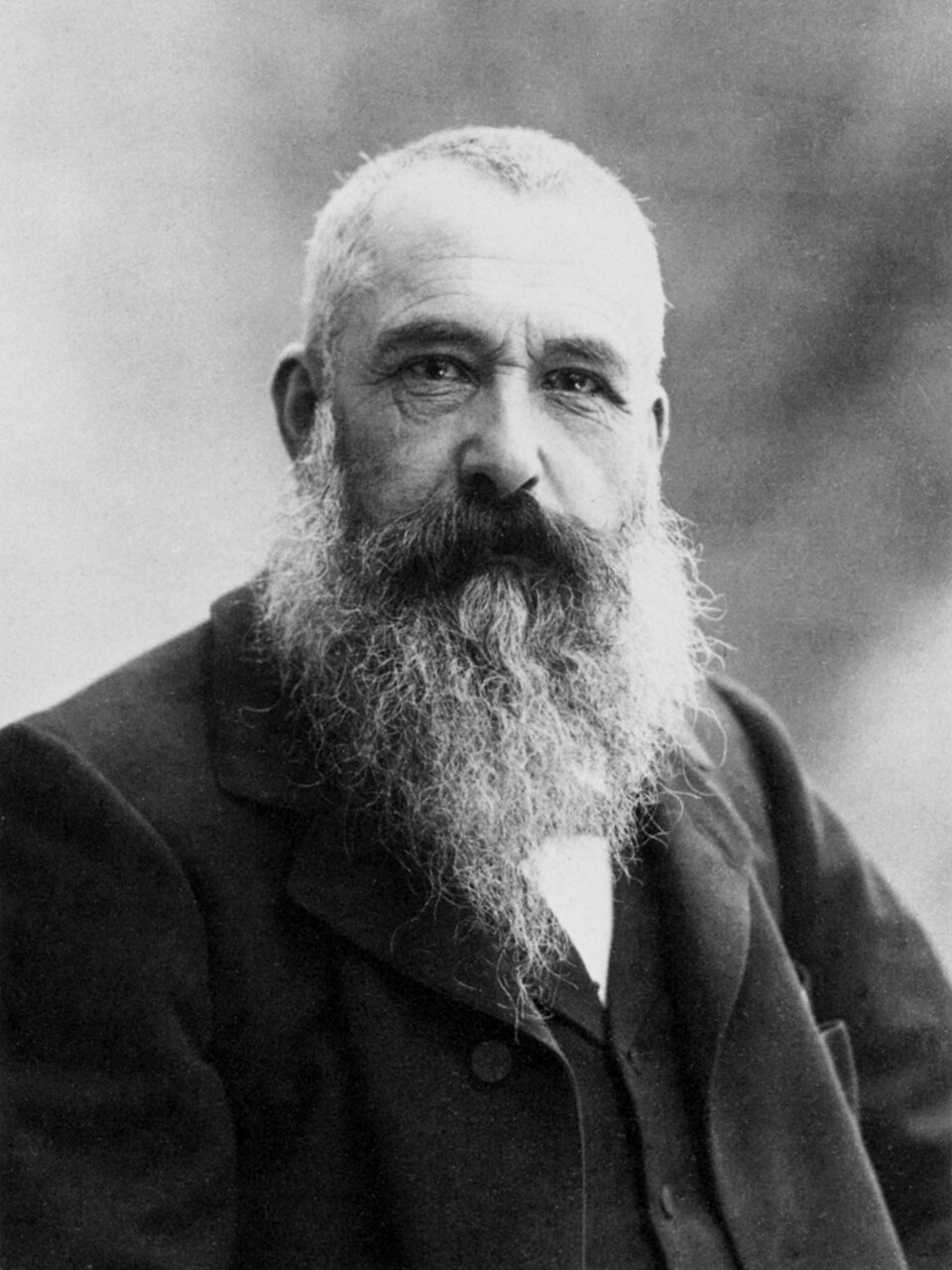
Claude Monet
Painter
Rejected by the Salon in three years out of four, evicted for unpaid rent, and his paintings seized by creditors.
7 documented failures
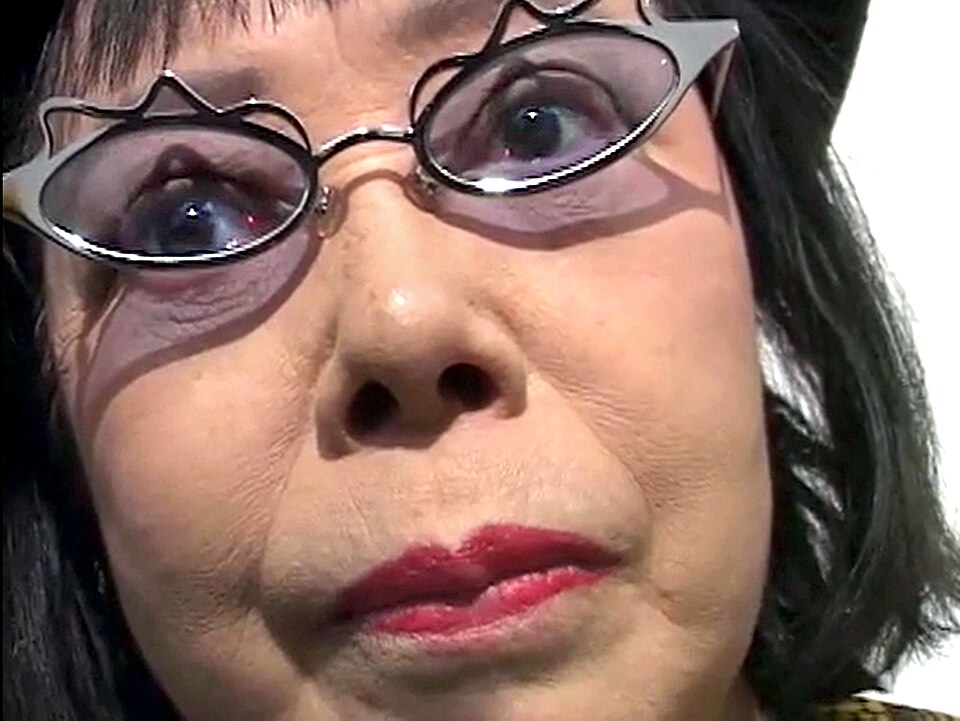
Yayoi Kusama
Artist
Turned up uninvited at the Venice Biennale in 1966 and had her sale stopped by the organisers. Represented Japan there twenty-seven years later.
7 documented failures
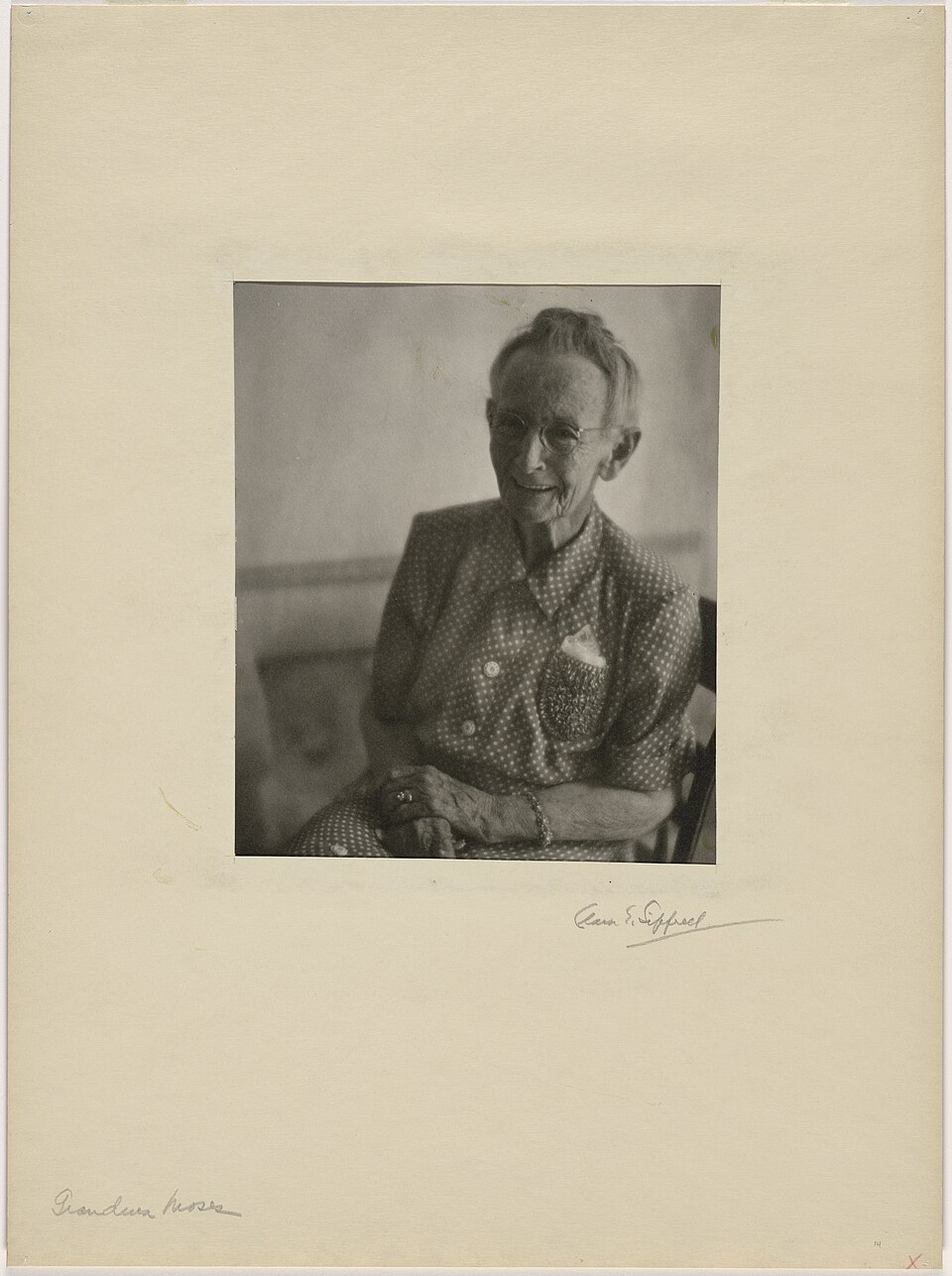
Grandma Moses
Painter
Her paintings sat unsold in a chemist's window for years. She was seventy-eight.
6 documented failures
Charles M. Schulz
Cartooning
His own school yearbook would not print his drawings. He called it his first major rejection.
6 documented failures