Peter Higgs
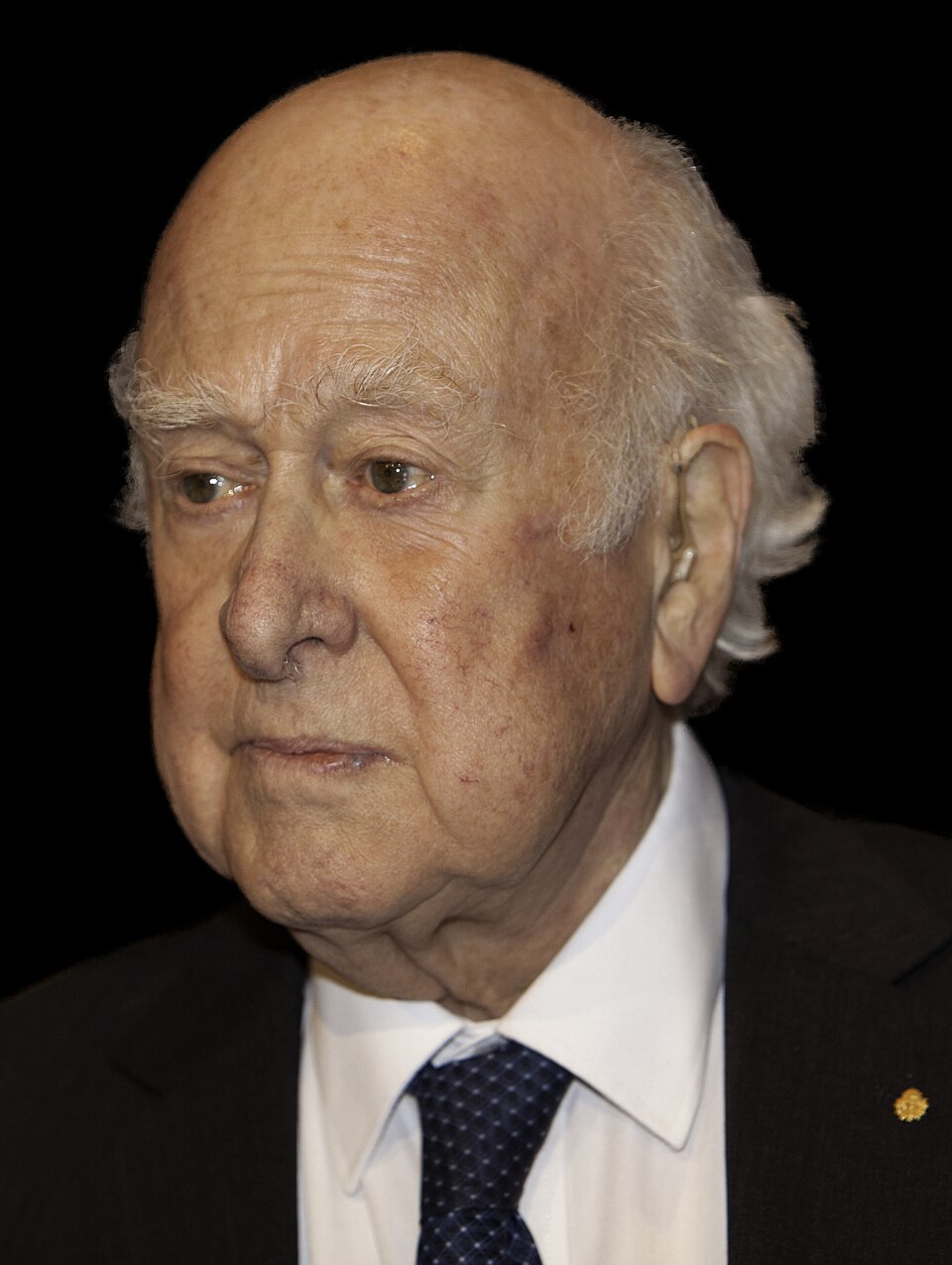
What failed
His second 1964 paper — the one predicting the particle — was rejected by Physics Letters. He was told later by a colleague that those who read it did not think it had any relevance to particle physics. For decades afterwards he published almost nothing and his department treated him as an embarrassment in research assessments.
What happened next
While revising the rejected paper for resubmission he added the paragraph naming the massive scalar excitation that became the Higgs boson — a paragraph not present in the rejected version. It was published elsewhere in 1964, confirmed at CERN in 2012, and won the Nobel Prize in 2013.
The point
The rejection forced the revision, and the revision was the part that mattered.
The sequence
1 documented failure, shown with the successes in between. Every entry carries its own source — the wins are part of the record, and leaving them out is how these stories get distorted.
- 1964
A first paper shows that a spontaneously broken local symmetry need not produce the massless particles everyone expected.
- 1964
The second paper, describing what became the Higgs model, is rejected by Physics Letters.
- 1964
Rewriting it to answer the rejection, he adds the thing the first version lacked: the prediction of a massive boson.
- 1964
The revised paper is accepted by Physical Review Letters.
- 1964-1971
Almost nobody takes any notice of it, or of the parallel papers by Englert and Brout and by Guralnik, Hagen and Kibble, until 't Hooft and Veltman show that theories of this kind are renormalisable.
- 2012
Forty-eight years later, ATLAS and CMS at CERN find the boson. Higgs: it is very nice to be right sometimes.
Sources
- Prehistory of the Higgs boson (Higgs, Comptes Rendus Physique, 2007)
Unfortunately, my second short paper was rejected by Physics Letters ... It was in the course of revising this rejected paper, before submitting it to Physical Review Letters, that I added a paragraph drawing attention to some characteristic signatures of spontaneously broken gauge theories.
- Peter Higgs: I wouldn't be productive enough for today's academic system (Guardian)
Today I wouldn't get an academic job. It's as simple as that. I don't think I would be regarded as productive enough.
Use the ← and → keys to move between entries.
Related failures
Others in science & medicine, and nearby.
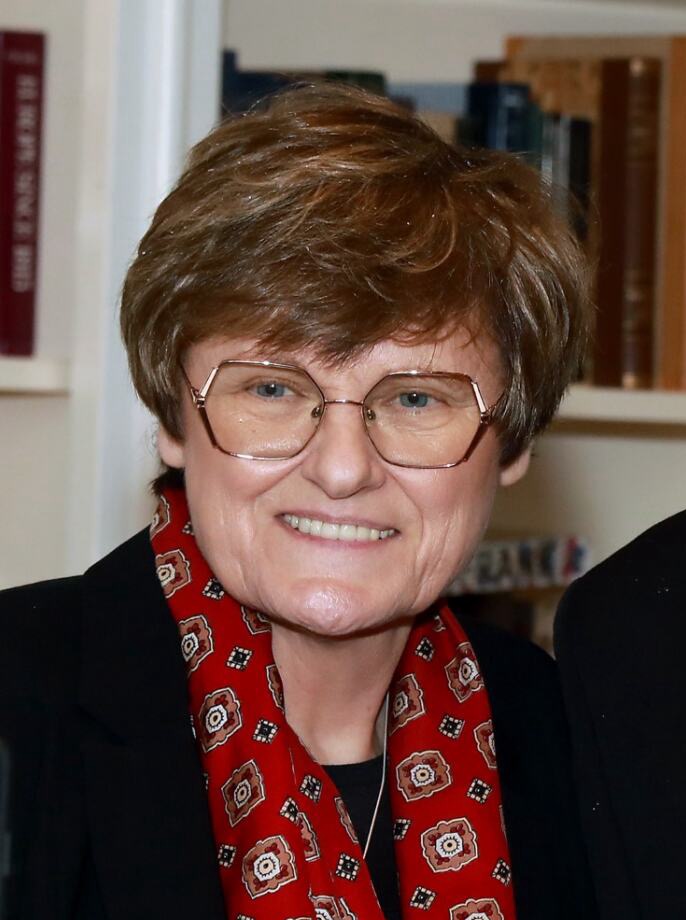
Katalin Karikó
Biochemistry
Demoted, defunded, pushed out after 24 years. Kept running the experiment.
3 documented failures
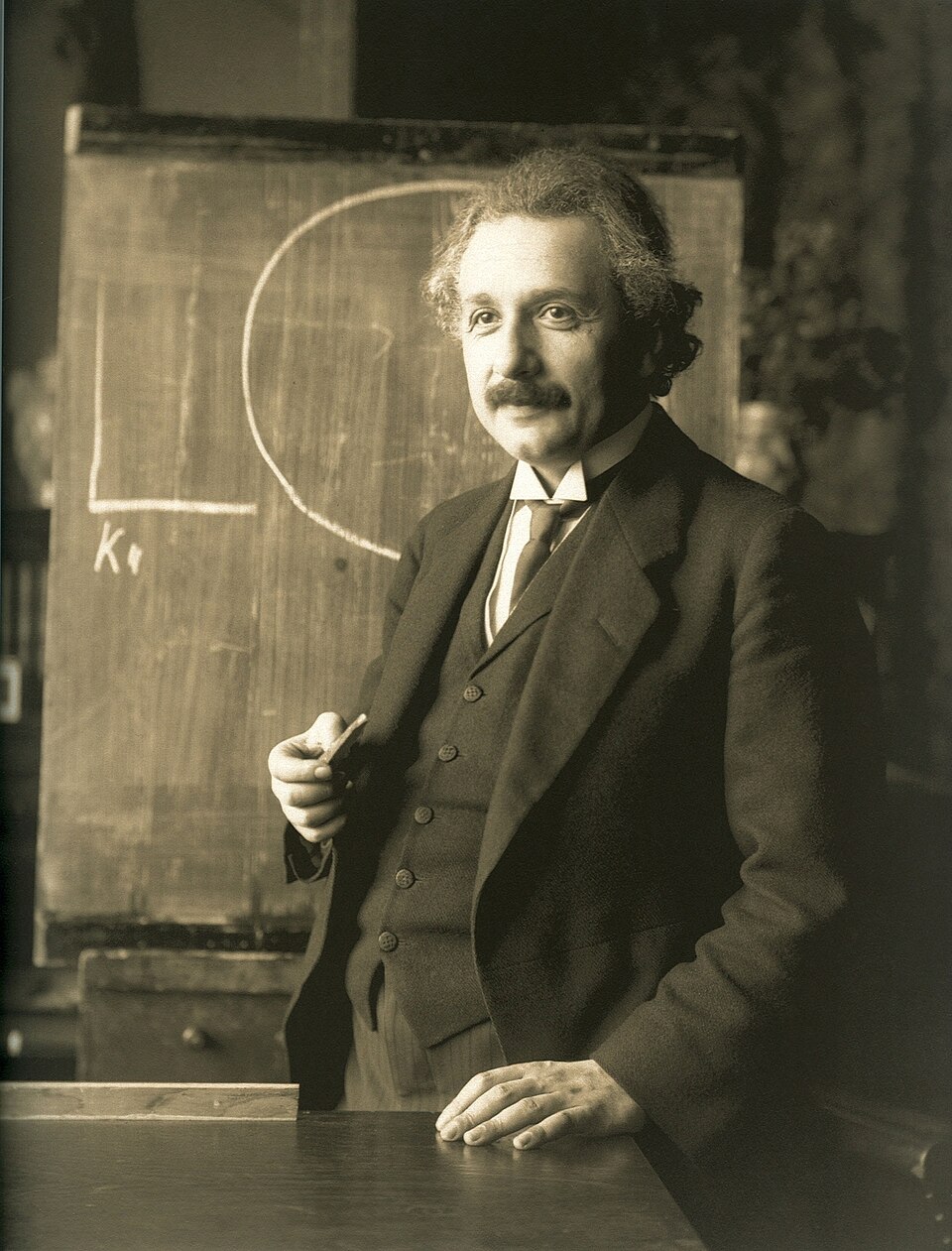
Albert Einstein
Theoretical physics
He could not get an academic job for two years, and wrote the papers that changed physics as a patent clerk.
8 documented failures
Barry Marshall
Medicine
Nobody believed ulcers were an infection, so he drank the bacteria himself.
4 documented failures
George Washington Carver
Agricultural science
A college accepted him by post and refused him at the door when they saw he was Black.
5 documented failures