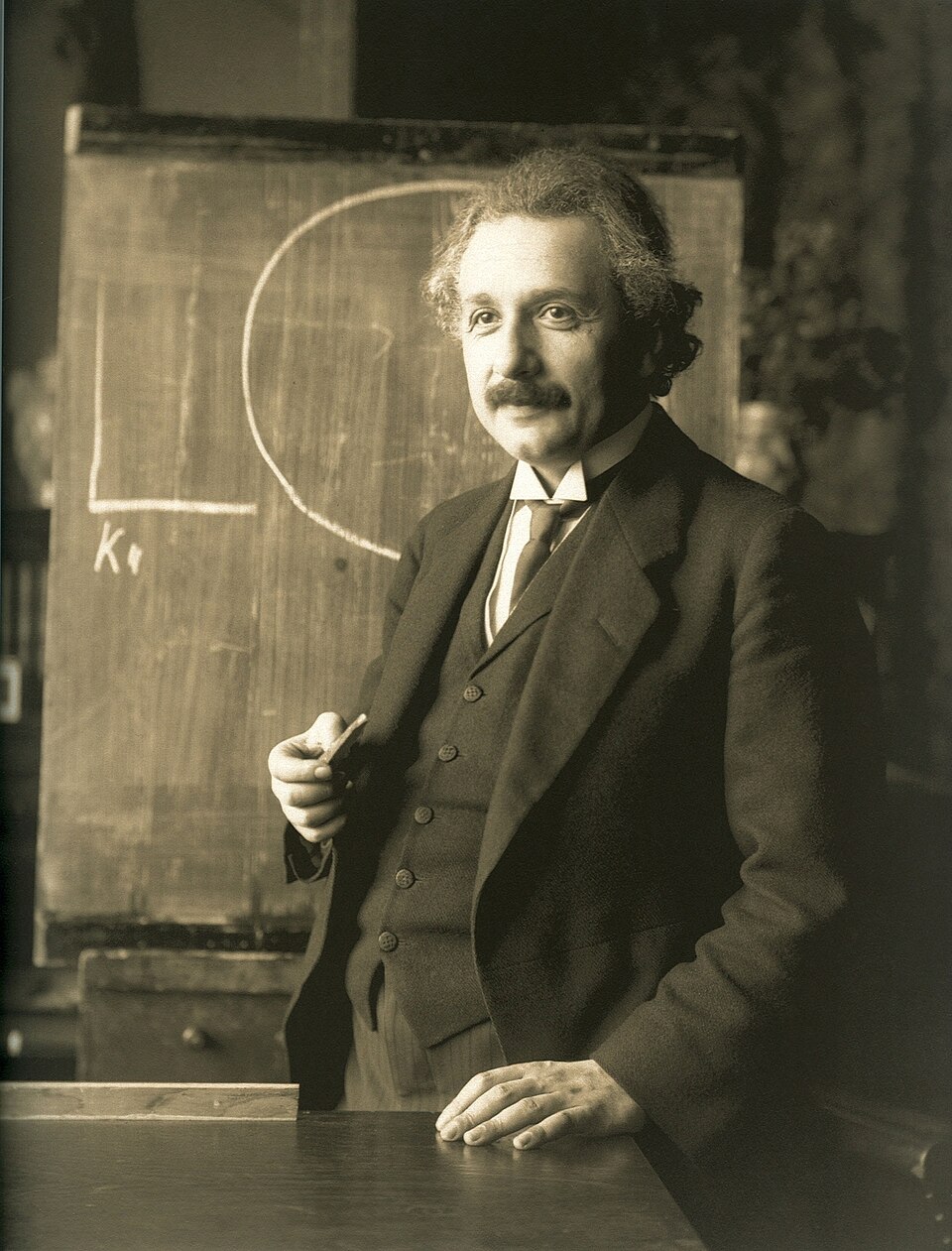
Albert Einstein
What failed
His father's business failed twice, in Munich and then in Pavia. He walked out of school at fifteen without a leaving certificate. At sixteen he failed the general section of the Zurich Polytechnic entrance exam. He graduated in 1900 and was the only one of his group not given an assistantship; he spent the next two years writing round universities without success, and the only teaching work he found was temporary. He withdrew his first doctoral dissertation. In 1907, two years after the papers that made his name, the University of Bern rejected his application to lecture.
What happened next
He took a job as a technical expert, third class, at the Swiss patent office in Bern, and in his spare time in 1905 published four papers in the Annalen der Physik. When the eclipse observations confirming general relativity were announced in London on 6 November 1919, The Times ran them as a banner headline the next day; within days the story was in the American press, and he was internationally famous.
The point
He did not fail mathematics — that story is false, and he denied it himself. What is true is duller and more useful: he was extremely good and nobody would hire him, for two years, and the work that mattered got done in the evenings around a full-time job.
The sequence
8 documented failures, shown with the successes in between. Every entry carries its own source — the wins are part of the record, and leaving them out is how these stories get distorted.
- 1894
His father's firm fails. The family leaves for Italy and he is left behind at fifteen.
- 1894
He quits school mid-term with no leaving certificate.
- 1895
At sixteen he fails the general section of the polytechnic entrance exam — while excelling at physics and mathematics.
- 1896
The family's second business collapses too, taking most of their money.
- 1901
Every classmate in his group gets an assistantship. He does not, and spends two years writing to universities without success.
- 1902
He withdraws his first doctoral dissertation.
- 1902
Two years after graduating, with no permanent teaching post, he starts at the Swiss patent office in Bern on 23 June as a technical expert, third class.
- 1905
In his spare time around the patent office he publishes four papers that reorganise physics.
- 1907
Two years after those papers, a university rejects his application to lecture.
- 1919
Eclipse observations confirming general relativity are announced in London on 6 November. The British press carries the story at once, the American press a few days later, and he becomes internationally famous.
- 1921
The Nobel Prize in Physics.
Sources
- Albert Einstein (MacTutor, University of St Andrews)
Three of Einstein's fellow students, including Grossmann, were appointed assistants at ETH in Zürich but clearly Einstein had not impressed enough and still in 1901 he was writing round universities in the hope of obtaining a job, but without success.
- Albert Einstein (MacTutor, University of St Andrews)
By mid 1901 he had a temporary job as a teacher, teaching mathematics at the Technical High School in Winterthur.
- Albert Einstein (Wikipedia)
On 7 November 1919, for example, the leading British newspaper, The Times, printed a banner headline that read: "Revolution in Science – New Theory of the Universe – Newtonian Ideas Overthrown".
- Eddington experiment (Wikipedia)
While Einstein had been a moderately famous public figure in Germany for a few years by that time, the articles in question marked the beginning of his international celebrity status.
Use the ← and → keys to move between entries.
Related failures
Others in science & medicine, and nearby.

Katalin Karikó
Biochemistry
Demoted, defunded, pushed out after 24 years. Kept running the experiment.
3 documented failures
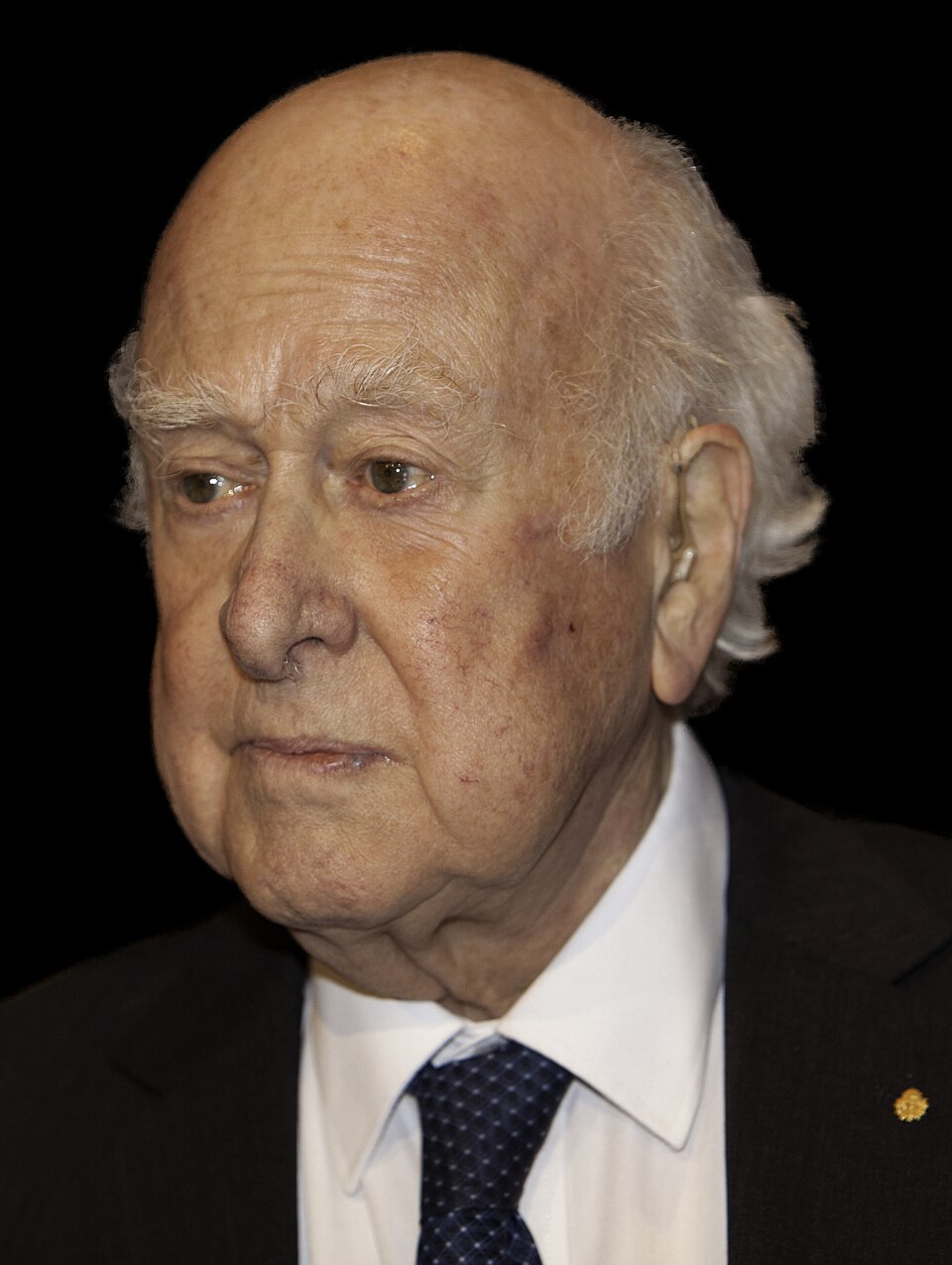
Peter Higgs
Theoretical physics
The paper was rejected. Revising it is where the boson came from.
1 documented failure

Barry Marshall
Medicine
Nobody believed ulcers were an infection, so he drank the bacteria himself.
4 documented failures
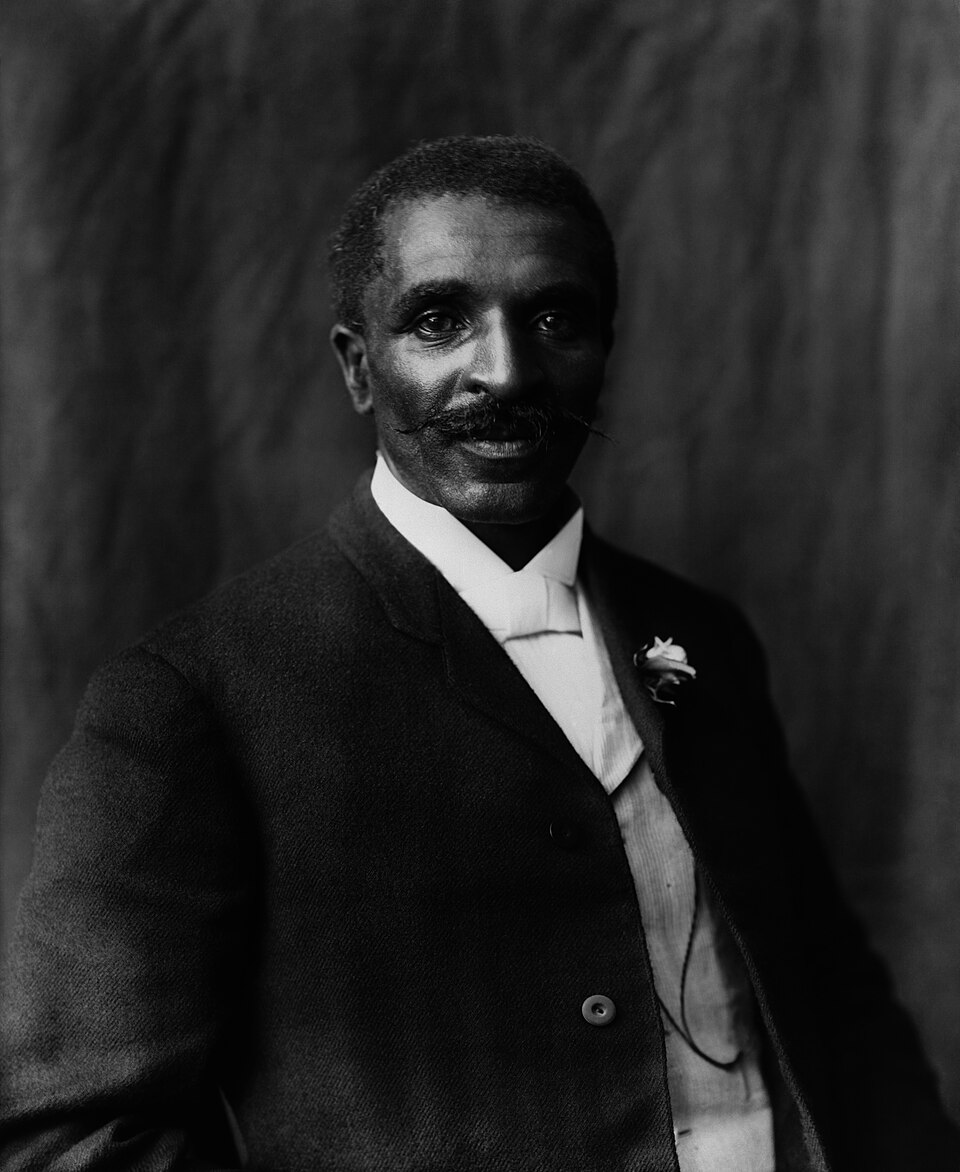
George Washington Carver
Agricultural science
A college accepted him by post and refused him at the door when they saw he was Black.
5 documented failures