Marie Curie
What failed
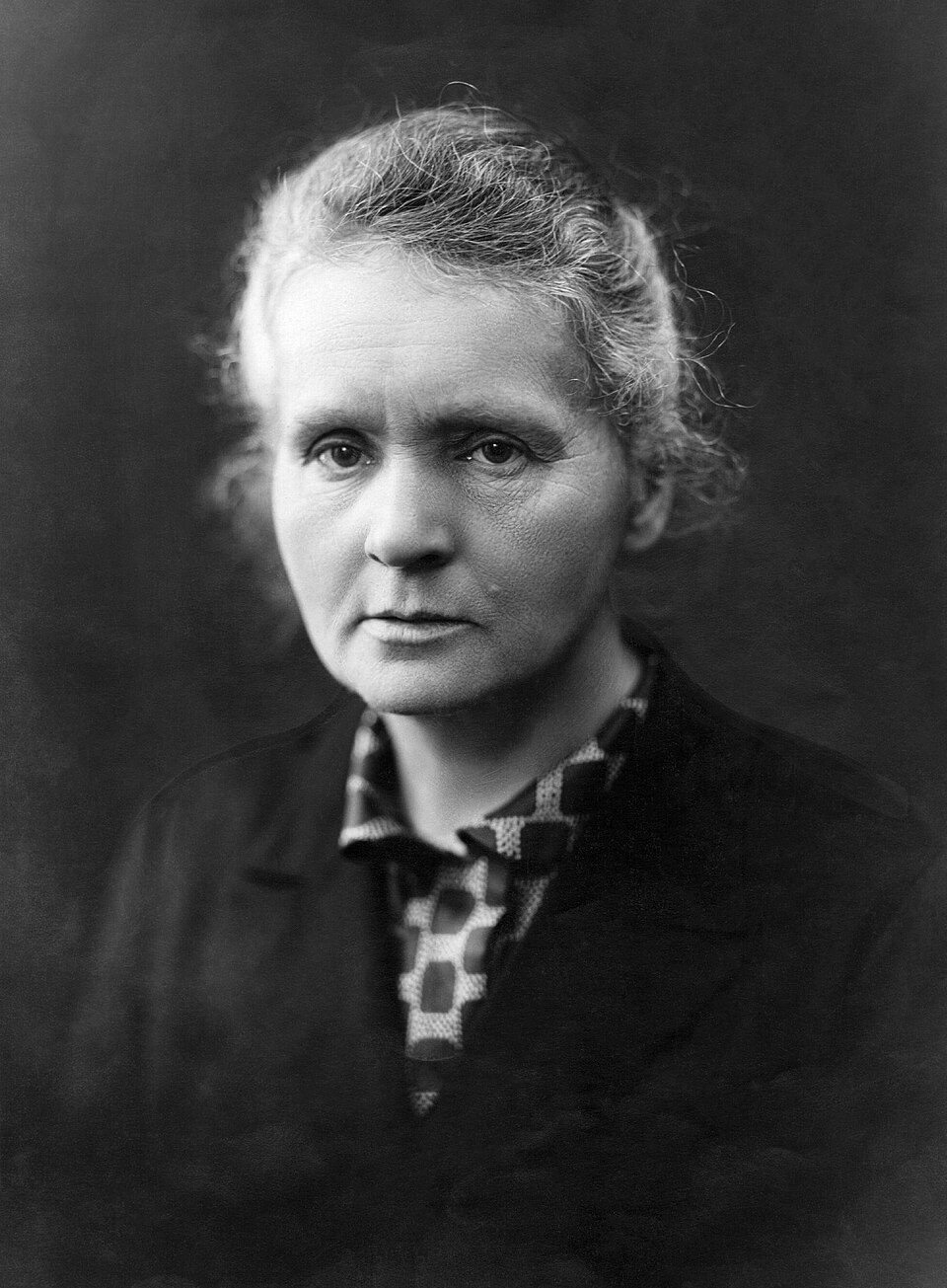
The universities in Warsaw did not admit women, so she took what higher education she could at the clandestine Flying University, before and after her years as a governess, and went out to work to pay for her sister's medical studies in Paris. She and the son of the house, Kazimierz Żorawski, fell in love and wanted to marry; his parents refused their consent because her family were too poor. She reached the Sorbonne in 1891, took the physics licence in 1893 at the head of the list and the mathematics licence in 1894 placed second, then went home that summer to look for scientific work in Poland. August Witkowski, who held the physics chair at the Jagiellonian University in Kraków and was personally sympathetic, could not offer her even an assistant's post, because the university did not then admit women as students at all — an episode for which no archival document has been found, and which rests on the recollections of Kraków colleagues written down decades later. In November 1910 she stood for the vacant physics seat at the Académie des sciences, and the nationalist press ran a campaign against her that included the false claim that she was Jewish and not truly French, and so undeserving of the seat; on 23 January 1911 the Academy gave the seat to Édouard Branly, 30 votes to 28. That November, while she was in Brussels for the Solvay conference, the Paris press broke the story of her relationship with Paul Langevin; the letters themselves — or forgeries based on them — were printed in L'Œuvre on 23 November. She came back to an angry mob outside her house at Sceaux and had to take her daughters to friends in Paris.
What happened next
Five weeks after the press broke the story she went to Stockholm and took the 1911 Nobel Prize in Chemistry, having refused Svante Arrhenius's request that she cable her absence and decline the prize until the Langevin proceedings had cleared her. Then she collapsed: taken on 29 December to a hospital whose location was kept secret, most of January 1912 in a private clinic under an assumed name with severe depression and acute kidney disease, a kidney operation in March, and months of recuperation in a house near Paris rented under another name. She was elected to the Académie de médecine in 1922, the first woman to enter it. The Académie des sciences elected no woman until 1962, twenty-eight years after her death, and then only as a corresponding member; the first woman full member was elected in 1979.
The point
The refusals were not all of one kind. Warsaw's universities admitted no women, and neither did the Jagiellonian in Kraków in 1894, so those exclusions rested on no judgement of her work at all. The Academy vote was a judgement, and it turned on xenophobia, a false rumour that she was Jewish and the clerical politics of the day: fifty-eight members voted, and Branly took the seat by two. The Academy defeat and the second Nobel Prize fell inside the same eleven months, which is how recognition and refusal usually arrive: not in sequence, but from different institutions at the same time.
The sequence
8 documented failures, shown with the successes in between. Every entry carries its own source — the wins are part of the record, and leaving them out is how these stories get distorted.
- Before 1891
The universities in Warsaw are closed to women. She takes her higher education at the clandestine Flying University, which admits women students.
- 1886-1889
Working as a governess to the Żorawski family to fund her sister Bronia's medical studies in Paris, she and the son of the house fall in love and want to marry. His parents refuse their consent.
- 1890-1891
She studies at the Flying University and begins practical scientific training in a chemistry laboratory at the Museum of Industry and Agriculture in Warsaw.
- 1891
Arrives in Paris in November and enrols at the Sorbonne to study physical sciences and mathematics.
- 1893
Takes the licence in physical sciences at the head of the list of candidates.
- 1894
Takes the licence in mathematics, placed second, with the grade assez bien against the très bien she had in physics.
- 1894
Home for the summer and looking for scientific work in Poland, she is refused an assistant's post at the physics chair in Kraków: the university did not then admit women even as students. The sources disagree on how firm this is. Odo Bujwid, writing to her on 19 December 1923, states the refusal plainly and names Witkowski as personally sympathetic; Rafalska-Łasocha, who searched the Jagiellonian archive, found no application, no note from Witkowski and no document of any kind, and treats the episode as a reconstruction from recollection.
- 1898
With Pierre she announces polonium on 18 July and, with Gustave Bémont, radium on 26 December.
- 1903
The Nobel nomination sent by members of the Académie des sciences names Becquerel and Pierre Curie. Her name is not on it. Mittag-Leffler writes to Pierre, who asks to be considered together with her.
- 1903
On 10 December she shares the Nobel Prize in Physics with Pierre and Becquerel, the first woman to receive one.
- 1906
Pierre is run over by a horse-drawn wagon on 19 April. On 5 November she takes over his physics course at the Sorbonne, and is made full professor in 1908, the first woman to hold a university chair in France.
- 1910-1911
She stands for the vacant physics seat at the Académie des sciences. The right-wing press spreads the false claim that she is Jewish and not truly French.
- 1911
The vacancy she stands for is Désiré Gernez's seat.
- 1911
On 23 January the Academy votes: Branly 29, Curie 28, Brillouin 1 on the first ballot; on the second Branly is elected, 30 votes to 28.
- 1911
While she is in Brussels for the first Solvay conference, the Paris press breaks the story of her relationship with Paul Langevin. She returns to a mob outside her house at Sceaux and takes her daughters to friends in Paris.
- 1911
The first Solvay conference sits in Brussels from 30 October to 3 November. The first articles on the Langevin affair appear on 4 November, and the letters themselves are printed in a 26-page special issue of L'Œuvre on 23 November.
- 1911
Svante Arrhenius asks her to cable that she will not come to Stockholm and to decline the prize until the Langevin proceedings have cleared her. She replies that the prize was given for the discovery of radium and polonium, and goes.
- 1911
On 10 December she receives the Nobel Prize in Chemistry, for isolating metallic radium and determining its atomic mass.
- 1911
The effort drains her and she sinks into a depressed state. On 29 December she is taken to a hospital whose location is kept secret.
- 1912
She spends most of January in a private clinic under an assumed name, with severe depression and acute kidney disease, has a kidney operation in March, and takes months to recuperate in a house near Paris rented under the name Madame Sklodowska.
- 1922
Elected a free member of the Académie de médecine, the first woman to enter it.
Sources
- Marie and Pierre Curie and the discovery of polonium and radium, by Nanny Fröman (The Nobel Prize)
In the first round Marie lost by one vote, in the second by two. In all, fifty-eight votes were cast.
- Marie Curie: Scandal and Recovery, 1910-1913 (American Institute of Physics, Center for History of Physics)
Branly won the election on January 23, 1911, by two votes.
- 23 janvier 1911: Première guerre des sexes à l'Académie des Sciences (Société Française de Physique)
Au premier tour de scrutin, E.Branly recueille 29 voix, M. Curie 28 voix, L. Brillouin 1 voix. Au second tour de scrutin E. Branly est élu avec 30 voix contre 28 à Marie Curie.
- Biographie de Marie Curie, née Maria Sklodowska (Musée Curie)
En janvier 1911, elle présente sa candidature à l'Académie des Sciences et n'est pas élue (L'Académie n'accueillera une femme dans ses rangs qu'un demi-siècle plus tard).
- Marie Curie: Illness and Rebirth (American Institute of Physics, Center for History of Physics)
Suffering from severe depression and acute kidney problems, she spent most of January 1912 in a private clinic, registered under an assumed name.
- Alicja Rafalska-Łasocha, 'Kontakty Marii Skłodowskiej-Curie ze środowiskiem krakowskim', Prace Komisji Historii Nauki PAU XII (2013)
Nie odnaleziono dotychczas na ten temat żadnych archiwalnych źródeł pisanych (podania Marii, notatek profesora Witkowskiego lub jakichkolwiek innych dokumentów).
- Karin Blanc, 'Le couple Curie et les prix Nobel', BibNum (OpenEdition)
Le texte le plus polémique fut un numéro spécial de L’Œuvre de vingt-six pages intitulé « Les scandales de la Sorbonne. Pour une mère » et publié le 23 novembre 1911.
- French Academy of Sciences (Wikipedia)
The first woman admitted as a correspondent member was a student of Curie's, Marguerite Perey, in 1962. The first female full member was Yvonne Choquet-Bruhat in 1979.
Use the ← and → keys to move between entries.
Related failures
Others in science & medicine, and nearby.
Katalin Karikó
Biochemistry
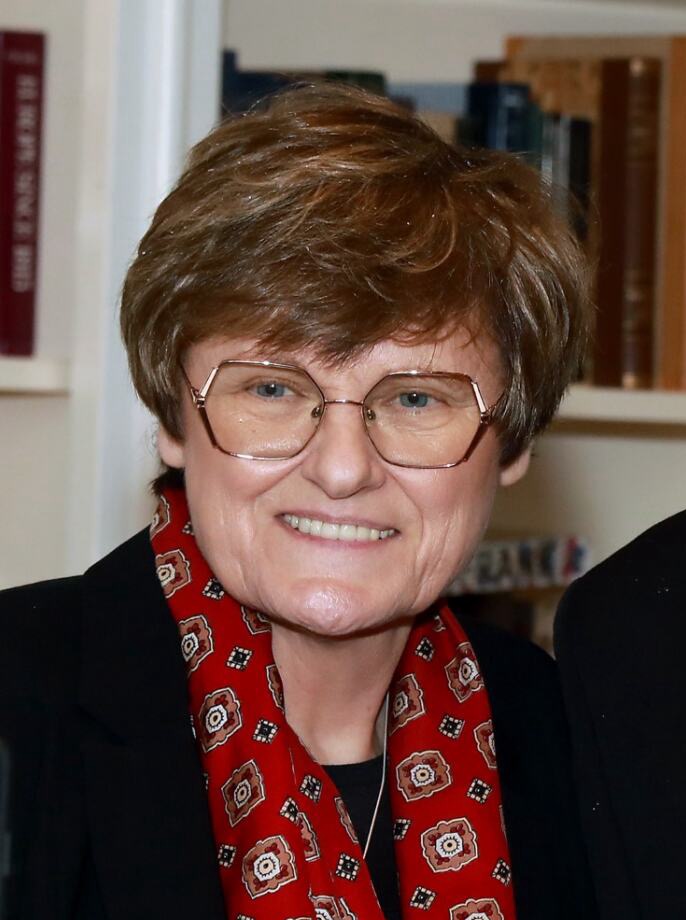
Demoted, defunded, pushed out after 24 years. Kept running the experiment.
3 documented failures
Peter Higgs
Theoretical physics
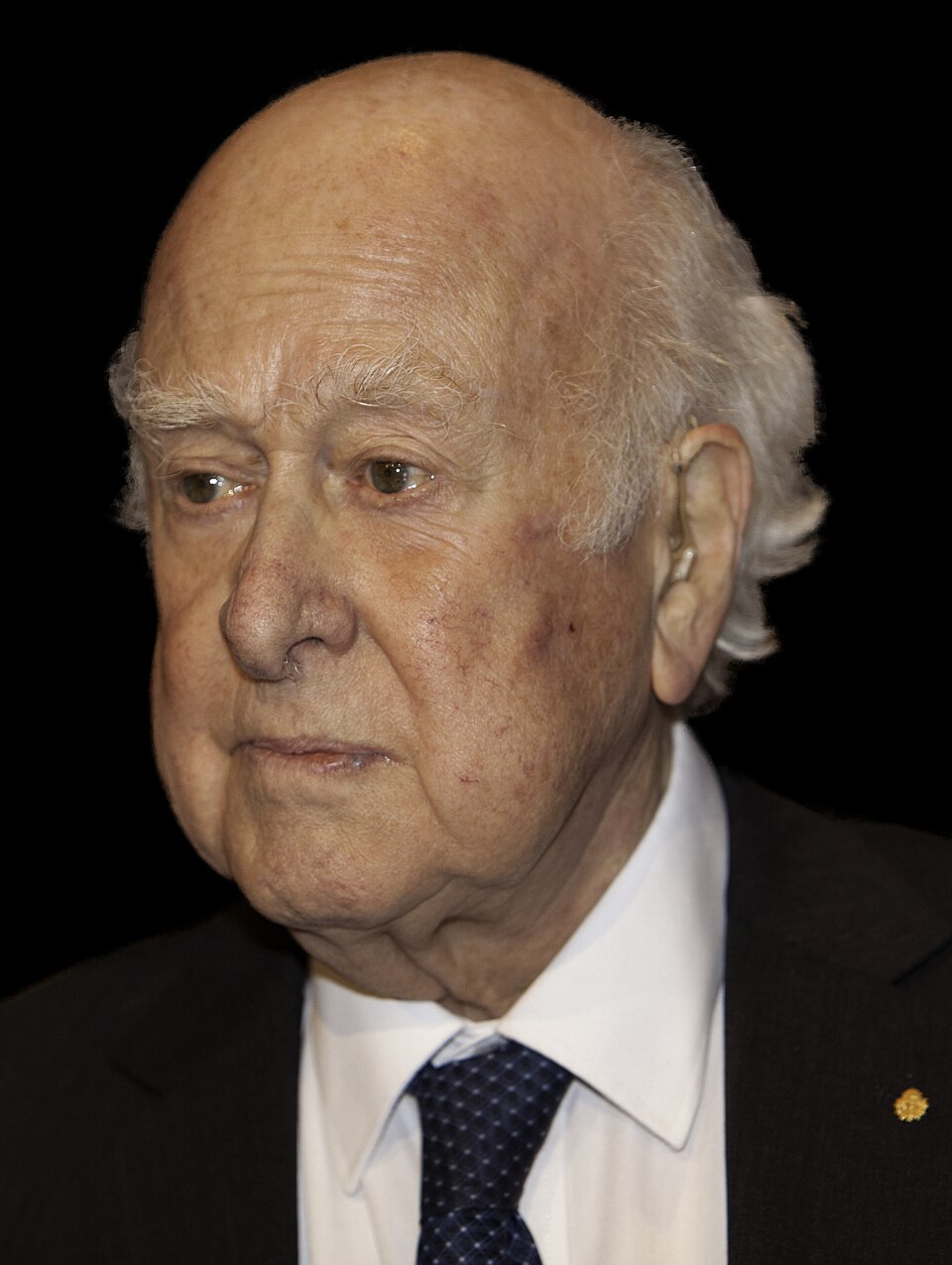
The paper was rejected. Revising it is where the boson came from.
1 documented failure
Albert Einstein
Theoretical physics
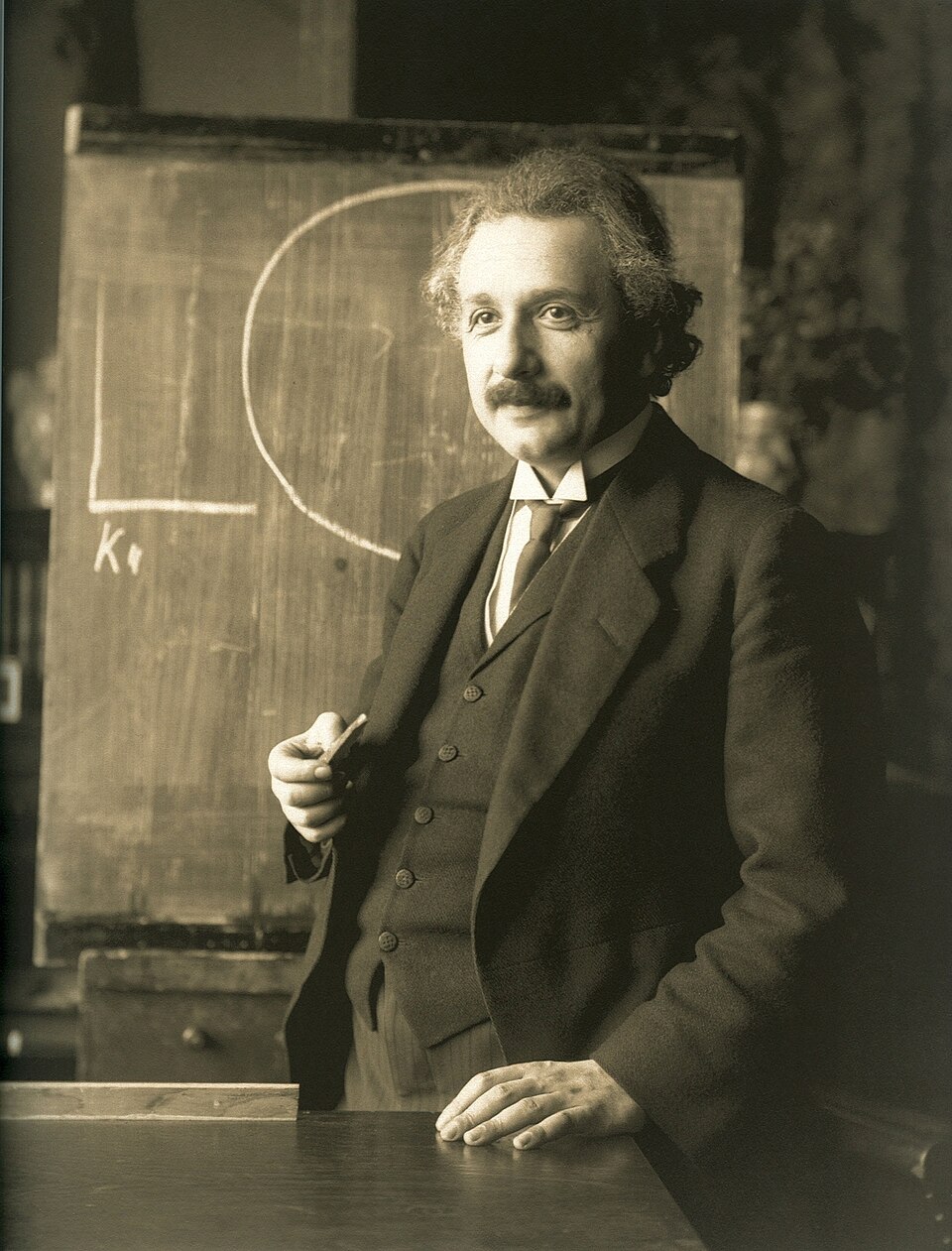
He could not get an academic job for two years, and wrote the papers that changed physics as a patent clerk.
8 documented failures
Barry Marshall
Medicine
Nobody believed ulcers were an infection, so he drank the bacteria himself.
4 documented failures