Fyodor Dostoevsky
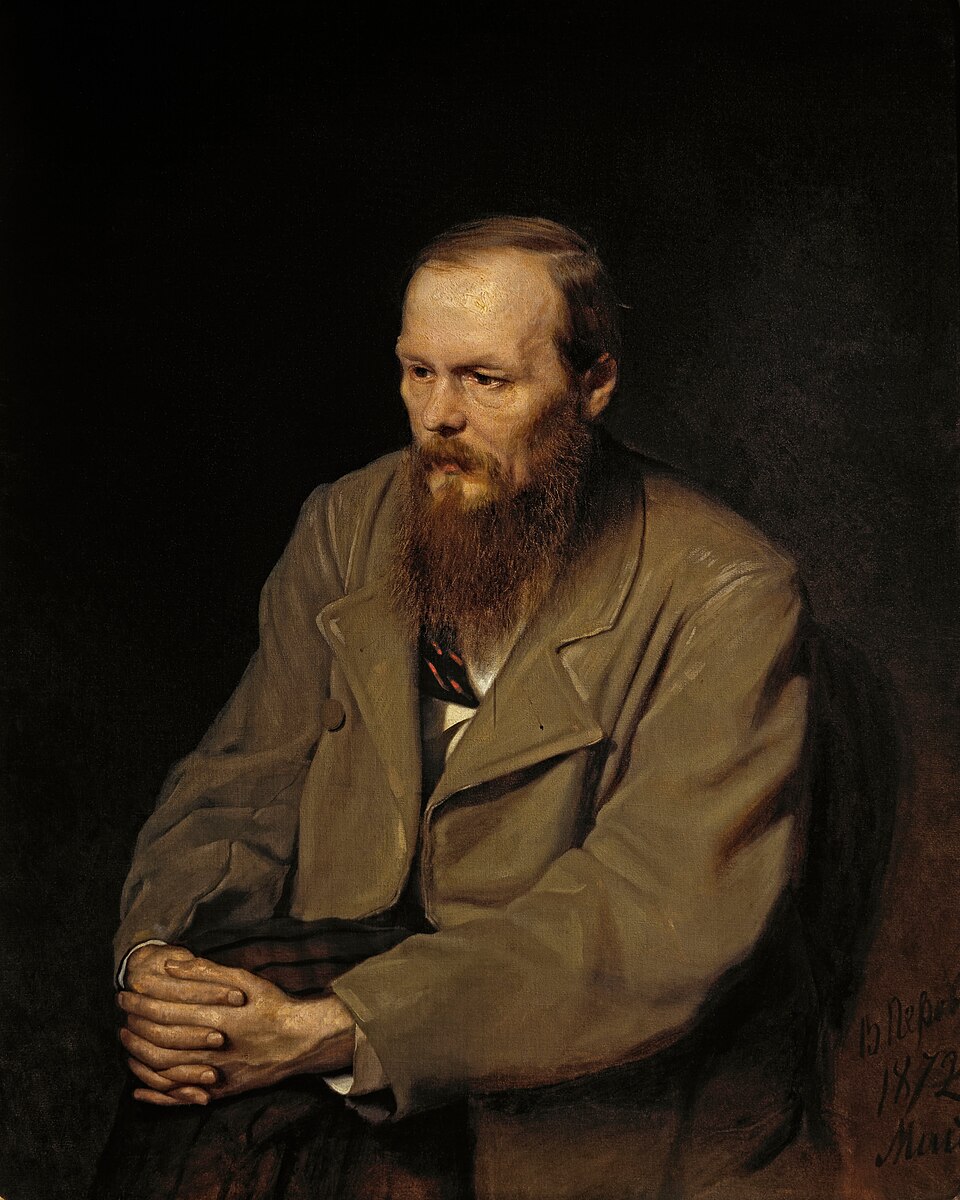
What failed
Poor Folk was released on 15 January 1846 and sold; The Double, out a fortnight later, was received badly enough to stall him; Vissarion Belinsky, the critic who had made his name, praised its power in print but faulted it for repetition and length, and in January 1847 dismissed his next story, Mr Prokharchin, as affected, mannered and incomprehensible. He was arrested on 23 April 1849 for belonging to the Petrashevsky Circle, taken in December to a parade ground to be shot and told, once the first men were tied to the posts, that the sentence had been commuted, a staging the Tsar had ordered in advance, and served four years of hard labour at Omsk; apart from one story written in the fortress before he went, nothing of his appeared in print for a decade. Vremya, the magazine he ran with his brother Mikhail, was banned by imperial order in May 1863 over Nikolay Strakhov's article on the Polish uprising, The Fatal Question; its replacement, Epokha, ran to thirteen issues and stopped in March 1865. From 1863 he played roulette in the German spa towns and lost nearly all his money at Wiesbaden and Baden-Baden. His wife Maria died of tuberculosis in April 1864 and Mikhail collapsed and died that July; Dostoevsky took on his brother's debts and the support of the widow, her four children and his own stepson. Hounded by creditors in July 1865, he took 3,000 roubles from the publisher Fyodor Stellovsky, handing over the rights to the work he had already written and undertaking to deliver a new novel by 1 November 1866; if he missed, Stellovsky could publish everything he wrote for the next nine years without paying him.
What happened next
He had begun Crime and Punishment in July 1865 and ran it through 1866 in The Russian Messenger, which gained at least 500 subscribers on the first two instalments, and with a month left on the Stellovsky deadline he dictated The Gambler to a twenty-year-old stenographer, Anna Snitkina, delivering it in twenty-six days. He married her in February 1867. Anna took over the money and the publishing, and by 1873 Demons was being sold for cash out of their apartment. The Brothers Karamazov ran as a serial from January 1879 to November 1880; he died on 9 February 1881, less than four months after it finished.
The point
The famous twenty-six days were not a burst of inspiration. They were the terms of a loan he could not repay, and the book they produced is about a man who cannot stop gambling. In an 1871 letter he dated ten years of dreaming about winning money to his brother's death, "when I suddenly found myself weighted down by debts", and what eventually cleared those debts was not a masterpiece but a change in who handled the money.
The sequence
11 documented failures, shown with the successes in between. Every entry carries its own source — the wins are part of the record, and leaving them out is how these stories get distorted.
- 1846
Poor Folk, his first novel, appears in the St Petersburg Collection almanac and is a commercial success.
- 1846
The Double, published a fortnight later, gets a mixed-to-hostile reception. His seizures become more frequent.
- 1849
Arrested on 23 April with the other members of the Petrashevsky Circle and held in the Peter and Paul Fortress.
- 1849
Taken to the Semyonovsky parade ground on 22 December and told they were to be shot; Nicholas I had already approved the commutation, with express instructions that it be announced only once everything was ready for the execution.
- 1850-1854
Serves four years of hard labour at the katorga camp in Omsk, then compulsory service as a private soldier.
- 1861-1862
The House of the Dead, his account of the prison camp, is serialised in Vremya, the magazine he has started with his brother Mikhail, and carries it.
- 1863
Vremya is banned in May 1863 over an article by Nikolay Strakhov on the Polish uprising.
- 1863
On his second European trip he takes up roulette in the German spa towns and loses nearly everything he has.
- 1864
His wife Maria Dmitrievna dies of tuberculosis in Moscow on 15 April, a Julian date, as are all the Russian dates here except his death.
- 1864
Mikhail collapses in July after the censor rejects an article and dies three days later, aged 43.
- 1864
He takes charge of Epokha and voluntarily assumes his brother's debts, the widow, her four children and his own stepson.
- 1865
Epokha puts out its last issue on 22 March, thirteen in all, and is never resumed.
- 1865
In July, hounded by creditors, he signs Stellovsky's contract: 3,000 roubles and the rights to the existing work, against a new novel due on 1 November 1866, with nine years of everything he writes forfeit if he misses.
- 1866
The first instalments of Crime and Punishment, begun the previous July, appear in The Russian Messenger and bring the magazine hundreds of new subscribers.
- 1866
He dictates The Gambler to the stenographer Anna Snitkina and delivers it in twenty-six days, inside the Stellovsky deadline.
- 1873
Demons is issued by the Dostoevskys' own publishing company; Anna runs the finances and sells it for cash from their apartment.
- 1879-1880
The Brothers Karamazov is serialised in The Russian Messenger; he dies on 9 February 1881, within four months of the last instalment.
Sources
- Fyodor Dostoevsky — Wikipedia
The overall sequence: Poor Folk and The Double in 1846, the 1849 arrest and commuted execution, four years at Omsk, the collapse of Vremya and Epokha, the 1864 deaths, the gambling, Crime and Punishment, The Gambler, the marriage to Anna Snitkina, Demons, and his death in 1881. It also carries the two sentences behind the last line of the lesson: "the 7,000 rubles he had earned from Crime and Punishment did not cover their debts", and "Anna proposed that they raise money on her husband's copyrights and negotiate with the creditors to pay off their debts in installments".
- Dostoyevsky, Fyodor Mikhailovich — Encyclopedia of Modern Europe (Gale), via Encyclopedia.com
Poor Folk as an immense success with the public and The Double as a disappointment to his admirers; the two journals Vremya and Epokha and their financial and censorship troubles; the dictation of The Gambler in twenty-six days under pressure from a publisher. Its date for the Petrashevsky arrest, April 1848, is wrong by a year, and it is not cited here for the arrest.
- Chronology of the Works of Fyodor Dostoevsky (1844–1881)
Fyodor is left in charge of Epoch and voluntarily takes on his brother's debts, along with the support of the widow, her four children, and his own stepson.
- Chronology of the Works of Fyodor Dostoevsky (1844–1881)
On 24 May 1863 an imperial order bans Time over the article "The Fatal Question," by Nikolai Strakhov, about that year's Polish uprising.
- How Dostoevsky overcame his gambling addiction — Stephen Dobson, The Conversation
The 3,000 roubles from Stellovsky, the nine-year forfeit clause and the 1 November 1866 deadline; the onset of the roulette compulsion in 1863; and the 1871 letter in which he dates the ten years of gambling to his brother's death and the debts that followed. It attributes the end of the gambling to a later episode, not to Anna.
- Reborn Into a New Form (1849) — Alex Christofi, The Public Domain Review
Dostoevsky's own account, from his letter to Mikhail of 22 December 1849, of being taken to the Semyonovsky Parade Ground, of the sentence of death being read, and of the announcement that their lives had been granted.
- When Dostoevsky Hit the St. Petersburg Literary Scene — Alex Christofi, Lit Hub
Belinsky praised Dostoevsky’s talent and depth of thought in general terms, but he also stuck the knife in
- Commentary on The Double — G. M. Friedlender, Academy edition of Dostoevsky, via rvb.ru
Недостатки «Двойника» критик увидел в «частом и, местами, вовсе ненужном повторении одних и тех же фраз»
- Commentary on Mr Prokharchin — G. M. Friedlender, Academy edition of Dostoevsky, via rvb.ru
развернуто высказался о нем Белинский в статье «Взгляд на русскую литературу 1846 года»
Use the ← and → keys to move between entries.
Related failures
Others in writing, and nearby.
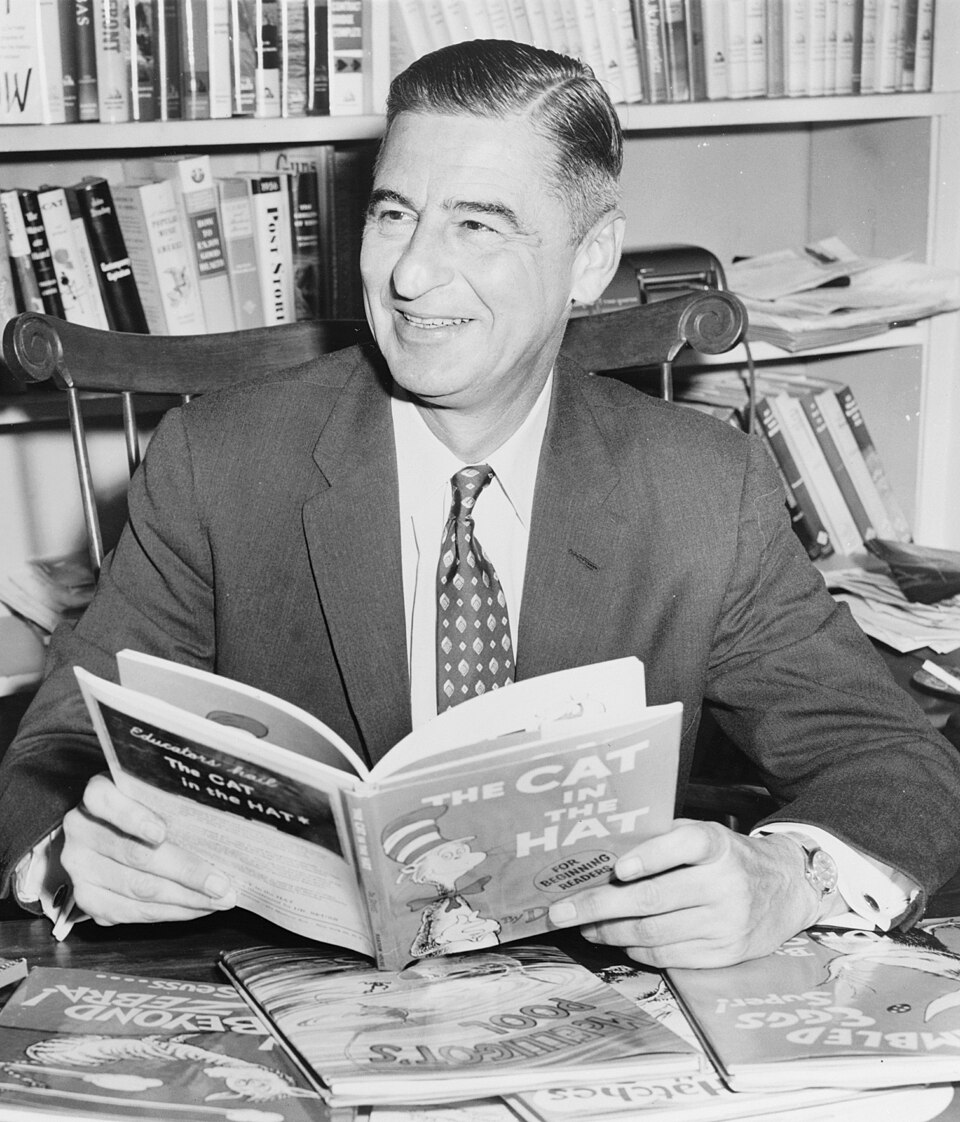
Theodor Seuss Geisel
Children's author
Rejected somewhere between 20 and 43 times. He never gave a consistent count.
2 documented failures
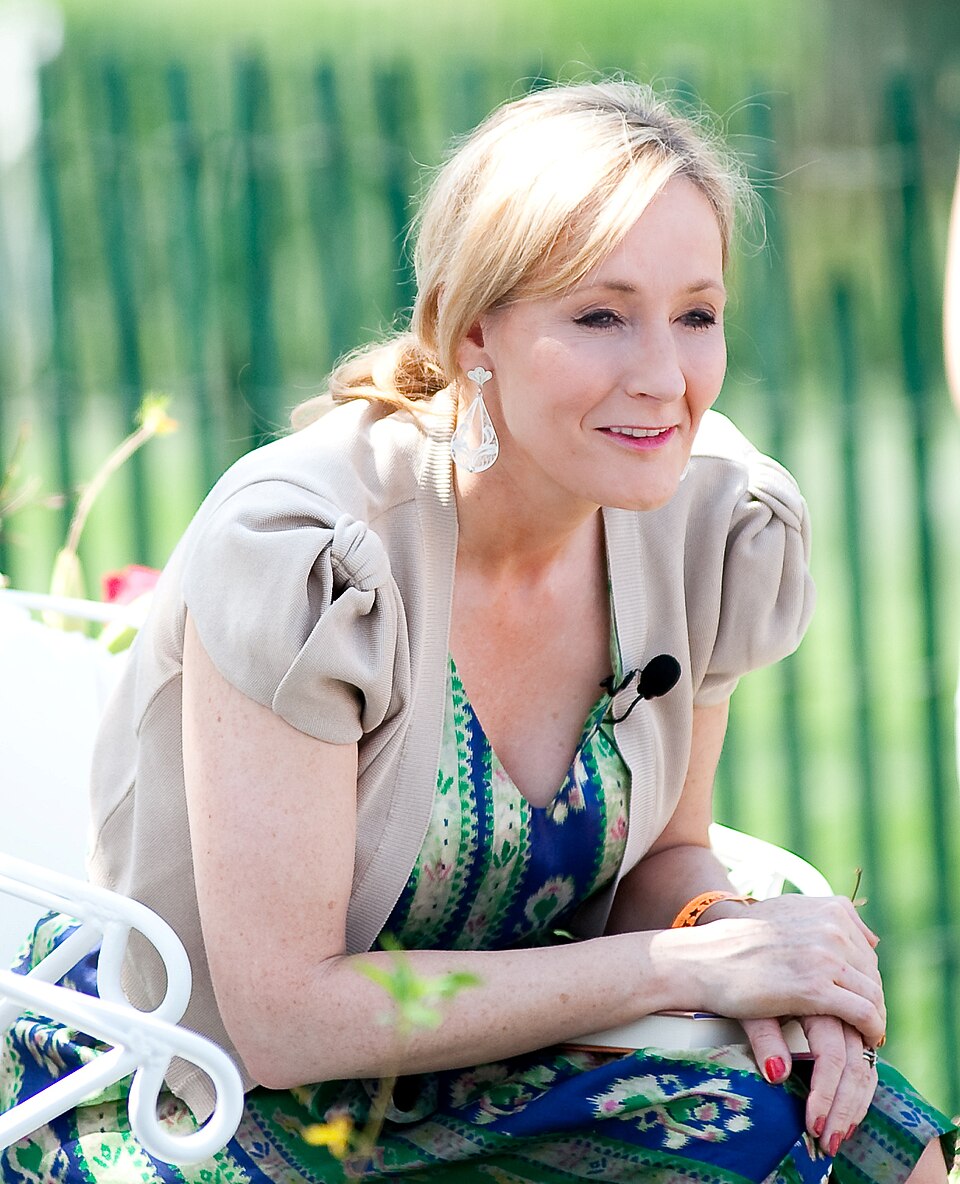
J.K. Rowling
Novelist
Turned down by more or less every major publisher in Britain, over about a year, while on state benefits.
4 documented failures
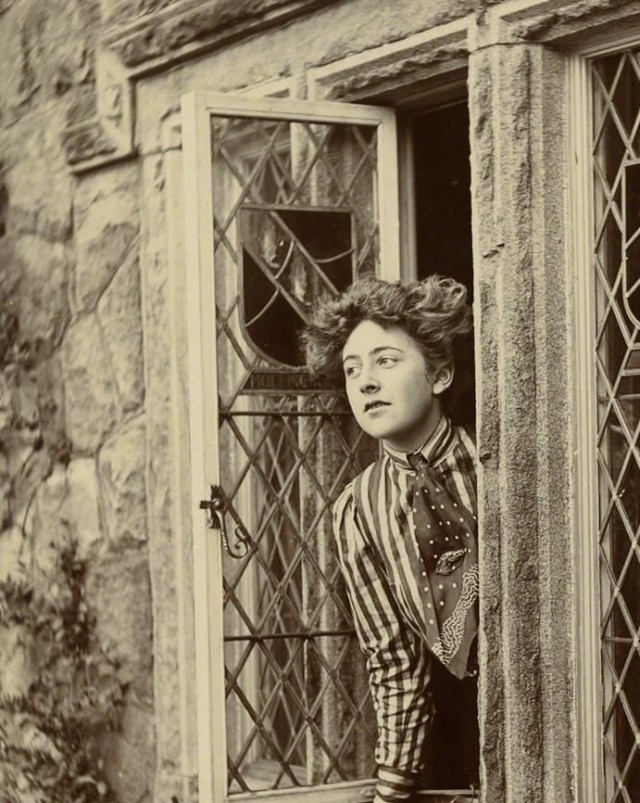
Agatha Christie
Novelist
Told her voice would never be strong enough for opera. Her first novel was never published at all.
5 documented failures
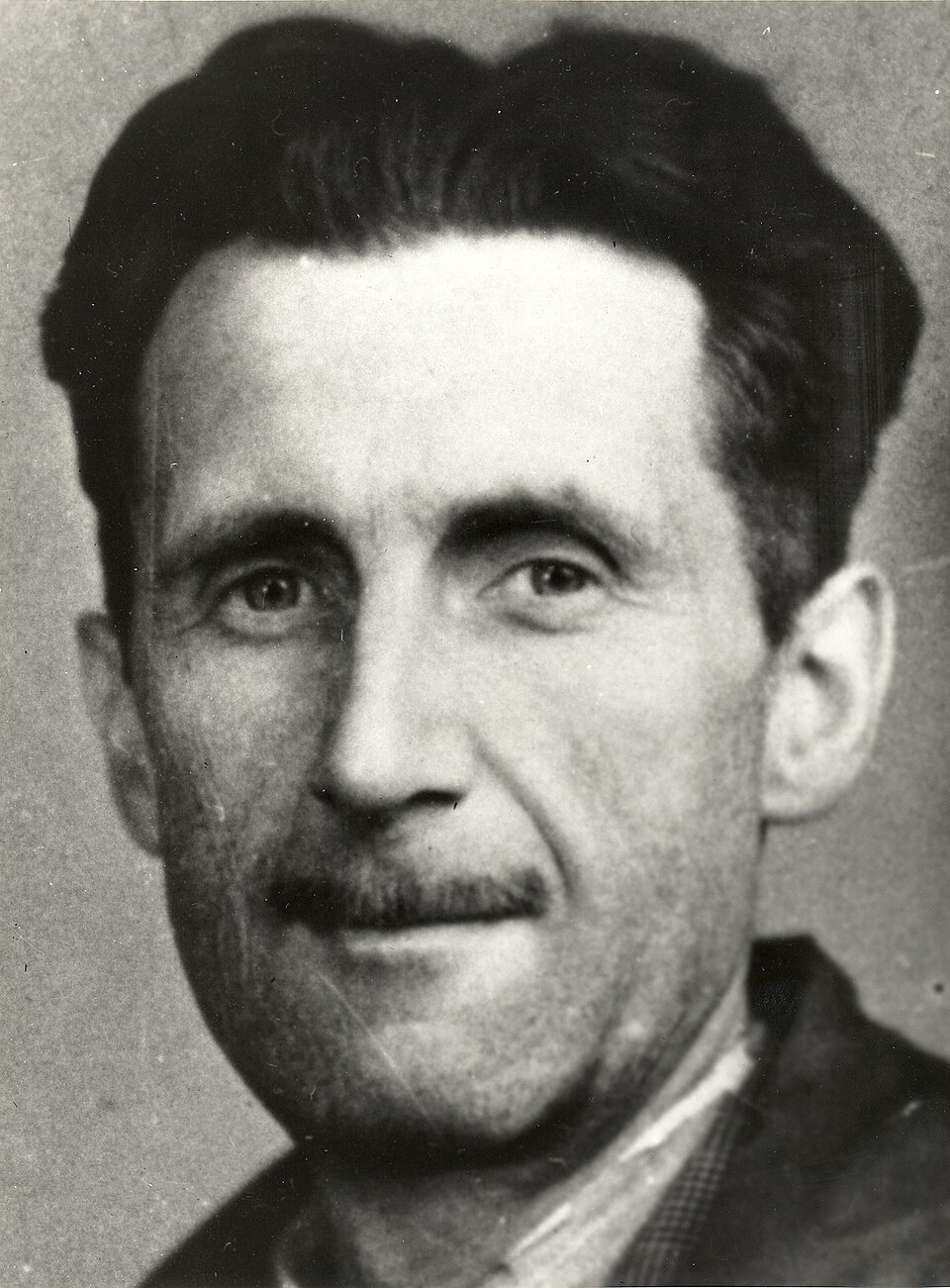
George Orwell
Novelist and essayist
T. S. Eliot rejected him twice, twelve years apart. The second book was Animal Farm.
9 documented failures