Rodney Dangerfield
What failed
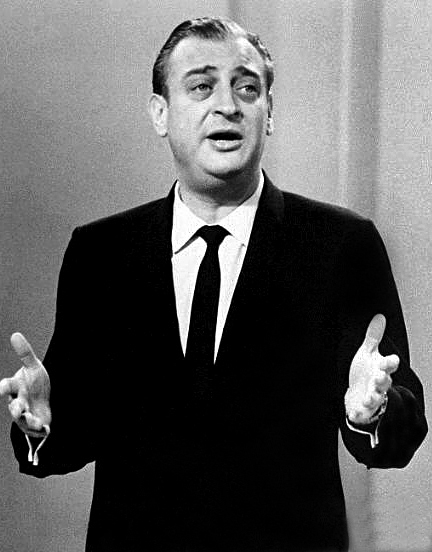
His first real booking paid twelve dollars a week. He struggled for nine years, at one point fired from a job as a singing waiter, and at around thirty he gave up show business entirely and took a white-collar job selling aluminium siding to support his family. When he went back to the clubs in the early 1960s he asked not to be billed under his old name, in case longtime patrons remembered him from the 1940s, and the club owner George McFadden introduced him as Rodney Dangerfield.
What happened next
He got onto the Ed Sullivan Show in March 1967, aged forty-five. Caddyshack made him a film star at fifty-eight.
The point
He did not persist. He quit for a decade, did something else, and came back — which is a different and more available story than never giving up. The name change is the detail worth keeping: he became someone else to get a second hearing.
The sequence
4 documented failures, shown with the successes in between. Every entry carries its own source — the wins are part of the record, and leaving them out is how these stories get distorted.
- 1940
His first real booking pays twelve dollars a week.
- 1940s
Nine years of struggling, including being fired as a singing waiter.
- 1951
At about thirty he quits show business altogether.
- 1950s
He spends the decade selling aluminium siding and taking odd jobs.
- 1960s
Back in the clubs, he drops his old name in case patrons remember him from the 1940s; the club owner George McFadden bills him as Rodney Dangerfield.
- 1967
He gets on the Ed Sullivan Show at forty-five.
- 1980
Caddyshack makes him a film star at fifty-eight.
Sources
- Rodney Dangerfield (Wikipedia)
He struggled financially for nine years, at one point performing as a singing waiter until he was fired, before taking a job selling aluminum siding in the mid-1950s to support his wife and family.
- Put-upon comic Dangerfield dies at 82 (Variety)
He continued to pursue comedy full time until he was about 30, but in 1951 he quit the biz to earn a white-collar living.
- Rodney Dangerfield (Wikipedia)
Wanting to disguise himself from the longtime patrons who might have remembered him from the 1940s, Roy asked club owner George McFadden to change his name.
Use the ← and → keys to move between entries.
Related failures
Others in comedy, and nearby.
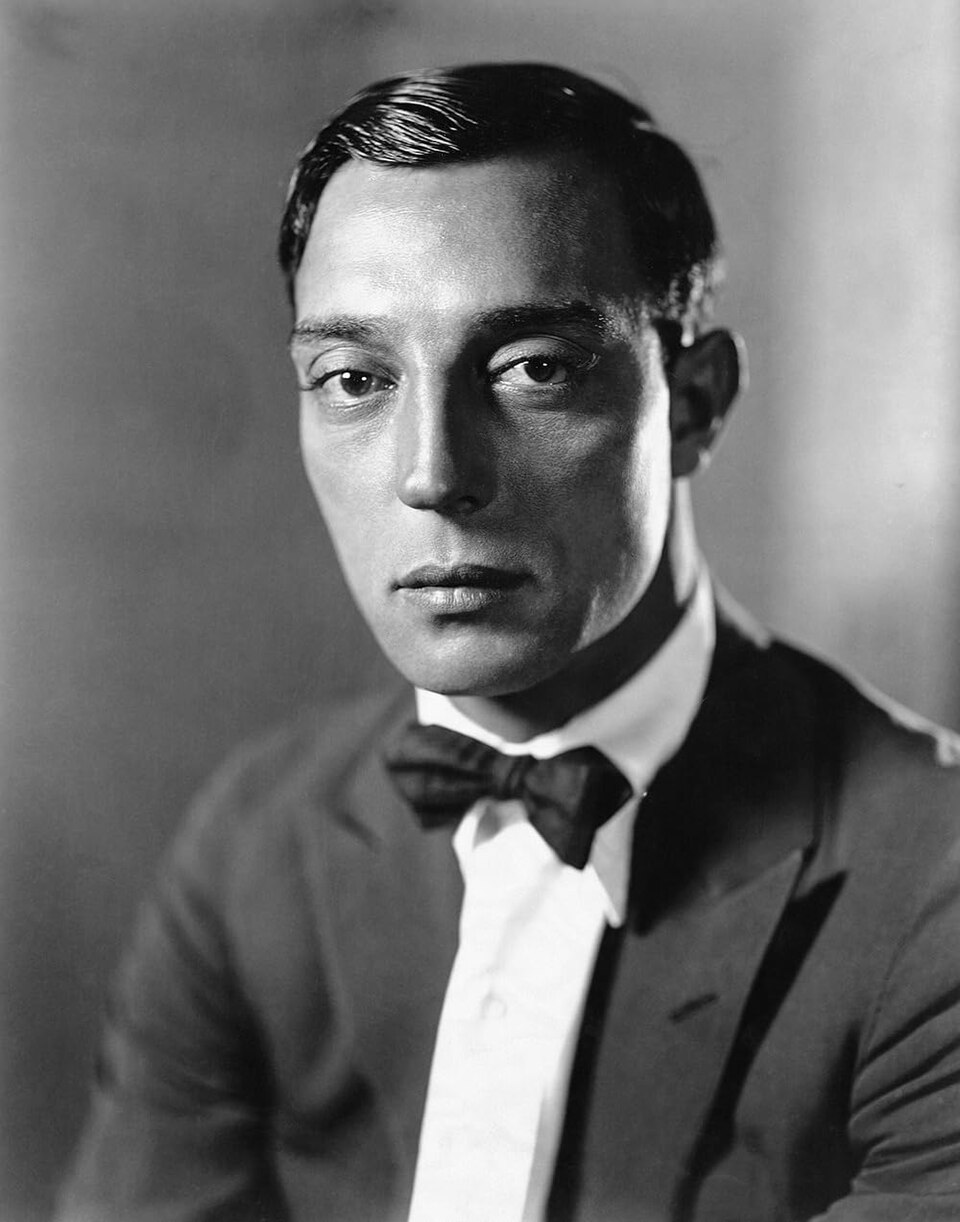
Buster Keaton
Filmmaker and comedian
He signed the contract everyone warned him against, lost his films, and came back as an anonymous gag writer.
3 documented failures

Bob Odenkirk
Comedian and actor
A decade of pilots that never aired and two films critics hated. He was forty-six when the three-episode part turned up.
3 documented failures
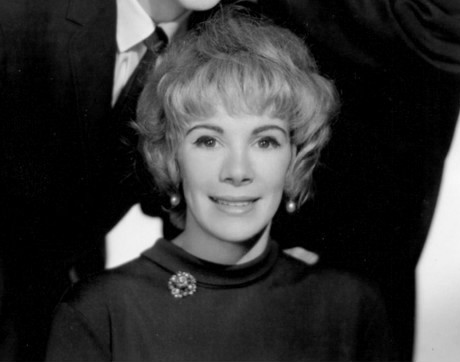
Joan Rivers
Comedy
Seven years of unpaid rooms and temp typing — then, as a last-minute replacement, Johnny Carson told her on air she was going to be a star.
3 documented failures

Lucille Ball
Actor and studio head
Her drama school told her she would not make it, two producers fired her from the chorus, and she made more than seventy-five films without becoming a major star.
8 documented failures