Buster Keaton
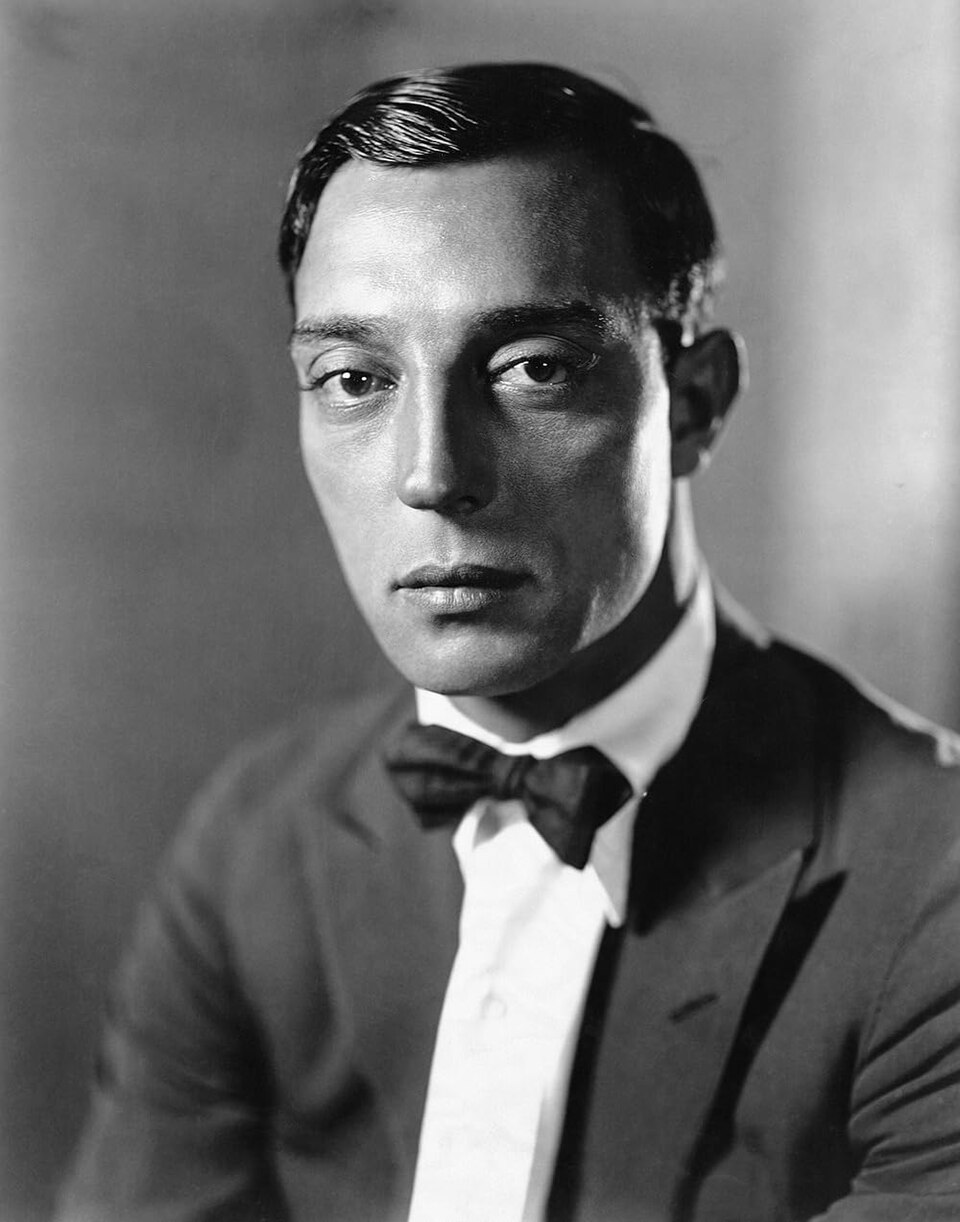
What failed
In 1928 he gave up his independent studio for a contract at a large one. Two of the biggest comedians alive told him not to. The studio wanted the star, not the filmmaker: it refused his ideas, forced stunt doubles on him, and blocked him from developing his own material. His marriage ended, he became alcoholic, and he was fired in 1933. He never headlined a Hollywood feature again. His three remaining starring roles were all made abroad on small budgets: Le Roi des Champs-Élysées in Paris in 1934, The Invader in England in 1935, and El Moderno Barba Azul in Mexico in 1946.
What happened next
He made cheap shorts, then lost that work too. In 1939 he went back to the studio that had fired him — as an uncredited gag writer. He worked steadily as a supporting player and gag man for the rest of his life and was presented with the 1959 honorary Academy Award in April 1960.
The point
The recovery was not a return to stardom. It was accepting a much smaller job doing the thing he was actually best at. Writing gags anonymously for someone else's picture is still writing gags.
The sequence
3 documented failures, shown with the successes in between. Every entry carries its own source — the wins are part of the record, and leaving them out is how these stories get distorted.
- 1928
Signs away his independence against the advice of Chaplin and Harold Lloyd.
- 1928
Finds the studio will not let him work his way. He later called it the worst business decision of his life.
- 1931
Makes the most profitable feature of his entire career, silent or sound.
- 1933
Fired. His career as a leading man is over.
- 1939
Returns to the studio that fired him as an uncredited gag writer.
- 1960
Is presented with the 1959 honorary Academy Award at the ceremony in April 1960.
Sources
- Buster Keaton (Wikipedia)
Keaton's career declined after 1928, when he signed with Metro-Goldwyn-Mayer and lost his artistic independence.
- Buster Keaton (Wikipedia)
In 1934, Keaton accepted an offer to make an independent film in Paris, Le Roi des Champs-Élysées; it was not released in the United States. During this period, he made another film in England, The Invader.
- Buster Keaton (Wikipedia)
He made his last starring feature, El Moderno Barba Azul (1946), in Mexico; the film was a low-budget production, and it may not have been seen in the United States until its release on VHS videotape in 1986, under the title Boom in the Moon.
Use the ← and → keys to move between entries.
Related failures
Others in comedy, and nearby.

Bob Odenkirk
Comedian and actor
A decade of pilots that never aired and two films critics hated. He was forty-six when the three-episode part turned up.
3 documented failures
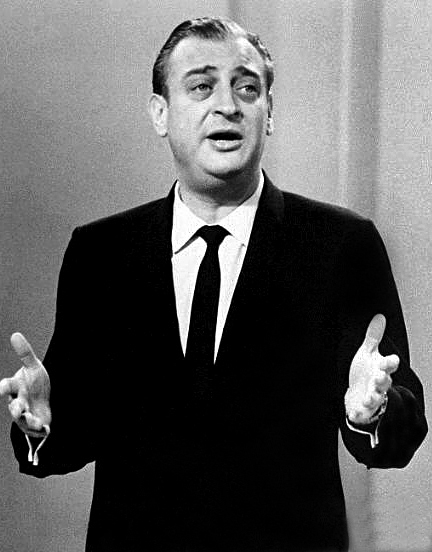
Rodney Dangerfield
Comedian
He quit comedy for about a decade to sell aluminium siding, then came back in his forties under a different name.
4 documented failures
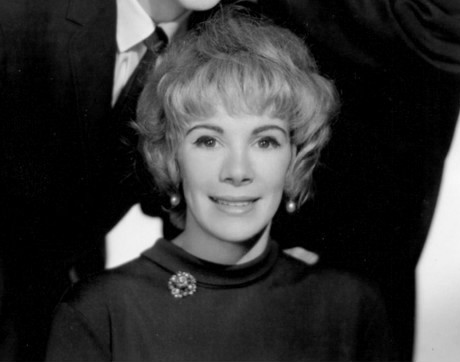
Joan Rivers
Comedy
Seven years of unpaid rooms and temp typing — then, as a last-minute replacement, Johnny Carson told her on air she was going to be a star.
3 documented failures

Lucille Ball
Actor and studio head
Her drama school told her she would not make it, two producers fired her from the chorus, and she made more than seventy-five films without becoming a major star.
8 documented failures