John Glenn
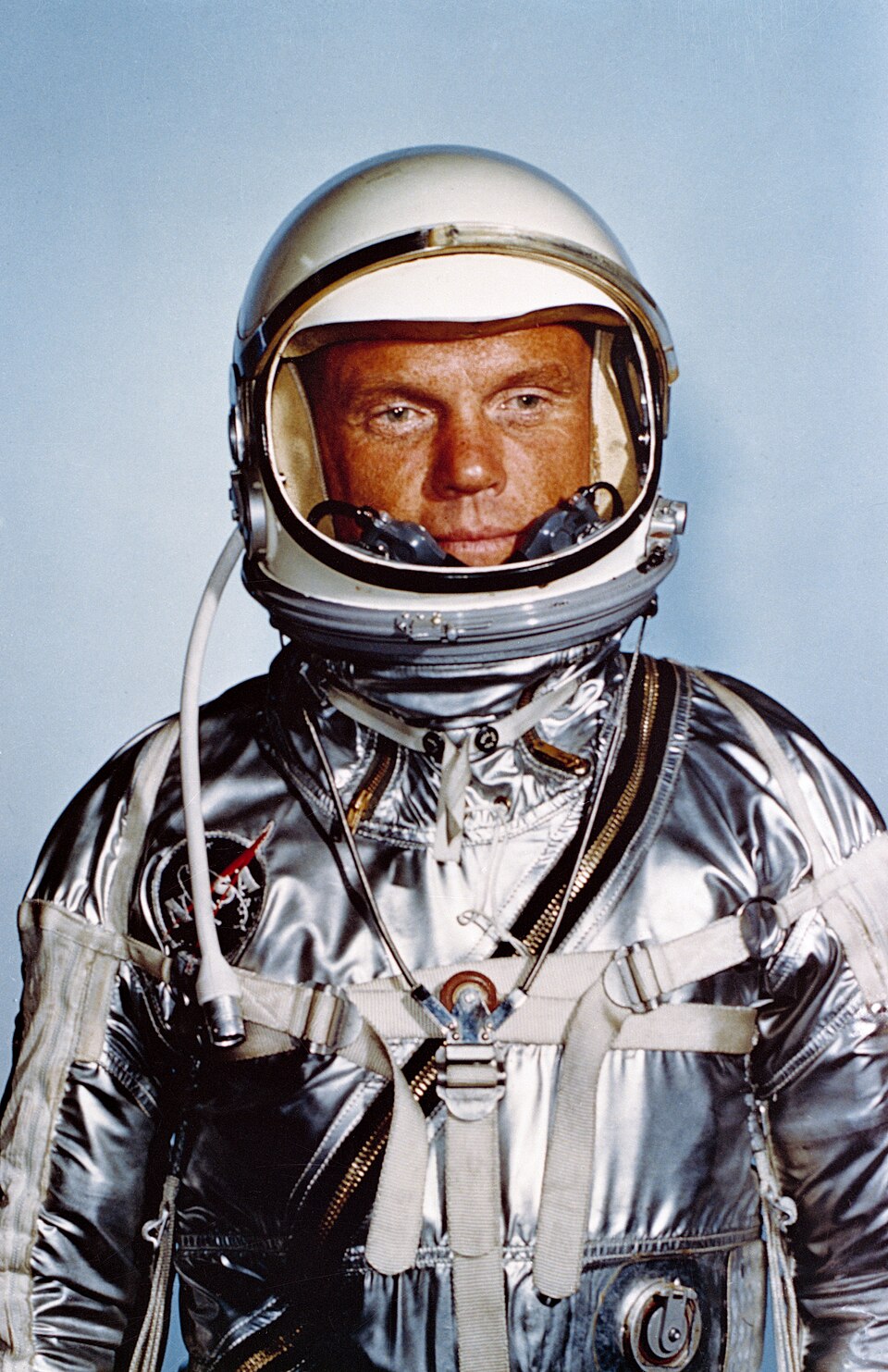
What failed
In February 1961 NASA named Alan Shepard prime pilot for the first American flight and made Glenn his backup. Shepard flew in May and Grissom in July, and Glenn's own planned suborbital flight was cancelled — which is what moved him onto the first orbital mission instead. He flew it in February 1962 and then did not fly again. He told NASA's oral history in 1997 that he kept asking when he would go back into the rotation and was told headquarters did not want it yet; that Robert Gilruth wanted him in training and management, and that the coming flights should go to men young enough for the lunar landings; and that only years afterwards did he learn, at second hand, that President Kennedy would just as soon he was not used again for a while. His own summary was that all this together, he never got a second flight. He left the Manned Spacecraft Center on 16 January 1964 at forty-two and announced for the Senate the next day. On 26 February a bathroom rug slipped under him in his Columbus apartment, he struck his head on the tub and concussed himself, doctors barred active campaigning, and he withdrew from the race at the end of March. He ran again in 1970 and lost a close Democratic primary to Howard Metzenbaum. When an Ohio Senate seat fell vacant in 1973 he asked for the appointment and the governor gave it to Metzenbaum. He delivered a keynote address at the 1976 Democratic convention that Walter Cronkite called dull, and Jimmy Carter chose Walter Mondale for vice president. He ran for the presidency in 1984, came fifth in the Iowa caucuses, and withdrew in March with a debt that took him more than a decade to settle.
What happened next
He beat Metzenbaum in the 1974 Democratic primary by about a hundred thousand votes and won the general election in November, carrying all 88 counties of Ohio at the age of fifty-three. He was re-elected in 1980 with the largest margin in Ohio history, returned for a third term in 1986, and won a fourth in 1992, becoming the first popularly elected senator from his state to win four consecutive terms; he served from 1975 to 1999. On 16 January 1998 NASA named him a payload specialist on STS-95, and he launched aboard Discovery on 29 October 1998 at seventy-seven, thirty-six years after Friendship 7. He died on 8 December 2016 at ninety-five.
The point
He was internationally famous at forty, and for twelve years the fame was not enough on its own. Between the Friendship 7 landing and his first election he withdrew from one race after falling in his bathroom, lost a close primary, and was refused an appointment he had asked for. Two years into the Senate a keynote speech left him marked as an uninspiring speaker, and the presidential run ended fifth in Iowa. The record shows a man who was very good at one thing very early, then spent a decade being told no in a second field before it worked, and thirty-six years before he flew again.
The sequence
9 documented failures, shown with the successes in between. Every entry carries its own source — the wins are part of the record, and leaving them out is how these stories get distorted.
- 1957
As project officer for the F-8U Crusader he flies Los Angeles to New York in 3 hours 23 minutes, the first transcontinental flight to average supersonic speed.
- 1959
Named on 9 April as one of seven Mercury astronauts chosen from 110 military test pilots, and the only Marine among them.
- 1961
On 21 February, Robert Gilruth tells the seven astronauts that Alan Shepard will fly first and Glenn will be his backup.
- 1961
His own planned suborbital flight, the third in the programme, is cancelled after Shepard and Grissom fly — which is what moves him onto the first orbital mission instead. It reads as a loss and was not one.
- 1962
Flies Friendship 7 on 20 February after eleven delays, becoming the first American to orbit the Earth.
- 1962-1964
He learns only years afterwards, and at second hand, that President Kennedy had said he would just as soon Glenn was not used again for a while. The popular version — that Kennedy permanently grounded a national asset — is more than Glenn said.
- 1964
He is judged too old for the lunar flights and resigns from the Manned Spacecraft Center on 16 January, announcing for the Senate the next day.
- 1964
On 26 February a bathroom rug slips under him in his Columbus apartment; he strikes his head on the tub and suffers a concussion that affects his inner-ear balance.
- 1964
Doctors bar active campaigning and he withdraws from the Senate race on 30 March, a month after announcing it. Supporters thought he might have won the primary without campaigning at all.
- 1964
The Ohio State archives date the withdrawal to 31 March; NASA gives 30 March and cites a New York Times report published on the 31st, so the archive date is most likely the newspaper's.
- 1970
Enters the Ohio Democratic primary again and loses a close race to Howard Metzenbaum, who was better funded and better organised.
- 1973
Asks to be appointed to the Ohio Senate seat vacated by William Saxbe; Governor Gilligan gives it to Metzenbaum instead.
- 1974
Beats Metzenbaum in the primary at the second attempt, by about a hundred thousand votes.
- 1974
Wins his first Senate term in November, carrying all 88 counties of Ohio.
- 1976
Delivers a keynote address at the Democratic convention that fails with the delegates; Carter picks Walter Mondale for the ticket.
- 1980
Re-elected to the Senate with the largest margin in Ohio history.
- 1983
Announces on 21 April at New Concord that he will seek the Democratic presidential nomination, and leads the early polls.
- 1984
Finishes fifth in the Iowa caucuses on 20 February, then trails Hart and Mondale in New Hampshire.
- 1984
Withdraws from the presidential race on 16 March, in debt and behind both Hart and Mondale.
- 1986
Ohio returns him for a third Senate term.
- 1991
The Senate Ethics Committee reports on the Keating Five in February, finding Glenn used poor judgment but clearing him of wrongdoing; he calls it the low point of his life.
- 1992
Defeats Mike DeWine after a bruising campaign and wins a fourth Senate term.
- 1998
Flies aboard Discovery on mission STS-95, launched 29 October, at seventy-seven and thirty-six years after Friendship 7.
Sources
- Mercury Seven Astronaut Biographies (NASA History)
On February 26, 1964, a bathroom rug slipped under him in his Columbus, Ohio, apartment, and Glenn fell, striking his head on the tub.
- John H. Glenn Jr., interviewed 25 August 1997 (NASA Johnson Space Center Oral History Project)
I didn't know until some years later that apparently President [John F.] Kennedy had said that he would just as soon I wasn't used again for a while, and I wasn't aware of that at the time.
- John H. Glenn (NASA)
He won his Senate seat in 1974, carrying all 88 counties of Ohio.
- John Glenn: Political Career (Ohio State University Libraries)
Termed dull by news commentator Walter Cronkite, Glenn's speech at the convention left him marked as an uninspiring public speaker.
- John Glenn: Biographical Sketch (Ohio State University Libraries)
He left the race saddled with a large campaign debt that took him more than a decade to settle.
- Former Senator and Astronaut John Glenn Dies at 95 (Roll Call)
In the 1976 presidential election, he was considered by Jimmy Carter for vice president, losing out to Walter Mondale.
- Mercury Seven Astronaut Biographies (NASA History)
On January 16, 1998, NASA Administrator Dan Goldin announced the appointment of John Glenn as a member of the crew of the Space Shuttle Discovery for mission STS-95, scheduled for October 29, 1998. He served as a payload specialist and a subject for basic research on how weightlessness affects the body of an older person.
Use the ← and → keys to move between entries.
Related failures
Others in military, and nearby.
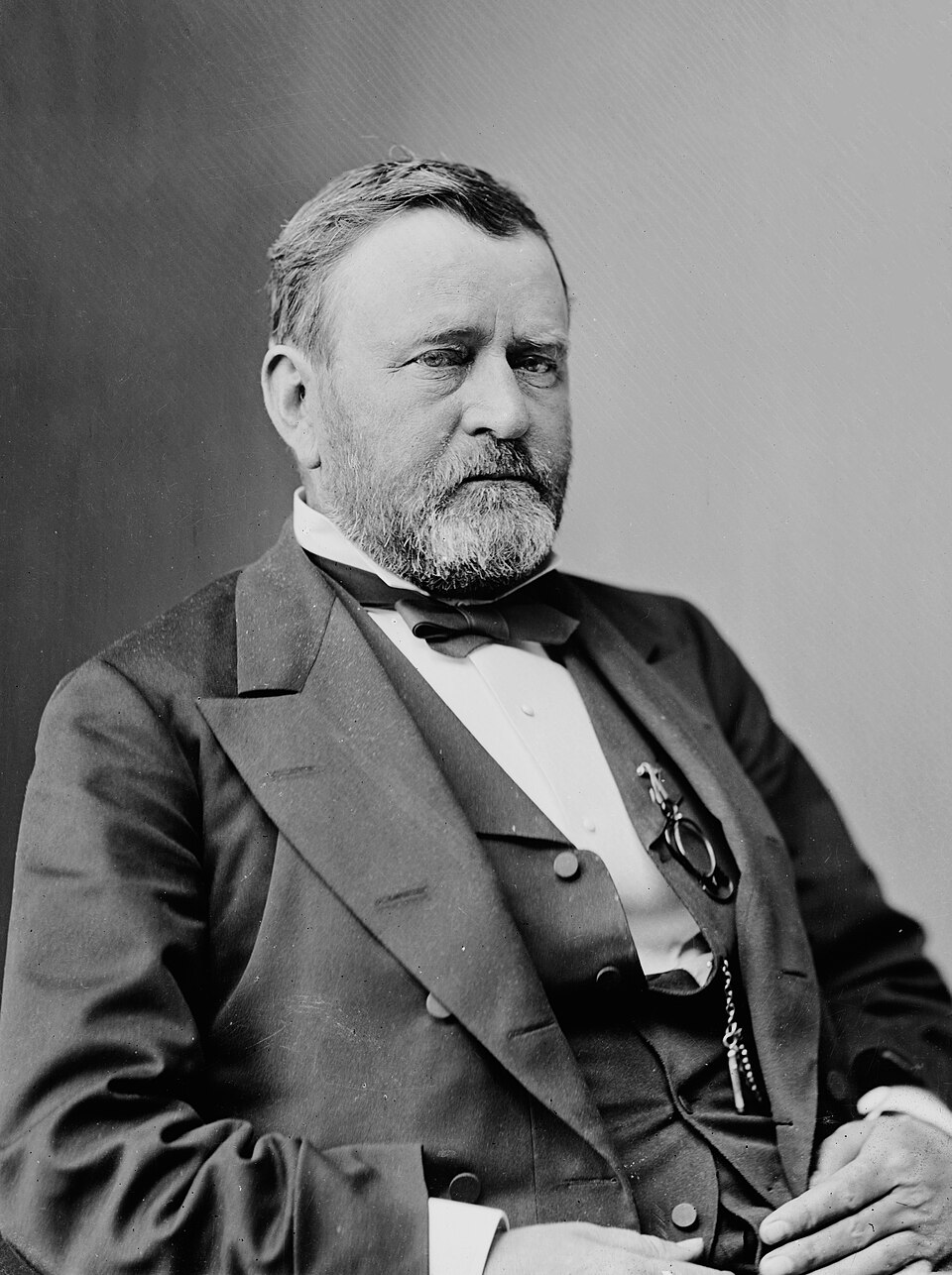
Ulysses S. Grant
Soldiering and politics
He sold firewood on street corners in worn-out clothes, and pawned his watch two days before Christmas.
7 documented failures
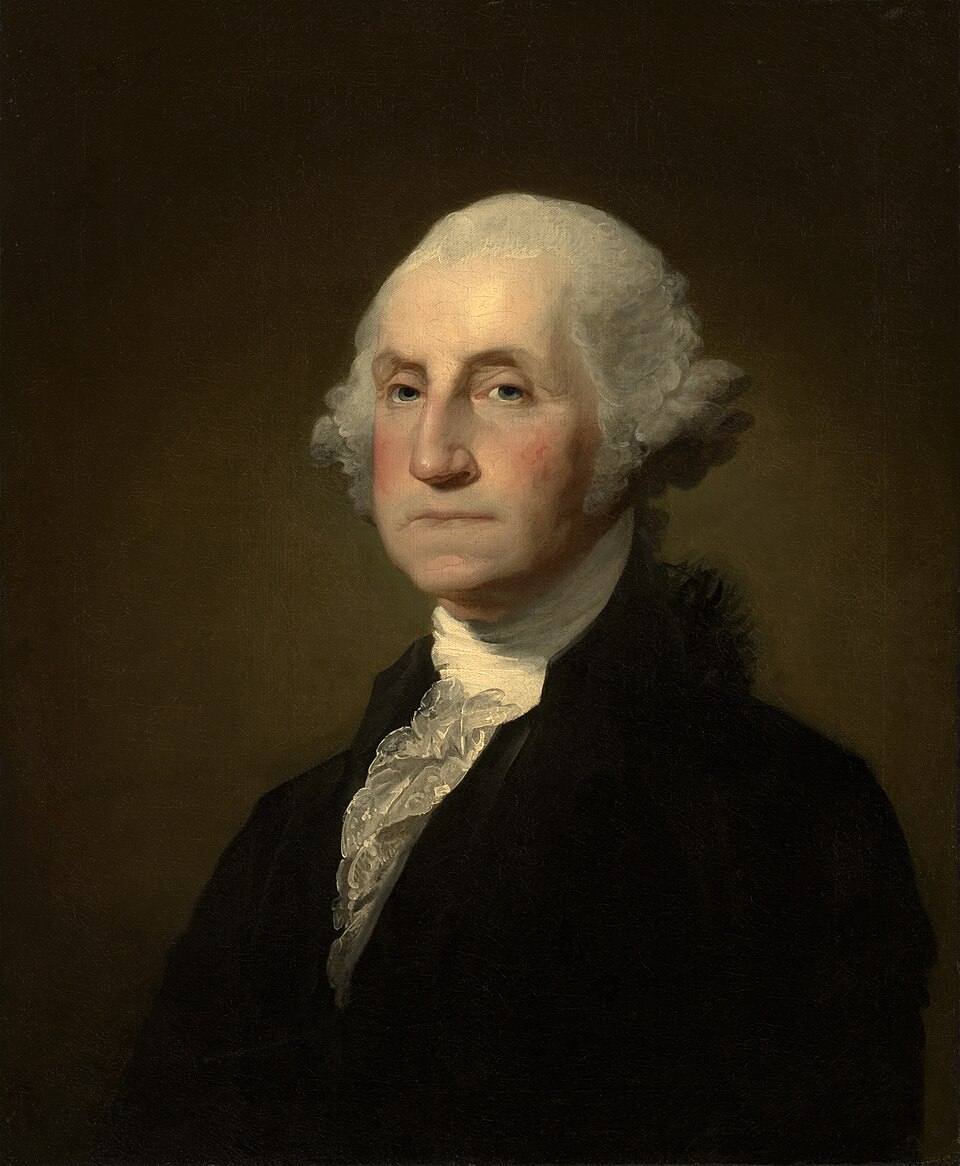
George Washington
Soldiering
He surrendered on his first independent command, and lost more battles than he won.
7 documented failures
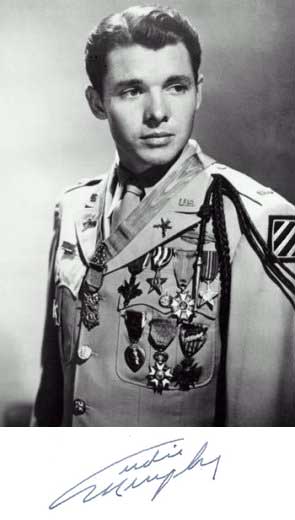
Audie Murphy
Soldiering
Turned away by the Marines for being too short, then by the paratroopers, then nearly sent to cookery school.
6 documented failures
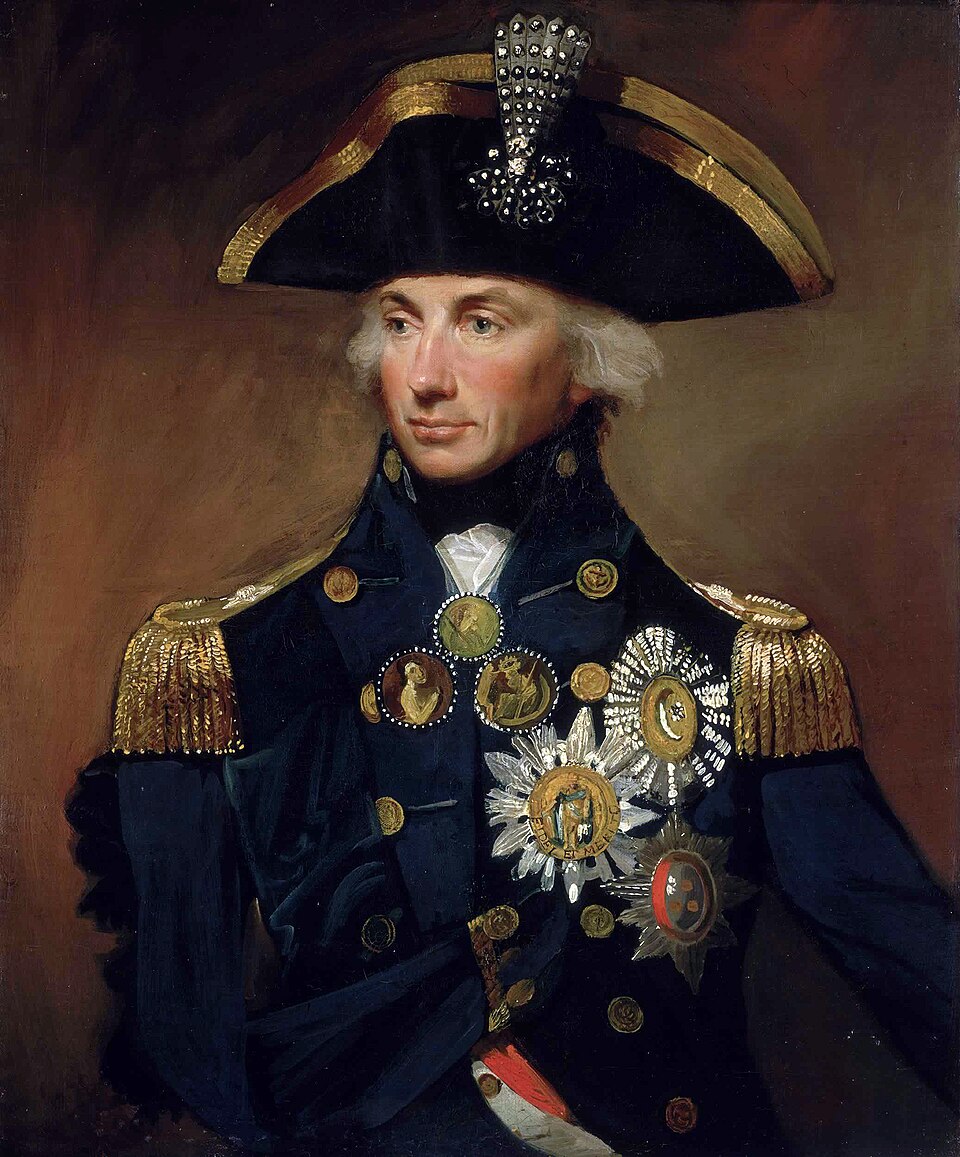
Horatio Nelson
Naval command
He lost the use of an eye, then an arm, then wrote that he was a burden to his friends and useless to his country.
5 documented failures