Hayao Miyazaki
What failed
He joined Toei Doga in 1963 as an in-between artist and spent his twenties on other people's films; the first he was closely involved in, The Great Adventure of Horus, Prince of the Sun, took among the worst box office in the studio's history on release in 1968. In 1971, having left Toei for A-Pro in the hope of making a Pippi Longstocking series, he travelled to Sweden to secure the rights, and the project collapsed after Lindgren would not meet them and permission was refused. He directed his first feature at thirty-eight, The Castle of Cagliostro in 1979, and it was not initially a box-office success. In 1980 he put two feature proposals to Tokuma Shoten, Warring States Demon Castle and an adaptation of Richard Corben's Rowlf, and both were rejected. In 1982 he began a film of Little Nemo and left after a few months over creative clashes with the producer, and in 1983, having failed to sell the idea that later became Princess Mononoke to several production companies, he published the concepts as a book instead.
What happened next
With no film in production he agreed to draw a manga for Animage, and the Nausicaä film that came out of it in 1984 succeeded and led to the founding of Studio Ghibli in June 1985. The studio's first two films produced no hit: Laputa: Castle in the Sky drew 774,271 viewers in 1986 and earned about two-thirds of what Nausicaä had, and My Neighbor Totoro, which Tokuma Shoten had already turned down once, received critical acclaim in 1988 but was only moderately successful at the box office. Kiki's Delivery Service in 1989 was the first Ghibli film to succeed on its initial release. Spirited Away won the Academy Award for Animated Feature, and The Boy and the Heron won him a second at eighty-three.
The point
Miyazaki's own account of the 1971 trip is about the fear of coming back with nothing: he said that if he returned empty-handed people would tell him he had gone all the way to Sweden and was good for nothing, so he had to get some results. He returned with nothing. Between 1963 and 1984 the record is two decades of work on other people's films, one feature of his own that was not a box-office success on release, and a run of proposals that no company would fund. The stretch was not empty of work he led: he directed twenty-four episodes of Future Boy Conan in 1978, and his first feature the year after.
The sequence
9 documented failures, shown with the successes in between. Every entry carries its own source — the wins are part of the record, and leaving them out is how these stories get distorted.
- 1968
The Great Adventure of Horus, Prince of the Sun, his first close involvement, takes among the worst box office in Toei's history.
- 1971
He flies to Sweden for the Pippi Longstocking rights. Lindgren pleads exhaustion and will not see them.
- 1971
Back in Japan he badgers his wife Akemi into resigning her job so that he can keep working on Pippi.
- 1971
Lindgren will not permit an animated version. The research is left unusable.
- 1971
The reason given on the Japanese side is not documented. The sources disagree: Wikipedia records only that permission was refused, while Clements finds no real evidence for the one Japanese account, a second-hand recollection that Lindgren thought Japanese animation too violent.
- 1977-1978
Chosen to direct his first television series, Future Boy Conan, at thirty-six. He directs 24 of its 26 episodes.
- 1979
His first feature, The Castle of Cagliostro, is not initially a box-office success.
- 1980
Both feature proposals put to Tokuma Shoten — Warring States Demon Castle and an adaptation of Richard Corben's Rowlf — are rejected.
- 1982
With no film work available, he draws a manga for Animage instead; Nausicaä of the Valley of the Wind begins serialisation in February.
- 1982
He starts a film of Little Nemo and leaves after a few months over creative clashes with the producer.
- 1983
No production company will take the project that becomes Princess Mononoke. He publishes the concepts as a book.
- 1984
The Nausicaä of the Valley of the Wind film succeeds, and its success leads to the founding of Studio Ghibli.
- 1985
Miyazaki and Takahata found Studio Ghibli on 15 June, as a subsidiary of Tokuma Shoten.
- 1986
Laputa: Castle in the Sky draws 774,271 viewers in a fourteen-day run and earns about two-thirds of what Nausicaä did.
- 1987
Turned down on My Neighbor Totoro once already, he struggles to get it commissioned again.
- 1987
Suzuki proposes putting Totoro out on a double bill with Takahata's Grave of the Fireflies, reckoning schools will take pupils to both.
- 1988
My Neighbor Totoro is released on 16 April. It is acclaimed and only moderately successful at the box office.
- 1989
Kiki's Delivery Service is the first Ghibli film to succeed on its initial release, four years after the studio was founded.
- 2003
Spirited Away wins the Academy Award for Animated Feature.
- 2003
He does not attend the 75th Academy Awards, in protest at the United States bombing Iraq.
- 2024
The Boy and the Heron wins him a second Academy Award for Best Animated Feature, at eighty-three.
Sources
- Hayao Miyazaki (Wikipedia)
With no films in production, Miyazaki agreed to develop a manga for the magazine, titled Nausicaä of the Valley of the Wind.
- The Phantom Pippi Longstocking (Jonathan Clements, All the Anime)
If I came back with nothing to show for it, people would say: ‘You went all the way to Sweden, and this is all you got!? You’re good for nothing!’ So I had to get some results.
- Panda! Go, Panda! (Wikipedia)
In 1971, Takahata, Miyazaki and Kotabe left the Toei Animation studio to join their fellow animator and mentor Otsuka at the A Productions studio, in hopes of creating an animated series based on Astrid Lindgren's Pippi Longstocking.
- Castle in the Sky (Wikipedia)
In its 14-day run in theaters, it attracted 774,271 viewers, earning an estimated ¥1.16 billion at the box office and ¥583 million from distribution rentals. This was only around two-thirds of the earnings made from Nausicaä, and Miyazaki and Suzuki expressed their disappointment with these figures.
- Hayao Miyazaki (Oscars.org, Academy of Motion Picture Arts and Sciences)
His 2001 feature, Spirited Away, won an Academy Award for Animated Feature.
Use the ← and → keys to move between entries.
Related failures
Others in film & television, and nearby.
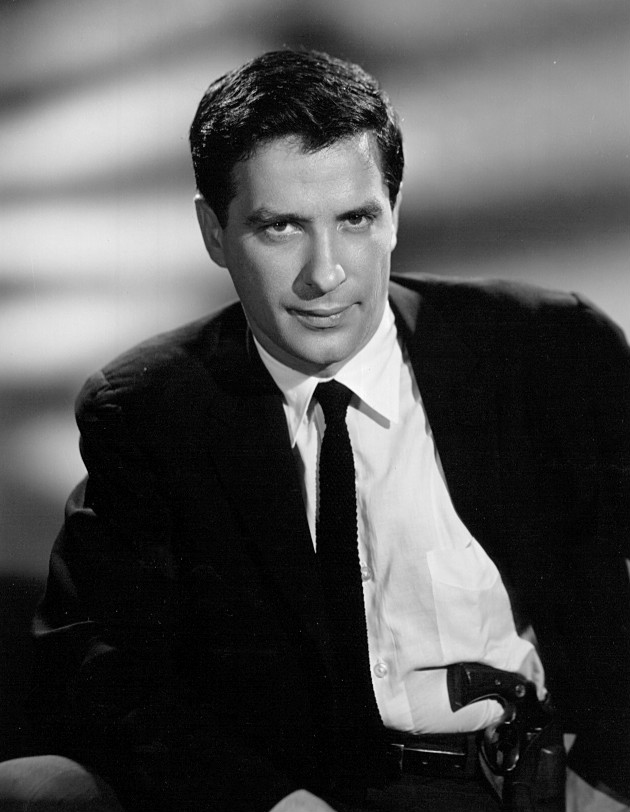
John Cassavetes
Filmmaker
Scrapped his own first film after the audience walked out.
2 documented failures

Oprah Winfrey
Broadcaster
Not fired. Moved to reading early-morning headline cut-ins in the same building — which was worse.
2 documented failures
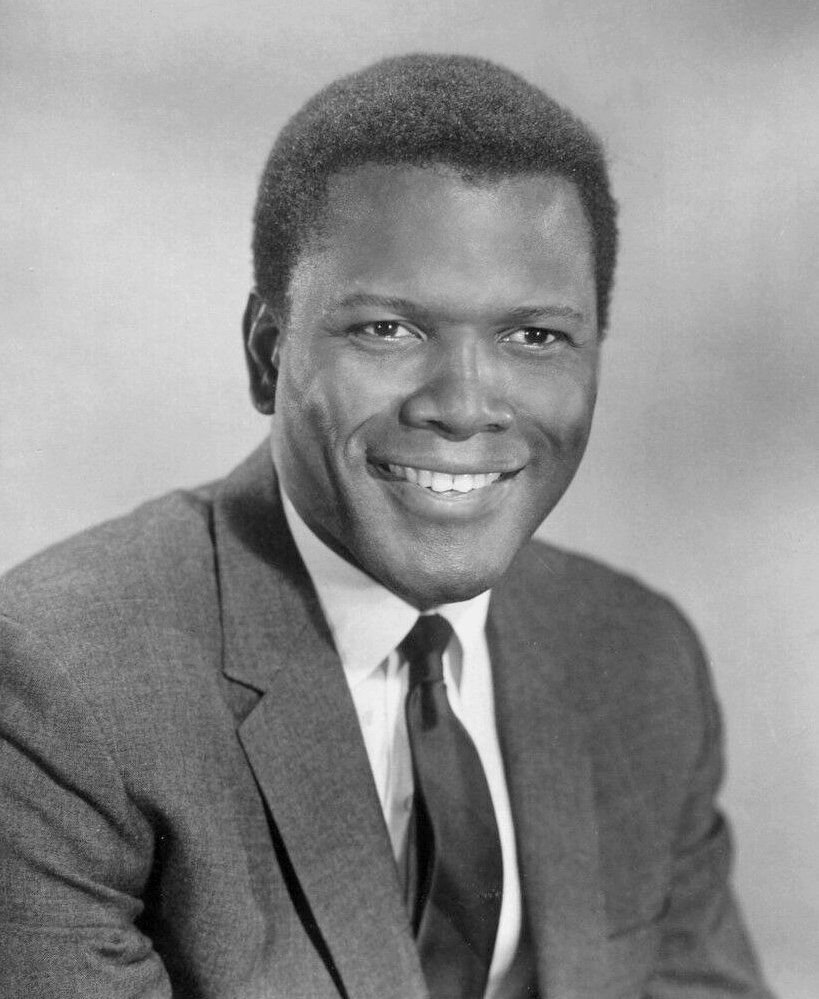
Sidney Poitier
Actor
Thrown out of his first audition by the collar. He came back and offered to be the janitor.
3 documented failures
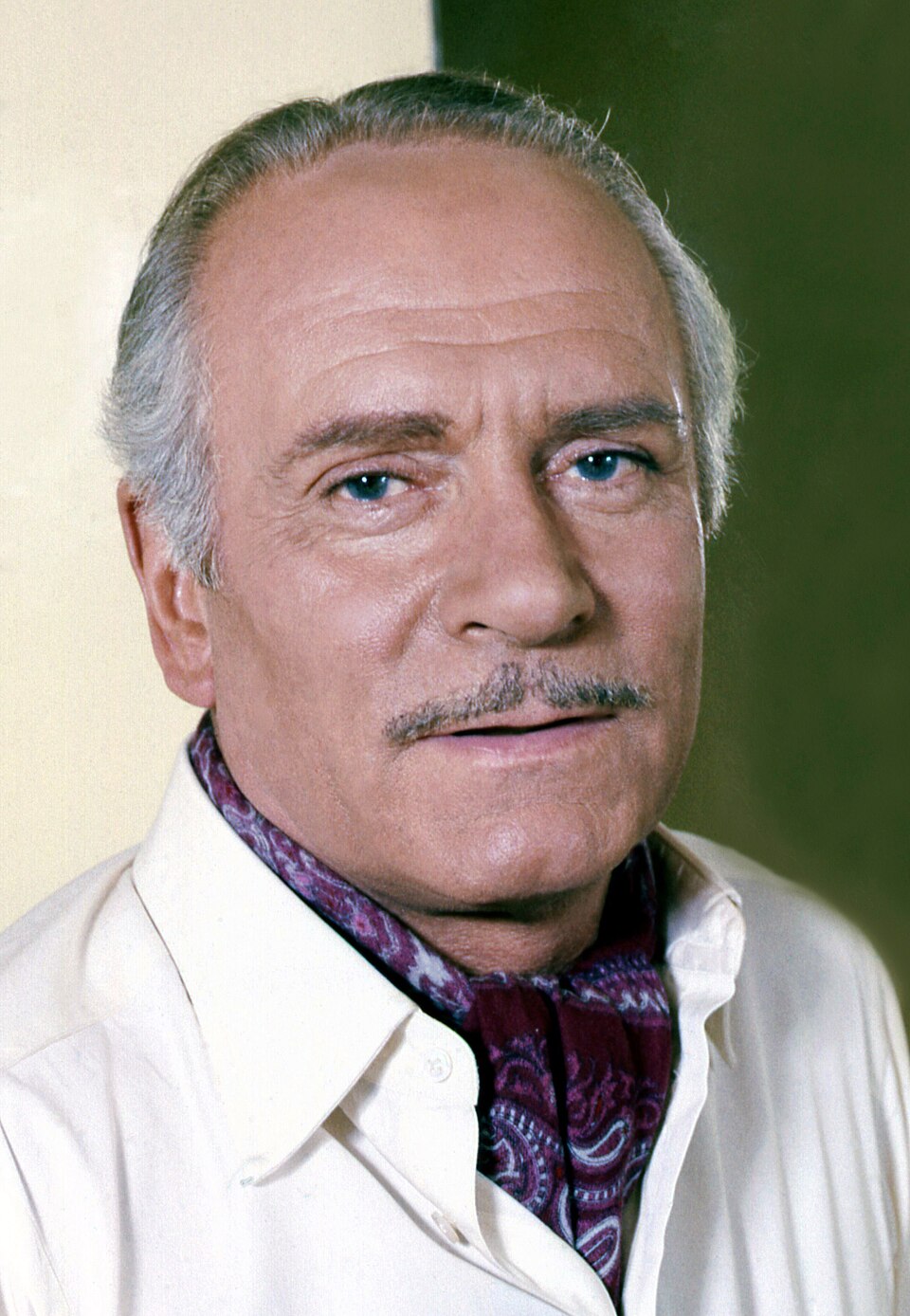
Laurence Olivier
Stage actor
He developed stage fright at fifty-seven and kept walking on stage anyway, terrified, for years.
2 documented failures