John Cassavetes
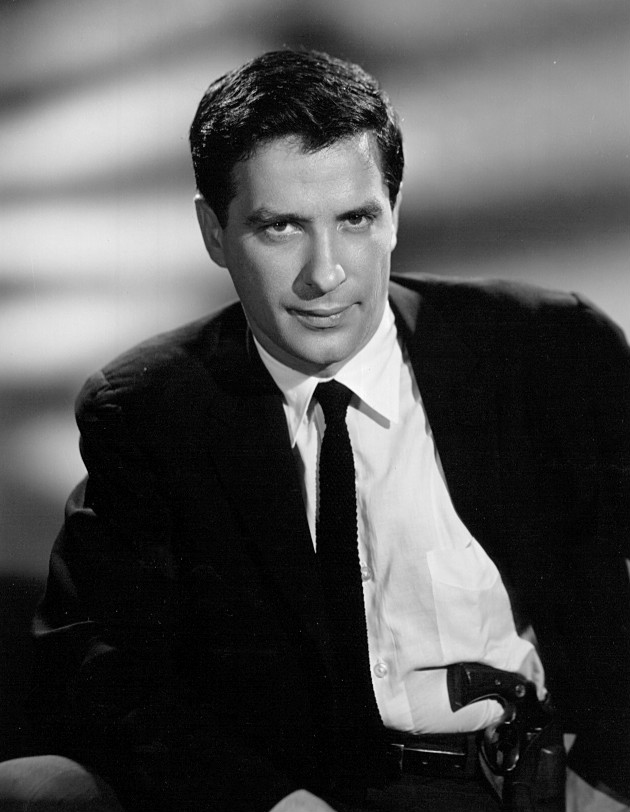
What failed
He screened the first cut of his debut in 1958 and the response was bad enough that he scrapped it. Some of the audience walked out. Later the producer Stanley Kramer fired him from A Child Is Waiting (1963) and recut it, and he made his next film, Faces (1968), with his own money.
What happened next
He cut roughly a third of the film, shot about forty minutes of new material, and released a substantially different version in 1959. Its American box office was slight, and he spent the rest of his career funding his own films by acting in other people's.
The point
He treated the failed screening as information about the cut rather than a verdict on the film. Over the following year he reshot and re-edited it, and released a substantially different version.
The sequence
2 documented failures, shown with the successes in between. Every entry carries its own source — the wins are part of the record, and leaving them out is how these stories get distorted.
- 1958
The first version of Shadows is shown, and the audience walks out.
- 1958
The reception is poor enough that he abandons the cut.
- 1959
He cuts about a third of the first version and shoots about forty minutes of new material.
- 1960
The second version wins the Critics Award at Venice.
Sources
- Shadows: the two versions (Ray Carney, Boston University)
Cassavetes went on to say that he was so dissatisfied with the audience response that he decided he would have to reshoot and re-edit much of the film if he ever intended to release it.
- John Cassavetes (Britannica)
Most of his films were painstakingly made over many months or years and were financed by Cassavetes's acting.
- A Child Is Waiting (Wikipedia)
Cassavetes felt that his personal feelings about the subject matter added to his disagreements with Kramer, who eventually fired him and recut the film.
- John Cassavetes (Wikipedia)
Faces (1968) was the second film to be both directed and independently financed by Cassavetes.
Use the ← and → keys to move between entries.
Related failures
Others in film & television, and nearby.

Oprah Winfrey
Broadcaster
Not fired. Moved to reading early-morning headline cut-ins in the same building — which was worse.
2 documented failures
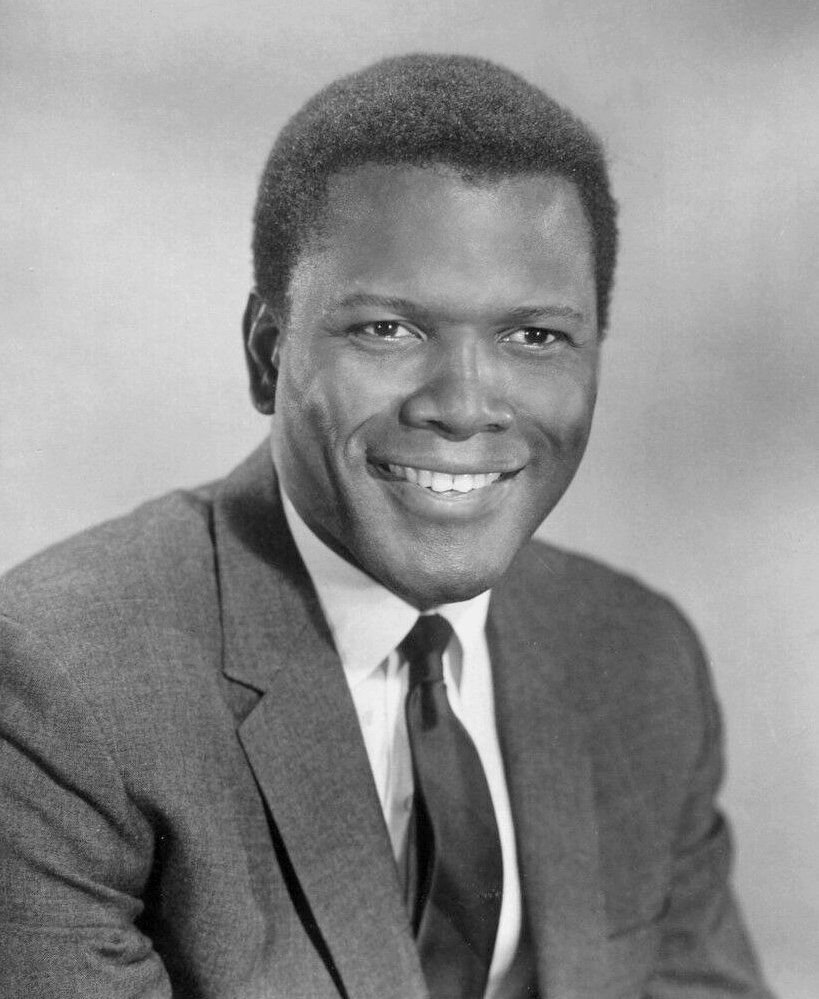
Sidney Poitier
Actor
Thrown out of his first audition by the collar. He came back and offered to be the janitor.
3 documented failures
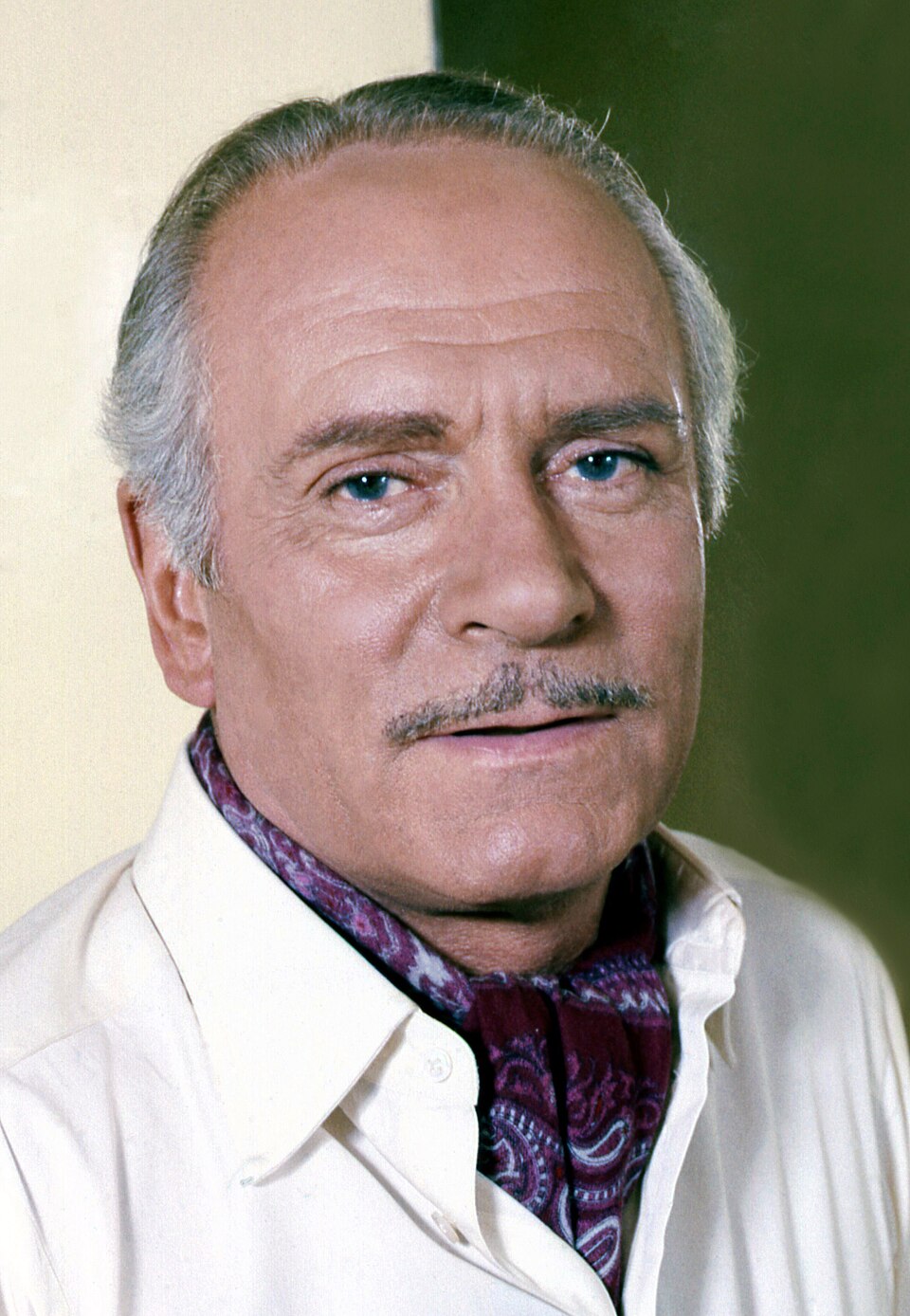
Laurence Olivier
Stage actor
He developed stage fright at fifty-seven and kept walking on stage anyway, terrified, for years.
2 documented failures

Ann Dowd
Character actress
Before Aunt Lydia in The Handmaid's Tale: the best reviews of her life, a hundred dollars a day, and a distributor that would not spend a cent. She put it on a credit card and did not get the nomination.
3 documented failures