Giuseppe Verdi
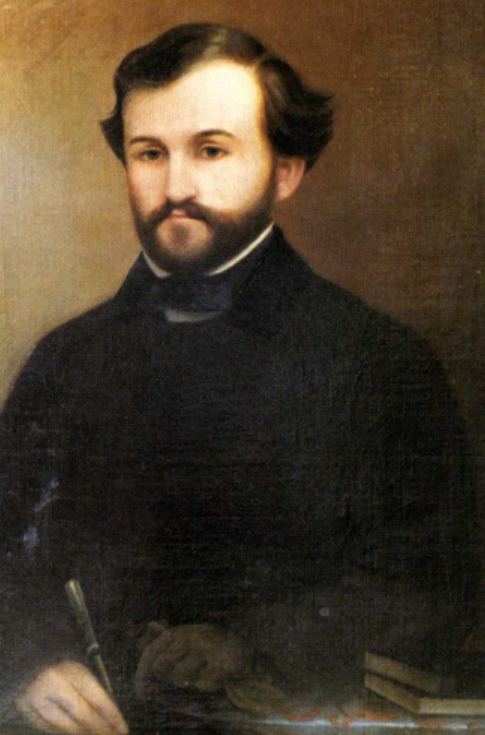
What failed
He sat the Milan Conservatory entrance examination in 1832 and was not admitted. He was eighteen, four years over the institution's admission age of fourteen, and a subject of the Duchy of Parma rather than of Lombardy-Venetia, which counted him as a foreigner. On top of those bars, the commission's report of 2 July recorded that the piano master Angeleri found his hand position would have to change and that at eighteen that would be difficult, and that with attentive and patient study of the rules of counterpoint he could direct the imagination he plainly had and succeed at composition. In mid-1834 he tried for his old teacher's vacant post in Busseto and did not get that either. His daughter Virginia died in August 1838, his son Icilio in October 1839, and his wife Margherita of encephalitis on 18 June 1840, aged twenty-six, while he was writing his second opera. Un giorno di regno opened at La Scala on 5 September 1840; the theatre cancelled the remaining scheduled performances and, by most accounts, did not stage the work again until 2001, though it was revived elsewhere — in Venice as Il finto Stanislao in 1845, and at Parma in 1963.
What happened next
Un giorno di regno had been the first of the three operas Merelli commissioned after Oberto, and Merelli still held him to the two that remained. He gave the composer a libretto by Temistocle Solera that Otto Nicolai had refused. Nabucco was finished by the autumn of 1841 and opened at La Scala on 9 March 1842, its first run held to eight performances because the season was ending. At the autumn revival that year it was given 57 performances, still the most La Scala has given any opera in a single year. He did not attempt another comedy until Falstaff, fifty-three years later.
The point
The failures and the successes here are not in separate phases. Oberto had already been given thirteen further performances at La Scala and won him a contract for three further operas before Un giorno di regno was cancelled there after one night, and the conservatory had turned him down seven years before Oberto opened. What the record shows is a man whose worst professional year arrived directly after his best, and who in old age recounted it as one continuous stretch of disaster.
The sequence
3 documented failures, shown with the successes in between. Every entry carries its own source — the wins are part of the record, and leaving them out is how these stories get distorted.
- 1829
Ferdinando Provesi, his teacher in Busseto, declares he has nothing further to teach him.
- 1832
Sits the preliminary entrance examination for the Milan Conservatory and does not pass it.
- 1832
He is four years over the conservatory's admission age of fourteen and, as a subject of the Duchy of Parma, counts as a foreigner.
- 1832
The report of 2 July, drawn up by the commission's president Francesco Basily, gives the musical reasons: the piano master Angeleri found his hand position would need changing, which at eighteen would be difficult, and the counterpoint master Piantanida judged that with attentive and patient study of the rules of counterpoint he could direct the imagination he plainly had and succeed at composition.
- 1832
Barezzi arranges private lessons instead, with Vincenzo Lavigna, formerly maestro concertatore at La Scala.
- 1834
Applies for Provesi's former post in Busseto and is unsuccessful; takes the secular post of maestro di musica instead.
- 1838-1839
Both his children die: Virginia on 12 August 1838, Icilio on 22 October 1839.
- 1839
Oberto, his first opera, opens at La Scala on 17 November, twenty-six days after Icilio's death.
- 1839
The run brings thirteen further performances, and Merelli offers him a contract for three more operas.
- 1840
Margherita Barezzi dies of encephalitis on 18 June, aged twenty-six, while he is at work on Un giorno di regno.
- 1840
Un giorno di regno, the first of the three commissioned operas, is given at La Scala on 5 September; the theatre cancels the remaining scheduled performances and, by most accounts, does not stage it again until 2001.
- 1840
He is said to have vowed never to compose again. The sources disagree: the vow is reported as a claim rather than a fact, and Verdi's own Sketch has Merelli talking him back into writing an opera.
- 1841
Merelli gives him Temistocle Solera's libretto for Nabucodonosor, which Otto Nicolai had turned down; the score is complete by autumn.
- 1842
Nabucco opens at La Scala on 9 March; the first run is limited to eight performances only because the season is ending.
- 1842
The autumn revival at La Scala runs to 57 performances, unprecedented and never later equalled, and within three years the opera reaches Vienna, Lisbon, Barcelona, Berlin, Paris and Hamburg.
- 1844-1853
For roughly a decade after Nabucco and I Lombardi he premieres almost nothing at La Scala; Porter records that he never forgave Milan for the reception of Un giorno di regno.
- 1879
Dictates the Autobiographical Sketch to his publisher Giulio Ricordi. It is the leading source for his early career and the origin of most of the failure story, and the sources disagree about how far to trust it: written with hindsight, it is not always reliable on contentious matters.
- 1893
Falstaff, his second comedy, opens at La Scala on 9 February — fifty-three years after the first one closed there.
Sources
- Giuseppe Verdi — Wikipedia
Following its failure, it is claimed Verdi vowed never to compose again, but in his Sketch he recounts how Merelli persuaded him to write a new opera.
- Giuseppe Verdi — Wikipedia (Italian)
il Sig.r Angeleri Maestro di Pianoforte trovò, che il sud.o Verdi, avrebbe bisogno di cambiare posizione della mano, locché disse, attesa l'età di 18 anni si renderebbe difficile
- Nabucco — Wikipedia
The duration of 38 years since the event may have led to a somewhat romanticized view; or, as Verdi scholar Julian Budden writes: "he was concerned to weave a protective legend about himself [since] it was all part of his fierce independence of spirit."
- Milan Conservatory — Wikipedia
In the decades that followed, the Milan Conservatory would vie for the honour of bearing his name, but Verdi refused, and it was not until the composer's death that the renaming became possible.
- Verdi, Un giorno di regno — Critical Edition, Casa Ricordi
His wife, Margherita Barezzi, died suddenly less than three months before the premiere performance, and the couple had lost both of their children during the previous two years. Biographers came to blame the fiasco of the opera on those circumstances and have long regarded it as an unfortunate parenthesis in Verdi’s career.
- Aida's Composer – Giuseppe Verdi (Utah Symphony | Utah Opera)
In that biographical sketch of 1879 Verdi tells us that in the summer of 1840, when he would have been composing this comic opera, his wife and children died. But his daughter had died in 1838 in Bussetto, while Icilio died during rehearsals for Oberto. What is true is that in June of 1840 Margherita died.
Use the ← and → keys to move between entries.
Related failures
Others in music, and nearby.
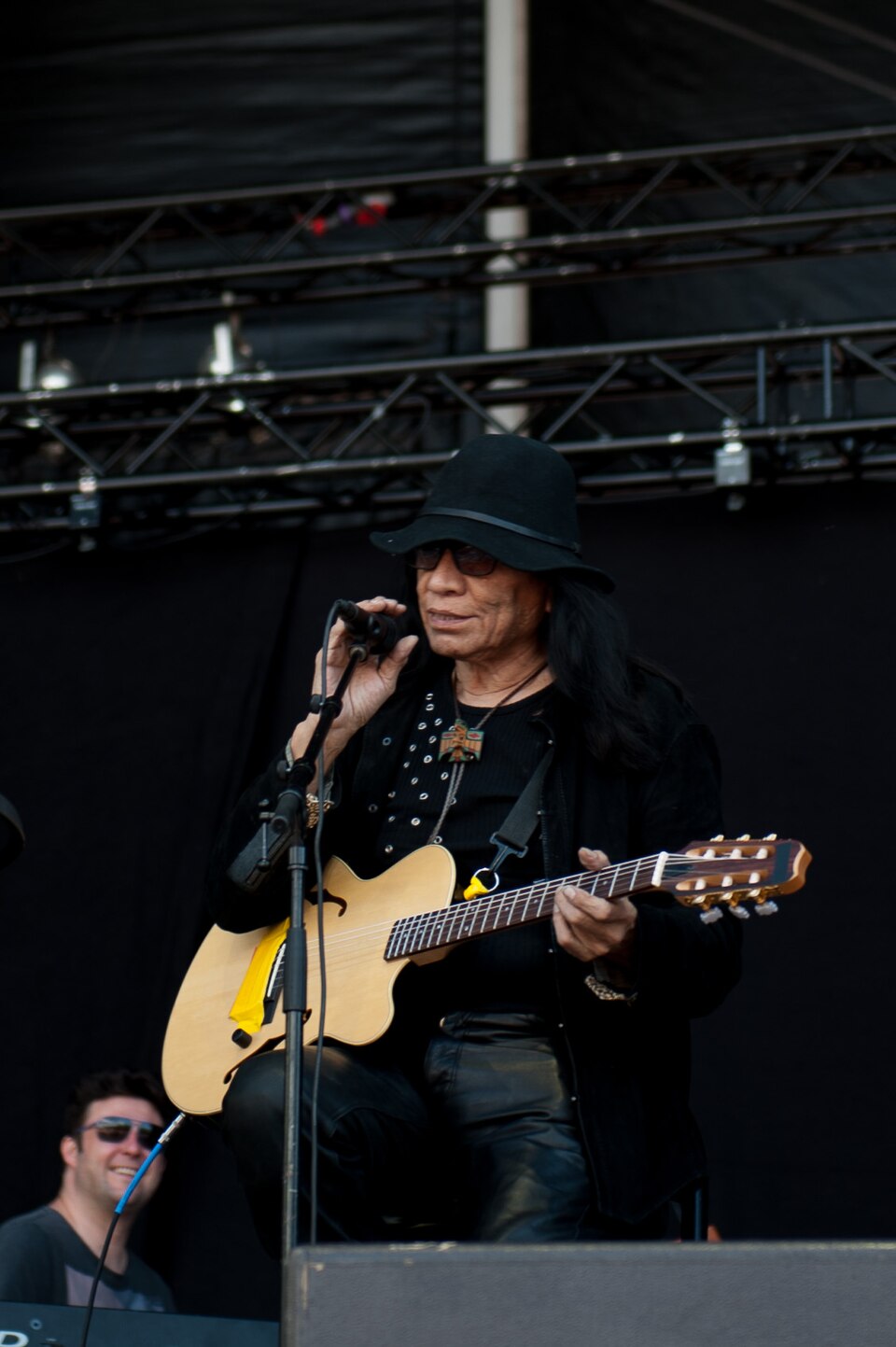
Sixto Rodriguez
Singer-songwriter
Dropped by his label, working demolition — and a star in countries he had never visited.
2 documented failures
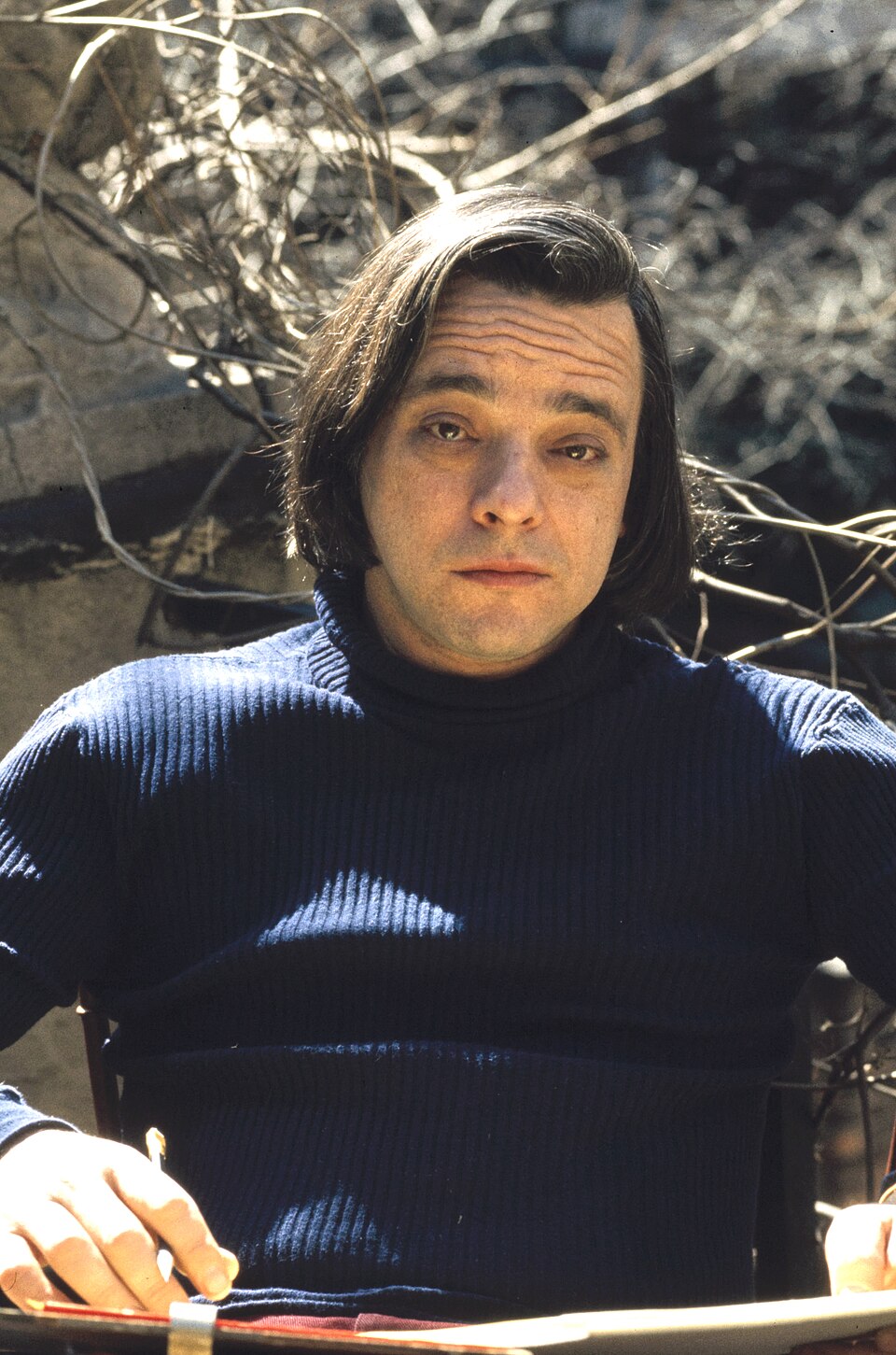
Stephen Sondheim
Composer-lyricist
Closed after sixteen performances in 1981. In 2024 it won the Tony for Best Revival.
3 documented failures
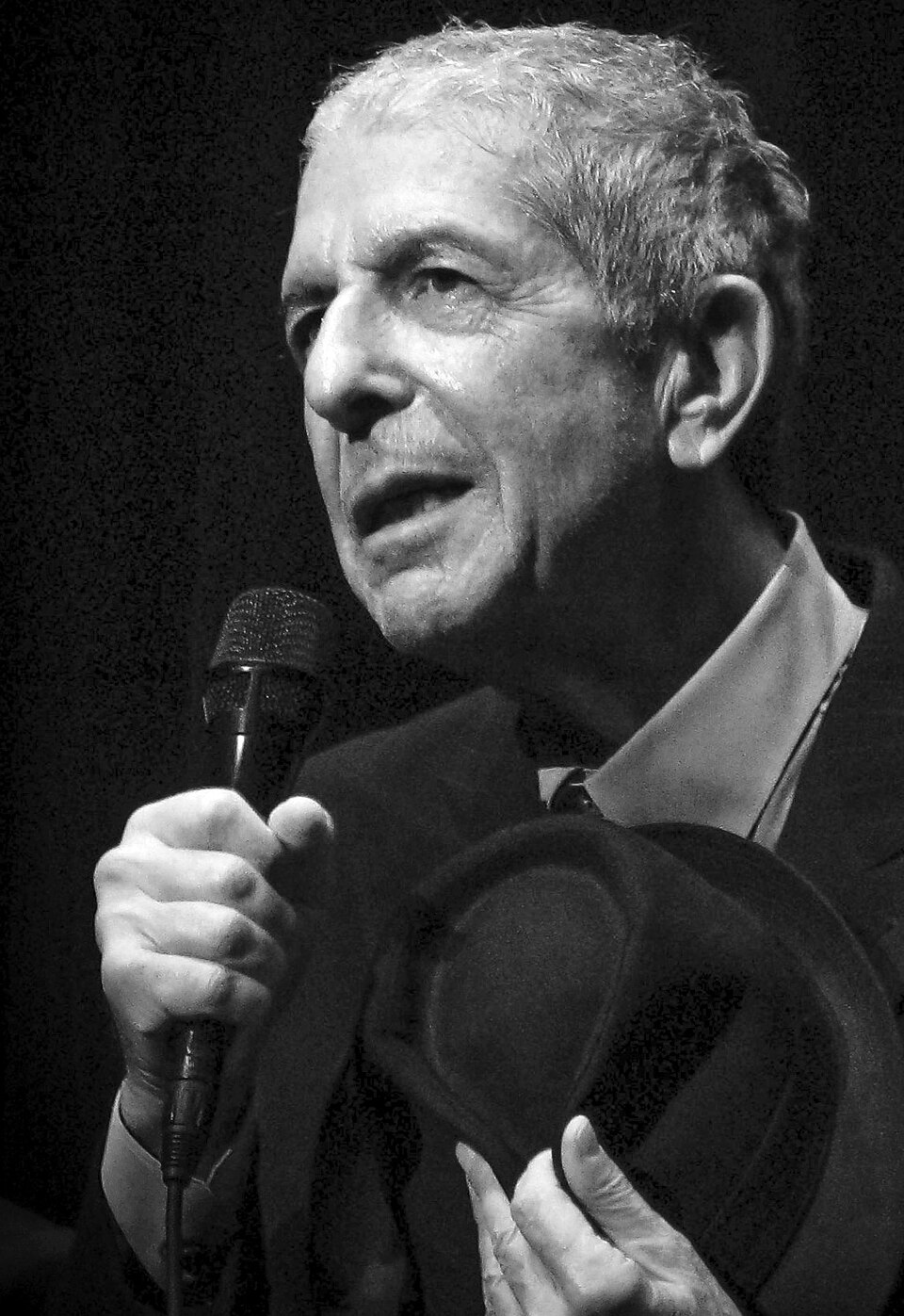
Leonard Cohen
Songwriter and poet
His own label refused to release the album with Hallelujah on it.
3 documented failures
Charley Pride
Country singer
He failed at his first career in front of scouts, then signed a record deal at thirty-one.
2 documented failures