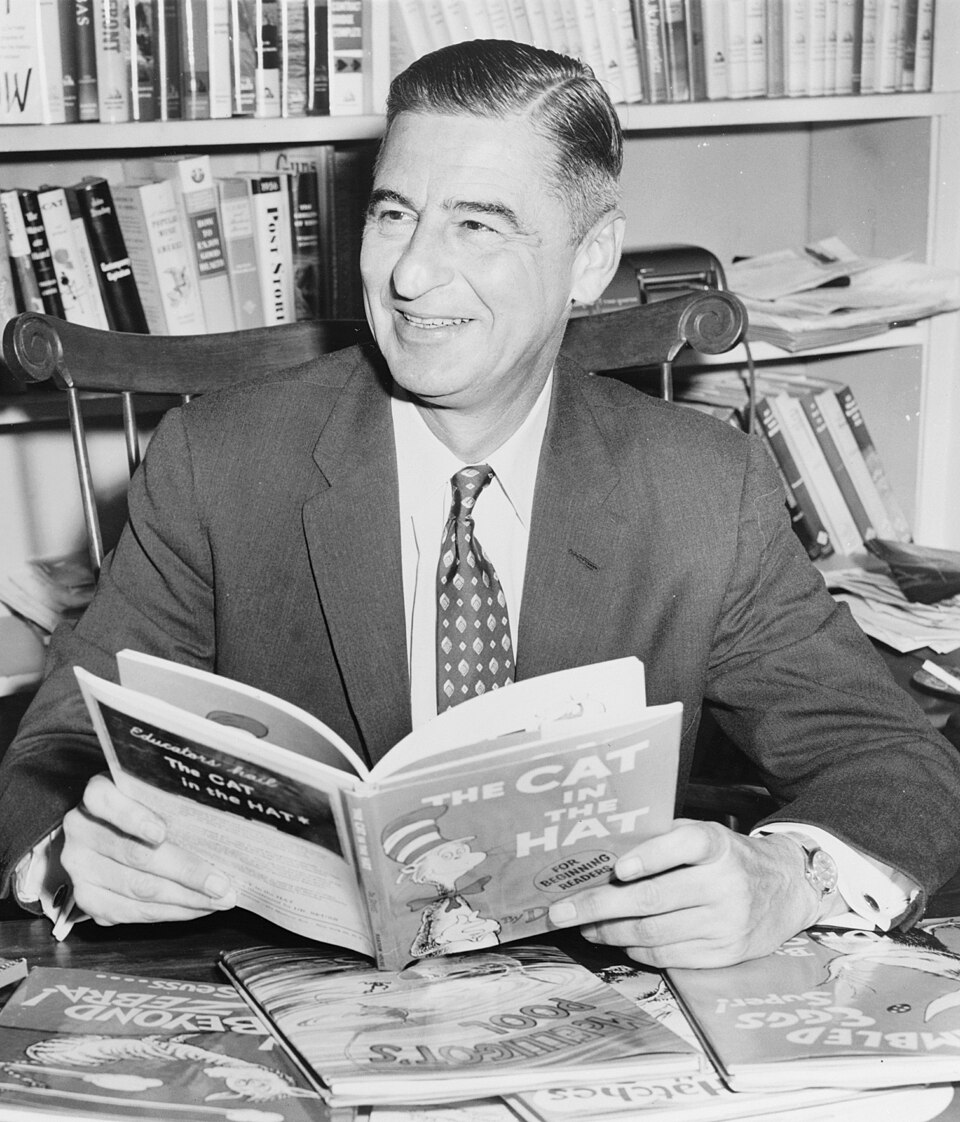
Theodor Seuss Geisel
What failed
His first children's book was rejected by publisher after publisher in 1936 and 1937. The tidy figure of twenty-seven rejections is not reliable: he gave the number as 20, 26, 27, 28 and 29 in different tellings, and another account puts it at 43. The honest version is twenty to thirty by his own tellings, and higher by one critic's.
What happened next
By his own account he was walking down a New York street after the latest rejection, intending to burn the manuscript, when he ran into a former classmate who had that day become juvenile editor at a publishing house. They published it.
The point
The rejection count is a bad statistic and the ending was luck. What he controlled was still having the manuscript in his hand on that street.
The sequence
2 documented failures, shown with the successes in between. Every entry carries its own source — the wins are part of the record, and leaving them out is how these stories get distorted.
- 1937
Publisher after publisher turns down his first children's book. He never gave a consistent count.
- 1937
A critic later put the figure higher still.
- 1937
After the latest rejection he walks down Madison Avenue intending to burn the manuscript.
- 1937
By his account, the classmate told him he had been appointed juvenile editor at Vanguard Press that morning.
- 1937
And to Think That I Saw It on Mulberry Street is published by Vanguard Press.
Sources
- And to Think That I Saw It on Mulberry Street (Wikipedia)
Geisel claimed, in varying accounts, that the manuscript was rejected by 20, 26, 27, 28, and 29 publishers. Alison Lurie later reported that 43 publishers had rejected the book.
- Words and Pictures Married: The Beginnings of Dr. Seuss (Dartmouth Alumni Magazine, April 1976)
He said, "This morning I was appointed juvenile editor of Vanguard Press, and we happen to be standing in front of my office; would you like to come inside?"
Use the ← and → keys to move between entries.
Related failures
Others in writing, and nearby.
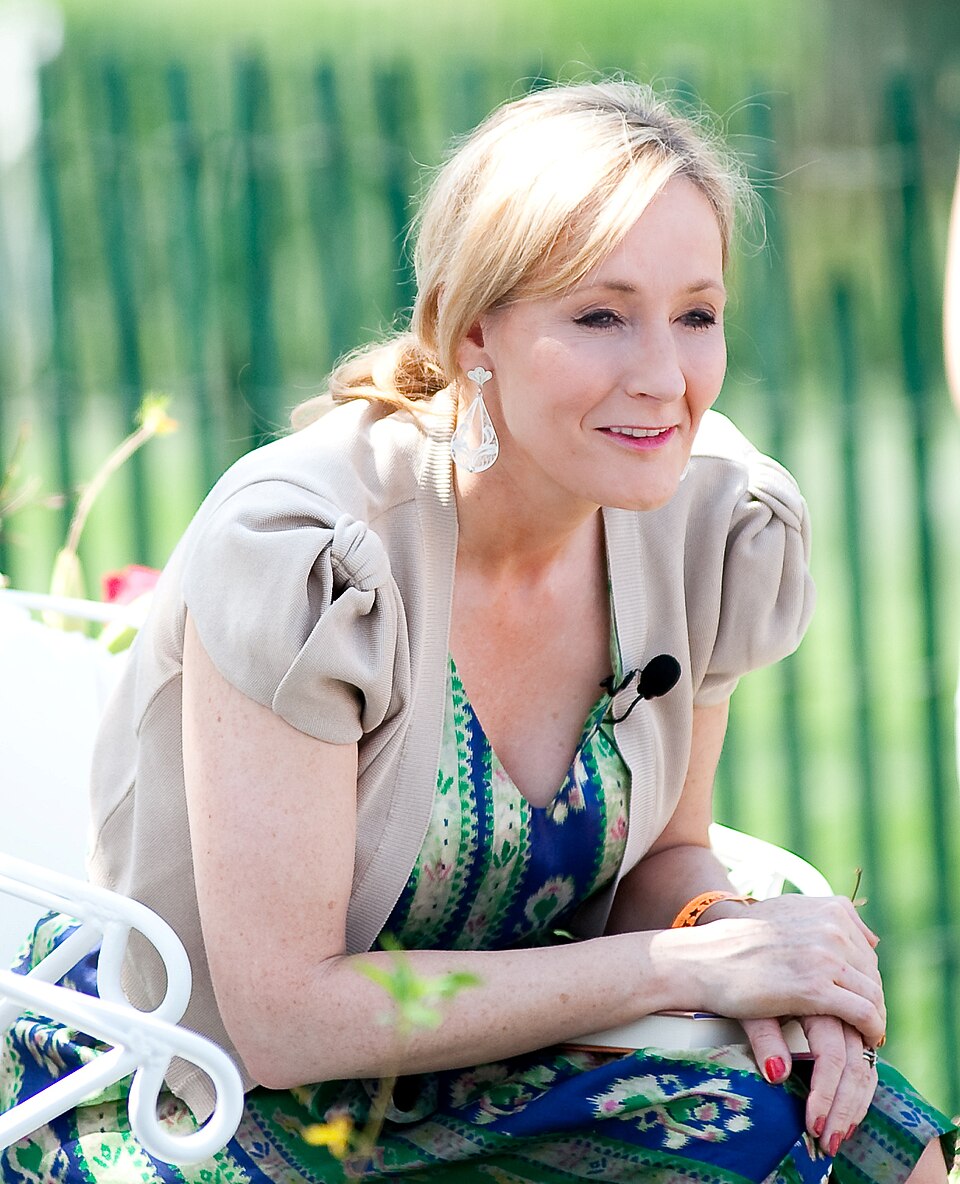
J.K. Rowling
Novelist
Turned down by more or less every major publisher in Britain, over about a year, while on state benefits.
4 documented failures
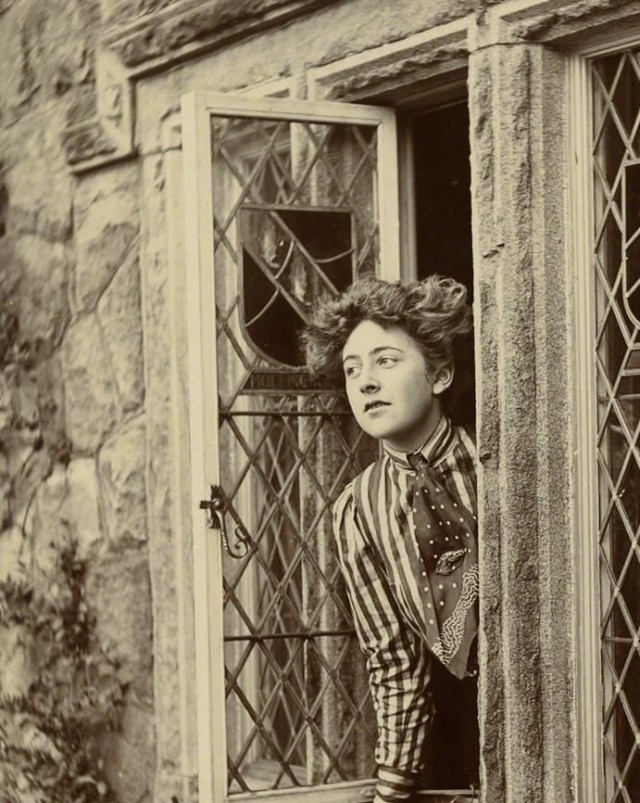
Agatha Christie
Novelist
Told her voice would never be strong enough for opera. Her first novel was never published at all.
5 documented failures
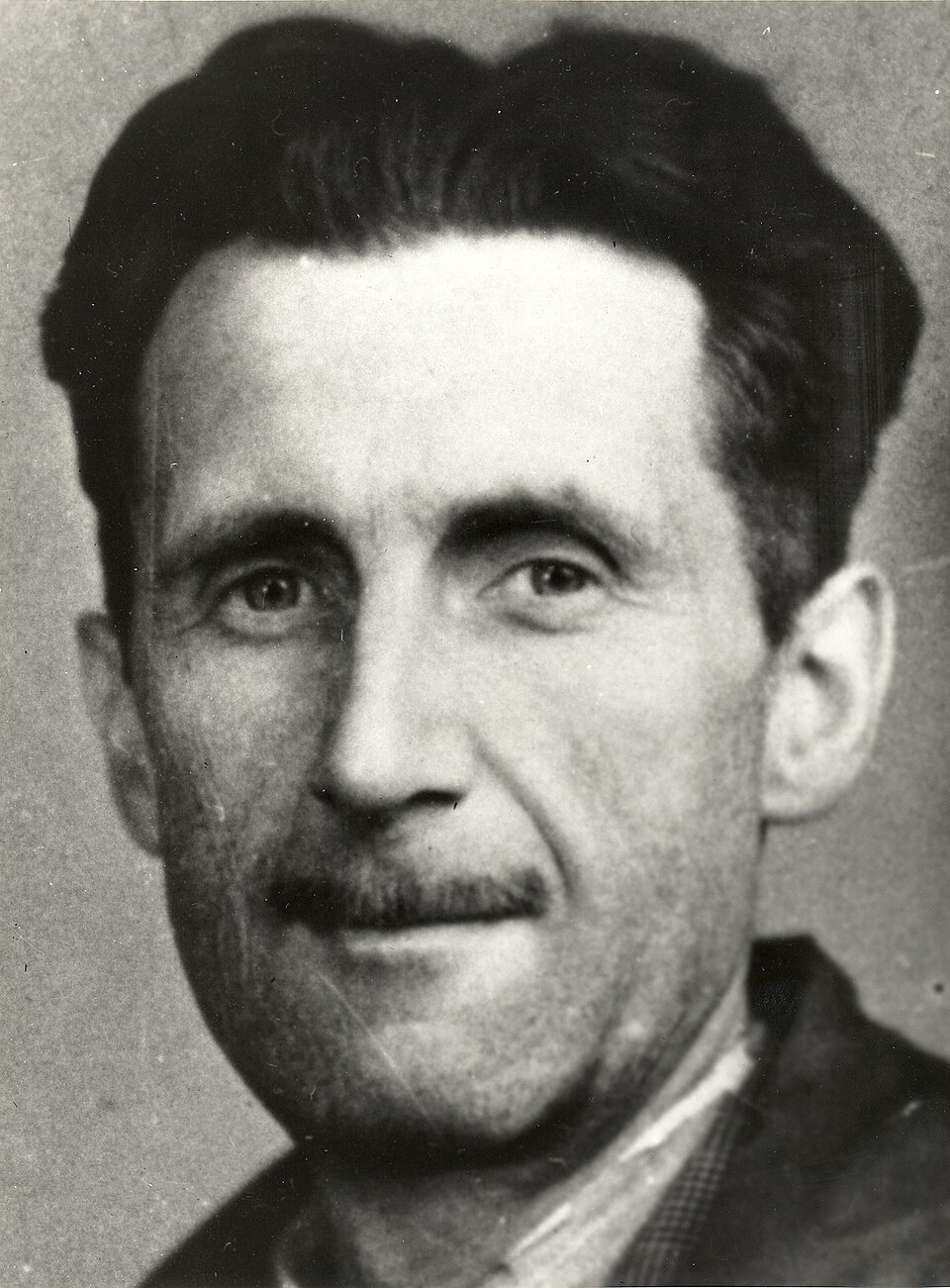
George Orwell
Novelist and essayist
T. S. Eliot rejected him twice, twelve years apart. The second book was Animal Farm.
9 documented failures

Stephen King
Novelist
By fourteen the nail on his wall would not hold the rejection slips. He replaced it with a spike.
7 documented failures