George Orwell
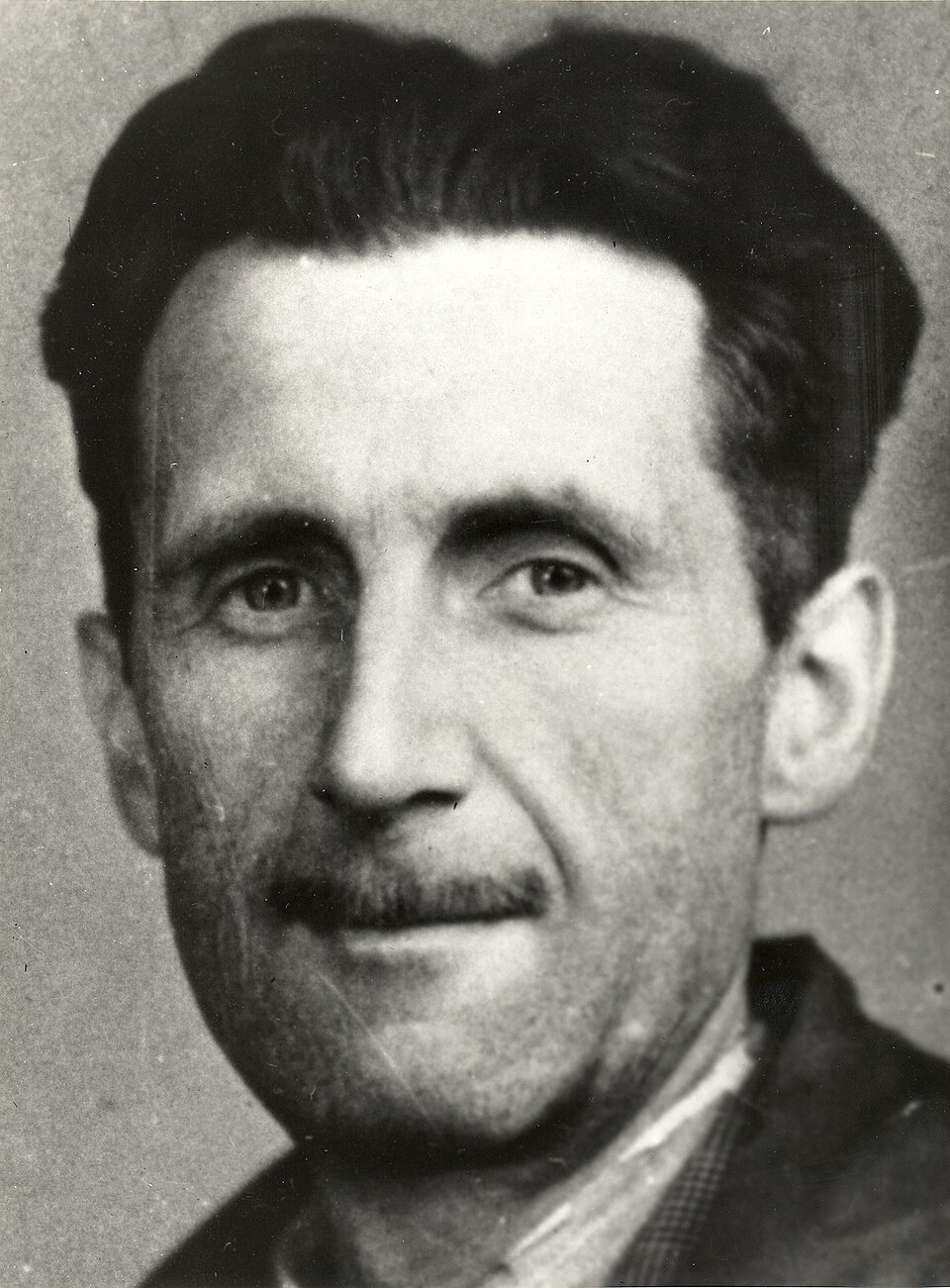
What failed
In Paris he fell seriously ill, had his money stolen, and ended up washing dishes; the novels he was writing there did not survive. His first book was rejected by Jonathan Cape twice and then by T. S. Eliot at Faber, after which he abandoned the typescript at a friend's house. His next book was refused by three British publishers who feared a libel action; it came out in America in October 1934 and only reached Britain the following June, with the names changed. He was shot through the throat in Spain and then hunted out of the country, and when he wrote the book about it his own publisher refused it unread. It sold roughly half its print run in his lifetime. Then Animal Farm was turned down by four publishers, including Cape, who had accepted it and backed out after a government official warned him off — and Eliot, again.
What happened next
Secker and Warburg published Animal Farm in August 1945. Nineteen Eighty-Four followed in 1949. He died the year after that.
The point
The rejection letters are the point. Eliot told him the book did not appear possible as a publishing venture, and told him twelve years later that his view was not the right one from which to criticise the political situation. Both books are still in print. Being turned down by a great critic is evidence of nothing except that you sent it to him.
The sequence
9 documented failures, shown with the successes in between. Every entry carries its own source — the wins are part of the record, and leaving them out is how these stories get distorted.
- 1929
Seriously ill in Paris, his money stolen, he ends up washing dishes.
- 1931
Jonathan Cape rejects his first book, then rejects the rewritten version too.
- 1932
T. S. Eliot turns it down. Orwell leaves the typescript at a friend's house.
- 1933
The book Cape and Eliot turned down is published, and the reviews are favourable.
- 1934
Three British publishers refuse his first novel for fear of libel. It is published in America instead.
- 1937
The Road to Wigan Pier comes out as a Left Book Club choice and reaches far more readers than anything he has published before.
- 1937
He is shot through the throat by a sniper in Spain.
- 1937
His own publisher refuses the book about it, unread.
- 1938
When it does appear it sells about half its print run. The rest is still unsold when he dies.
- 1944
Four publishers refuse Animal Farm, including one who had accepted it and was warned off by a government official.
- 1944
T. S. Eliot rejects him a second time, praising the writing and refusing the politics.
- 1945
Animal Farm is published.
Sources
- Animal Farm (The Orwell Foundation)
Written in 1943–4, and eventually – after a series of publishers' rejections, including one inspired by a Soviet spy – published in 1945, Animal Farm: A Fairy Story chronicles the revolution of the animals against Mr Jones at Manor Farm.
- A Legendary Publishing House's Most Infamous Rejection Letters (Literary Hub)
I am sorry to have kept your manuscript. We did find it of very great interest, but I regret to say that it does not appear to me possible as a publishing venture.
- Burmese Days (Wikipedia)
Gollancz, already fearing prosecution from having published another author's work, turned it down because he was worried about charges of libel. Heinemann and Cape turned it down for the same reason. After demanding alterations, Harper & Brothers was prepared to publish it in the United States, where it appeared in 1934. In the spring of 1935, Gollancz declared that he was prepared to publish a British edition provided Orwell could demonstrate he had not named real people. To that end, extensive checks were made in colonial lists before Gollancz brought out the English version on 24 June 1935.
Use the ← and → keys to move between entries.
Related failures
Others in writing, and nearby.
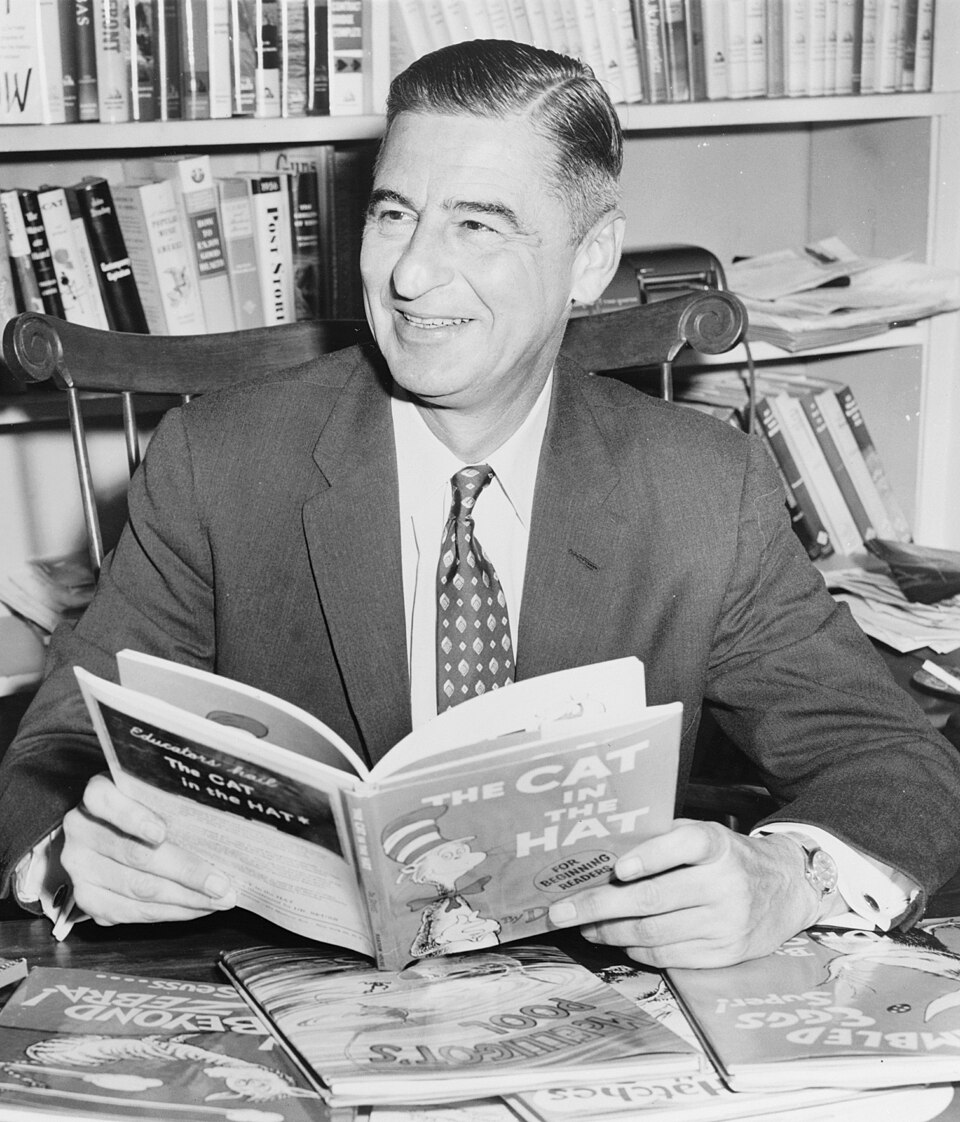
Theodor Seuss Geisel
Children's author
Rejected somewhere between 20 and 43 times. He never gave a consistent count.
2 documented failures
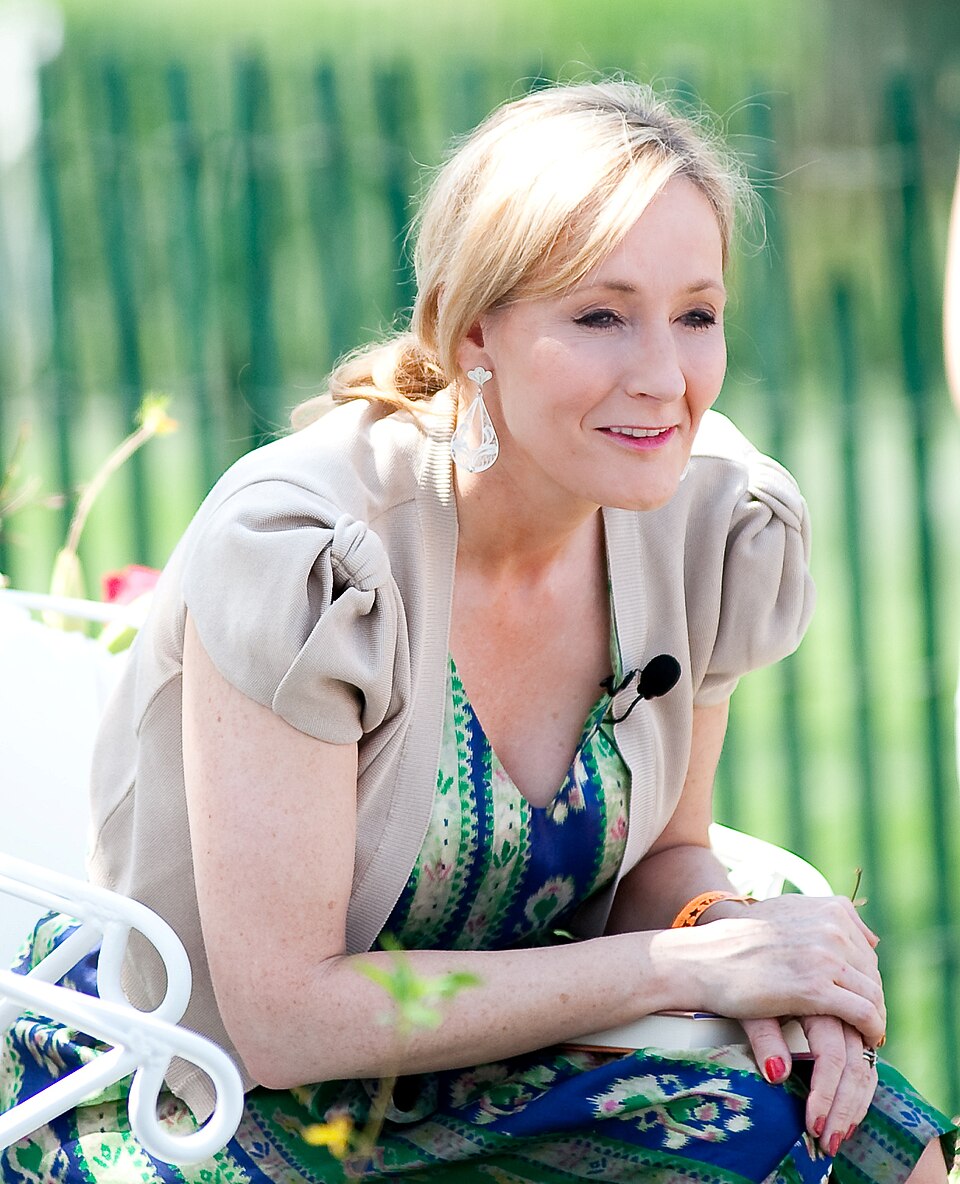
J.K. Rowling
Novelist
Turned down by more or less every major publisher in Britain, over about a year, while on state benefits.
4 documented failures
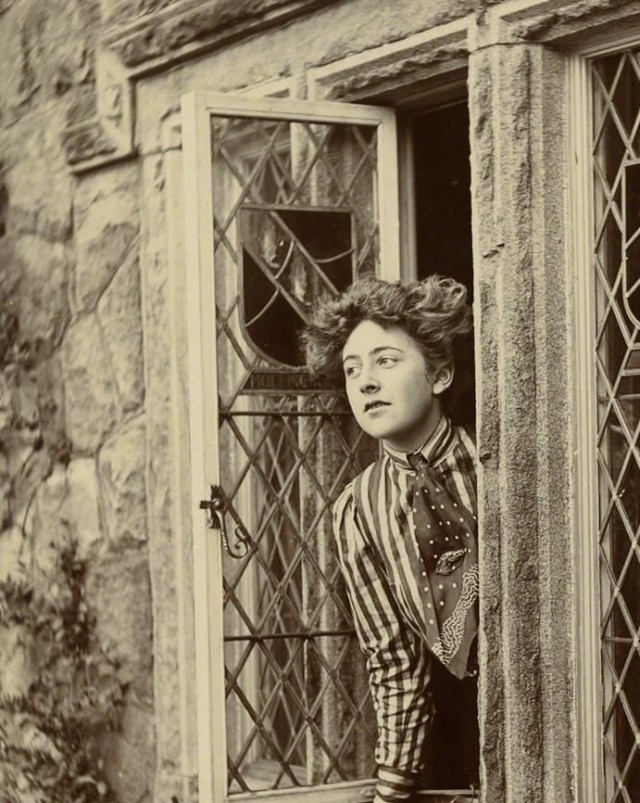
Agatha Christie
Novelist
Told her voice would never be strong enough for opera. Her first novel was never published at all.
5 documented failures

Stephen King
Novelist
By fourteen the nail on his wall would not hold the rejection slips. He replaced it with a spike.
7 documented failures