Agatha Christie
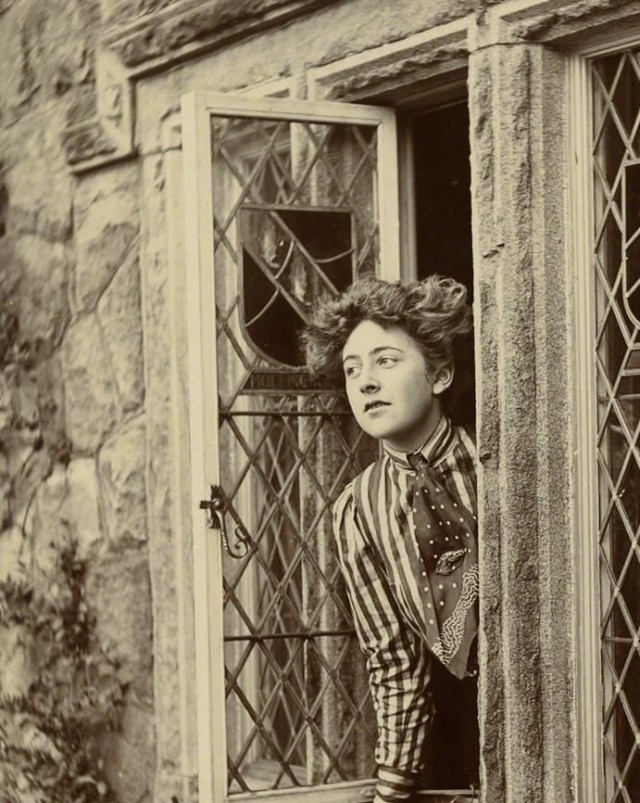
What failed
She trained seriously as a musician and two careers died before she wrote anything. Her shyness ruled out performing, and an audition ended the singing with a flat verdict that her voice was not strong enough and never would be. Her first novel was sent out repeatedly and never found a publisher. When she finished the detective novel that introduced Poirot, Hodder and Stoughton returned it, Methuen turned it down too, and it went from house to house until the seventh sat on it for about two years — long enough that she had stopped thinking about it.
What happened next
The seventh publisher accepted it, on a contract committing her next five books, which she later felt was exploitative. She made twenty-five pounds from it. She went on to become the best-selling novelist in history.
The point
Two careers she had trained for closed before the one she is remembered for opened, and the thing that finally worked sat unread on a desk for two years. Neither the training nor the waiting was wasted; neither felt like progress at the time.
The sequence
5 documented failures, shown with the successes in between. Every entry carries its own source — the wins are part of the record, and leaving them out is how these stories get distorted.
- 1900s
An audition ends the singing career in one sentence.
- 1900s
Her first novel is sent out again and again and never published.
- 1916
The first publisher she sends the finished detective novel to returns it.
- 1917
The second publisher turns it down as well.
- 1919
The seventh house to receive it has sat on the manuscript for around two years.
- 1920
It is published, and Poirot exists.
Sources
- About Agatha Christie (agathachristie.com, official estate)
It was also the year that a publisher, John Lane of The Bodley Head, and the seventh to have received the manuscript, accepted The Mysterious Affair at Styles and contracted Agatha to produce five more books.
- Agatha Christie (Wikipedia)
Her original manuscript was rejected by Hodder & Stoughton and Methuen.
Use the ← and → keys to move between entries.
Related failures
Others in writing, and nearby.
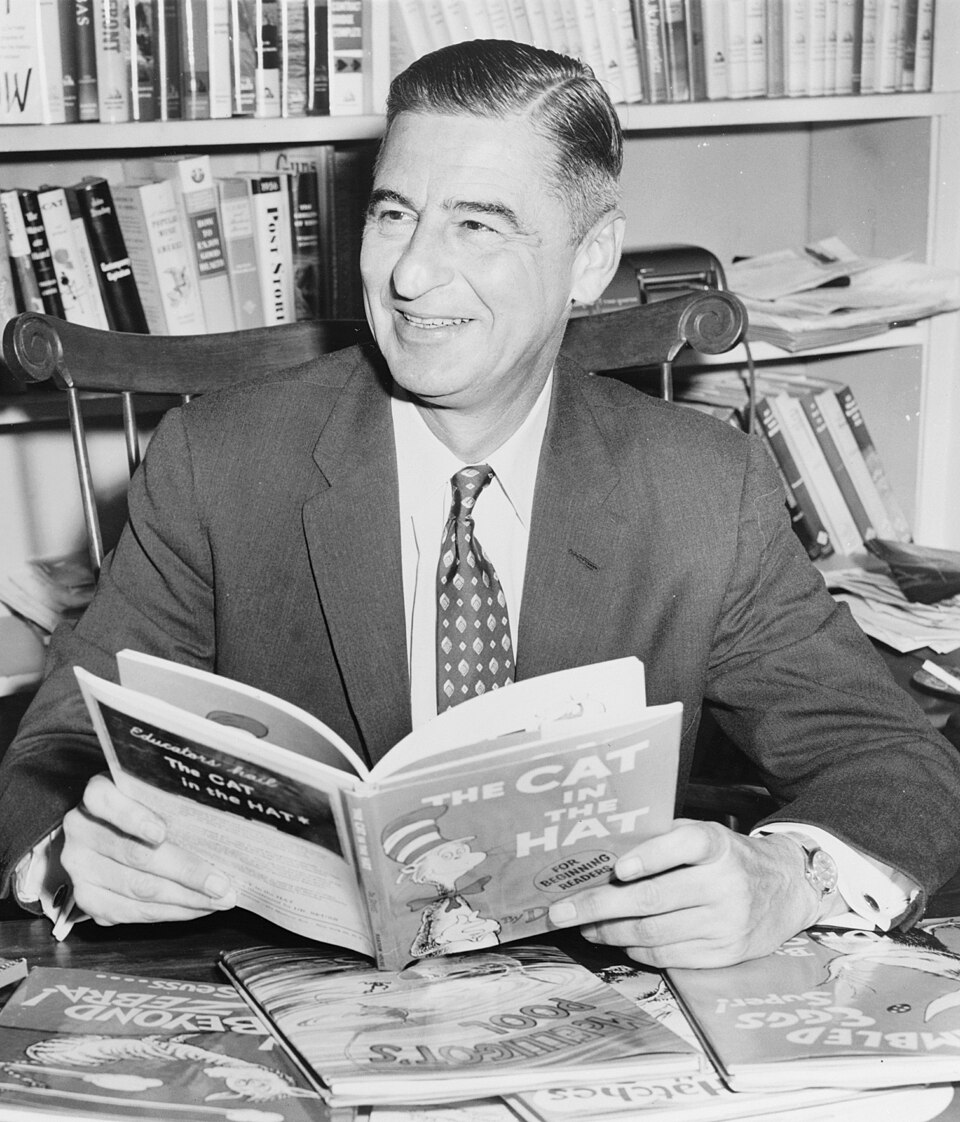
Theodor Seuss Geisel
Children's author
Rejected somewhere between 20 and 43 times. He never gave a consistent count.
2 documented failures
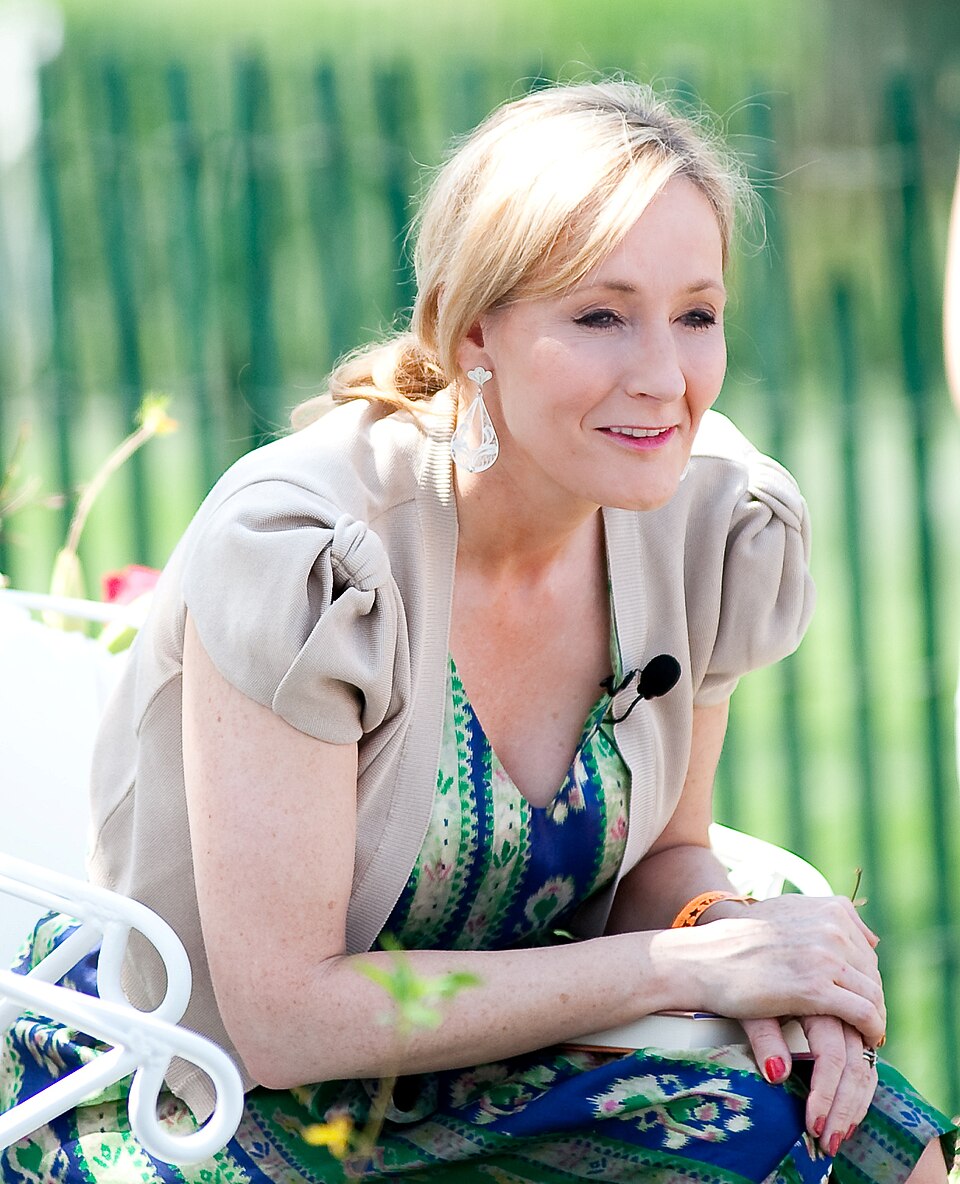
J.K. Rowling
Novelist
Turned down by more or less every major publisher in Britain, over about a year, while on state benefits.
4 documented failures
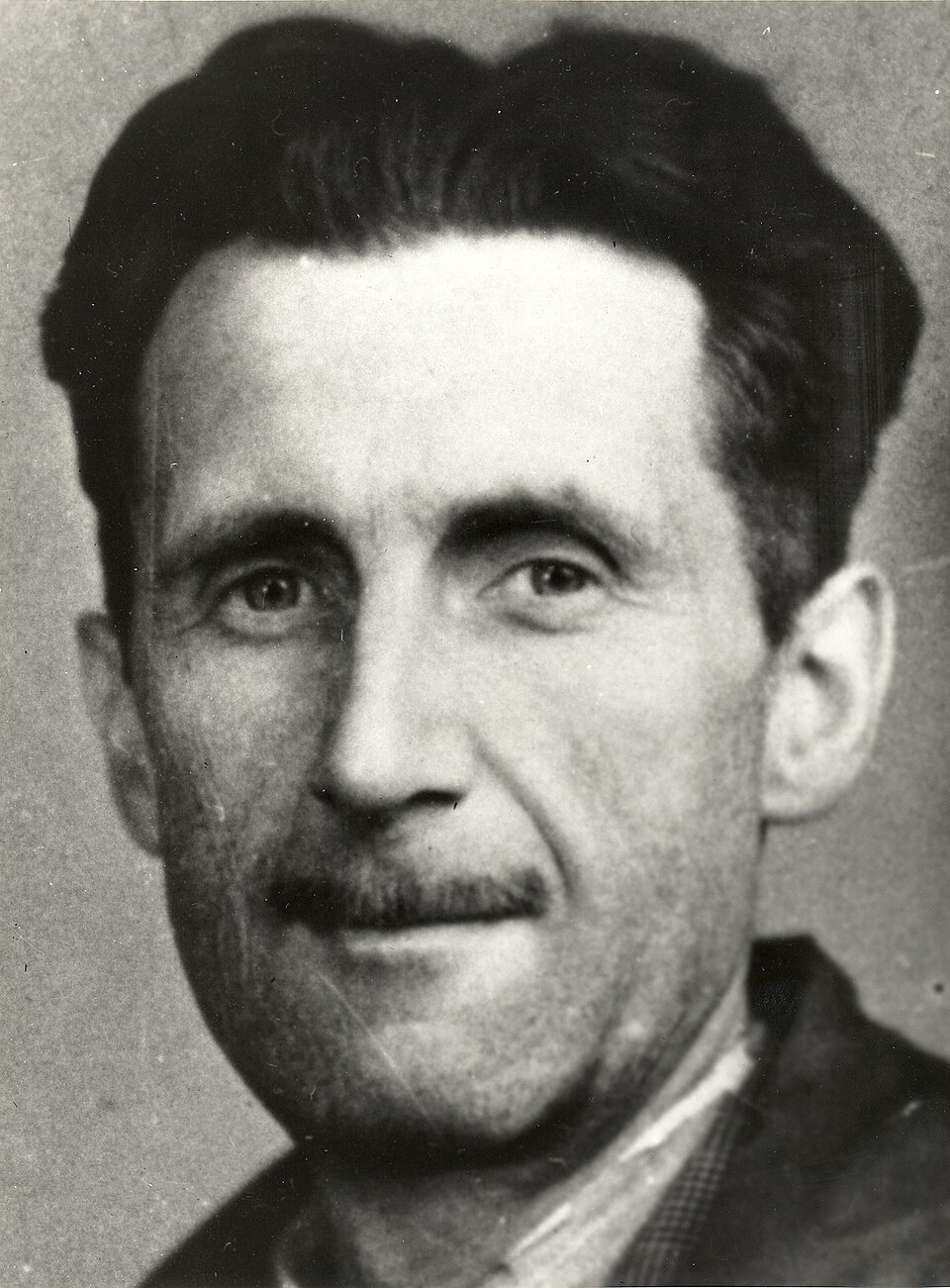
George Orwell
Novelist and essayist
T. S. Eliot rejected him twice, twelve years apart. The second book was Animal Farm.
9 documented failures

Stephen King
Novelist
By fourteen the nail on his wall would not hold the rejection slips. He replaced it with a spike.
7 documented failures