Miguel de Cervantes
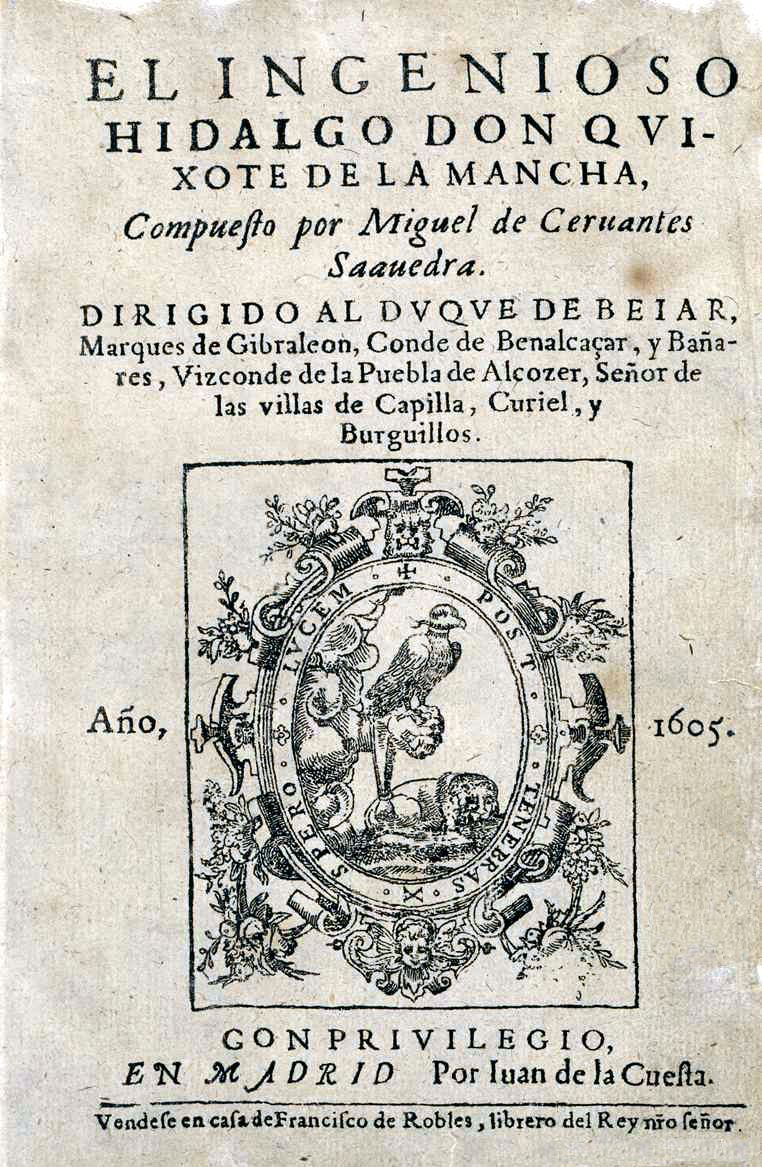
What failed
A warrant dated 15 September 1569 ordered the arrest of a Miguel de Cervantes for wounding Antonio de Sigura, condemning him in absence to lose his right hand and to ten years' exile from the capital; whether the man named was the writer is disputed, and he was in Rome by the end of that year. At Lepanto on 7 October 1571 he took three wounds, one of which left his left arm useless for the rest of his life, and sailing home in 1575 he was taken by corsairs at sea on the voyage to Spain and held in Algiers for almost five years, attempting escape four times and failing four times. His first book, La Galatea, was published in the spring of 1585; he had already sold the copyright outright for 1,336 reales, it was reprinted only twice in his lifetime, and the second part he kept announcing was never published. He could not live by writing, so from 1587 he bought wheat and oil for the Armada and was excommunicated for excessive zeal in collecting wheat at Écija; on 21 May 1590 he asked the king for one of four vacant posts in the American colonies and the petition came back annotated 'Let him look for something nearer home'. He was jailed at Castro del Río in 1592 and in Seville in 1597, was dismissed from the public service, and published no book at all between 1585 and 1605.
What happened next
Don Quixote was published in Madrid early in 1605, when he was fifty-seven; by August there were two editions in Madrid, two in Lisbon and one in Valencia. He followed it with the Novelas ejemplares in 1613, the Viaje del Parnaso in 1614 and the second part of Don Quixote at the end of 1615, the same year his collected plays appeared with a preface admitting no theatre manager would take them. The fame brought patronage rather than wealth: he had sold the rights outright, so the reprints earned him nothing, and a French embassy in Madrid in February 1615 was amazed to hear the author was 'old, a soldier, a gentleman and poor'; when he died on 22 April 1616 he was buried as a pauper.
The point
For twenty years the writing was the thing he did not do. He was buying grain for the fleet, chasing arrears and answering to the exchequer, and what survives from those years is warrants, sureties and prison orders rather than manuscripts. Don Quixote changed what he was known for faster than it changed what he had: he had sold the rights outright, and the French embassy that reached Madrid ten years after publication was told the author was old and poor.
The sequence
9 documented failures, shown with the successes in between. Every entry carries its own source — the wins are part of the record, and leaving them out is how these stories get distorted.
- 1569
A warrant dated 15 September orders the arrest of a Miguel de Cervantes for wounding Antonio de Sigura, sentencing him in absence to have his right hand cut off and to ten years' exile from the capital. The sources disagree on whether the man named is the writer: the 1911 Britannica says no evidence is available, while Wikipedia reports the identification is now accepted as the most likely reason he left Madrid. He was in Rome by 22 December that year.
- 1571
At Lepanto on 7 October the Holy League fleet defeats the Ottoman fleet. By his own account Cervantes was suffering from malaria and was given command of a twelve-man skiff. He takes three wounds, two in the chest and one that leaves his left arm useless, which is why he was afterwards called el manco de Lepanto. Don John approved four separate pay increases for him.
- 1575
Sailing home from Naples on the galley Sol, he is captured by Ottoman corsairs on 26 September on the run home to Spain (sources differ on where: Wikipedia says approaching Barcelona, the 1911 Britannica says off the French coast near Les Trois Maries). He and his brother Rodrigo are taken to Algiers to be held for ransom.
- 1577
Two priests of the Order of Mercy reach Algiers with three hundred crowns raised by his parents. It is not enough to free him, and the money is spent ransoming his brother Rodrigo instead. Cervantes stays another three and a half years.
- 1580
His owner Hassan will not take less than five hundred gold ducats. The money raised falls short and the balance is collected from the Christian traders of Algiers; he is already embarked for Constantinople when it is paid, on 19 September. He was twenty-seven when captured and thirty-two when released.
- 1584-1585
He obtains a licence in February 1584 to print his first book, sells the copyright outright on 14 June for 1,336 reales, and La Galatea is published in the spring of 1585. He was thirty-seven.
- 1585
La Galatea does not sell. It is reprinted only twice in his lifetime, at Lisbon in 1590 and Paris in 1611, and the second part he goes on announcing through the thirty years left to him is never published.
- 1586
He has no income but his pen and play-writing pays little. His father dies in June 1585, and his wife's dowry, itemised in a document dated 9 August 1586, runs to five vines, an orchard, some furniture, four beehives, forty-five hens and chickens, one cock and a crucible.
- 1587
He gives up trying to live by writing and goes to Seville to work on the provisioning of the Armada. Before 24 February he is excommunicated for excessive zeal in collecting wheat at Écija. After the Armada is defeated he is kept on as commissary to the galleys.
- 1590
He submits a memorial, apparently in his own hand, setting out his service in Italy and at Lepanto and asking for any one of four vacant posts in the Americas: the accountancy of New Granada, the governorship of Soconusco, the accountancy of the galleys at Cartagena de Indias, or the magistracy of La Paz. The file survives in the Archivo General de Indias as PATRONATO,253,R.1.
- 1590
The petition, drawn up on 21 May, is referred to the Council of the Indies and comes back annotated with a single line of refusal. He stays in the job. That November he borrows money to buy himself a suit of clothes, and in August 1592 his sureties are called on to make good a shortfall of 795 reales in his accounts.
- 1592
On 5 September he contracts with the manager Rodrigo Osorio to write six plays at fifty ducats each, with nothing payable unless Osorio judges each one 'one of the best ever produced in Spain'. Nothing comes of it, and within a fortnight he is in jail at Castro del Río. The sources disagree on why: the 1911 Britannica says the reasons are unknown, while Wikipedia says he was briefly jailed for irregularities in his accounts and quickly released.
- 1595
In May he wins first prize at a poetical tourney held at Saragossa in honour of St Hyacinth. The prize is three silver spoons. He is forty-seven, and it is the only literary prize he is recorded as winning in those twenty years.
- 1596-1597
He hands 7,400 reales of Crown money to a merchant, Simón Freire de Lima, to pay into the treasury at Madrid. Freire goes bankrupt and absconds, and Cervantes is left owing the sum. The money is raised somehow and the debt is cleared on 21 January 1597.
- 1597
Ordered on 6 September to find sureties and to produce vouchers for all official money he had collected, he cannot find them and is committed to Seville jail. He is released on 1 December, is apparently unable to find bail, and is dismissed from the public service.
- 1585-1605
Twenty years pass in which he publishes no book. His only appearances in print are occasional pieces - a ballad in 1591, the St Hyacinth poem in 1595, sonnets in 1596, 1598 and 1602.
- 1605
Don Quixote is published at Madrid early in the year, when he is fifty-seven. By August there are two Madrid editions, two published in Lisbon and one in Valencia.
- 1615
He collects eight plays and eight interludes and publishes them himself, having failed to place them. In the preface he admits that his dramatic works found no favour with theatre managers.
- 1615
A fake second part had been published in 1614 under the pen name Avellaneda. It pushed him into writing and publishing the genuine second part of Don Quixote, a year before his death.
Sources
- 1911 Encyclopædia Britannica, 'Cervantes Saavedra, Miguel de', by James Fitzmaurice-Kelly (Wikisource)
The members of the French special embassy, sent to Madrid in February 1615, under the Commandeur de Sillery, heard with amazement that the author of the Galatea, the Novelas exemplares and Don Quixote was "old, a soldier, a gentleman and poor."
- Miguel de Cervantes - Wikipedia (the 1569 arrest warrant)
In the 19th century, a biographer discovered an arrest warrant for a Miguel de Cervantes, dated 15 September 1569, who was charged with wounding Antonio de Sigura in a duel. Although disputed at the time, largely on the grounds such behaviour was unworthy of so great an author, it is now accepted as the most likely reason for Cervantes leaving Madrid.
- Miguel de Cervantes - Wikipedia (the years in Algiers)
After almost five years, and four escape attempts, in 1580 Cervantes was set free by the Trinitarians, a religious charity that specialised in ransoming Christian captives, and returned to Madrid.
- Miguel de Cervantes - Wikipedia (the Armada post and the 1592 jailing)
In 1587, Cervantes was appointed as a government purchasing agent, Commissary of the Royal Galleons in Seville, obtaining wheat and oil for the doomed Spanish Armada. He became a tax collector in 1592 and was briefly jailed for "irregularities" in his accounts, but quickly released.
- Miguel de Cervantes - Wikipedia (the burial)
He was buried as a pauper and carried by members of the Third Order of Saint Francis.
- Archivo General de Indias, PATRONATO,253,R.1 - Expediente sobre los méritos y servicios de Miguel de Cervantes Saavedra (PARES, Ministerio de Cultura, Spain)
Memorial (al parecer de la letra de Cervantes) en la que expone sus méritos y servicios hechos en Italia, en la batalla de Lepanto y en otras partes, con motivo de solicitar la concesión de cualquiera de los cuatro puestos vacantes que expone: la contaduría del Nuevo Reino de Granada, la gobernación de Soconusco, la contaduría de las galeras de Cartagena de Indias, o el corregimiento de la ciudad de La Paz (1590).
- Miguel de Cervantes (1547-1616): Life and Portrait, by Jean Canavaggio - Cervantes Project, Texas A&M University Libraries
As a result of money problems with the government, Cervantes was thrown into jail in Seville in 1597.
- Don Quixote - Wikipedia (what the first part earned him)
Sale of these publishing rights deprived Cervantes of further financial profit on Part One.
Use the ← and → keys to move between entries.
Related failures
Others in writing, and nearby.
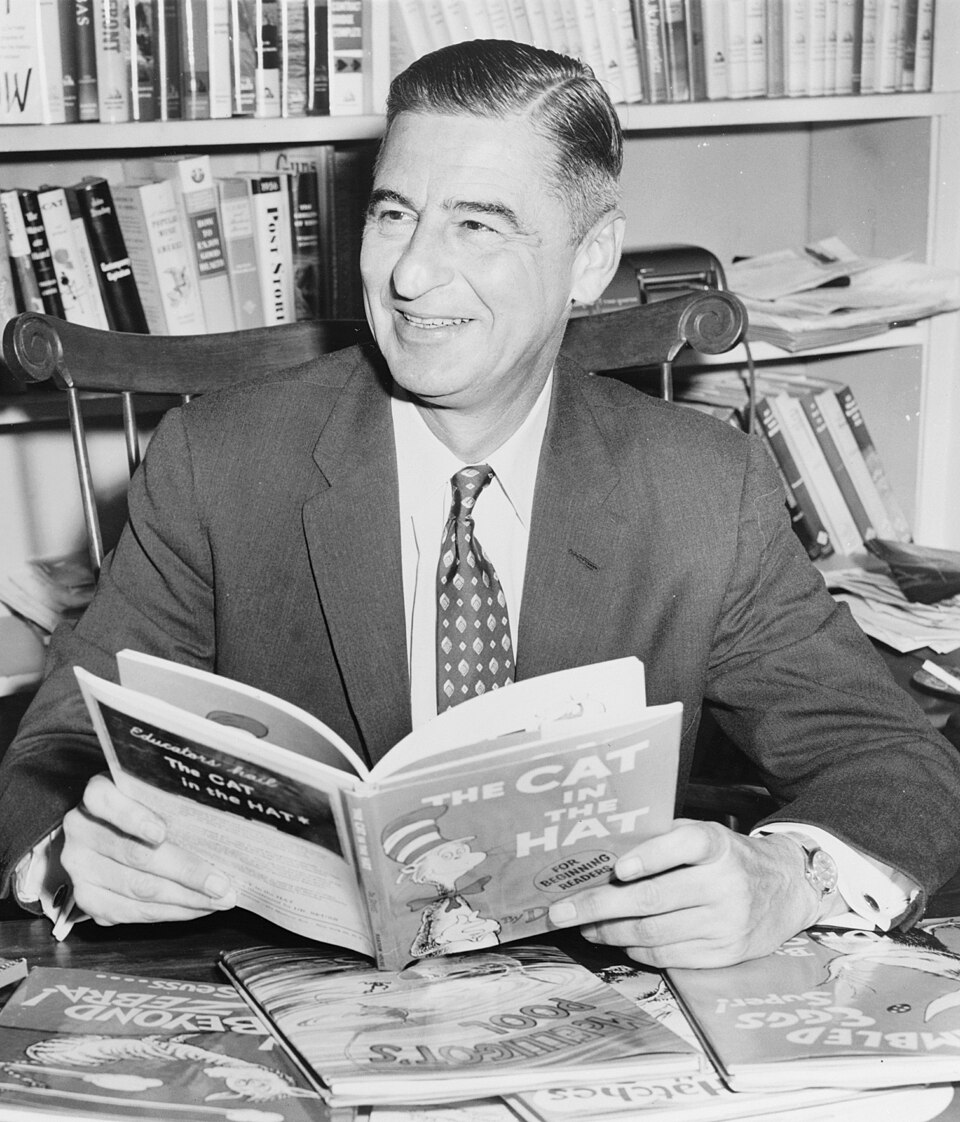
Theodor Seuss Geisel
Children's author
Rejected somewhere between 20 and 43 times. He never gave a consistent count.
2 documented failures
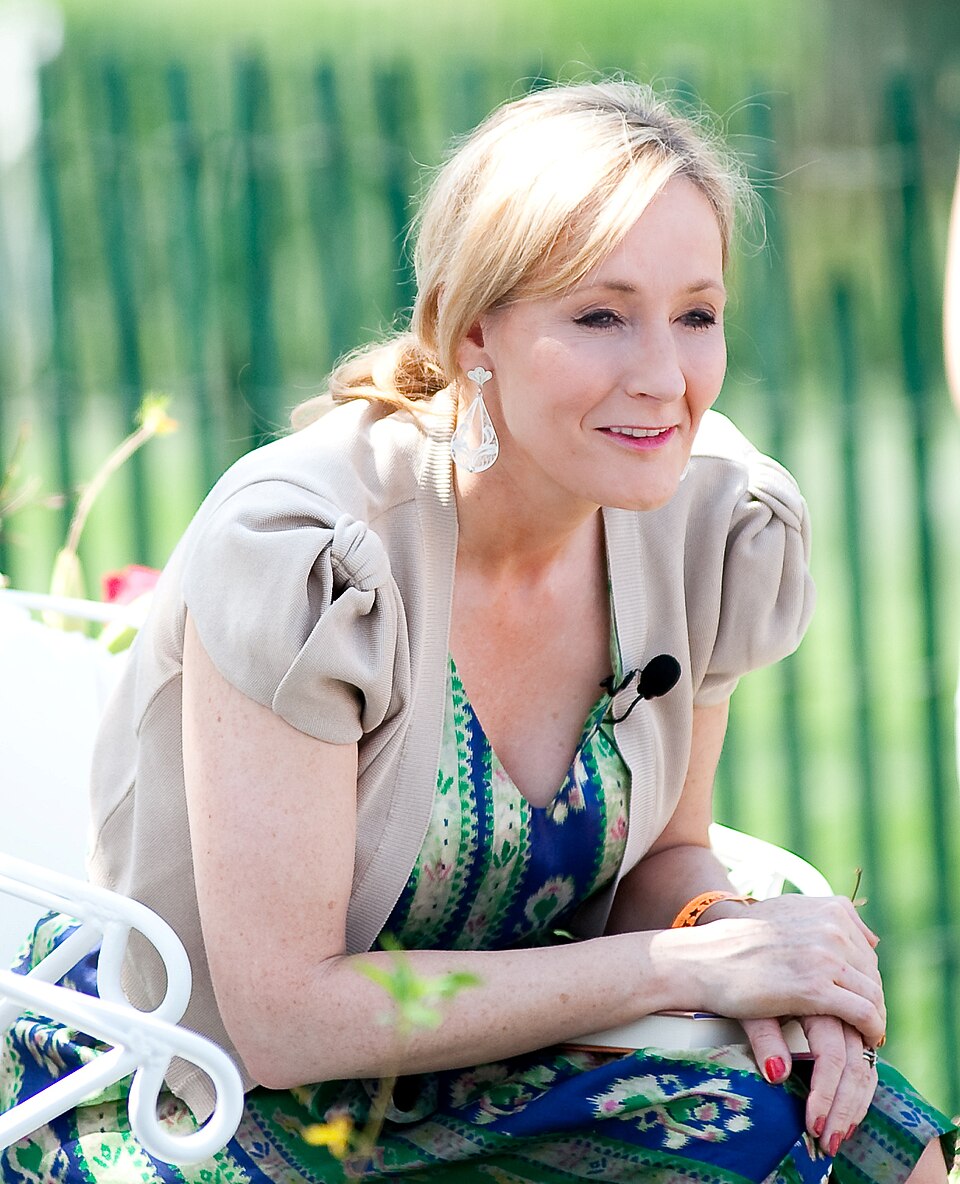
J.K. Rowling
Novelist
Turned down by more or less every major publisher in Britain, over about a year, while on state benefits.
4 documented failures
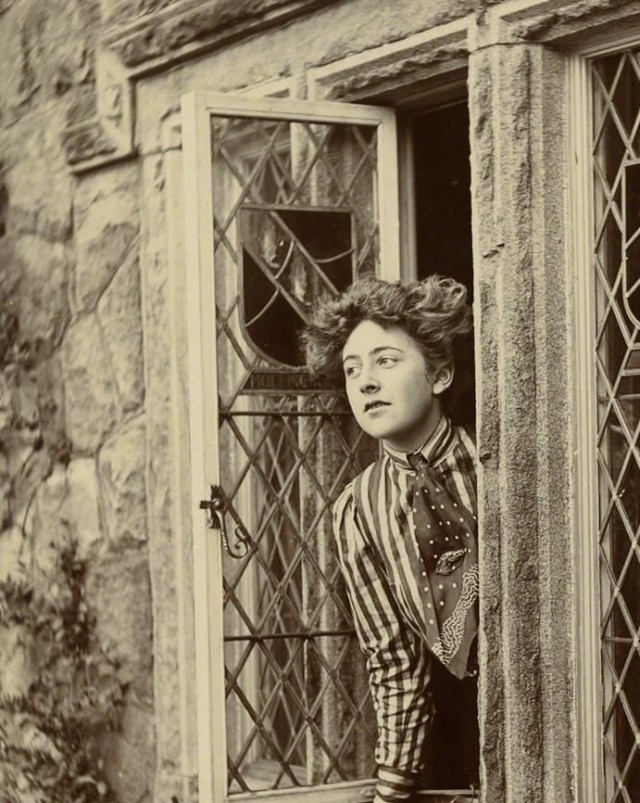
Agatha Christie
Novelist
Told her voice would never be strong enough for opera. Her first novel was never published at all.
5 documented failures
George Orwell
Novelist and essayist
T. S. Eliot rejected him twice, twelve years apart. The second book was Animal Farm.
9 documented failures