Benjamin Disraeli
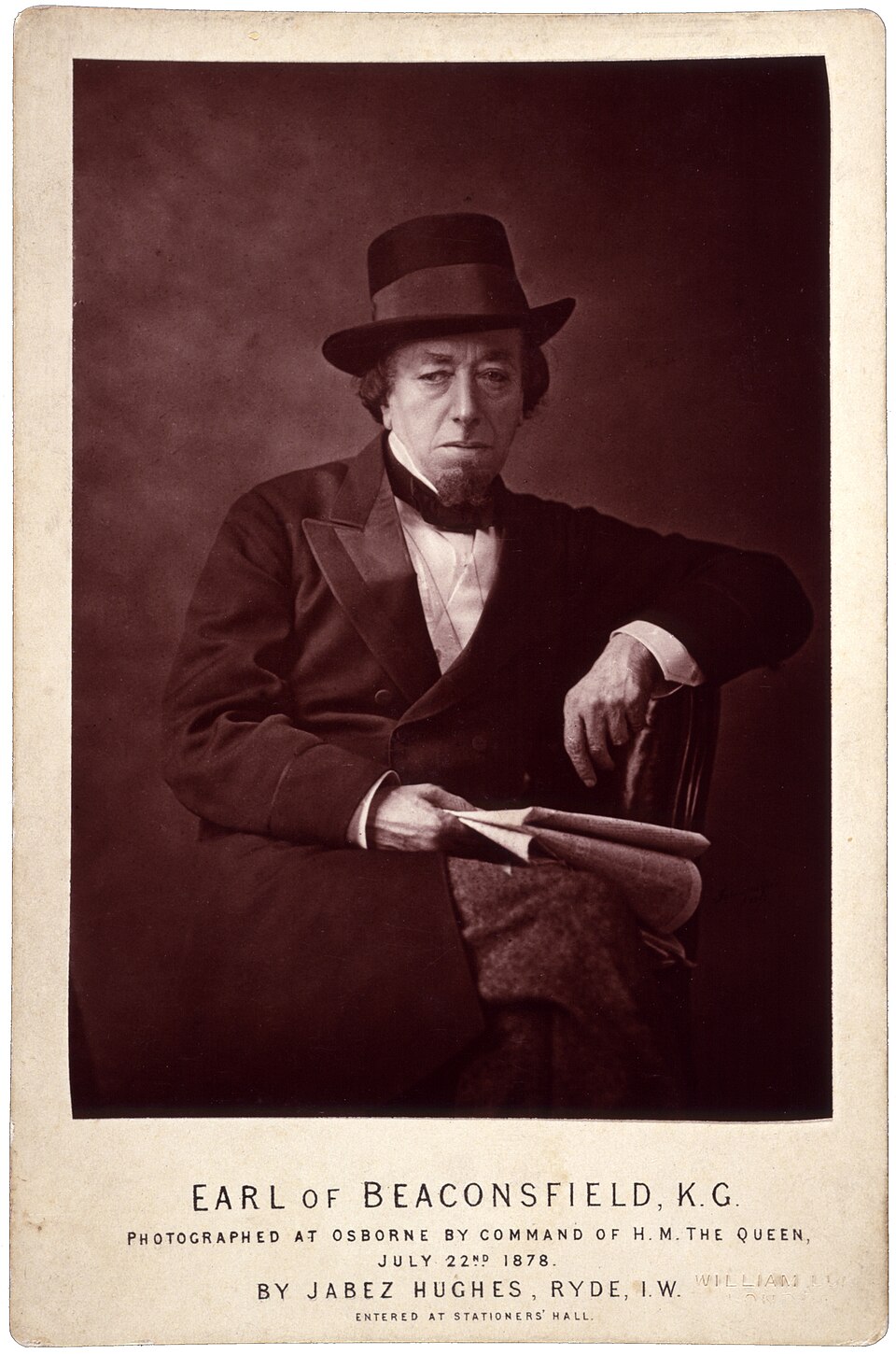
What failed
In 1825, aged twenty, he speculated in South American mining shares and wrote pamphlets promoting them. By June that year he and his business partners had lost £7,000, and he did not clear the last of those debts until 1849. The publisher John Murray already wanted a paper to compete with The Times; Disraeli talked him into going ahead with it, and The Representative promoted the mines and the politicians who backed them. It ran from 25 January to 29 July 1826 and cost Murray about £26,000. His first novel, Vivian Grey, satirised Murray, and when the anonymous authorship became known the reviewers turned on the book and the author; his biographer Jonathan Parry judges the financial failure and personal criticism of 1825 and 1826 to have been probably the trigger for a nervous crisis that affected him over the next four years. He then stood for Parliament four times and lost four times - High Wycombe at a by-election and again at the general election in 1832, High Wycombe once more in 1835, and Taunton that April. He got in at the fifth attempt, for Maidstone, in July 1837. His maiden speech that December was shouted down.
What happened next
Peel left him on the back benches in 1841. Disraeli attacked him over the repeal of the Corn Laws in 1846; the party split, and the split kept the Conservatives out of office until 1852 and without a Commons majority until 1874. He was Chancellor of the Exchequer in 1852, 1858-59 and 1866-68. His first budget, delivered on 3 December 1852, was voted down by nineteen votes a fortnight later, and Derby's government resigned within days. He carried the Second Reform Act in 1867, became Prime Minister in February 1868, lost the general election that December after nine months in office, and returned in February 1874 with 350 seats to the Liberals' 245. He was made Earl of Beaconsfield in 1876, lost the 1880 election to Gladstone, and died on 19 April 1881.
The point
The record is exact about how long the wreckage lasted. He lost the money in 1825 and finished paying for it in 1849, twenty-four years later, by which time he had sat in the House of Commons for twelve years. He contested four elections before winning one. Hansard has the defiant sentence, in the third person, and then the reporter's bracketed note that the impatience of the House would not allow him to finish, and that for most of the time he was on his legs it was impossible to hear what he said; the first-person wording in which the line is usually quoted is a later rendering, and Hansard before 1909 was compiled from press reports rather than taken down verbatim, so even the third person is the reporter's convention. Nothing was cancelled by what came afterwards: the debts of the mining year were still being paid off while he was a member of Parliament, his first budget as Chancellor was destroyed within a fortnight of delivery, and he spent three-quarters of a forty-four-year parliamentary career in opposition.
The sequence
10 documented failures, shown with the successes in between. Every entry carries its own source — the wins are part of the record, and leaving them out is how these stories get distorted.
- 1825
Speculates in South American mining shares and writes pamphlets promoting them; the bubble bursts and by June he and his partners are £7,000 down. He is twenty.
- 1826
The Representative - the paper Murray already wanted and Disraeli talked him into starting, which promoted the mines - runs for six months and closes.
- 1826
His part in it was persuading Murray to proceed; what the paper promoted was the mines and the politicians who backed them.
- 1826-1830
After the money and the reviews went against him he broke down, and spent about four years seriously depressed and lethargic.
- 1832
Stands at High Wycombe at a by-election and again at the general election, and is beaten both times. The sources disagree on the colours: Wikipedia says he stood as a Radical at both contests, the History of Parliament records him as defeated as a Radical at the by-election and as a Conservative at the general election, and the same database's party fields give him as Liberal for both.
- 1835
Beaten at High Wycombe a third time, standing as a Radical for the last time.
- 1835
Fights the Taunton by-election in April, this time as a Tory candidate.
- 1835
Beaten at Taunton, his fourth contest and fourth defeat, by the sitting Whig member in a seat his own side thought unwinnable.
- 1837
Elected at his fifth contest, one of two Tory members for Maidstone, aged thirty-two.
- 1837
Maiden speech on 7 December, attacking Daniel O'Connell. He is shouted down, and the reporter records that for most of the time he was on his feet he could not be heard.
- 1841
Unable to afford the Maidstone seat, moves to Shrewsbury and wins there at the general election, with his debts used against him.
- 1841
Peel forms a government and gives him nothing. He asks, and stays on the back benches.
- 1846
Led the protectionist attack on Peel over repeal of the Corn Laws. The split put the party out of office for six years and left it without a Commons majority for twenty-eight.
- 1847
Elected for Buckinghamshire, the county seat he holds for the next twenty-nine years.
- 1848-1851
The Commons leadership does not simply come to him. The party is run by a committee of three, on terms the party itself sets out plainly.
- 1849
Pays off the last of the mining debts, twenty-four years after incurring them and twelve years into his career in the Commons.
- 1852
Chancellor of the Exchequer under Derby, at forty-seven. He was Derby's second choice and admitted he knew little about finance.
- 1852
Delivers his first budget on 3 December and rises to wind up the debate on 16 December. Gladstone answers him instead, and the budget is destroyed.
- 1852
The government is beaten by nineteen votes and Derby's ministry falls. The dating of the fall is not settled: Wikipedia's text says Derby resigned four days after the defeat, while the same article's infobox ends Disraeli's chancellorship on 17 December 1852.
- 1852
Back to the opposition benches, where most of his career was spent.
- 1867
Steers the Second Reform Act through the Commons and becomes a hero to his own party for the way he does it.
- 1867
The Act adds 938,427 men to the electorate, an increase of 88 per cent.
- 1868
The Queen asks him to form a government, thirty years after he entered the Commons.
- 1868
Lost the December general election after nine months in office. The Liberals came back with a majority and he spent the next five years in opposition.
- 1874
Prime Minister for the second time, with the first Conservative Commons majority since 1841: 350 seats to the Liberals' 245.
Sources
- Benjamin Disraeli (Wikipedia)
The bursting of the mining bubble was ruinous for Disraeli.
- Irish Election Petitions (Hansard, HC Deb 07 December 1837 vol 39 cc747-837)
He would sit down now, but the time would come when they would hear him.
- Benjamin Disraeli (History of Parliament, Members after 1832)
Defeated as Radical cand at Wycombe BE before 1832 GE, when he was defeated as Cons!
- Disraeli, Benjamin (Dictionary of National Biography, 1885-1900, via Wikisource)
It was not till the general election of 1837 that Disraeli obtained a seat in parliament, having previously contested without success both High Wycombe (twice in 1832, and again in 1834), and Taunton (in 1835), involving himself in squabbles of no very dignified character with Joseph Hume and Daniel O'Connell.
- Benjamin Disraeli, the Earl of Beaconsfield (GOV.UK, Past Prime Ministers)
Aged 20 he lost money by gambling on the Stock Exchange, and helped to launch The Representative, a newspaper intended to usurp The Times, but it soon failed.
- The Representative (Wikipedia)
Murray lost heavily (about £26,000) and never attempted another foray into newspaper publishing.
- Benjamin Disraeli: a Timeline (The Victorian Web)
Having been defeated three times in parliamentary elections, standing as an Independent Radical, Disraeli joined the Tory party.
Use the ← and → keys to move between entries.
Related failures
Others in politics, and nearby.
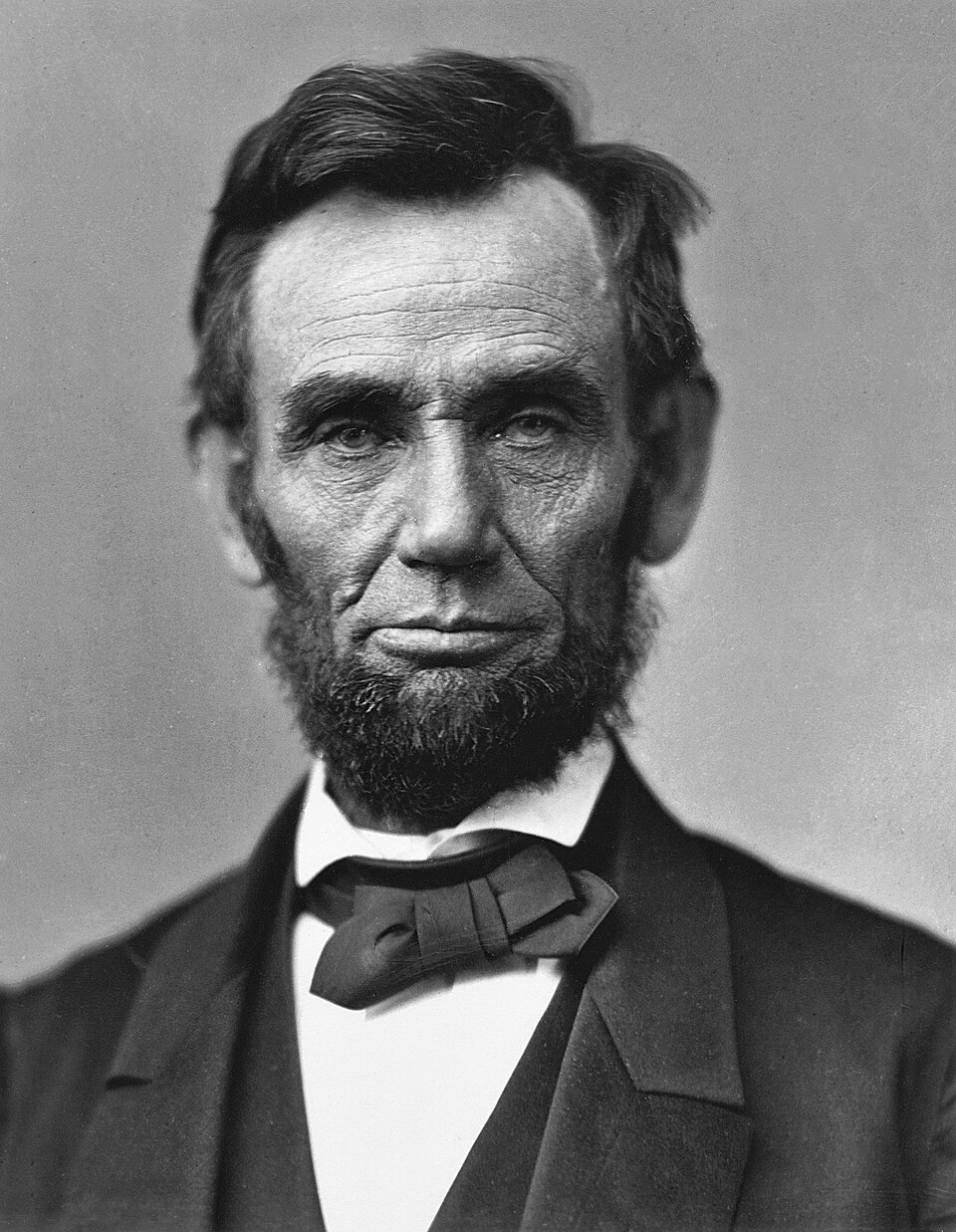
Abraham Lincoln
Law and politics
The famous list of his failures is mostly invented. The real record is better.
11 documented failures
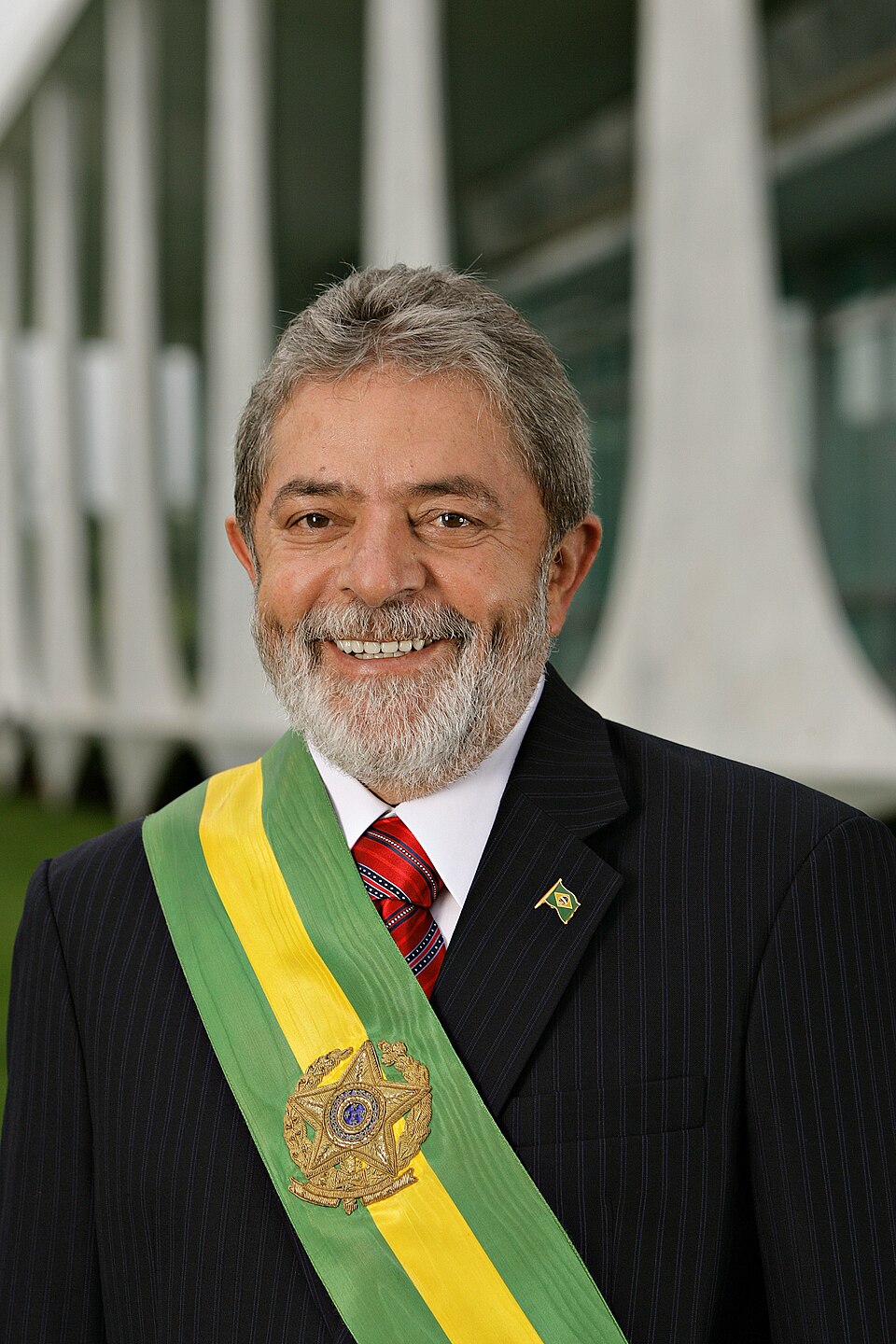
Luiz Inácio Lula da Silva
Trade unionism and politics
He lost three presidential elections in a row before winning the fourth.
4 documented failures
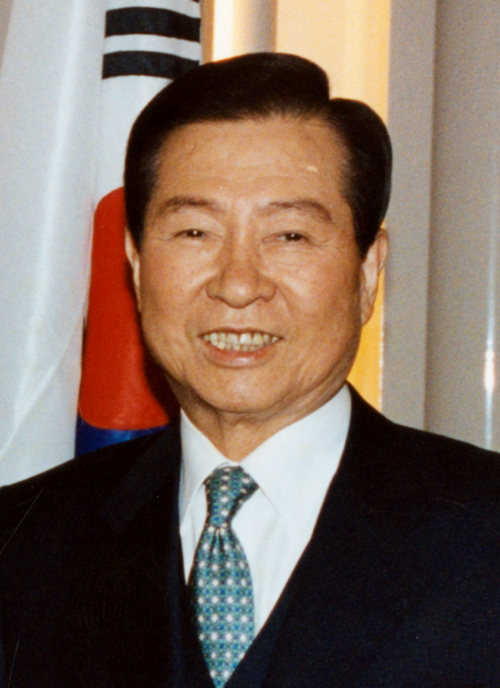
Kim Dae-jung
Politics
Three lost presidential elections, a kidnapping, and a death sentence — then the presidency and a Nobel Prize.
3 documented failures
Winston Churchill
Politics
He lost his seat twice, was blamed for a military catastrophe, and spent the 1930s written off entirely.
9 documented failures