Kim Dae-jung
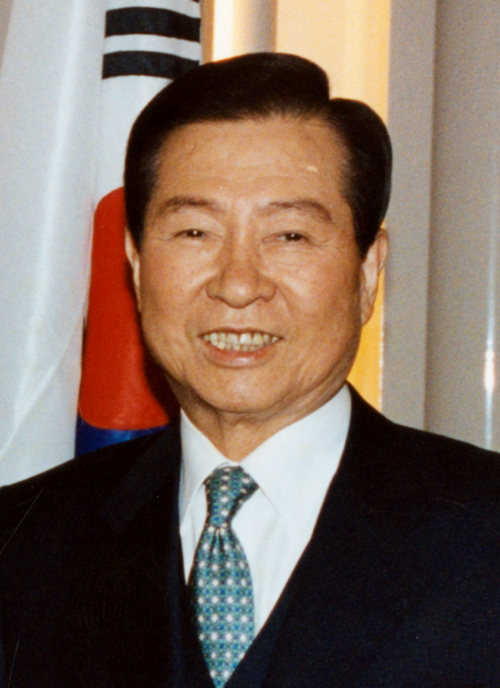
What failed
He lost the presidency to an incumbent military ruler in 1971. He lost again in 1987, finishing third in the first direct election in sixteen years, and again in 1992, after which he announced he was retiring from politics altogether. Between those defeats the state came for him repeatedly: intelligence agents abducted him from a Tokyo hotel in 1973, he was sentenced to five years in prison in 1976, and in 1980 he was sentenced to death, commuted to twenty years, then exiled.
What happened next
He came out of retirement, ran a fourth time in 1997, and won — the first time in Korean history that a ruling party handed power peacefully to the opposition. He received the Nobel Peace Prize in 2000. On 29 January 2004 a retrial cleared him in the 1980 case: the court acquitted him of conspiring to rebel and breaching martial law, and dismissed the remaining charges.
The point
Worth separating two things that look alike on a timeline. The kidnapping, the prison sentence and the death sentence were done to him, and are not failures. The three lost elections are. He is here for the elections, and for standing a fourth time after announcing he had stopped.
The sequence
3 documented failures, shown with the successes in between. Every entry carries its own source — the wins are part of the record, and leaving them out is how these stories get distorted.
- 1971
He loses the presidential election to the incumbent military ruler.
- 1973
Intelligence agents abduct him from a hotel in Tokyo. This was done to him, not by him.
- 1976
Sentenced to five years in prison for signing a declaration calling for democracy.
- 1980
Sentenced to death after a coup, commuted first to life and then to twenty years, then sent into exile.
- 1987
In the first direct election in sixteen years he comes third.
- 1992
A third defeat. He announces he is retiring from politics.
- 1997
He comes out of retirement, stands a fourth time, and wins.
- 2000
He is awarded the Nobel Peace Prize.
- 2004
A retrial clears him in the 1980 case that brought the death sentence: acquitted of conspiring to rebel, the other charges dismissed.
Sources
- Kim Dae-jung — Facts (The Nobel Prize)
It also valued his long and courageous struggle for democracy and human rights in his own country, which had entailed long periods of imprisonment, house arrest, kidnapping and exile.
- 1997 South Korean presidential election (Wikipedia)
When he took office in 1998, it marked the first time in Korean history that the ruling party peacefully transferred power to the opposition party.
Use the ← and → keys to move between entries.
Related failures
Others in politics, and nearby.
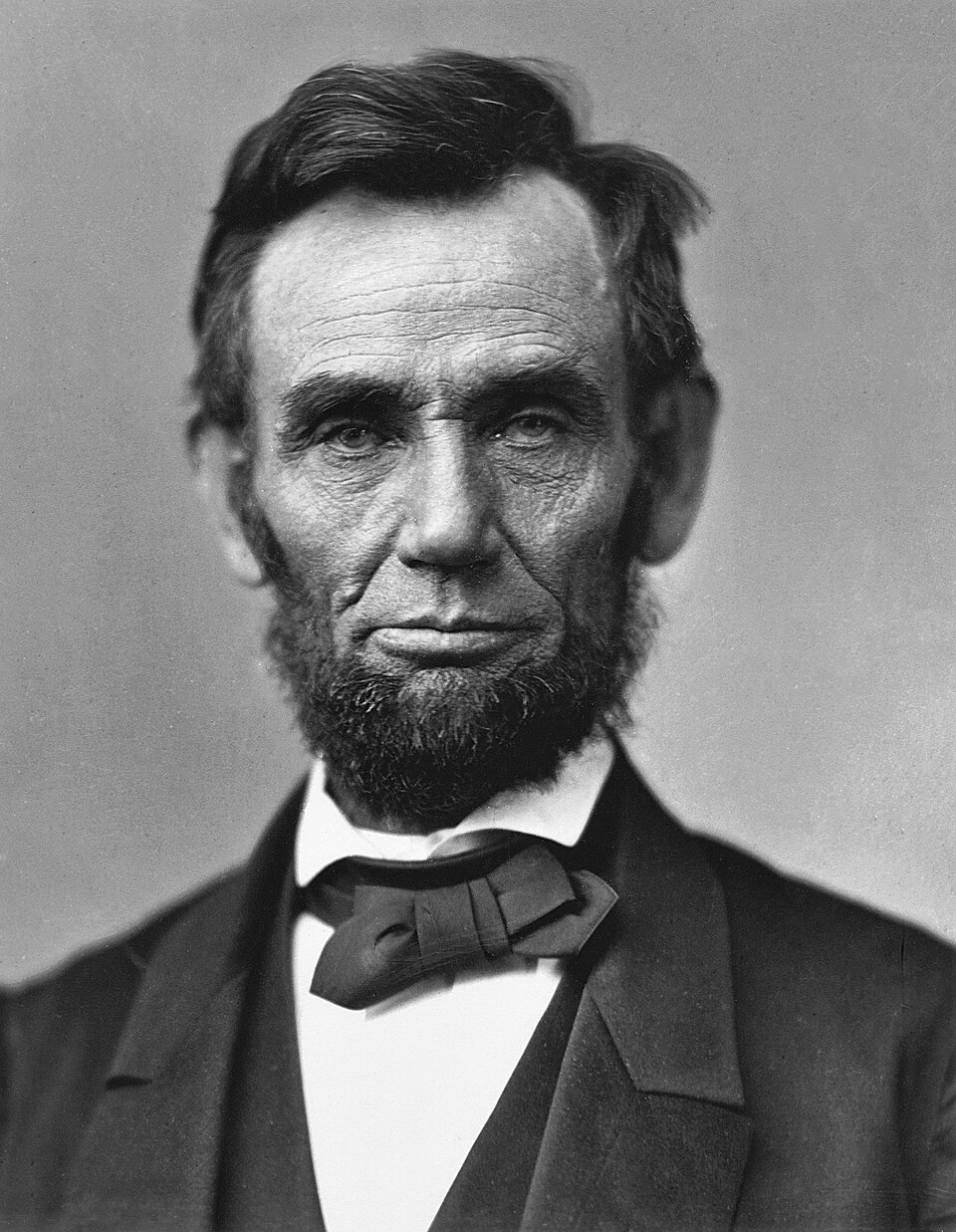
Abraham Lincoln
Law and politics
The famous list of his failures is mostly invented. The real record is better.
11 documented failures
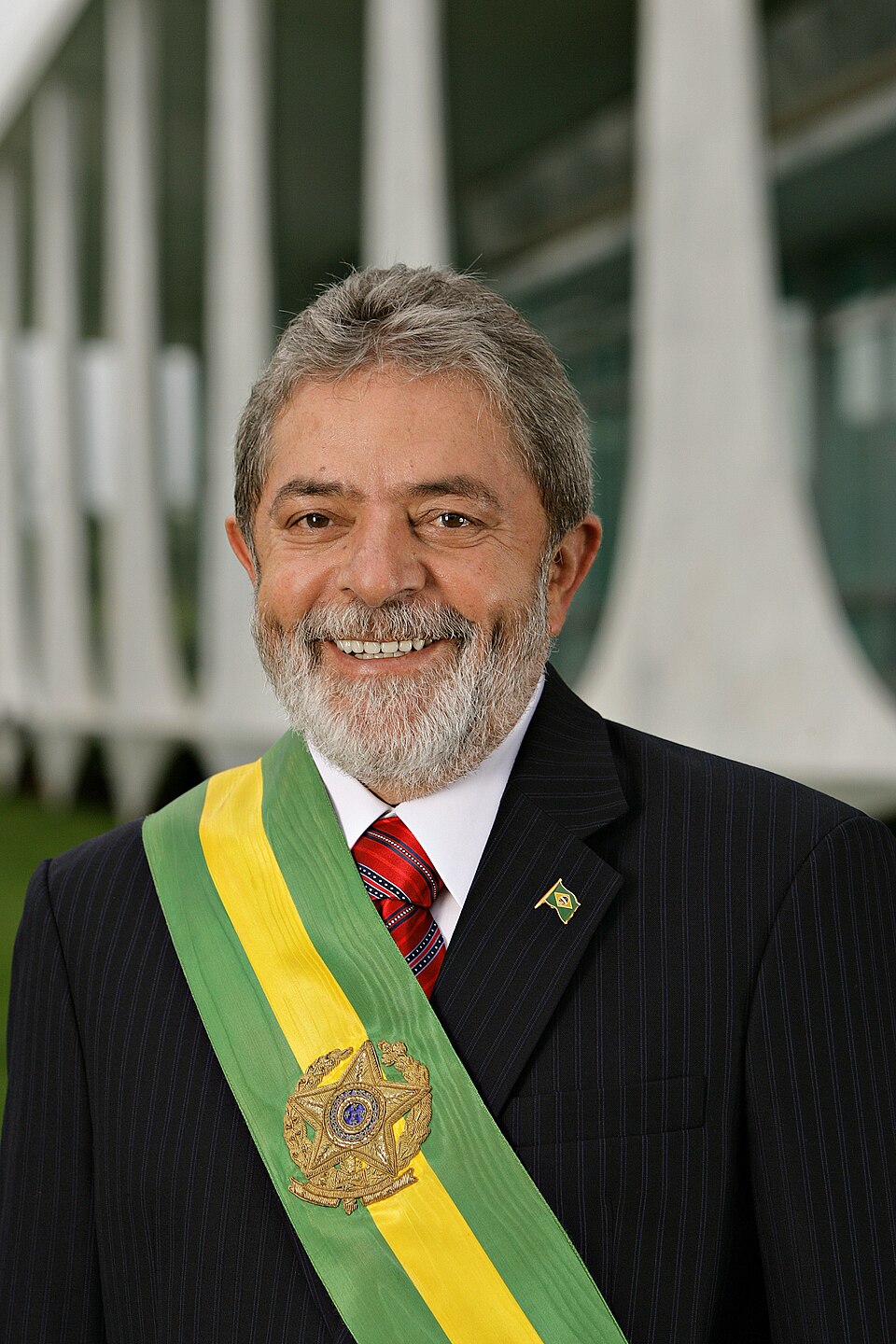
Luiz Inácio Lula da Silva
Trade unionism and politics
He lost three presidential elections in a row before winning the fourth.
4 documented failures
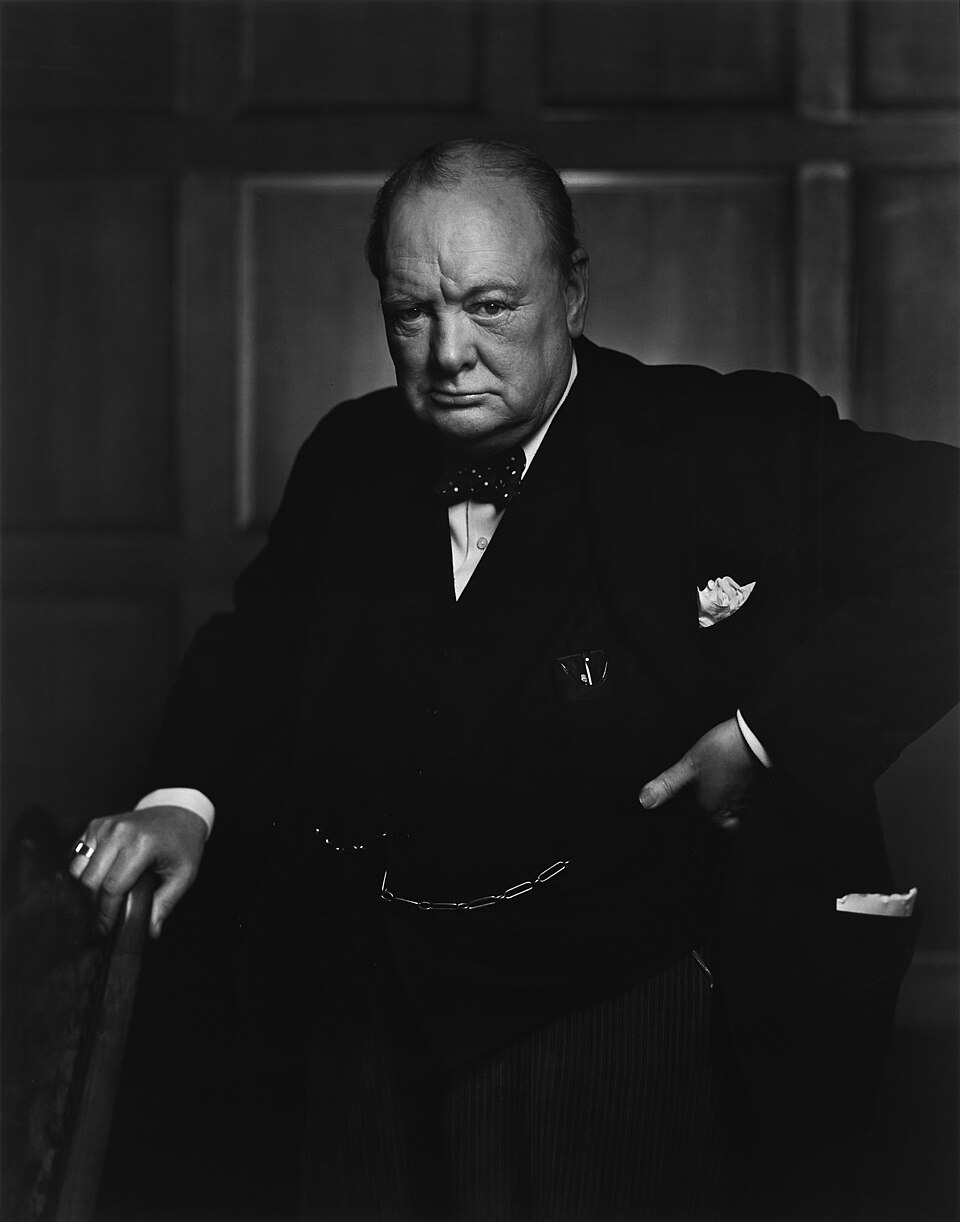
Winston Churchill
Politics
He lost his seat twice, was blamed for a military catastrophe, and spent the 1930s written off entirely.
9 documented failures
Nelson Mandela
Law and politics
Expelled from university, banned, on trial for treason for four and a half years, then jailed for twenty-seven.
4 documented failures