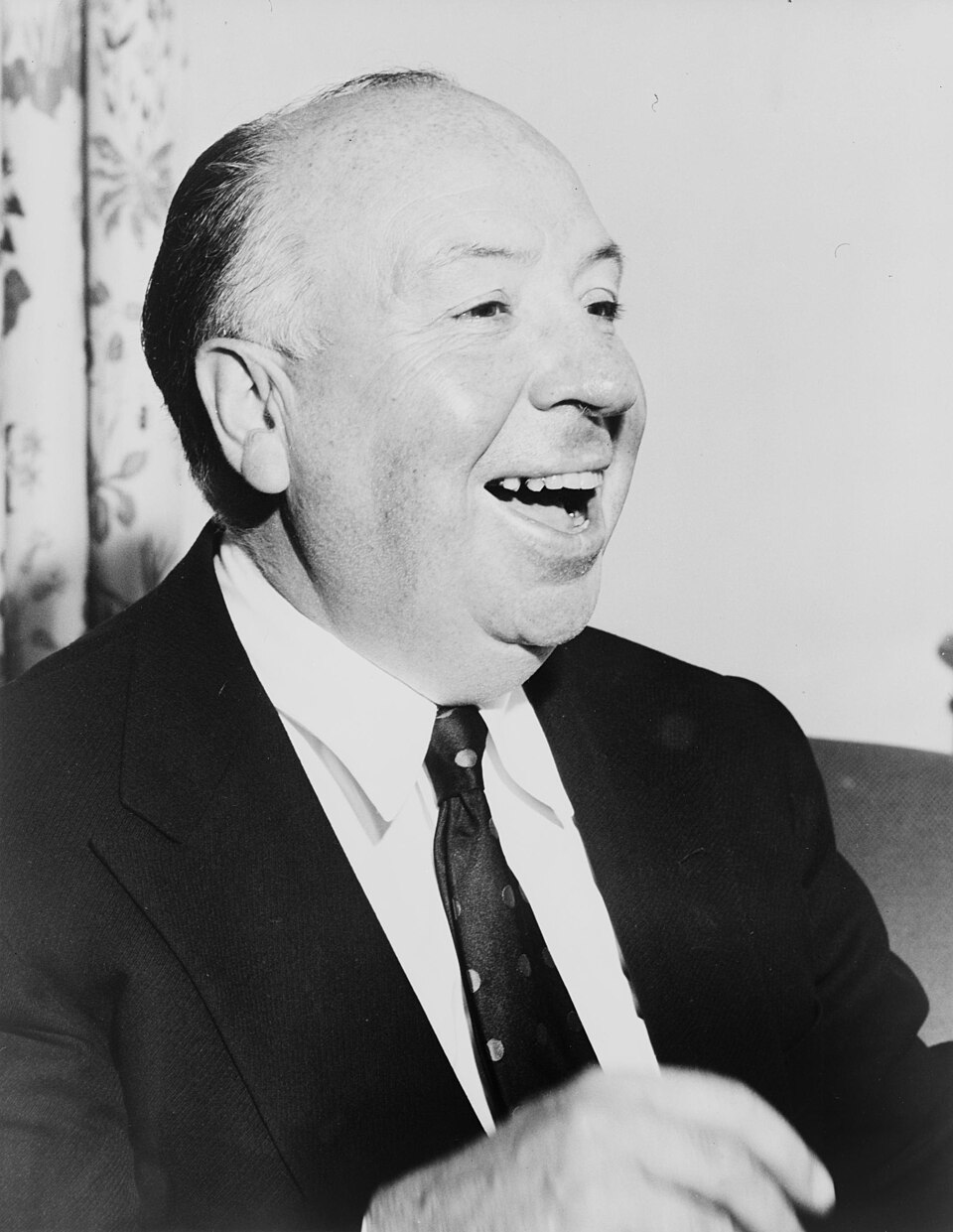
Alfred Hitchcock
What failed
In 1922, at the Islington studio Paramount had just vacated, he got his first chance to direct, on Number 13; it was pulled from production after only a handful of scenes, the budget having collapsed. The money had come from his uncle John Hitchcock and then from the lead actress Clare Greet. His first completed feature, The Pleasure Garden, was found insufficiently commercial and too European by C. M. Woolf, who ran Gainsborough's distribution company, and was not shown in England initially; it premiered in Berlin in January 1926 and had no official UK release until January 1927. His second, The Mountain Eagle, was screened for British distributors in October 1926 and shelved; no print is known to survive, and he told Truffaut it was a very bad movie and that he was relieved it was lost. After those two films he believed his directing career would soon be over. He signed a seven-year contract with David O. Selznick beginning in April 1939 and was lent out to the larger studios for much of it; Selznick took over post-production on the last film made under it, The Paradine Case, whose worldwide receipts barely covered half the cost of production. Vertigo drew mixed reviews and poor box office in 1958, Penelope Houston in Sight and Sound found both leads floundering in Marnie in 1964, and he lost all five of his Best Director nominations.
What happened next
The Lodger: A Story of the London Fog, made straight after the two withheld films, was a critical and commercial success on release in February 1927, and The Mountain Eagle followed it into British cinemas in May; The Pleasure Garden had already gone out that January. He directed for another forty-nine years, ending with Family Plot in 1976, received the honorary Irving G. Thalberg Memorial Award in 1968, and was appointed KBE in the 1980 New Year Honours, gazetted in December 1979 and presented to him at Universal Studios in January 1980, four months before his death. In 2012 the British Film Institute's Sight and Sound critics' poll placed Vertigo, the 1958 film with the poor receipts, above Citizen Kane; in the next poll, in 2022, it was displaced in turn and finished second.
The point
The two features he finished before anyone would look at him were withheld by their own distributor, and after them he expected to be finished as a director. What recognition arrived came in forms other than the one being competed for: five Best Director nominations and no win, then an honorary award in 1968 for a body of work rather than for a film. The reappraisal that put Vertigo at the top of the critics' poll came thirty-two years after he died, and it held for one decade.
The sequence
8 documented failures, shown with the successes in between. Every entry carries its own source — the wins are part of the record, and leaving them out is how these stories get distorted.
- 1922
The first film he was given to direct, Number 13, is pulled from production after a handful of scenes when the budget falls apart.
- 1926
His first completed feature, The Pleasure Garden, is refused a British release by C. M. Woolf, who runs Gainsborough's distribution company.
- 1926
His second feature, The Mountain Eagle, is screened for British distributors in October and shelved.
- 1926
With both finished films sitting unreleased, he believes his directing career will soon be over.
- 1927
The Pleasure Garden gets its official UK release in January, a month before The Lodger opens.
- 1927
Michael Balcon nearly shelves The Lodger too. Ivor Montagu is brought in to re-work it.
- 1927
The Lodger: A Story of the London Fog is released in February and is a critical and commercial success.
- 1927
The Mountain Eagle is finally granted a UK release in May, after The Lodger succeeds.
- 1933
He signs a multi-film contract with Gaumont-British, working for Michael Balcon again.
- 1934
He directs the musical Waltzes from Vienna, which he later named to Truffaut as the lowest ebb of his career.
- 1934-1935
Inside the same Gaumont-British contract he makes The Man Who Knew Too Much and then The 39 Steps, which gets him noticed in the United States.
- 1939
Selznick signs him to a seven-year contract beginning in April, and the Hitchcocks move to Hollywood.
- 1939-1947
For much of the contract Selznick lends him out rather than making films with him.
- 1941
Rebecca wins Best Picture at the 13th Academy Awards. The statuette goes to Selznick as producer.
- 1947
The Paradine Case, the last film made under the Selznick contract, takes worldwide receipts barely covering half its cost.
- 1958
Vertigo takes poor receipts and draws mixed notices. Variety judges it too slow and too long.
- 1961
Psycho is nominated for four Academy Awards, including Best Director. It is the last of the five Best Director nominations he loses.
- 1961-1966
Tippi Hedren, on a seven-year contract whose terms gave him the final say over any work she took, has said he made advances she rejected and then kept her from other directors' films; her Marnie co-star Diane Baker has described the same treatment on set. The sources disagree: Hedren's own account, given to NPR and in her memoir, is contested by Edward White's 2021 biography, which argues Hitchcock played up his own cruelty.
- 1964
Marnie is badly received. Penelope Houston, reviewing it in Sight and Sound, finds both leads floundering badly once the film reaches the marriage.
- 1968
The Academy gives him the honorary Irving G. Thalberg Memorial Award, the first of a run of honorary awards.
- 1976
Family Plot, released forty-nine years after The Lodger, is his last film.
- 1979
He takes the AFI Life Achievement Award and is knighted in December, four months before his death.
- 2012
The British Film Institute's decennial critics' poll puts Vertigo first, displacing Citizen Kane. Hitchcock has been dead thirty-two years.
Sources
- Alfred Hitchcock (Wikipedia)
Among other accolades, his films garnered 46 Academy Award nominations, including six wins, although he never won the award for Best Director, despite five nominations.
- Number 13 (1922 film) (Wikipedia)
Clare Greet was obliged to finance the production with her own money; before her, Alfred Hitchcock's uncle John Hitchcock had also provided funds.
- The Pleasure Garden (1925 film) (Wikipedia)
After it was shown briefly in London in April 1926, The Pleasure Garden was not officially released in the UK until January 1927, just before Hitchcock's third film, The Lodger: A Story of the London Fog, became a hit in February 1927.
- The Mountain Eagle (Wikipedia)
Hitchcock himself told François Truffaut he was relieved that the film was lost.
- Alfred Hitchcock Collectors' Guide: The Mountain Eagle (1926) (Brenton Film)
A.H. It was a very bad movie
- The Paradine Case (Wikipedia)
Selznick took over post-production, supervising the editing and the scoring of the film.
- Alfred Hitchcock (Wikipedia), on Marnie and Tippi Hedren
An HBO/BBC television film, The Girl (2012), depicted Hedren's experiences on set; she said that Hitchcock became obsessed with her and sexually harassed her.
- Tippi Hedren (Wikipedia)
Hedren's contract terms gave Hitchcock the final say as to any work she could take on and he used that power to turn down several film roles on her behalf.
- That old transference of guilt theme so beloved of Hitchcock: Marnie reviewed in 1964 (Sight and Sound, BFI)
From the marriage on, however, things get out of hand, with both leading players floundering badly as Hitchcock piles up his demands on them.
Use the ← and → keys to move between entries.
Related failures
Others in film & television, and nearby.
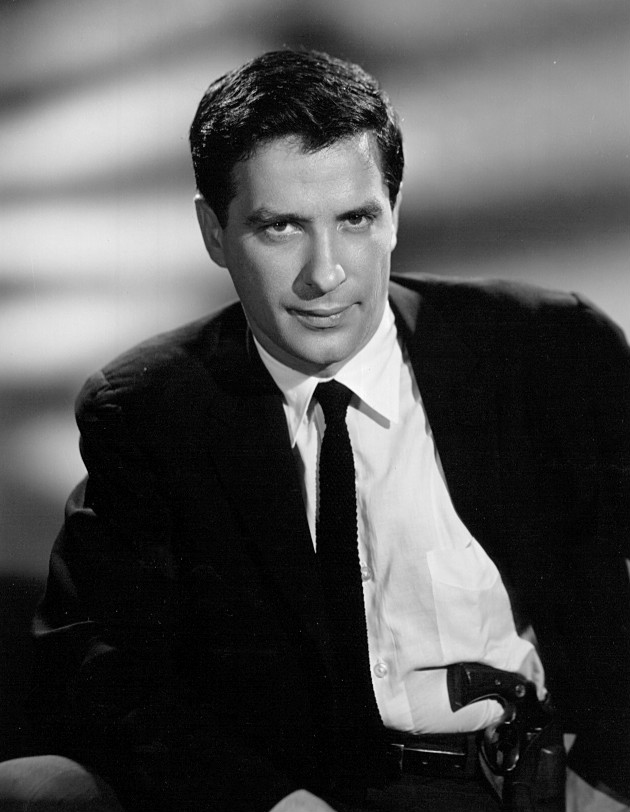
John Cassavetes
Filmmaker
Scrapped his own first film after the audience walked out.
2 documented failures

Oprah Winfrey
Broadcaster
Not fired. Moved to reading early-morning headline cut-ins in the same building — which was worse.
2 documented failures
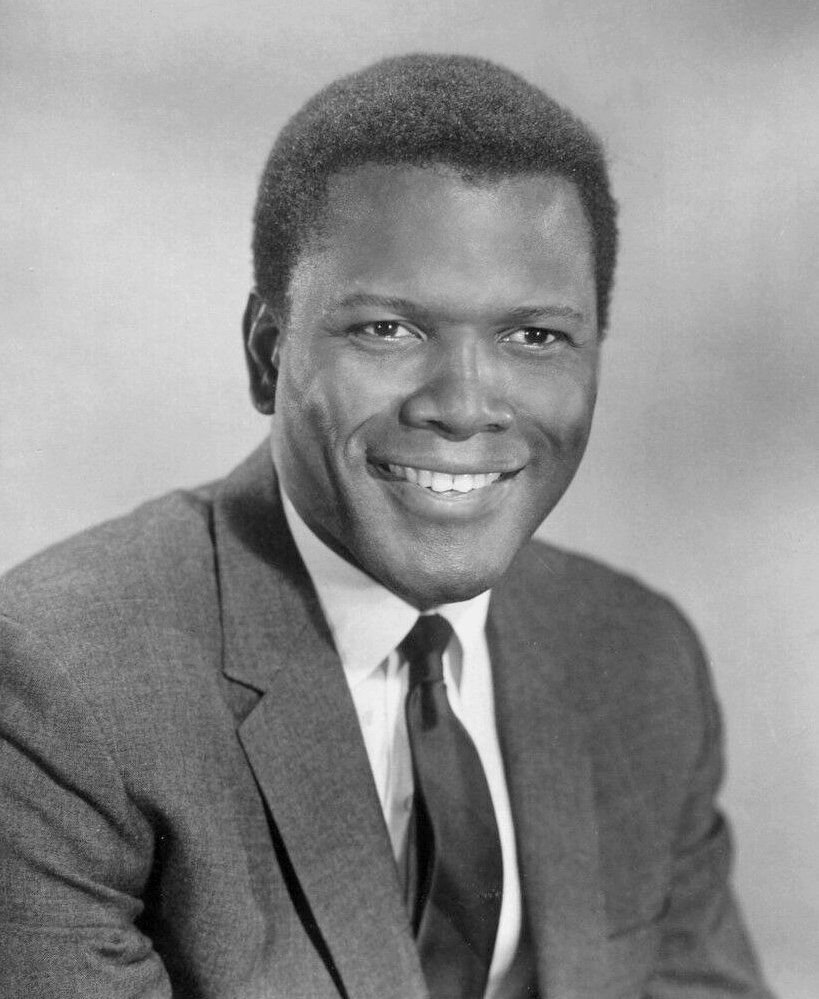
Sidney Poitier
Actor
Thrown out of his first audition by the collar. He came back and offered to be the janitor.
3 documented failures
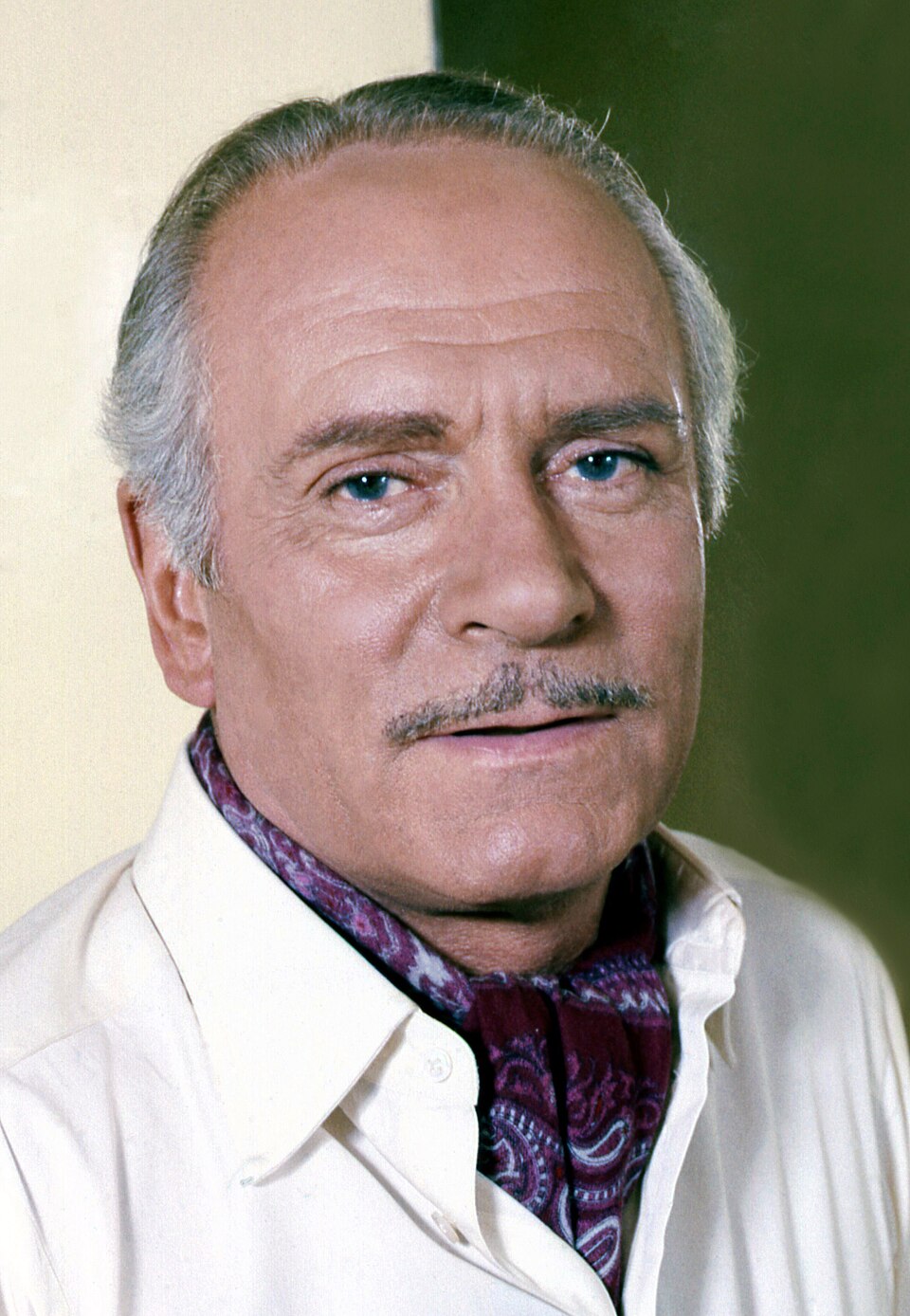
Laurence Olivier
Stage actor
He developed stage fright at fifty-seven and kept walking on stage anyway, terrified, for years.
2 documented failures