Zaha Hadid
What failed
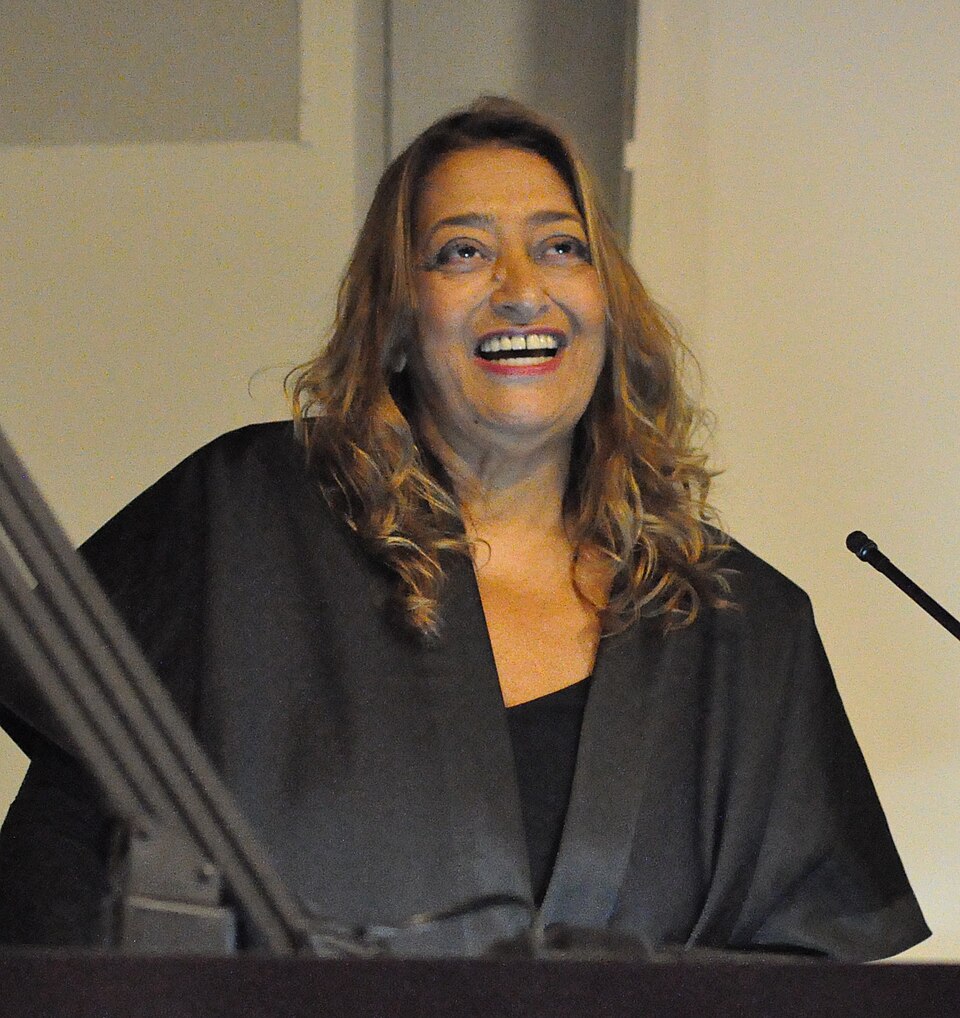
She opened her practice in 1979, and for fourteen years not one of her buildings was built. The Peak, the Kurfürstendamm, Düsseldorf — drawn, published, admired, abandoned. Then Cardiff: she won it in 1994, was obliged to re-compete, won again, and lost it anyway when the Millennium Commission refused to fund it in December 1995.
What happened next
She was forty-two before a building of hers existed. She kept the office running on teaching and paintings, took the Cincinnati arts centre, and won the Pritzker at fifty-three — the first woman to take it.
The point
She was called a paper architect as an insult, and for a decade it was accurate. The drawings were not consolation for the buildings she could not get; they were how the ideas survived long enough to be built.
The sequence
3 documented failures, shown with the successes in between. Every entry carries its own source — the wins are part of the record, and leaving them out is how these stories get distorted.
- 1979
She founds her practice from her small mews house in London.
- 1983
Wins The Peak competition in Hong Kong. It is never realised.
- 1986-1993
The Kurfürstendamm, Düsseldorf and most other designs go unbuilt.
- 1990
Her reputation rests on teaching and on paintings of buildings that do not exist.
- 1993
Her first building is realised. She is forty-two.
- 1994
Wins the Cardiff Bay Opera House competition. She is made to re-compete, wins again, and the opera house is never built.
- 2004
The first woman to win the Pritzker Prize.
Sources
- About Zaha (Zaha Hadid Foundation)
she was obliged to re-compete for the project several times
- Zaha Hadid (Britannica)
nor were most of her other radical designs in the 1980s and early '90s
- Cardiff Bay Opera House (Wikipedia)
The decision to formally reject the bid for lottery money by the Millennium Commission was announced on 22 December 1995.
Use the ← and → keys to move between entries.
Related failures
Others in design & fashion, and nearby.

Brian Chesky
Airbnb co-founder
The Airbnb co-founder published a letter saying his own previous statement had not reflected his true feelings, and that they had dropped the ball.
3 documented failures

Vera Wang
Fashion design
She missed the Olympic team, was passed over for the top job at Vogue, and had no label of her own until she was forty.
5 documented failures
Christian Dior
Fashion design
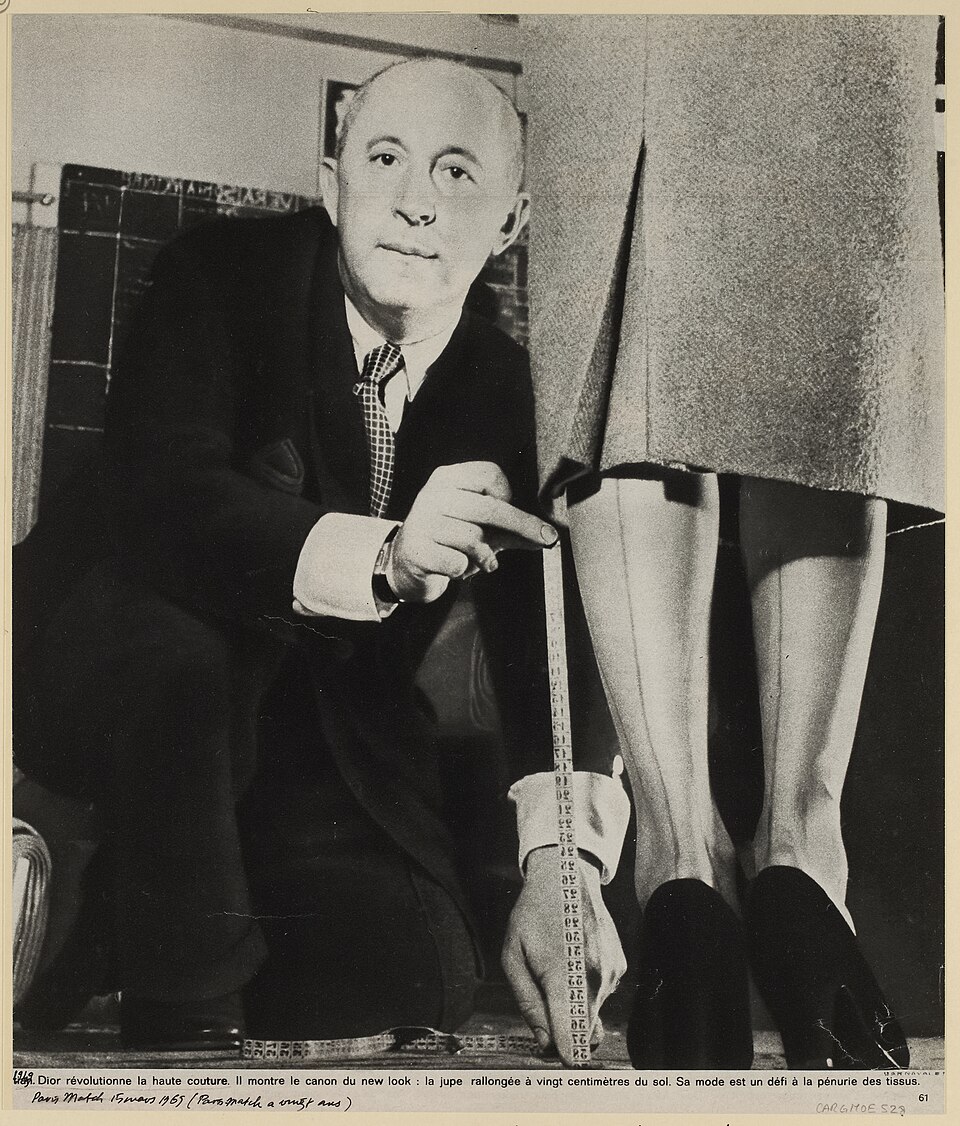
Two galleries lost, tuberculosis, and a year in Paris with no income and nowhere to live. The New Look came at forty-two.
4 documented failures
Frank Lloyd Wright
Architecture
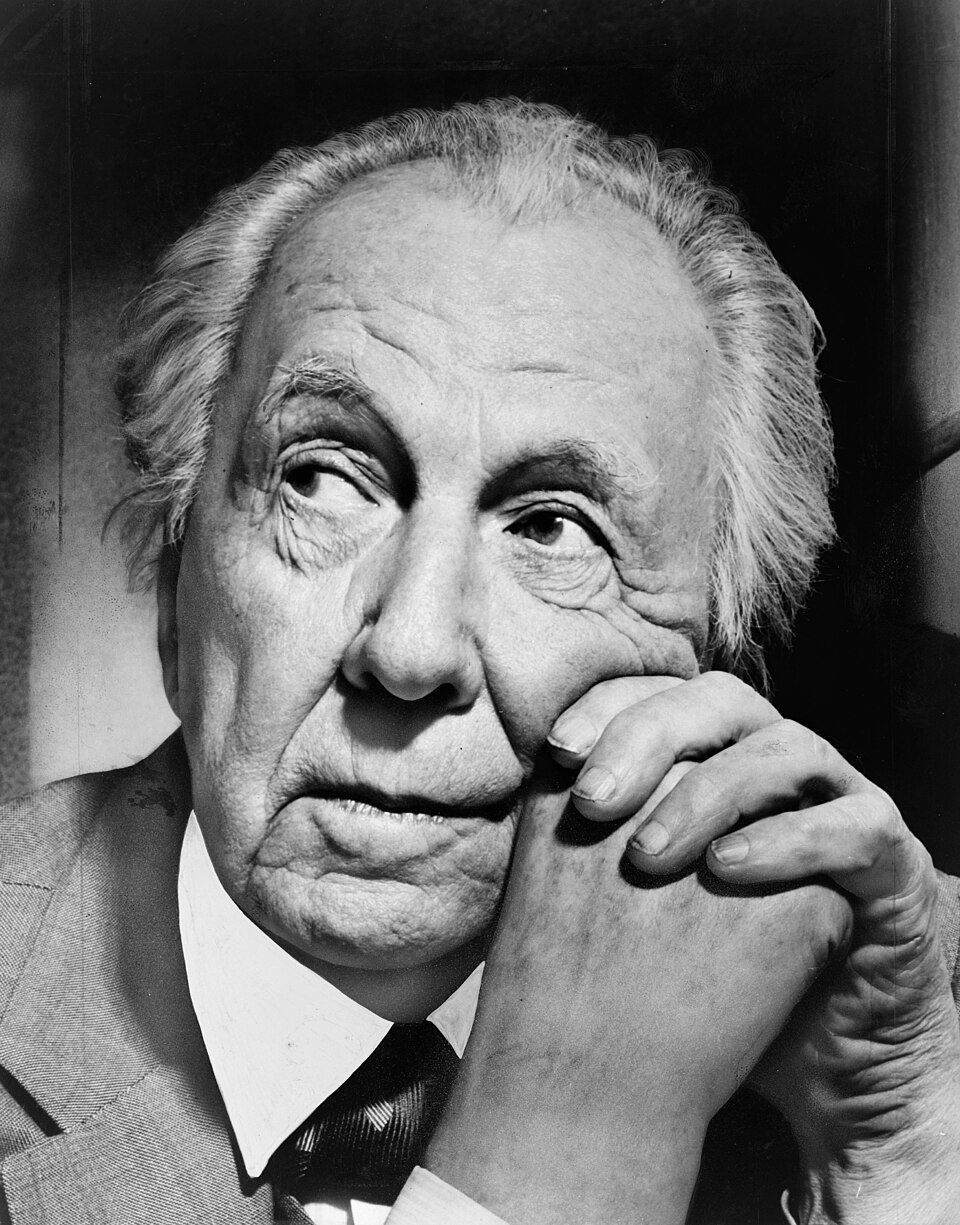
Two fires, a massacre, a foreclosure, an arrest, and twelve years of near-silence. Fallingwater came at sixty-seven.
6 documented failures