Sir James Dyson

What failed
From 1979 he built 5,127 prototypes of a bagless cyclonic vacuum over about five years, going further into debt throughout. Licensing talks with manufacturers got a long way and were then killed by in-house patent counsel. No bank or investor would lend to him until 1993.
What happened next
After two years looking for a licensee in Britain and Europe, he licensed the design in 1986 to Apex, a small Japanese company, which sold it as the G-Force. Income from the Japanese licence let him set up his own company, and in 1993 a Lloyds Bank loan, lobbied for by his bank manager, paid for the tooling to put the DC01 into production in Britain, fourteen years after the idea. The usual telling drops the Japan step entirely, which is the most interesting part of it.
The point
The prototypes were not five thousand separate ideas. Each changed one thing from the one before, so that whether it did better or worse showed what to try next. By his own account, that rule is one reason there were so many.
The sequence
1 documented failure, shown with the successes in between. Every entry carries its own source — the wins are part of the record, and leaving them out is how these stories get distorted.
- 1979
Starts building prototypes of a bagless cyclonic vacuum, going further into debt throughout.
- 1984
5,127 prototypes later, licensing talks with manufacturers are killed by their in-house patent counsel.
- 1986
After two years looking for a licensee in Britain and Europe, he licenses the design to Apex, a small Japanese company, which sells it as the G-Force.
- 1993
Income from the Japanese licence lets him set up his own company, and a Lloyds Bank loan pays for the tooling; the DC01 goes into production in Britain, fourteen years after the idea.
Sources
- James Dyson on the vacuum that made him (Fortune, 2017)
From 1979 to the early 1980s, I worked on developing the Cyclone technology and was getting further and further into debt ... The talks went a long way until it got to the in-house patent counsel, who then blocked it.
- Failure Doesn't Suck (Fast Company, 2007) — Dyson in his own words
I made 5,127 prototypes of my vacuum before I got it right. There were 5,126 failures. But I learned from each one. That's how I came up with a solution. So I don't mind failure.
- James Dyson: Business whirlwind (BBC News, 2002)
After five years in development and two more trawling the UK and Europe looking for someone to license the product, Dyson finally took it to Japan.
- James Dyson: Business whirlwind (BBC News, 2002)
Using income from the Japanese licence, Dyson decided to manufacture a new model under his own name in the UK.
- Design Matters: Sir James Dyson (PRINT Magazine, 2025) — Dyson in conversation with Debbie Millman
So a lot of people want to be brilliant and leap to the final answer, but you start and you make one change at a time, and you wait to see what difference that change makes, and sometimes it makes it better and sometimes it makes it worse, and then you wonder why, and that tells you what to do for the next prototype and the next prototype and so on.
Use the ← and → keys to move between entries.
Related failures
Others in technology & invention, and nearby.
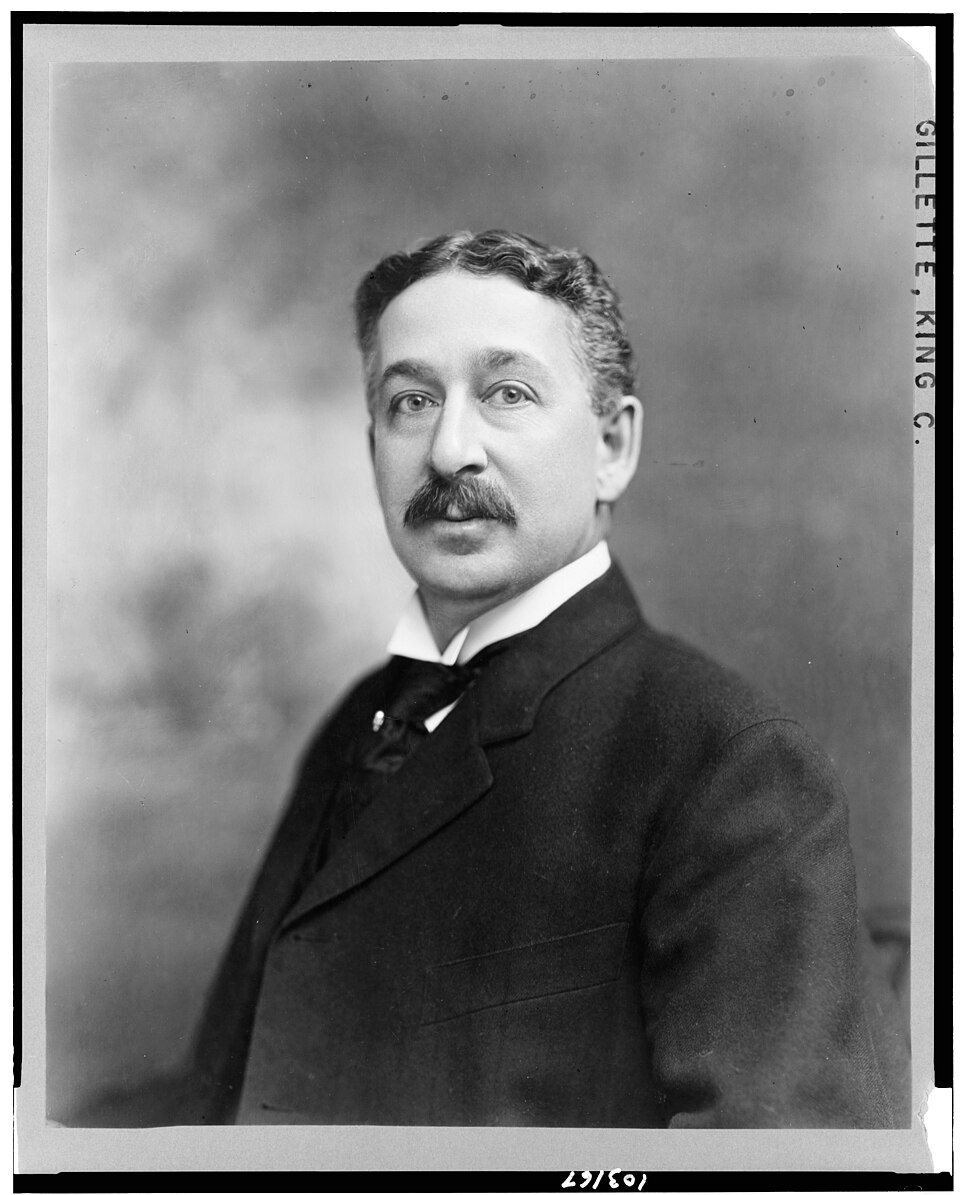
King Camp Gillette
Invention and manufacturing
Metallurgists at MIT told him it could not be done. He spent six more years failing at it.
6 documented failures
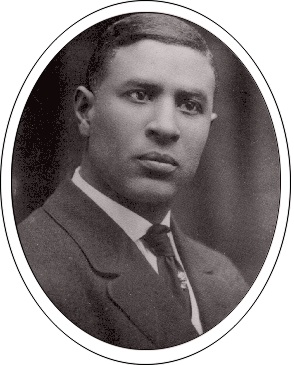
Garrett Morgan
Invention
He hired a white actor to pose as the inventor, then demonstrated his own breathing hood under an assumed name.
7 documented failures
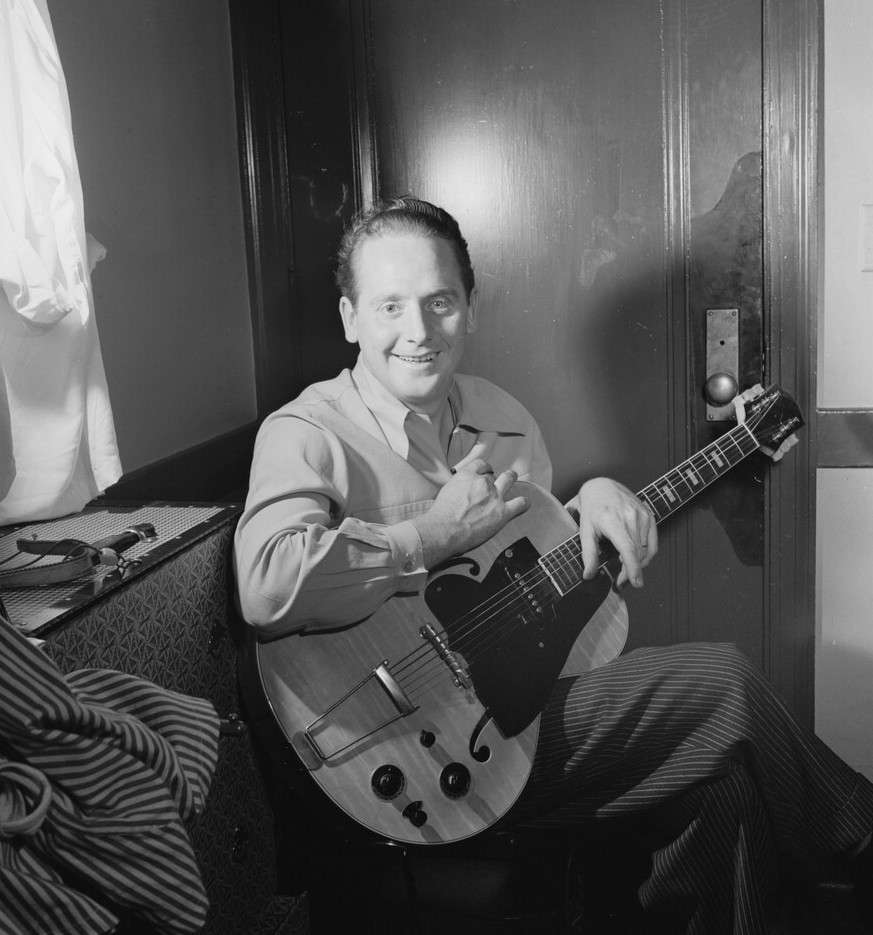
Les Paul
Music and invention
Gibson called him the kid with the broomstick with the pickups on it.
6 documented failures
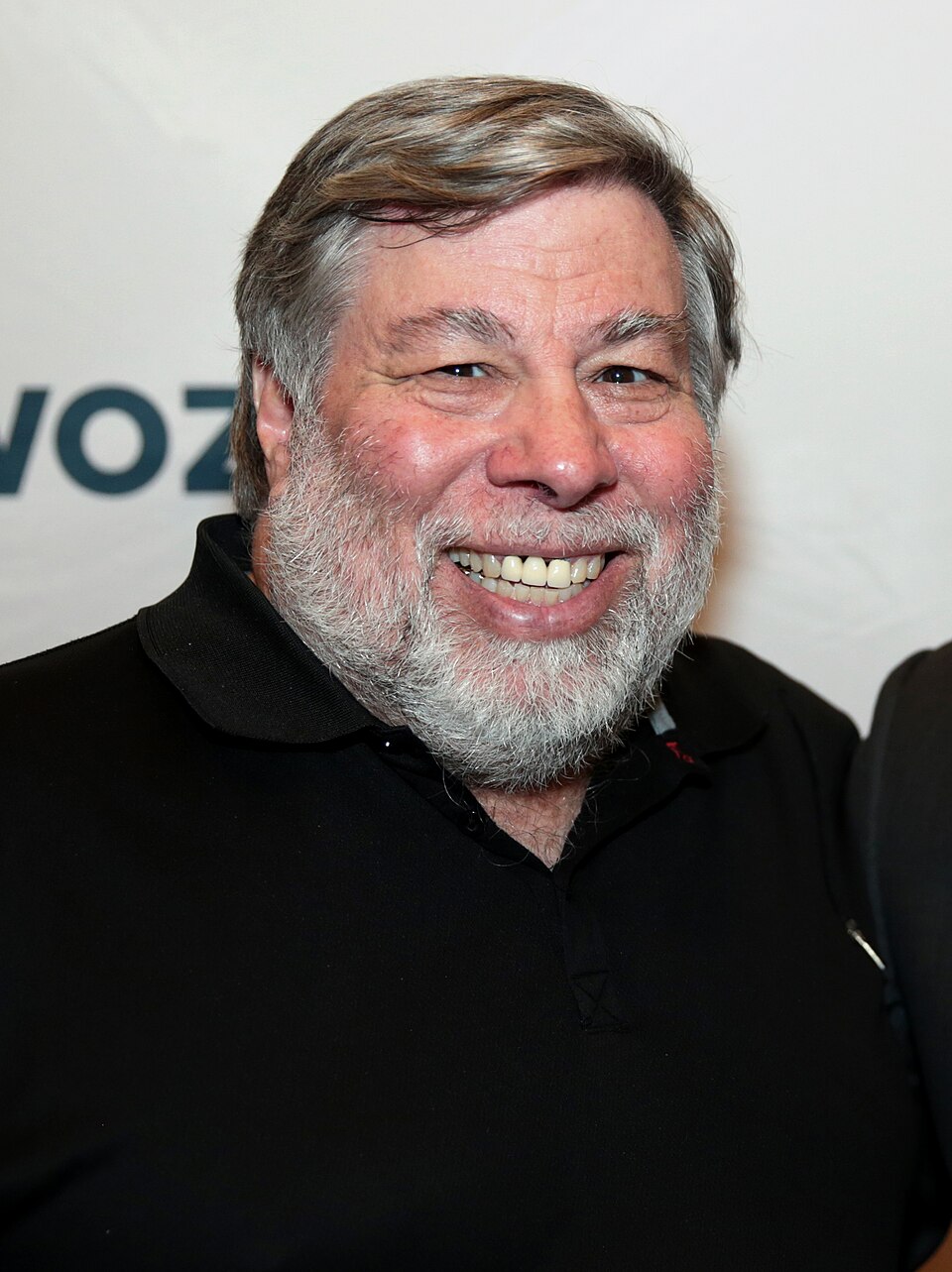
Steve Wozniak
Computer engineering
He offered the design to his own employer first. They did not want it.
5 documented failures