Nelson Mandela
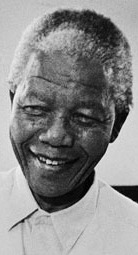
What failed
He was thrown out of university, then left law school without qualifying. His first campaign brought a conviction and a banning order that made him a spectator at the adoption of his own movement's charter. The strike he organised was called off. The armed struggle was broken within eighteen months.
What happened next
He served twenty-seven years and negotiated from inside, having first refused release on the state's terms. He finished the law degree he abandoned in 1952 while still a prisoner.
The point
Refusing a bad deal is a decision you can make from a prison cell, and it is sometimes the only one available. The whole settlement depended on his declining the offer of 1985.
The sequence
4 documented failures, shown with the successes in between. Every entry carries its own source — the wins are part of the record, and leaving them out is how these stories get distorted.
- 1940
Expelled from Fort Hare for joining a student protest.
- 1952
Leaves law school without graduating.
- 1952
Convicted under the Suppression of Communism Act.
- 1952
Banned for the first time. As a restricted person he can only watch in secret when the Freedom Charter is adopted at Kliptown on 26 June 1955.
- 1961
Acquitted after four and a half years on trial for his life, and goes underground.
- 1964
Sentenced to life imprisonment after the Rivonia raid.
- 1985
Refuses release on condition of renouncing violence.
- 1990
Released from Victor Verster Prison after twenty-seven years.
- 1994
Inaugurated as South Africa's first democratically elected president.
Sources
- Biography of Nelson Mandela (Nelson Mandela Foundation)
he was inaugurated as South Africa's first democratically elected President
- Trials and prison chronology (Nelson Mandela Foundation)
Mandela and seven others are sentenced to life imprisonment.
Use the ← and → keys to move between entries.
Related failures
Others in politics, and nearby.
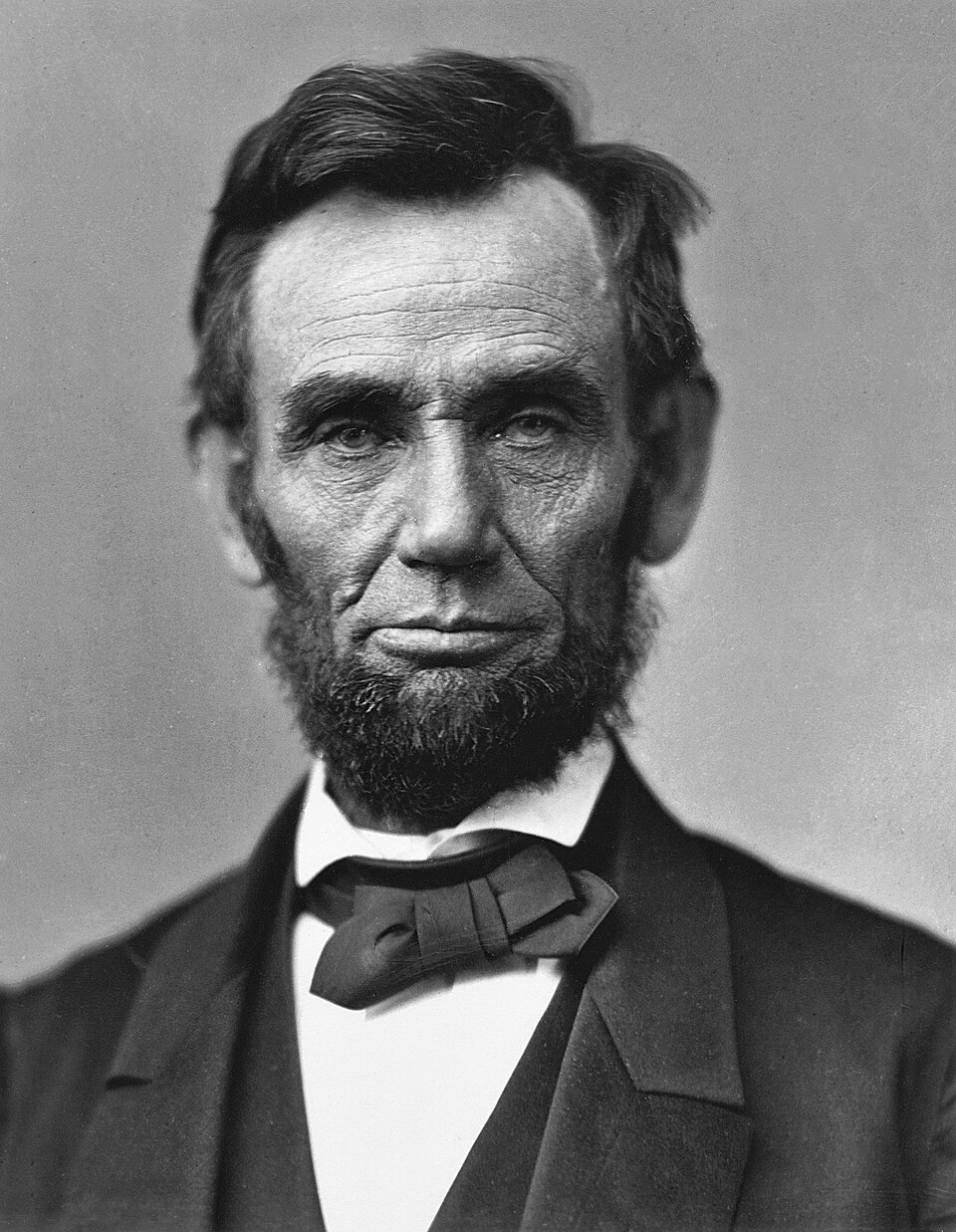
Abraham Lincoln
Law and politics
The famous list of his failures is mostly invented. The real record is better.
11 documented failures
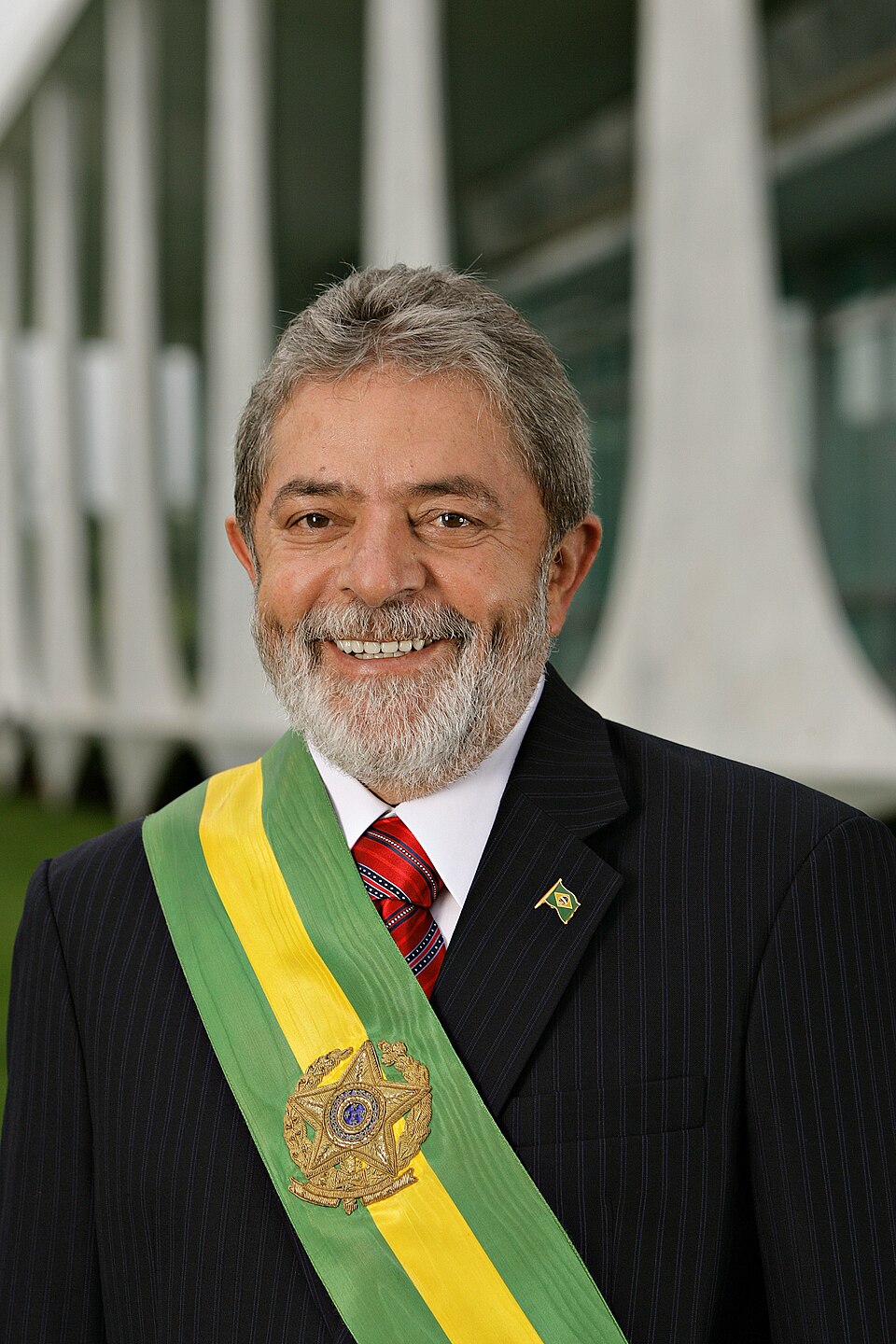
Luiz Inácio Lula da Silva
Trade unionism and politics
He lost three presidential elections in a row before winning the fourth.
4 documented failures
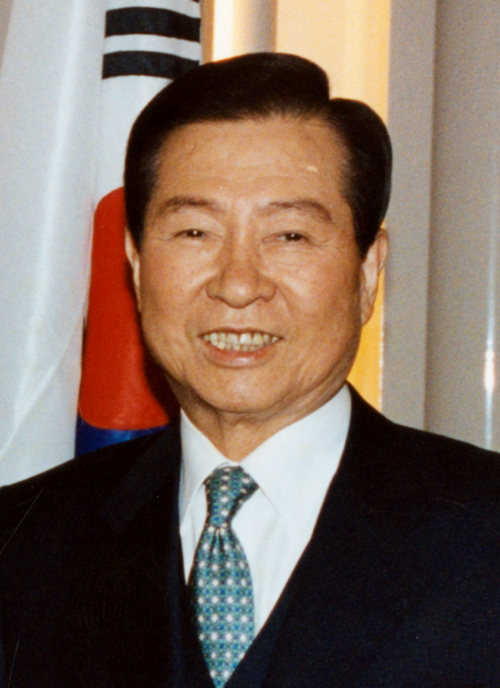
Kim Dae-jung
Politics
Three lost presidential elections, a kidnapping, and a death sentence — then the presidency and a Nobel Prize.
3 documented failures
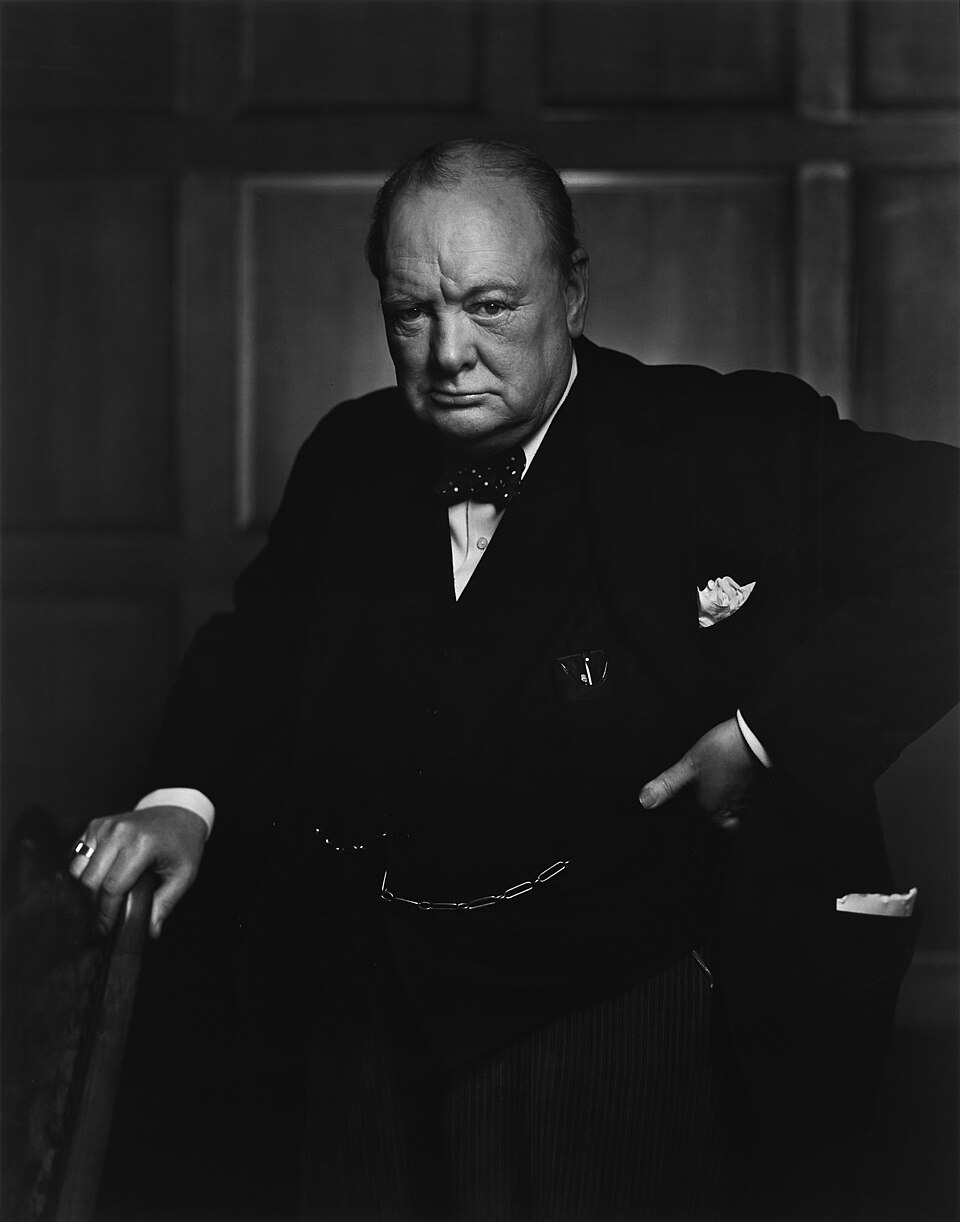
Winston Churchill
Politics
He lost his seat twice, was blamed for a military catastrophe, and spent the 1930s written off entirely.
9 documented failures