Charles de Gaulle
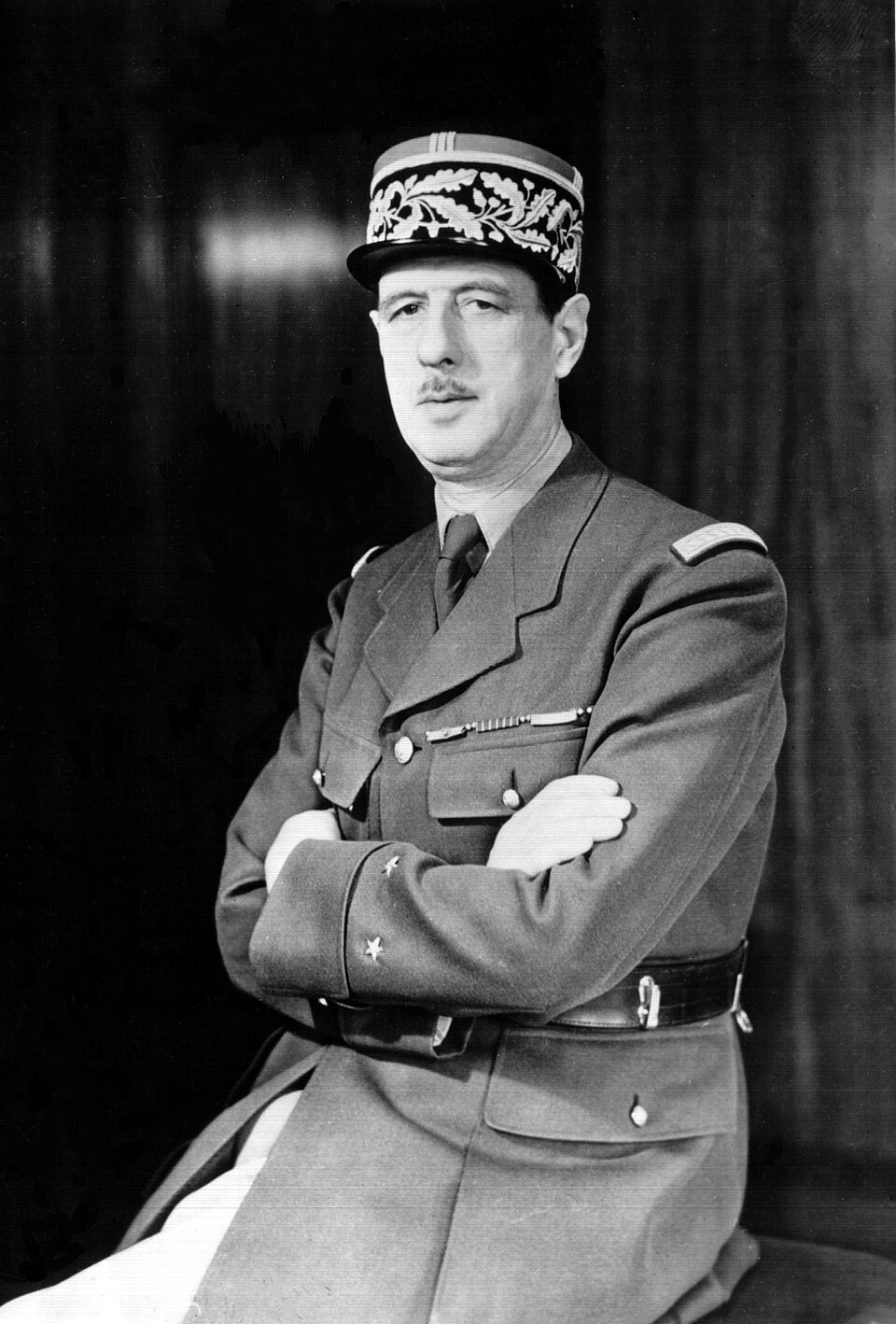
What failed
Every institution he belonged to rejected him in turn. The army held his tank doctrine to be a threat and froze him out; a French court condemned him to death for desertion; his attempt to take Dakar for Free France in September 1940 ended in withdrawal under fire; and his first political party he dissolved himself.
What happened next
He waited. Between 1946 and 1958 he held no office at all, and for two of those years made no public appearance. He was recalled only when the Fourth Republic could no longer govern.
The point
Being right early is indistinguishable, at the time, from being wrong. His answer was not to be vindicated but to be available — twelve years keeping himself in a condition to be called for.
The sequence
6 documented failures, shown with the successes in between. Every entry carries its own source — the wins are part of the record, and leaving them out is how these stories get distorted.
- 1916
Bayoneted and captured at Verdun. Thirty-two months a prisoner, and five failed escapes.
- 1934
His book arguing for a mechanised professional army is rejected by the French high command.
- 1940
He begins the Free French with almost nothing.
- 1940
A French military court sentences him to death in absentia.
- 1946
He resigns as head of the provisional government expecting to be recalled. He is not, for twelve years.
- 1955
His party is dissolved. He retires to Colombey and makes no public appearance for two years.
- 1958
Elected president on 21 December 1958, under a constitution drafted to his design by Michel Debré and still in force.
Sources
- Charles de Gaulle (Britannica)
On December 21, 1958, de Gaulle was elected president of the republic.
- Gaulle, Charles de (1914-1918-Online)
a German soldier thrust his bayonet into de Gaulle's thigh
- Constitution of France (Wikipedia)
Charles de Gaulle was the main driving force in introducing the new constitution and inaugurating the Fifth Republic, while the text was drafted by Michel Debré.
- Free France (Wikipedia)
In September 1940 an Anglo French naval force fought the Battle of Dakar, also known as Operation Menace, an unsuccessful attempt to capture the strategic port of Dakar in French West Africa. The local authorities were not impressed by the Allied show of strength, and had the better of the naval bombardment which followed, leading to a humiliating withdrawal by the Allied ships.
Use the ← and → keys to move between entries.
Related failures
Others in military, and nearby.
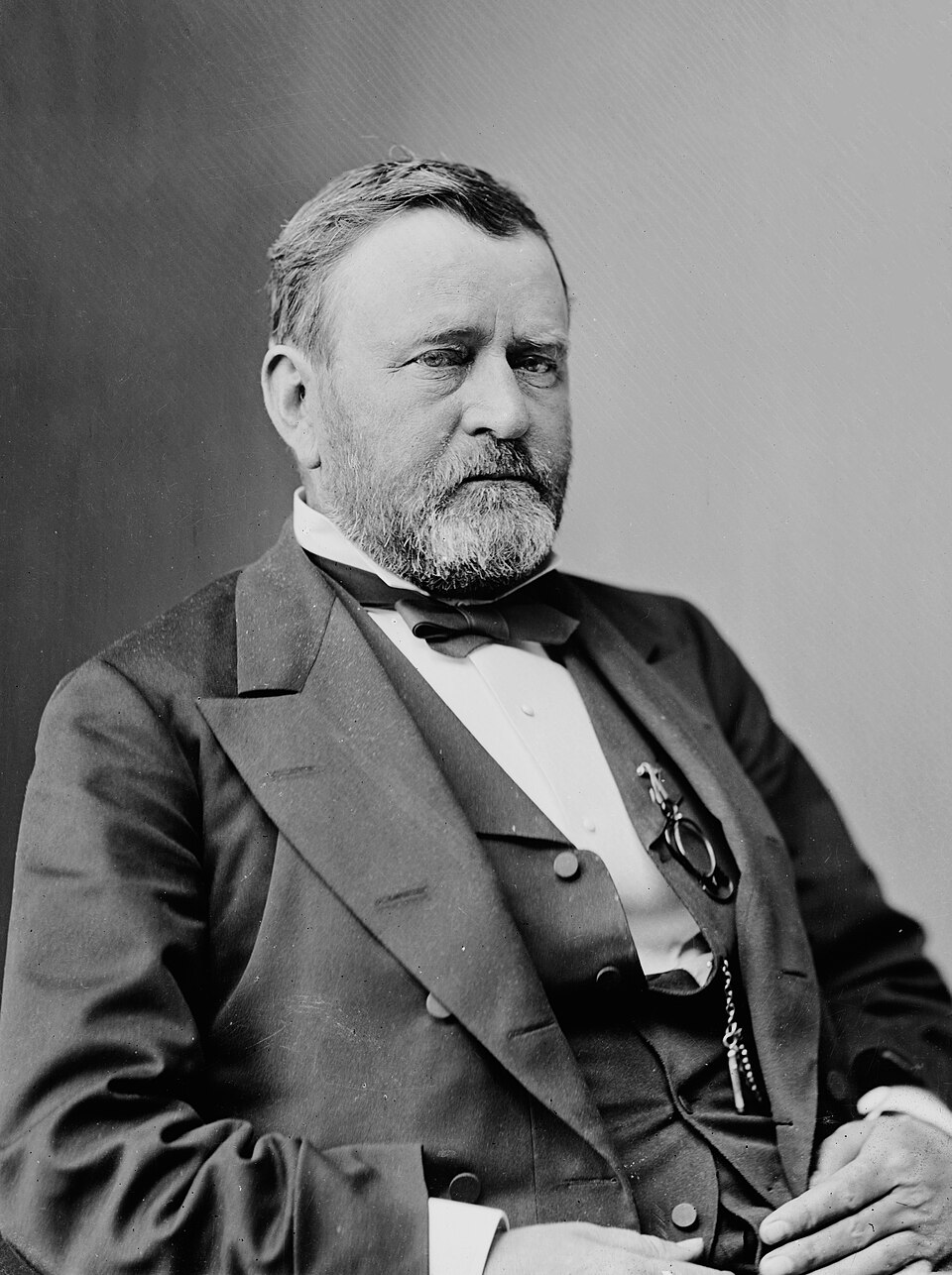
Ulysses S. Grant
Soldiering and politics
He sold firewood on street corners in worn-out clothes, and pawned his watch two days before Christmas.
7 documented failures
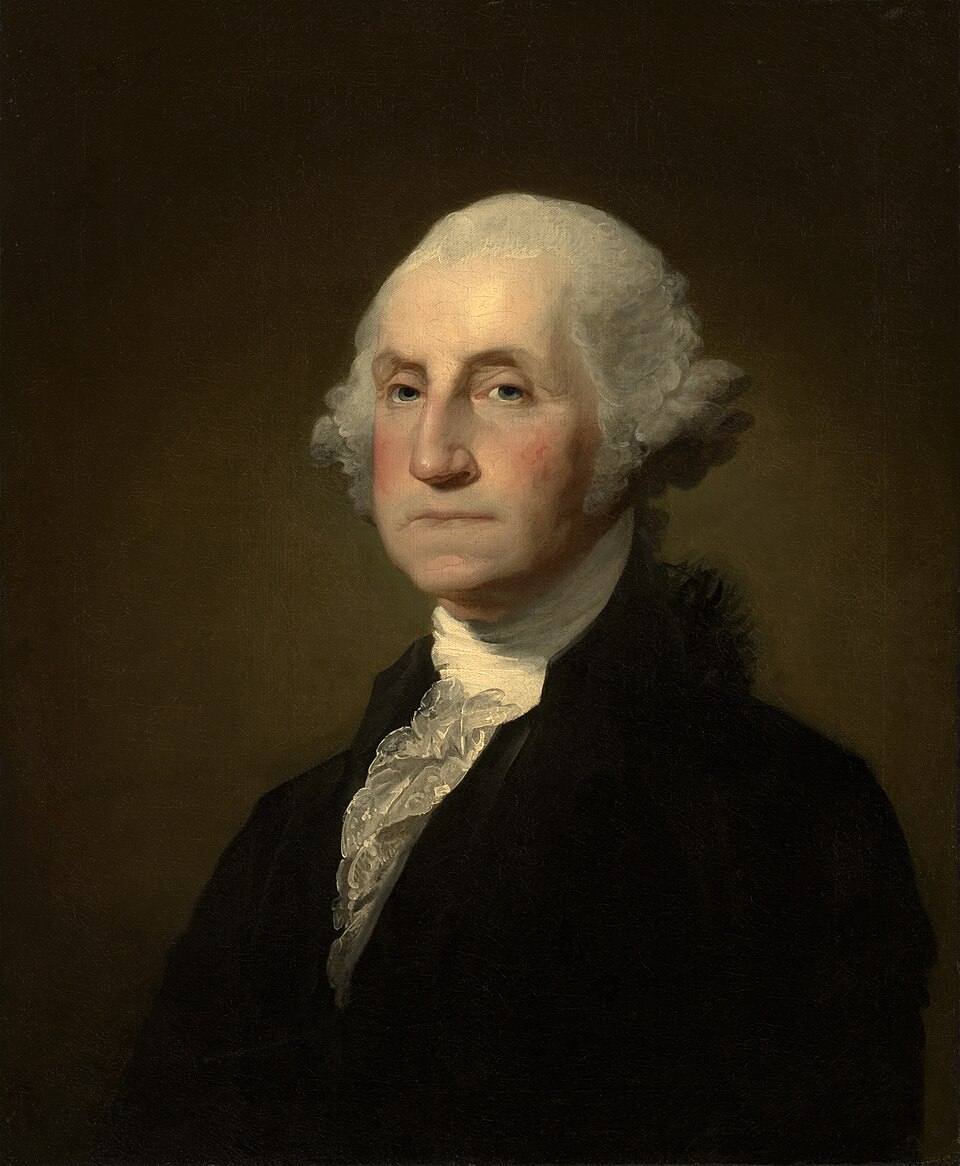
George Washington
Soldiering
He surrendered on his first independent command, and lost more battles than he won.
7 documented failures
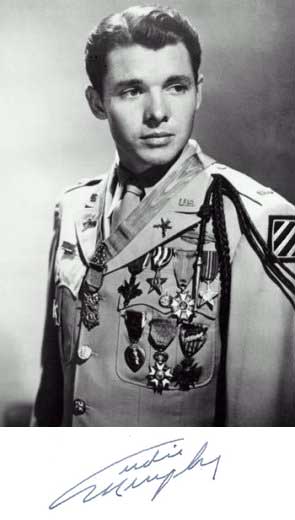
Audie Murphy
Soldiering
Turned away by the Marines for being too short, then by the paratroopers, then nearly sent to cookery school.
6 documented failures
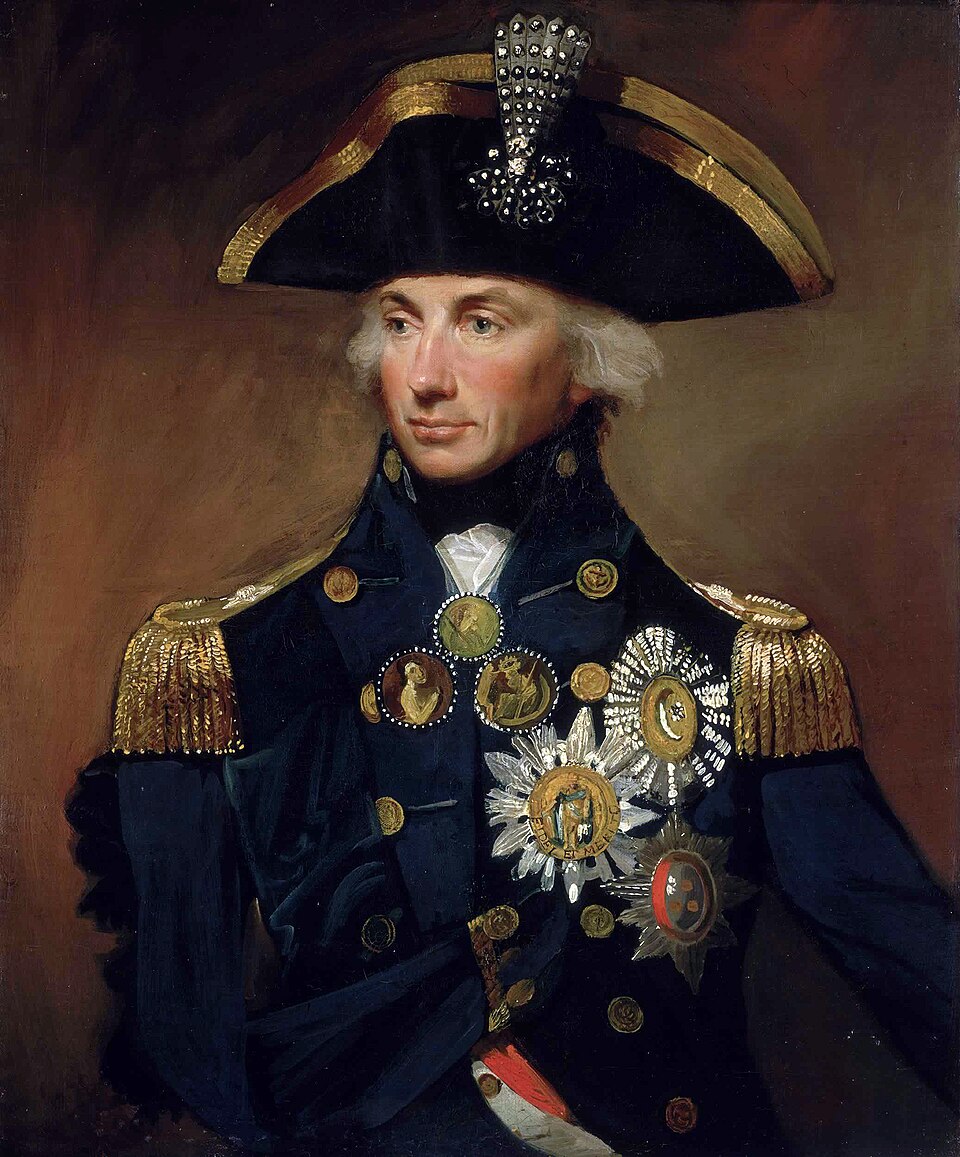
Horatio Nelson
Naval command
He lost the use of an eye, then an arm, then wrote that he was a burden to his friends and useless to his country.
5 documented failures