John Logie Baird
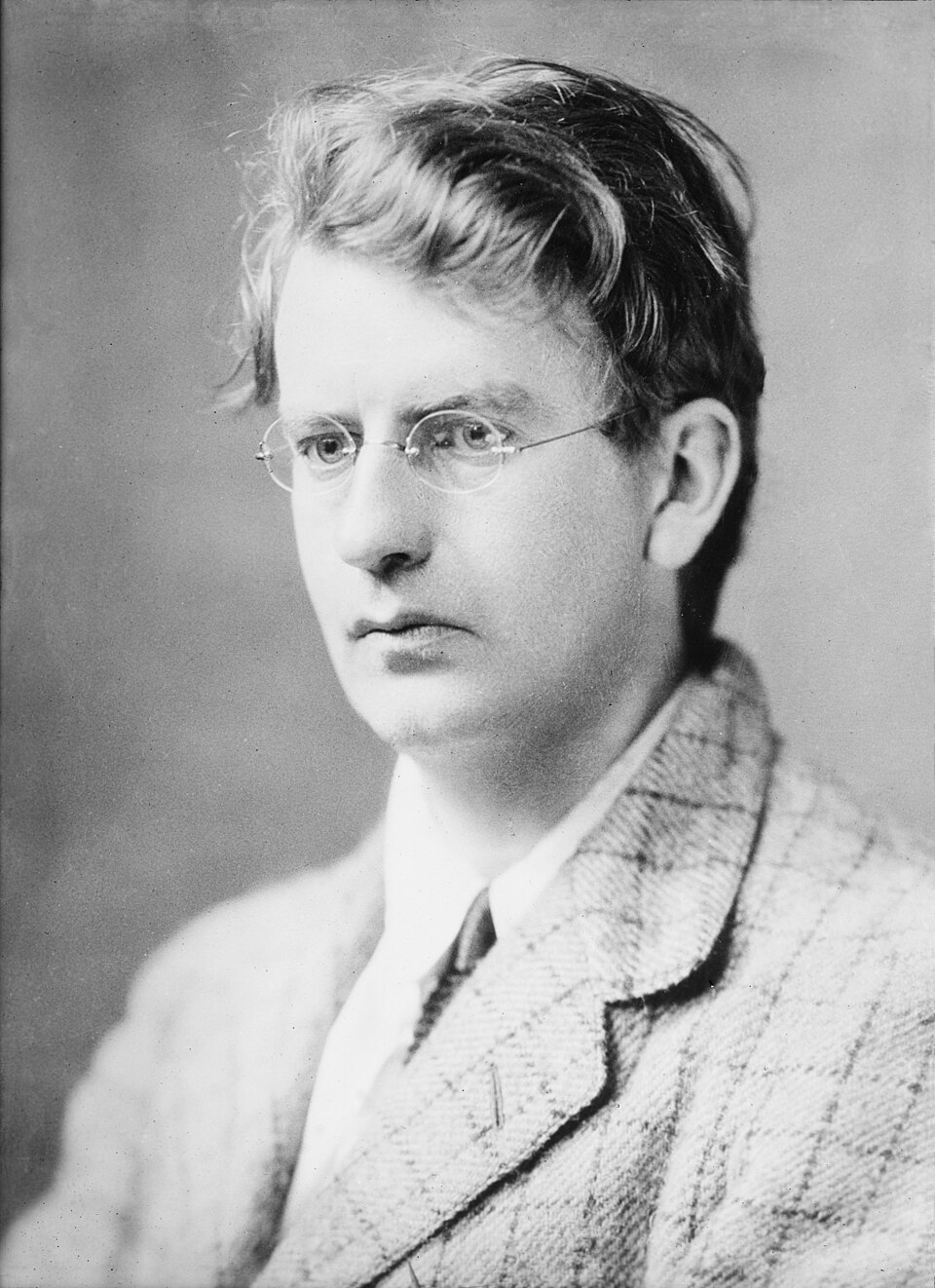
What failed
He volunteered for the British Army at the beginning of 1915 and was classified unfit for active duty. Working for the Clyde Valley Electrical Power Company, he tried to make diamonds with electricity borrowed from his employer and brought down the Rutherglen supply. He wound up his undersock business in 1918 because of his health, having made fifteen times what he would have earned at the power plant, then sailed for Trinidad in November 1919 to make jam from cheap local fruit, and came back to London in late 1920 with most of his capital gone. The other ventures of those years mostly lost money too: an Australian honey import business, boot polish, fertiliser, and a low-grade floor cleaner called Baird's Speedy Cleanser. A health breakdown took him to Hastings in the spring of 1923. In July 1924 a 1,000-volt shock burnt his hand and his landlord asked him to leave. When he called at the Daily Express to publicise the machine, the news editor told a member of staff to go down and get rid of the lunatic in reception.
What happened next
On 2 October 1925 he transmitted the first greyscale television picture, the head of a ventriloquist's dummy, and then fetched a twenty-year-old office worker, William Edward Taynton, so that a human face could be televised. He demonstrated the Televisor to members of the Royal Institution on 26 January 1926; The Times reported that the image was faint and often blurred. The first transatlantic transmission followed in 1928, the first television programmes officially transmitted by the BBC in 1929. Then the failures resumed. The BBC Control Board withdrew from making programmes with him on 22 July 1930, leaving only the engineering support it was obliged to give. His managing directorship of Baird Television was nominal, with no administrative duties attached to it. From 2 November 1936 the BBC alternated his 240-line system with Marconi-EMI's 405-line electronic system at Alexandra Palace, and dropped his in February 1937, three months into a trial meant to run six, due in part to a disastrous fire in the Baird facilities at Crystal Palace. The company went into receivership when television stopped at the outbreak of war in 1939. He carried on at his own expense, gave the first demonstration of a practical fully electronic colour television display on 16 August 1944, and died on 14 June 1946, a week after the BBC resumed the service.
The point
The record does not run failure first and success afterwards. The largest defeat, the BBC dropping his system in February 1937, arrived eleven years after the demonstration that made his name, and the receivership two years after that. He was funding his own research in his last years, and his post-war plan for a 1000-line colour standard lost all momentum. The failures and the successes occupy the same decades rather than consecutive ones, and the man who demonstrated television to members of the Royal Institution had, six years earlier, been in Port of Spain trying to sell jam.
The sequence
9 documented failures, shown with the successes in between. Every entry carries its own source — the wins are part of the record, and leaving them out is how these stories get distorted.
- 1915
Volunteered for the British Army and was classified unfit for active duty; took a job with the Clyde Valley Electrical Power Company instead.
- c. 1915
Tried to manufacture diamonds using his employer's electricity and brought down the Rutherglen supply network.
- 1918
Wound up the Baird Undersock business in poor health, having made fifteen times what he would have earned as an employee at the power plant.
- 1919
Sailed for Trinidad to make jam, partly in the hope that a warm climate would restore the health that had made marriage impossible.
- 1920
Returned to London with most of his capital gone.
- c. 1920
A string of mostly money-losing ventures between the end of the war and the early 1920s: honey importing, boot polish, fertiliser, and a floor cleaner sold as Baird's Speedy Cleanser.
- 1923
Arrived in Hastings after a health breakdown and began his television experiments as he recovered.
- 1924
Demonstrated to the Radio Times in February that a semi-mechanical television system could transmit moving silhouettes.
- 1924
Took a 1,000-volt shock in July, escaped with a burnt hand, and was asked by his landlord to vacate the premises.
- c. 1924
Called at the Daily Express to publicise the invention and was treated as a madman by the news editor.
- 1925
Gave the first public demonstration of moving silhouette images at Selfridges, over three weeks from 25 March.
- 1925
Transmitted the first greyscale television picture on 2 October, the head of a ventriloquist's dummy at five pictures per second.
- 1925
Fetched a twenty-year-old office worker downstairs to see what a human face would look like; William Edward Taynton became the first person televised in a full tonal range.
- 1926
Demonstrated the Televisor to members of the Royal Institution on 26 January; The Times called the picture faint and often blurred.
- 1928
The Baird Television Development Company made the first transatlantic television transmission, London to Hartsdale, New York.
- 1930
The BBC Control Board withdrew from making programmes with him on 22 July, leaving only the engineering support it was obliged to provide.
- 1932
His managing directorship was a nominal title: a large salary, no administrative duties, and research to get on with.
- 1936
From 2 November the BBC alternated Baird's 240-line transmissions with the Marconi-EMI 405-line electronic system at Alexandra Palace.
- 1937
The BBC ceased broadcasting with the Baird system in February, three months into a trial meant to run six.
- 1937
The reason usually given is narrower than mechanical losing to electronic: the museum names his cumbersome intermediate film process, and notes that his own studio also housed a camera with an electronic tube.
- 1939
Baird Television Ltd went into receivership when broadcast television was stopped by the outbreak of war.
- 1944
Gave the world's first demonstration of a practical fully electronic colour television display on 16 August.
- c. 1945
Persuaded the committee planning post-war television to adopt his 1000-line Telechrome colour system as the new broadcast standard.
Sources
- John Logie Baird — Wikipedia
At the beginning of 1915 he volunteered for service in the British Army but was classified as unfit for active duty. Unable to go to the front, he took a job with the Clyde Valley Electrical Power Company, which was engaged in munitions work.
- John Logie Baird — Engineering and Technology History Wiki
A string of mostly money-losing business ventures created between the end of World War I and the early 1920s followed. These included an a jam factory, Australian honey import business, manufacturing boot polish, selling fertilizer, and marketing a low-grade floor cleaner called Baird's Speedy Cleanser.
- Historic Figures: John Logie Baird (1888-1946) — BBC History
Marconi-EMI won, and in 1937 Baird's system was dropped.
- The "Televisor": Successful Test of New Apparatus — The Times (London), 28 January 1926, p. 9, reproduced at bairdtelevision.com
The image as transmitted was faint and often blurred, but substantiated a claim that through the "Televisor" as Mr. Baird has named his apparatus, it is possible to transmit and reproduce instantly the details of movement, and such things as the play of expression on the face.
- John Logie Baird the innovator — Malcolm Baird, bairdtelevision.com
He returned to London in late 1920 with most of his capital gone and a notebook full of scribbled ideas for hair restorer and boot polish, etc.
- Baird's Trip to Trinidad in 1919 — Malcolm Baird, bairdtelevision.com
His health was so poor that marriage was out of the question, and one of the reasons for going to Trinidad was that a warm climate might cure him.
- John Logie Baird—the final months, 1945-1946 — Malcolm Baird, bairdtelevision.com
However the company went into receivership when broadcast television was stopped by the outbreak of war in 1939.
- 80 years ago: The opening of the British Television Service — National Science and Media Museum
This was not the only technology used in Studio B (in fact, the camera in the image below is an Electron camera, housing an electronic tube), but the intermediate film system is one of the most cited reasons why Marconi-EMI won out against Baird, as the system was deemed too cumbersome and dropped after a few months.
- Baird versus the BBC — Richard G Elen, Transdiffusion Broadcasting System
The BBC Control Board was not particularly pleased with the results. On July 22, 1930, they decided to suspend programming involvement and continue solely with engineering support, the minimum they were obliged to give Baird under their orders from the PMG.
Use the ← and → keys to move between entries.
Related failures
Others in technology & invention, and nearby.

Sir James Dyson
Industrial design
5,127 prototypes. That is one method, run five thousand times.
1 documented failure
King Camp Gillette
Invention and manufacturing
Metallurgists at MIT told him it could not be done. He spent six more years failing at it.
6 documented failures
Garrett Morgan
Invention
He hired a white actor to pose as the inventor, then demonstrated his own breathing hood under an assumed name.
7 documented failures
Les Paul
Music and invention
Gibson called him the kid with the broomstick with the pickups on it.
6 documented failures