Garrett Morgan
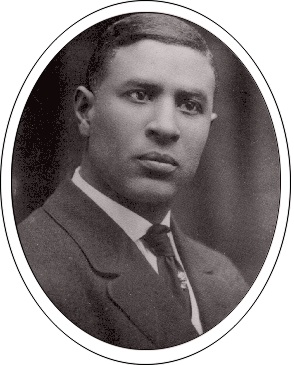
What failed
He left home at fourteen with six years of schooling and paid a tutor out of a handyman's wages. He arrived in Cleveland sweeping floors for five dollars a week. He sold his first invention, a belt fastener for sewing machines, outright for a hundred and fifty dollars. An employer told him to end his relationship with the woman he would marry, who was white, or be fired; he quit, and her family had her excommunicated. Then he built a breathing hood that saved lives and could not sell it, because buyers would not deal with a Black inventor.
What happened next
In 1914 he hired a white actor to pose as the inventor while he performed the demonstrations himself under an alias. It worked: the hood won a first prize, fire departments ordered it, and on 25 July 1916 he used it to bring men alive out of a gas-filled tunnel under Lake Erie. The papers reporting the rescue the next day left him out, and Southern cities cancelled their orders once his race was known. In 1923 he sold his traffic signal patent to General Electric for forty thousand dollars.
The point
The usual telling is that nobody would buy his invention. The record is worse and more precise: it sold well, but only after he had hidden himself behind an actor and a false name. The failure was never the product.
The sequence
7 documented failures, shown with the successes in between. Every entry carries its own source — the wins are part of the record, and leaving them out is how these stories get distorted.
- 1891
He leaves home at fourteen with six years of schooling, and pays a tutor out of a handyman's wages.
- 1895
He arrives in Cleveland sweeping floors for five dollars a week.
- 1901
He sells his first invention outright for a hundred and fifty dollars.
- 1907
His employer tells him to end his relationship or be fired. He quits.
- 1914
After repeated failed attempts to sell it, he hires a white actor to pose as the inventor.
- 1916
On 25 July he goes into the gas-filled tunnel under Lake Erie in his own hood, rescues two men alive and brings out four bodies.
- 1916
The papers reporting the rescue the next day leave him out.
- 1916
Southern cities cancel their orders once they learn the inventor is Black.
- 1923
He sells his traffic signal patent to General Electric for forty thousand dollars.
Sources
- Of courage and caution (United States Patent and Trademark Office)
For public appearances, he hired a white man to act as the primary salesman while he conducted the actual demonstration of its effectiveness.
- Morgan, Garrett A. (Encyclopedia of Cleveland History, Case Western Reserve University)
Morgan sold his traffic light to General Electric Co. for $40,000 in 1923.
Use the ← and → keys to move between entries.
Related failures
Others in technology & invention, and nearby.

Sir James Dyson
Industrial design
5,127 prototypes. That is one method, run five thousand times.
1 documented failure
King Camp Gillette
Invention and manufacturing
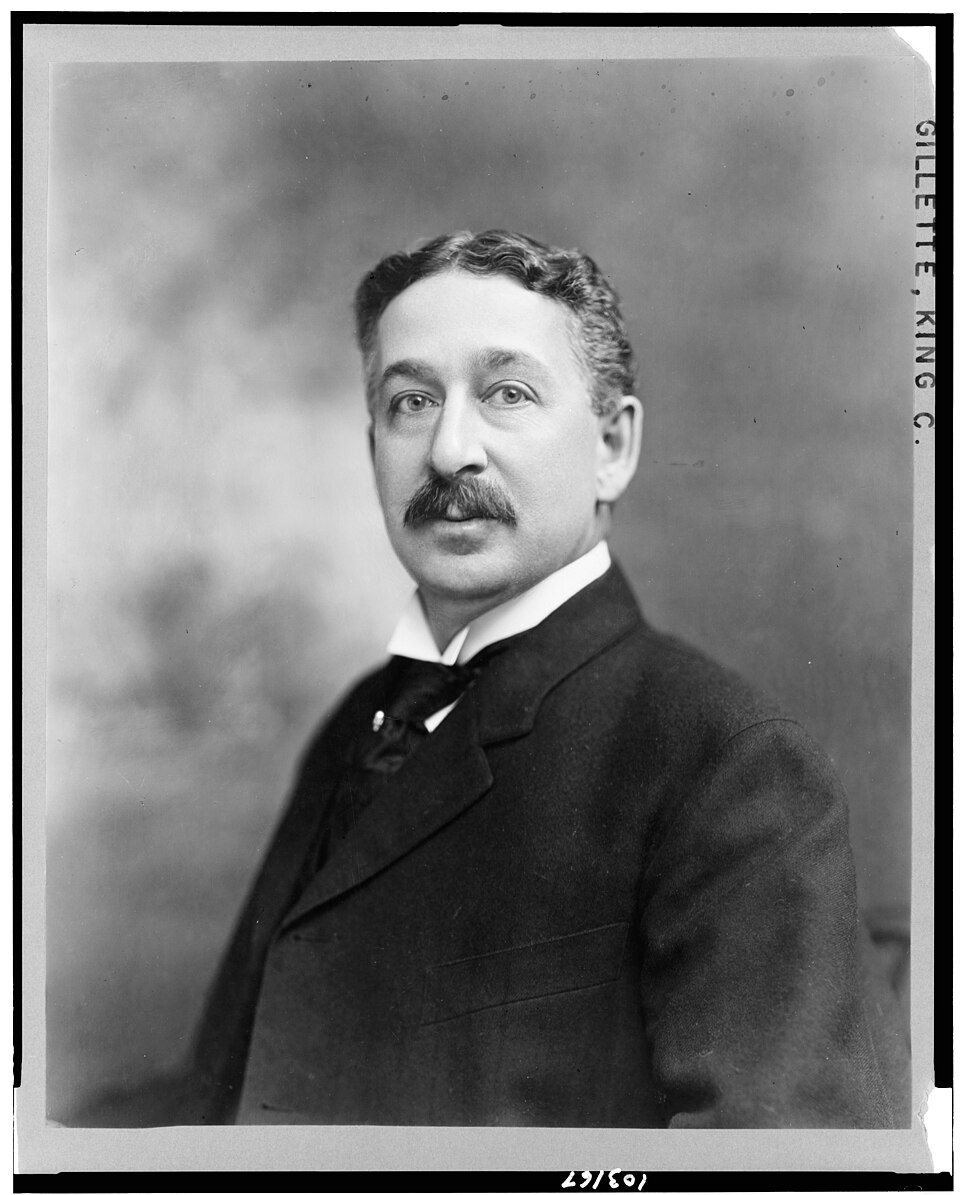
Metallurgists at MIT told him it could not be done. He spent six more years failing at it.
6 documented failures
Les Paul
Music and invention
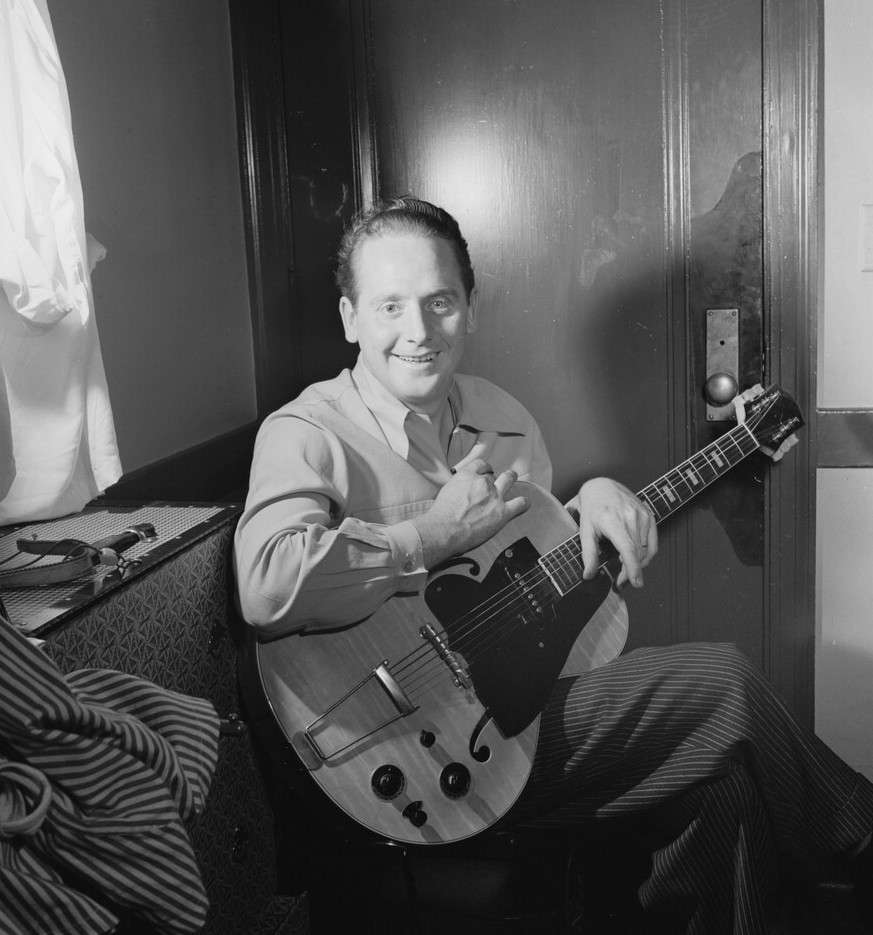
Gibson called him the kid with the broomstick with the pickups on it.
6 documented failures

Steve Wozniak
Computer engineering
He offered the design to his own employer first. They did not want it.
5 documented failures