Ignaz Semmelweis
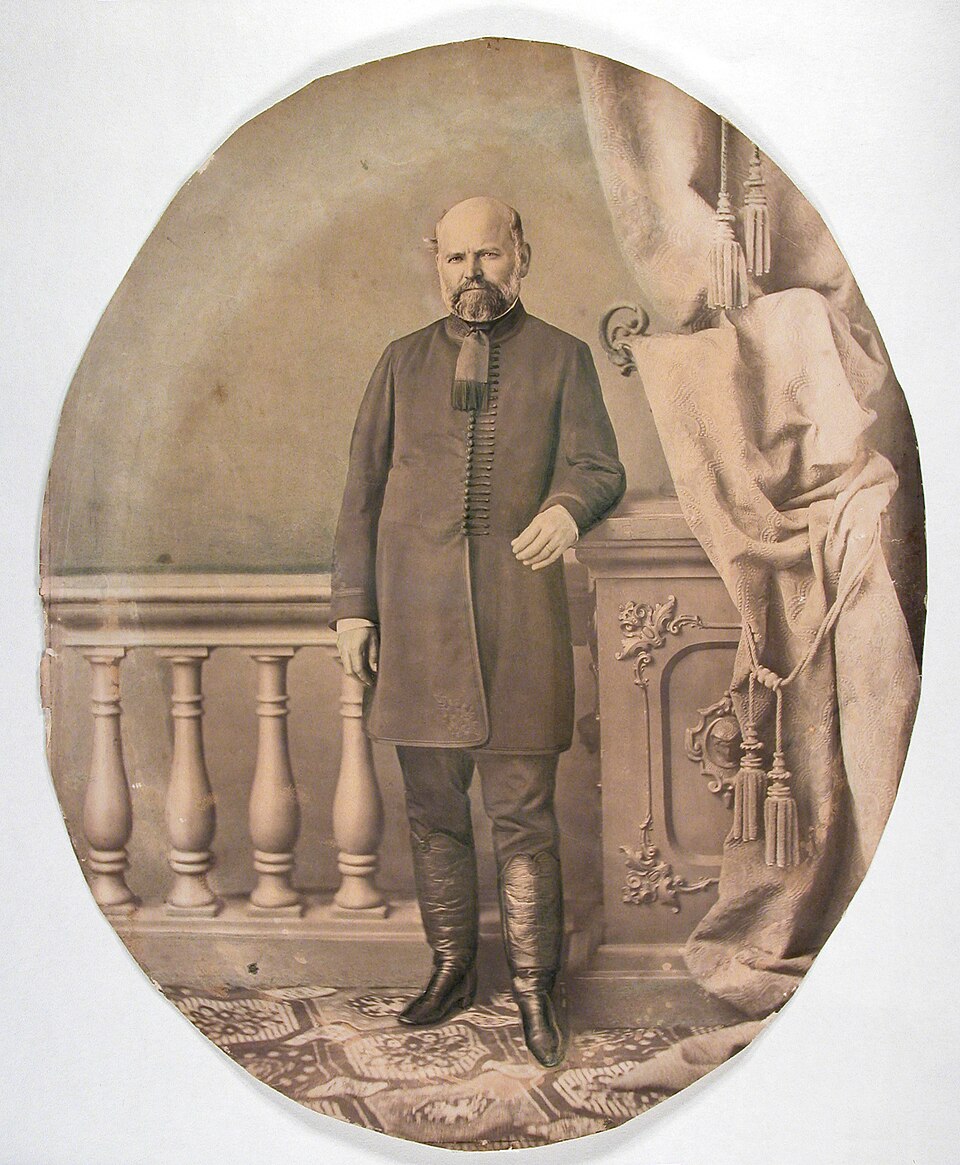
What failed
He worked out in 1847 that doctors coming from the autopsy room were killing women in labour. Chlorine hand washing began in his Vienna clinic in mid-May, and the monthly death rate, 18.3 per cent in April, was 1.2 per cent in July; but April had been an unusually bad month, the rates for January, February and March 1847 having been 3.21, 1.02 and 3.6 per cent, and there were fresh outbreaks in September, October and November. The firmer measure is the annual one: the maternal death rate, more than 7 per cent for the years 1840 to 1846, was 1.27 per cent in 1848, the first full year of disinfection. He then put nothing of his own into print. Hebra announced the discovery for him in a Viennese medical journal, a former student wrote the lecture that carried it to London, and Friedrich Wieger published the first accurate account in France. He was persuaded to present the work himself only in May 1850, in a lecture to the Association of Physicians in Vienna, and put his own first account into print in 1858, eleven years after the discovery. Klein refused to reappoint him in March 1849 and opposed his petition to lecture; the docent post came through more than eighteen months later on terms that refused him access to cadavers and confined his teaching to leather mannequins. He left Vienna for Pest without notifying even his closest friends, and took an unpaid honorary post at a small hospital there. He lost the Pest chair to Carl Braun on the vote of his Hungarian colleagues in 1854 and received it in 1855 only because Vienna overruled them. The book came in 1861, fourteen years after the discovery; the foreign reviews were hostile, and he answered them with open letters denouncing his critics as irresponsible murderers.
What happened next
On 29 July 1865 three Pest physicians signed a referral committing him to a Viennese asylum, and on 30 July his old colleague Hebra lured him there on the pretext of a visit to one of Hebra's new institutes. He worked out what was happening and tried to leave; he was severely beaten by several guards, secured in a straitjacket and confined to a darkened cell. He died two weeks later, on 13 August, aged 47, from a gangrenous wound on his right hand, and the autopsy gave the cause of death as pyaemia. That is blood poisoning, the kind of infection he had spent eighteen years trying to prevent. A few people attended the burial in Vienna on 15 August. The Hungarian Association of Physicians and Natural Scientists, whose rules required a commemorative address for any member who had died in the preceding year, gave none, and his death was never even mentioned. His successor at the Pest clinic saw mortality rise sixfold, to 6 per cent, and the physicians of Budapest said nothing. Fifteen years after his death the adoption of germ theory supplied the explanation his result had lacked, and the honours began.
The point
The record does not show a man who was simply right and simply ignored. He was right, and he also left the announcing to other people, put nothing of his own into print for eleven years, and then attacked the men he needed to convince as murderers. His critics had an argument that was not stupid: an editorial in the Gazette médicale de Paris rejected the figures as proof, on the ground that mortality falling after the washings began did not mean the washings had caused it to fall, and Kadar and Croft find that his own chief rejected the evidence for the same reason. He was not idle in the face of it: he had begun animal experiments in 1849, with the physiologist Ernst Brücke and a grant from the Vienna Academy of Sciences, to prove the clinical conclusions. Historians still disagree about how much weight belongs on his conduct and how much on his critics'. Kadar argues that blaming the rejection of the work on Semmelweis's character flaws is a myth built up over the last forty years. What is not disputed is that he had the answer in 1847, could not get it accepted while he lived, and died of the blood poisoning he had spent his career trying to prevent.
The sequence
12 documented failures, shown with the successes in between. Every entry carries its own source — the wins are part of the record, and leaving them out is how these stories get distorted.
- 1844
Awarded his MD at Vienna. He cannot get a place in a clinic for internal medicine, and takes obstetrics instead.
- 1846
Appointed assistant to Professor Johann Klein in the First Obstetrical Clinic of the Vienna General Hospital on 1 July.
- 1847
Proposes the connection between cadaveric contamination and childbed fever, after his friend Jakob Kolletschka dies of a scalpel wound taken during a post mortem and the autopsy shows the same pathology as the women in the clinic.
- 1847
Chlorinated lime hand washing begins in mid-May. The clinic's monthly mortality, 18.3 per cent in April, is 2.2 per cent in June and 1.2 per cent in July.
- 1847
The April figure flatters the change. The rates for January, February and March 1847 had been 3.21, 1.02 and 3.6 per cent, and the months after disinfection included outbreaks of childbed fever in September, October and November.
- 1847
The discovery is announced not by Semmelweis but by Ferdinand von Hebra, editor of a leading Austrian medical journal, in its December 1847 and April 1848 issues.
- 1848
A lecture written by one of his former students is read to the Royal Medical and Surgical Society in London and reviewed in The Lancet. The account that reaches Britain is second hand.
- 1849
An accurate published account of the doctrine is already in circulation in France: Friedrich Wieger of Strasbourg prints one six months before Škoda's lecture on the discovery, with a case in which the infecting agent came from something other than a cadaver, and with figures showing the annual death rate falling from more than 7 per cent to 1.27 per cent.
- 1849
Klein refuses to reappoint him in March and chooses Carl Braun instead, although Škoda, Rokitansky and most of the medical faculty had backed the extension. His term ends on 20 March.
- 1849
On the day his term expires he petitions to be made docent of obstetrics. Klein opposes it and the petition is denied.
- 1849
Begins animal experiments to prove the clinical conclusions, with the physiologist Ernst Brücke and a grant from the Vienna Academy of Sciences.
- 1850
Persuaded at last to present the findings himself, he lectures to the Association of Physicians in Vienna on 15 May, with Rokitansky in the chair.
- 1850
The docent appointment arrives on 10 October, more than eighteen months after he applied, on terms that refuse him access to cadavers and limit his teaching to leather mannequins.
- 1850
He leaves Vienna for Pest without notifying even his closest friends, forfeiting the chance to bring the Viennese sceptics round with the help of Rokitansky, Škoda and Hebra.
- 1850
An editorial in the Gazette médicale de Paris rejects the figures as proof, on the ground that mortality falling after the washings began does not mean the washings caused it to fall. Kadar and Croft find that Semmelweis's own chief rejected the evidence for the same reason.
- 1851
Takes an unpaid honorary head-physician post on the obstetric ward of Pest's small Szent Rókus Hospital on 20 May.
- 1851–1855
At Szent Rókus, eight women die of childbed fever out of 933 births, a rate of 0.85 per cent.
- 1854
Applies for the chair of obstetrics at Pest after Birly's death. Carl Braun, who had taken his Vienna post, receives more votes from the Hungarian faculty than he does.
- 1855
Appointed to the Pest chair, but only because the Viennese authorities override the Hungarians on the ground that Braun does not speak Hungarian.
- 1856
His assistant Josef Fleischer publishes the Pest results in the Wiener Medizinische Wochenschrift. The editor answers sarcastically that it is time people stopped being misled about chlorine washings.
- 1858
Publishes his own first account of the work, an essay called The Etiology of Childbed Fever, eleven years after the discovery.
- 1861
Publishes his main work, Die Ätiologie, der Begriff und die Prophylaxis des Kindbettfiebers, fourteen years after the discovery.
- 1861
The book changes little. He records that lecture halls still resound with discourses against his theories and that his teachings are ignored or attacked in print.
- 1861–1862
Answers the unfavourable foreign reviews with a series of open letters to Späth, Scanzoni, Siebold and to all obstetricians, denouncing his critics as irresponsible murderers or ignoramuses.
- 1865
On 29 July three Pest physicians sign a referral committing him to a Viennese asylum.
- 1865
On 30 July Hebra lures him to the asylum in Lazarettgasse on a pretext. He works out what is happening and tries to leave, and is severely beaten by several guards, put in a straitjacket and shut in a darkened cell.
- 1865
Dies in the asylum on 13 August, aged 47, two weeks after admission, from a gangrenous wound on his right hand; the autopsy gives the cause of death as pyaemia. Where the infection came from is not settled: the record puts it no higher than that the wound might have been caused by the struggle with the guards.
- 1865
Buried in Vienna on 15 August with only a few people present. The Hungarian Association of Physicians and Natural Scientists, whose rules required a commemorative address for a member who had died in the preceding year, gives none.
- 1865
His successor at the Pest clinic takes over and mortality rises sixfold, to 6 per cent. The physicians of Budapest say nothing.
- 1880
Fifteen years after his death the adoption of germ theory supplies the explanation his result had lacked, and the honours begin.
Sources
- Ignaz Semmelweis — Wikipedia
Semmelweis was obliged to leave the obstetrical clinic when his term expired on 20 March 1849.
- Semmelweis, Ignaz Philipp — Dictionary of Scientific Biography (Gale), via Encyclopedia.com
In spite of the dramatic practical results of his washings, Semmelweis refused to communicate his method officially to the learned circles of Vienna, nor was he eager to explain it on paper.
- Why Semmelweis's doctrine was rejected — Kadar & Croft, The British Journal for the History of Science 53(3), 2020
But an editorial in the Gazette médicale de Paris rejected the data as proof of the effectiveness of chlorine hand disinfection, stating that the fact that the MMR fell after chlorine hand disinfection was implemented did not mean that this innovation had caused the MMR to fall.
- Epidemics: wash your hands! The asylum delivery and violent death of Professor Ignaz Philipp Semmelweis — Greg Wilkinson, The British Journal of Psychiatry 218(5), 2021
On 29 July 1865, Jánoš Balassa, Professor of Surgery, with Dr Bókai and Professor Wagner, a physician, wrote a referral committing Semmelweis to a Viennese asylum.
- Ignaz Semmelweis: a victim of harassment? — Sonja Schreiner, Wiener Medizinische Wochenschrift 170, 2020
This negative feeling was the reason for his decision not to publish his great book for 14 years.
- Rediscovering Ignaz Philipp Semmelweis (1818-1865) — Nicholas Kadar, American Journal of Obstetrics and Gynecology 220(1), 2019 (PubMed)
Fifteen years later, his work was validated by the adoption of the germ theory, and honors were belatedly showered on Semmelweis from all over the world; but over the last 40 years, a myth has been created that has tarnished Semmelweis' reputation by blaming the rejection of his work on Semmelweis' character flaws.
Use the ← and → keys to move between entries.
Related failures
Others in science & medicine, and nearby.

Katalin Karikó
Biochemistry
Demoted, defunded, pushed out after 24 years. Kept running the experiment.
3 documented failures
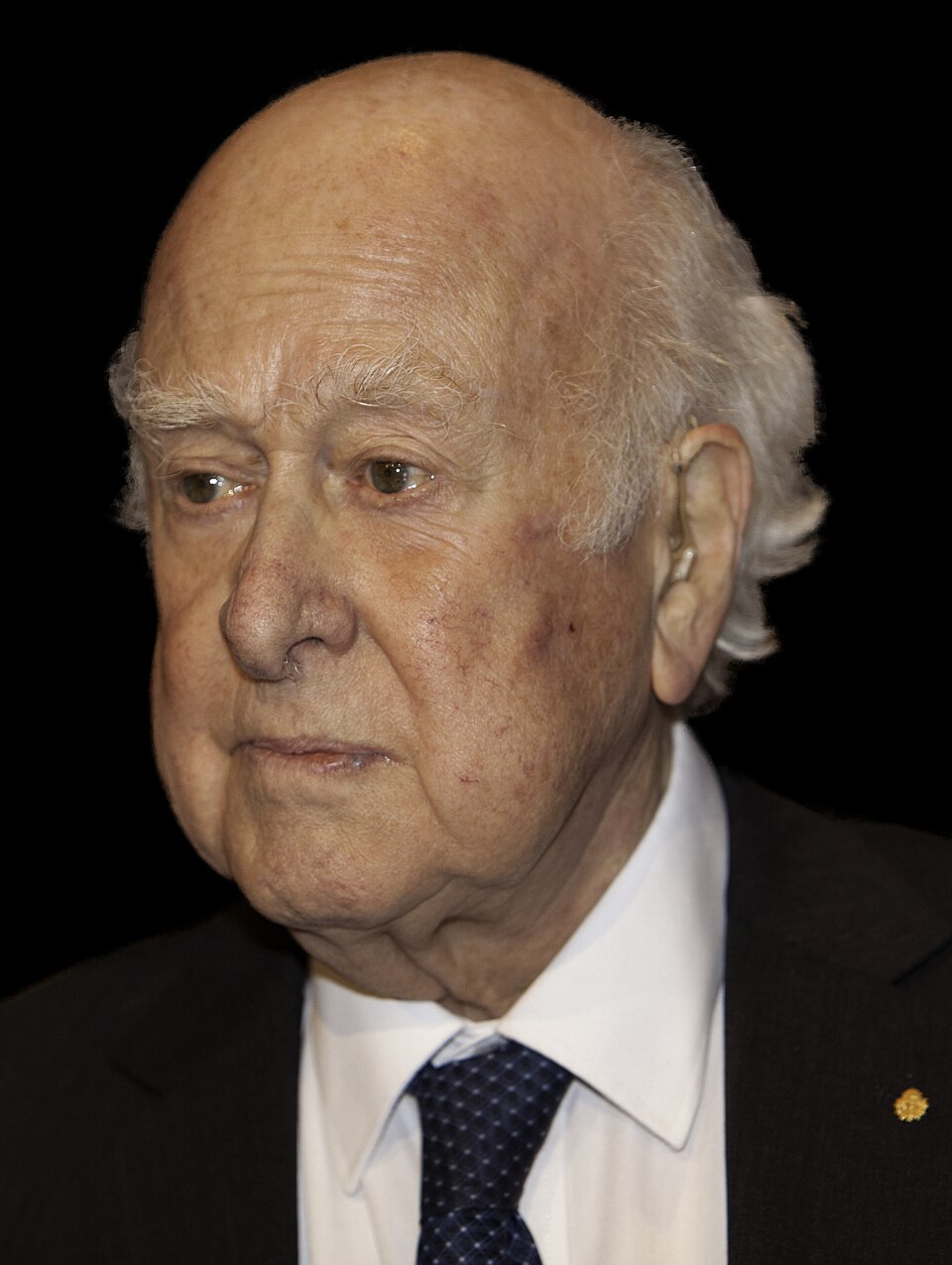
Peter Higgs
Theoretical physics
The paper was rejected. Revising it is where the boson came from.
1 documented failure
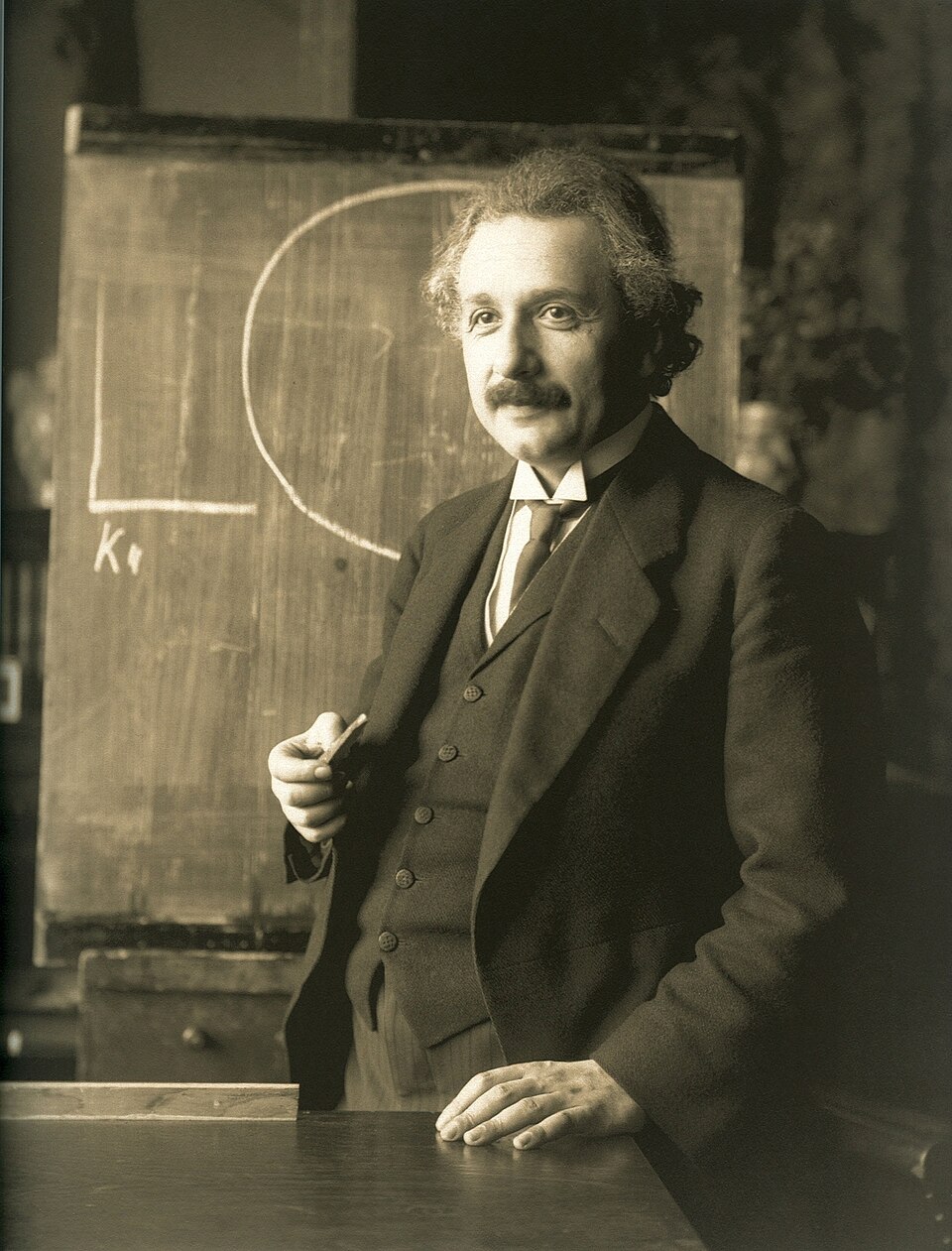
Albert Einstein
Theoretical physics
He could not get an academic job for two years, and wrote the papers that changed physics as a patent clerk.
8 documented failures

Barry Marshall
Medicine
Nobody believed ulcers were an infection, so he drank the bacteria himself.
4 documented failures