Horatio Nelson
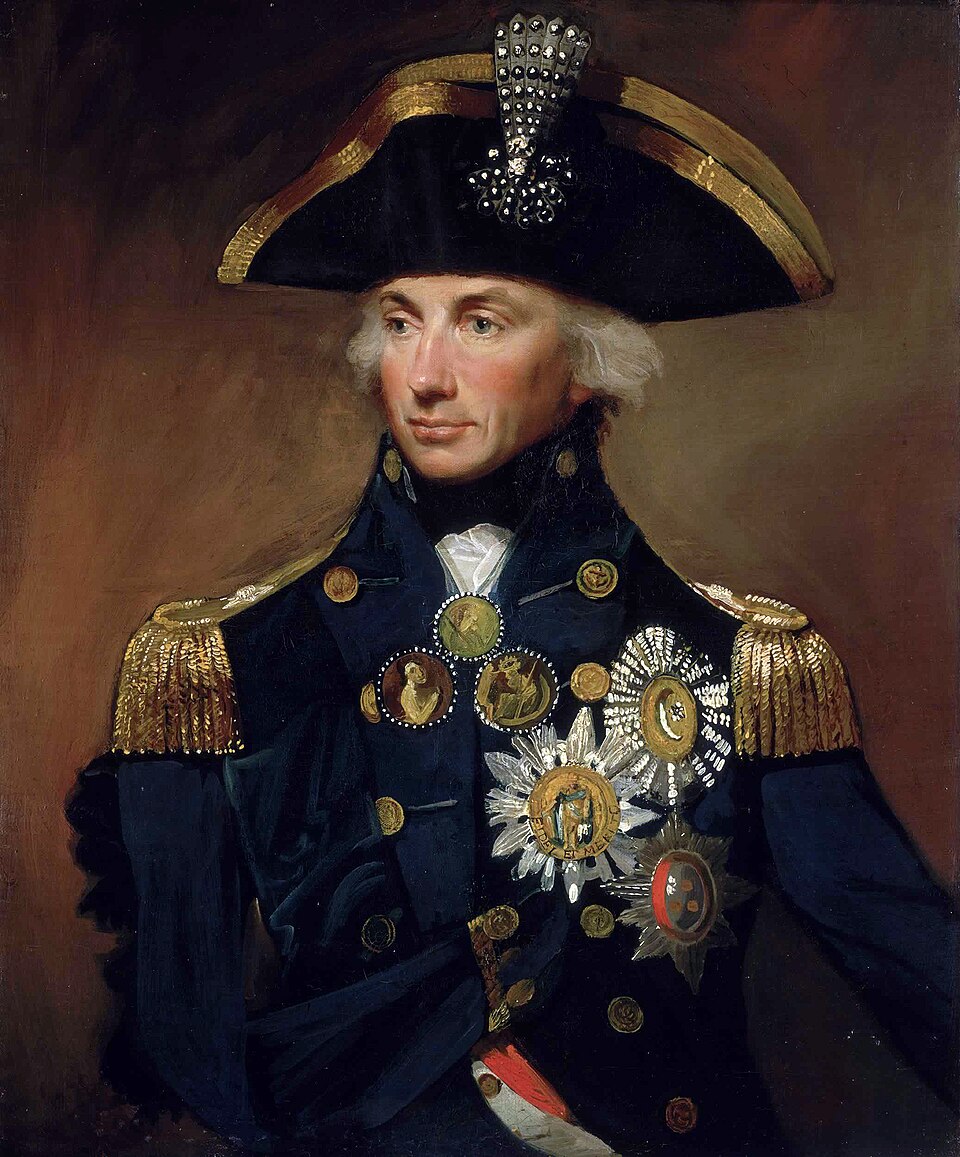
What failed
A fever on the San Juan River in Nicaragua nearly killed him in 1780. In the West Indies his enforcement of the Navigation Acts against illegal trading set him against his commander-in-chief, Admiral Sir Richard Hughes, and in 1787 he was put on half pay. He spent the next five years ashore with no ship. At Calvi in July 1794 an enemy shot drove sand and stone splinters into his right eye and ruined its sight. In July 1797 his assault on Santa Cruz de Tenerife failed outright, and a musket ball shattered his right arm, which was amputated aboard ship that night. Three days later he wrote to his commander-in-chief asking to be sent home.
What happened next
That letter, the first he wrote left-handed, said he had become a burden to his friends and useless to his country. Twelve months later he destroyed the French fleet at the Nile. Seven years after that came Trafalgar.
The point
The eye stayed in its socket and he never wore a patch; that is a later invention. The telescope held to the blind eye at Copenhagen rests on a single eyewitness, Colonel William Stewart, whose narrative was written for Clarke and M'Arthur's biography of 1809, and the National Maritime Museum's own chronology calls the gesture alleged. The defiance is not in doubt, and neither is the letter, in his left hand, saying he was finished.
The sequence
5 documented failures, shown with the successes in between. Every entry carries its own source — the wins are part of the record, and leaving them out is how these stories get distorted.
- 1780
Fever on the San Juan River nearly kills him and he is invalided home.
- 1787
Five years ashore on half pay, with no ship.
- 1793
The half pay ends: he is appointed to command HMS Agamemnon in the Mediterranean.
- 1794
At Calvi a shot drives sand and stone into his right eye and ruins its sight.
- 1797
At Cape St Vincent he captures two Spanish ships, and six days later he is made a rear-admiral.
- 1797
The assault on Tenerife fails and his right arm is shattered and amputated that night.
- 1797
Three days later he writes, left-handed, that he is a burden to his friends and useless to his country.
- 1798
Twelve months later he destroys the French fleet at the Nile.
- 1805
At Trafalgar twenty-seven ships defeat thirty-three. He is killed in the action.
Sources
- Nelson's first letter written in the left hand (Royal Museums Greenwich)
Nelson bemoans his injury and asks for a frigate to take him back to England, 'I am become a burden to my friends and useless to my Country', 27 July 1797.
- The Nelson Story (The Nelson Society)
However the eye itself remained intact, so he never wore an eye-patch – that, too, is part of the popular myth!
- Horatio Nelson, 1st Viscount Nelson (Wikipedia)
In 1784, Nelson received command of the frigate HMS Boreas, with the assignment to enforce the Navigation Acts in the vicinity of Antigua. … Nelson served on the station under Admiral Sir Richard Hughes, and often came into conflict with his superior officer over their differing interpretation of the Acts.
- Research guide N1: Horatio Nelson (Royal Museums Greenwich)
2 April 1801: Battle of Copenhagen. Allegedly ignores Parker's order to withdraw by putting his telescope to his blind eye.
- Nicolas, The Dispatches and Letters of Vice Admiral Lord Viscount Nelson, vol. 4, p. 299 (Internet Archive)
proves it to have been written for Drs. Clarke and M'Arthur's work, by the Honourable Colonel Stewart, who commanded the Troops embarked
- Nicolas, The Dispatches and Letters of Vice Admiral Lord Viscount Nelson, vol. 4, p. 309 (Internet Archive)
and then with an archness peculiar to his character, putting the glass to his blind eye, he exclaimed, 'I really do not see the signal.'
Use the ← and → keys to move between entries.
Related failures
Others in military, and nearby.
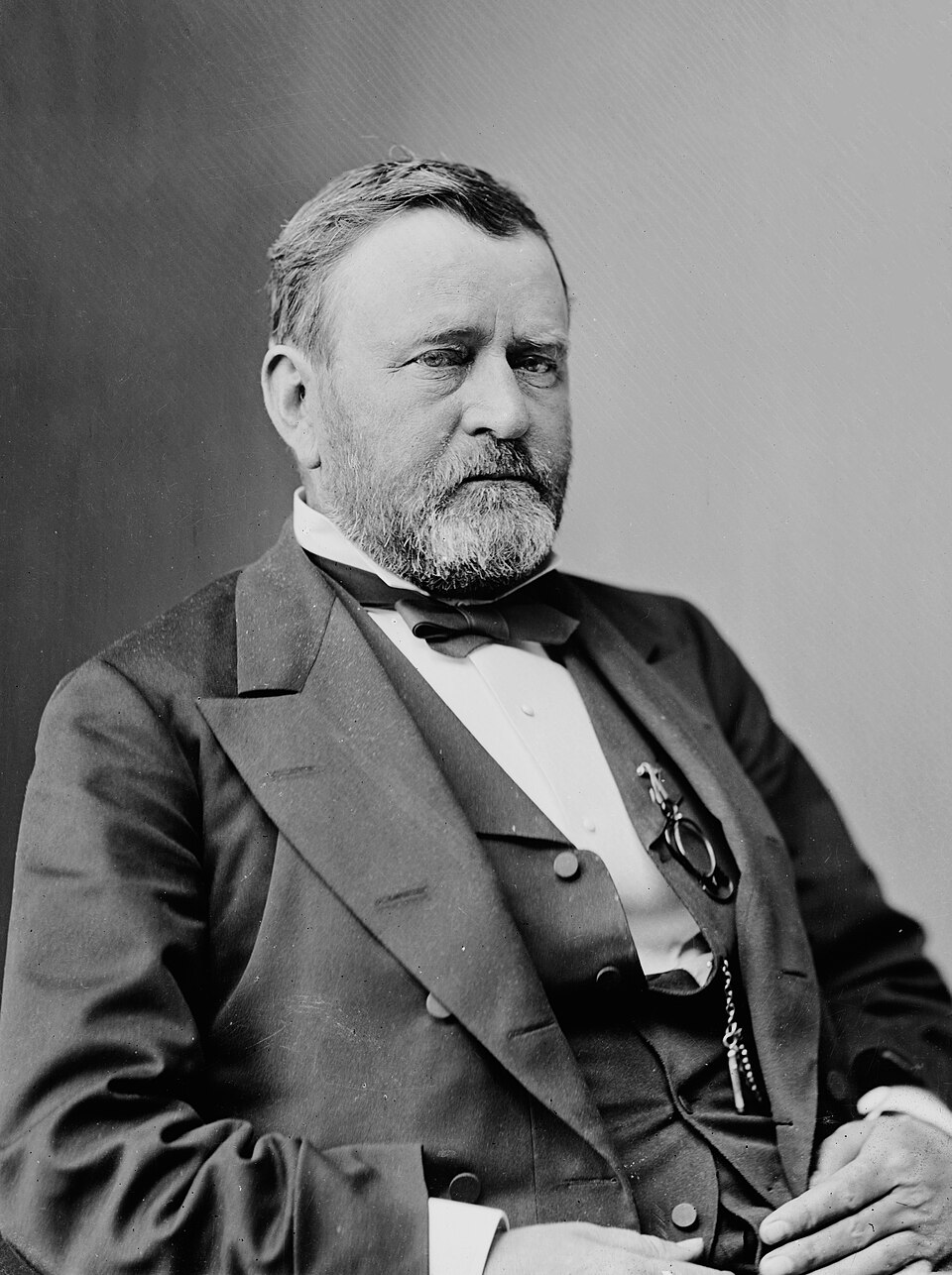
Ulysses S. Grant
Soldiering and politics
He sold firewood on street corners in worn-out clothes, and pawned his watch two days before Christmas.
7 documented failures
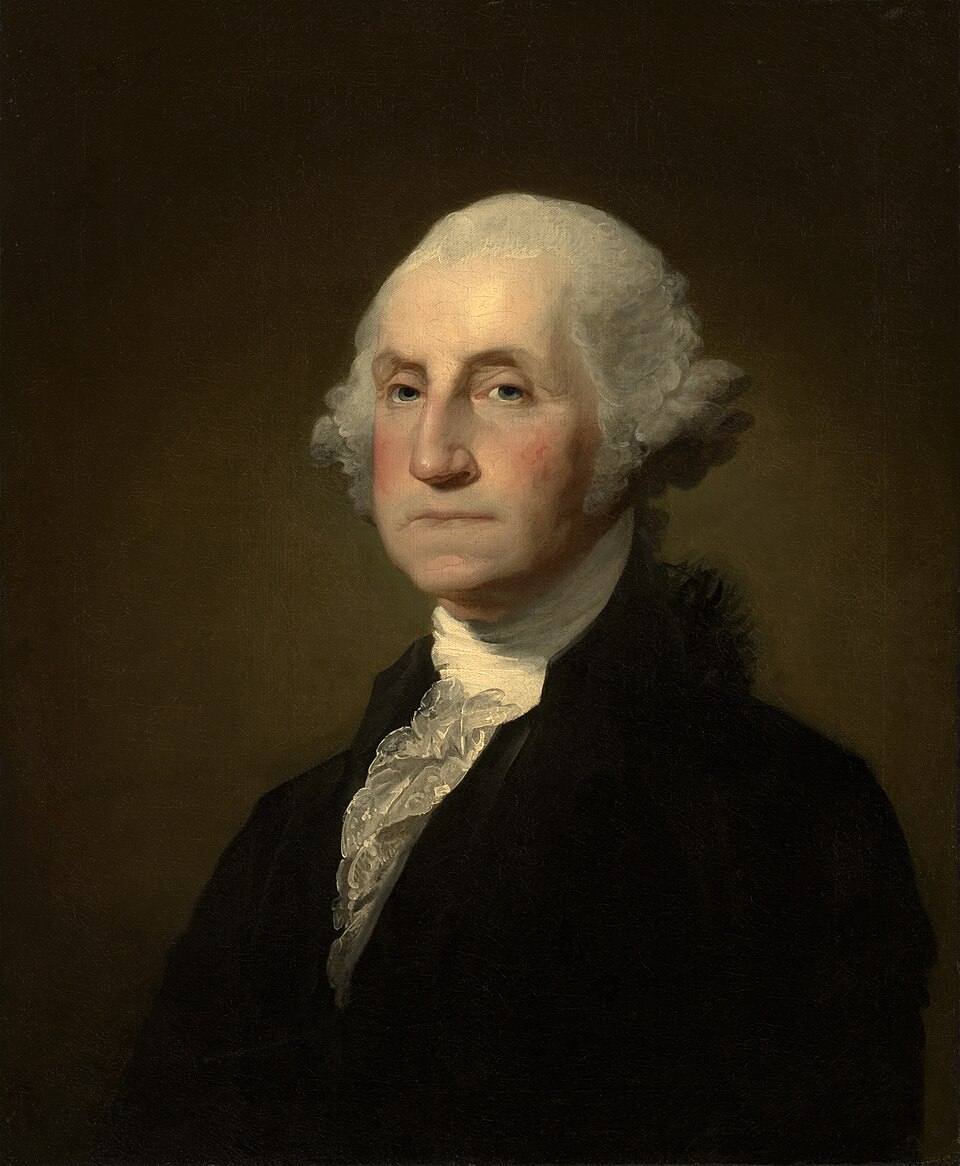
George Washington
Soldiering
He surrendered on his first independent command, and lost more battles than he won.
7 documented failures
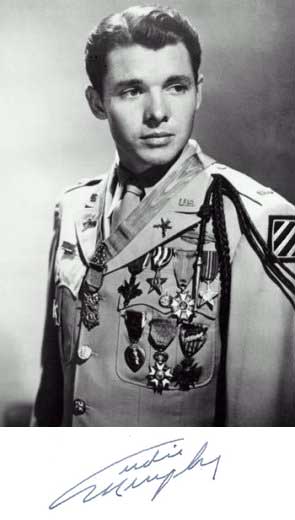
Audie Murphy
Soldiering
Turned away by the Marines for being too short, then by the paratroopers, then nearly sent to cookery school.
6 documented failures
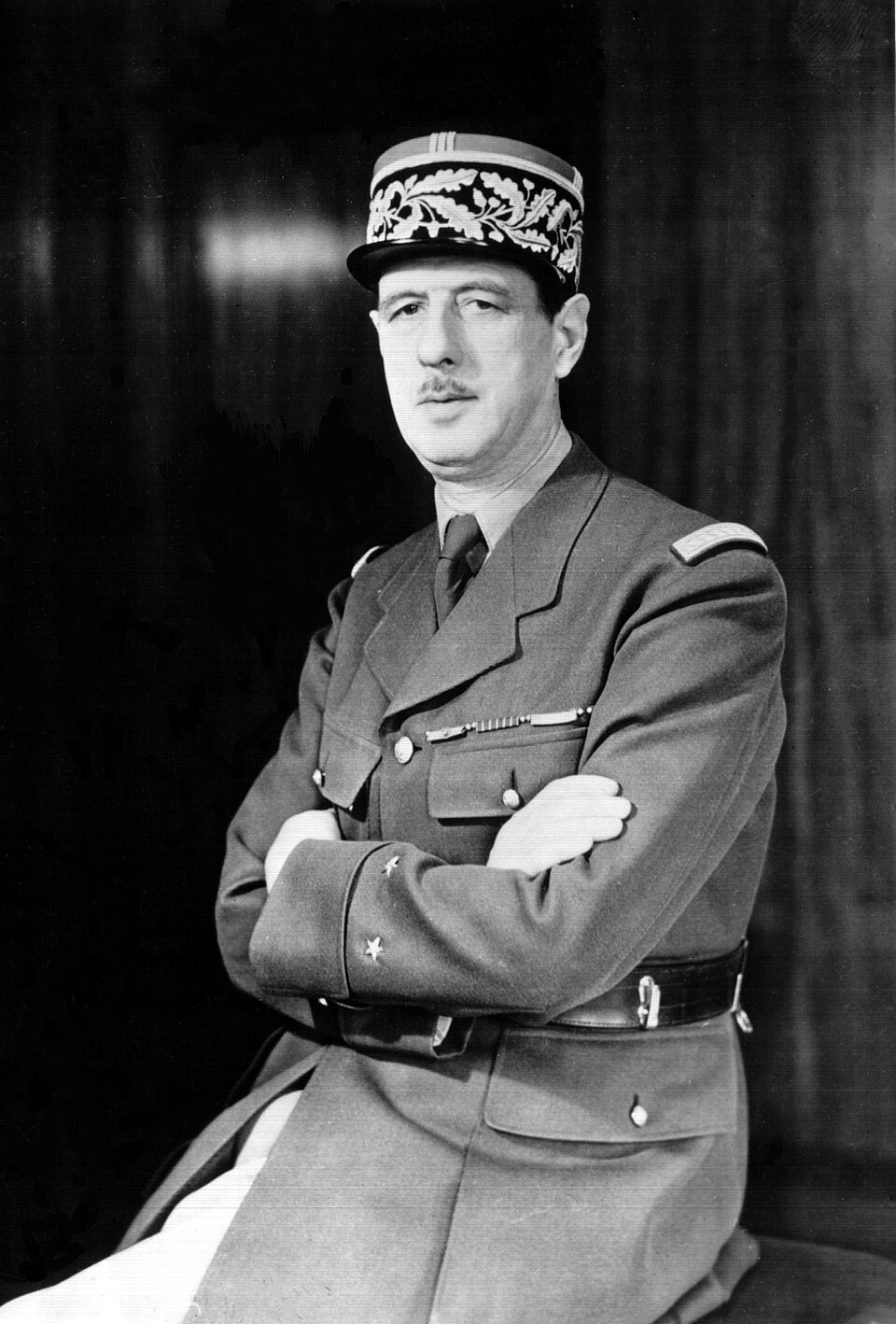
Charles de Gaulle
Soldiering and politics
Captured at Verdun, condemned to death by his own country, and out of office for twelve years before founding the republic France still lives under.
6 documented failures