Alan Shepard
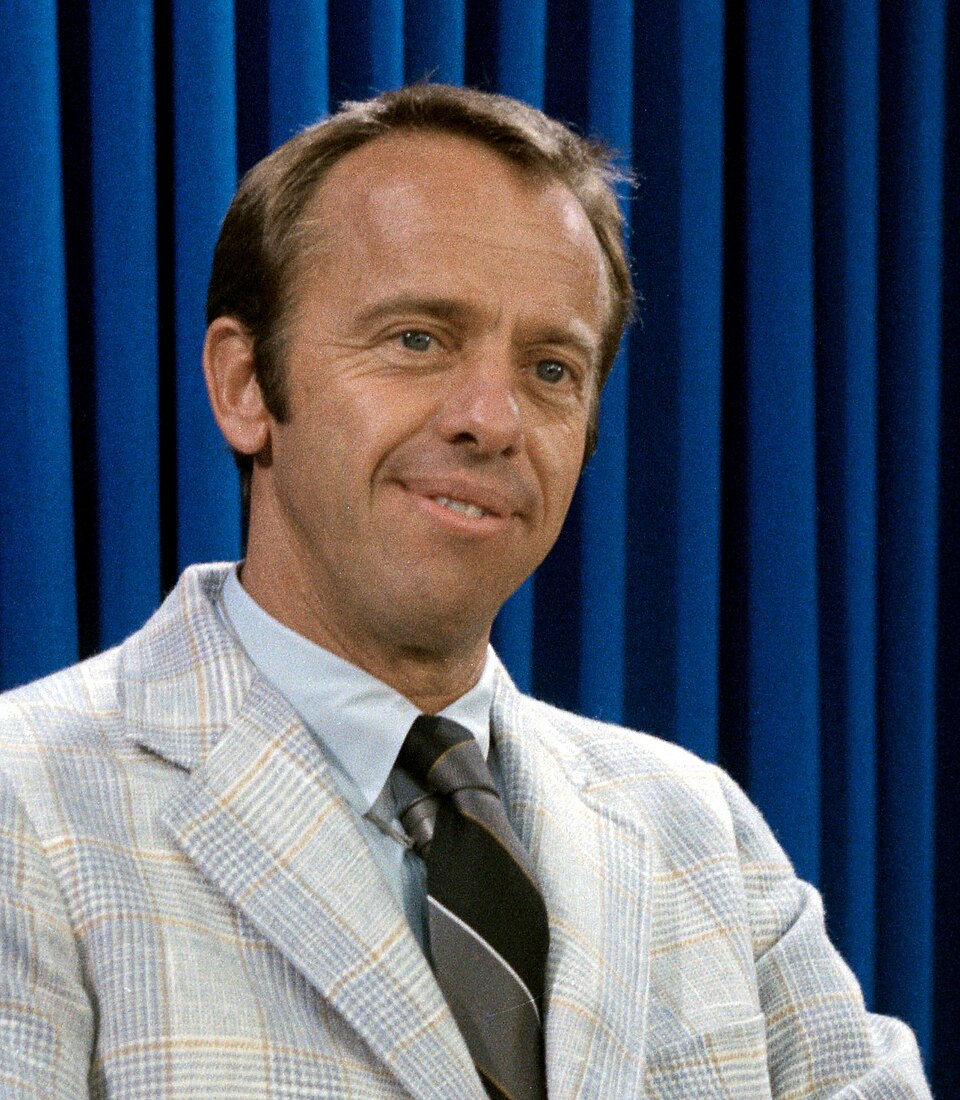
What failed
He was in line to be the first man in space. A fault on the chimpanzee flight of 31 January 1961 made NASA insert one more uncrewed test on 24 March, and Yuri Gagarin orbited the Earth on 12 April, three weeks before Shepard's fifteen-minute suborbital hop. His second Mercury flight, MA-10, was cancelled in stages: on 11 May 1963 NASA said there would be no MA-10 if MA-9 succeeded; MA-9 succeeded, James Webb closed Mercury out on 12 June, and the spacecraft went into storage on 13 June. He had already named that capsule Freedom 7 II and had the name painted on it below the window. Then he was diagnosed with Ménière's disease and glaucoma. A panel of NASA doctors pulled him from the flight rotation in late 1963, the Navy stopped him flying jets solo, the command of the first crewed Gemini went to Gus Grissom, and he ran the Astronaut Office from a desk while the men he supervised flew Gemini and Apollo without him.
What happened next
In 1968 Tom Stafford — the man who was to have flown Gemini with him — told him that an otologist in Los Angeles was operating on Ménière's. Shepard went, was admitted to St Vincent's Hospital under the name Victor Poulos to keep it quiet, and had a small tube fitted in his inner ear to drain the fluid. It worked, and a year later, on 7 May 1969, he was restored to full flight status. He was put on Apollo 13, then swapped onto Apollo 14 when NASA headquarters judged his crew too inexperienced, and launched on 31 January 1971, almost ten years after Freedom 7. Five docking attempts failed on the way out before the sixth held. He landed Antares at Fra Mauro on 5 February with about sixty seconds of fuel left and walked on the Moon at forty-seven, the oldest man to do so and the only one of the Mercury Seven, on the flight that inherited Apollo 13's target after its abort.
The point
The gap is the part that gets skipped. Shepard flew for fifteen minutes in May 1961 and did not fly again until 1971, and for most of that stretch he was the man who assigned the flights and could not take one. His own description of it is flat: he was in administrative charge of the astronaut group, he could set them down, pat them on the head and watch them fly, and that was a little tough. What ended the grounding was not endurance but a tube fitted in his inner ear in 1968, by a surgeon another astronaut had told him about — after which it still took NASA until 7 May 1969 to clear him.
The sequence
9 documented failures, shown with the successes in between. Every entry carries its own source — the wins are part of the record, and leaving them out is how these stories get distorted.
- 1959
Chosen as one of the seven Project Mercury astronauts and presented to the press on 9 April at NASA's temporary headquarters on Lafayette Square.
- 1961
On 19 January the seven are told privately that Shepard will fly the first suborbital mission, with Grissom second and Glenn backing up both.
- 1961
A fault on the chimpanzee flight of 31 January pushes NASA into one more uncrewed test on 24 March, delaying the first crewed launch.
- 1961
On 12 April, while Shepard is still waiting, Yuri Gagarin completes one orbit of the Earth and the Soviet Union takes the prize.
- 1961
On 5 May he flies Freedom 7 on a suborbital arc and becomes the first American in space, twenty-three days after Gagarin.
- 1963
Assigned to pilot MA-10, a three-day flight, he names the capsule Freedom 7 II and has the name painted onto it just below the window.
- 1963
On 11 May NASA announces that if MA-9 succeeds there will be no MA-10. This is the conditional, not the cancellation: MA-9 had not yet flown.
- 1963
MA-9 succeeds, and on 12 June the NASA Administrator, James Webb, tells the Senate space committee that Mercury is done and priority goes to Gemini.
- 1963
On 13 June the McDonnell Mercury contract is terminated and his capsule is put into storage at Cape Canaveral.
- 1963
With Mercury over he is designated commander of the first crewed Gemini mission, with Tom Stafford as his pilot.
- 1963
The dizziness, vomiting and ringing in his left ear send him to the flight surgeons, who diagnose Ménière's disease. The same examination finds glaucoma.
- 1963
A NASA medical panel pulls him from the flight rotation, and the Navy stops him flying jets solo. (The same NASA account dates the grounding to late 1963 but places his first attack in early 1964.)
- 1963
He does not leave NASA. He takes over Deke Slayton's job as Chief of the Astronaut Office, running the group he can no longer fly with.
- 1963-1969
How long the grounding actually lasted is disputed. Shepard, interviewed in 1991, put it at almost six years; NASA's own history, in its life of Gordon Cooper, calls it a four-year hiatus. Counted from the panel's decision in late 1963 to his clearance in May 1969, it is five and a half.
- 1964
As a direct result of the grounding, the commander's seat in the first crewed Gemini goes to Gus Grissom.
- 1964-1969
The desk years, in his own words: he was in administrative charge of the astronaut group, he could set them down, pat them on the head and watch them fly, and that was a little tough.
- 1968
Tom Stafford, the man who was to have flown Gemini with him, comes to his office and tells him about an ear surgeon in Los Angeles.
- 1968
He checks into St Vincent's Hospital in Los Angeles under the name Victor Poulos to keep it out of the press. Accounts differ on the exact date, so only the year is given here.
- 1968
William House fits a shunt to drain the fluid from his inner ear — at the time a virtually experimental operation.
- 1969
A year after the operation, on 7 May, he is restored to full flight status.
- 1969
In a reshuffle he replaces Gordon Cooper as commander of Apollo 13, is then moved to Apollo 14, and the Apollo 13 command goes to Jim Lovell. This is the passage in which NASA's own history calls the grounding a four-year hiatus.
- 1971
Apollo 14 launches from the Cape on 31 January, nine years and nine months after Freedom 7.
- 1971
On the way out, docking the command module to the lunar module fails five times running. The sixth attempt holds.
- 1971
On 5 February they overcome a guidance computer problem that threatened to cancel the landing and begin the powered descent.
- 1971
He puts Antares down at Fra Mauro with about sixty seconds of fuel left.
- 1971
He steps onto the Moon at forty-seven, the fifth man to do it, and capcom Bruce McCandless remarks on his age over the loop.
Sources
- NASA History Office, "Mercury Seven Astronaut Biographies" — Alan Shepard, by Tara Gray
A panel of NASA medics pulled him from the flight rotation and grounded him in late 1963 and the Navy forbade him from flying jet planes solo for fear of the condition flaring while flying.
- NASA, "May 5, 1961: Alan Shepard Becomes the First American in Space"
Although the flight was mostly successful and the U.S. Navy recovered Ham in excellent shape, a problem with an electrical relay in the Redstone rocket caused NASA to schedule another uncrewed test flight on March 24.
- American Academy of Achievement, interview with Rear Admiral Alan B. Shepard Jr., 1 February 1991
I was grounded for almost six years.
- Alan Shepard (Wikipedia)
In 1968, Stafford went to Shepard's office and told him that an otologist in Los Angeles had developed a cure for Ménière's disease.
- Menger, Kelly, Fernando, Wolf and Martino, "Rear Admiral (Astronaut) Alan Shepard: Ménière's disease and the race to the moon", Journal of Neurosurgery 131(1):304-310, 2019
In 1968 House implanted an endolymphatic-subarachnoid shunt, which at the time was a virtually experimental procedure.
- NASA, "50 Years Ago: Apollo 14 Lands at Fra Mauro"
Shepard brought Antares to a soft landing with about 60 seconds of fuel remaining.
- NASA, "50 Years Ago: Apollo 14 Launches to the Moon"
This sixth docking attempt succeeded, and Kitty Hawk and Antares became one spacecraft.
- NPR, "Shepard Obit", 22 July 1998
The first American in space, Alan Shepard, died Tuesday night at the age of 74.
Use the ← and → keys to move between entries.
Related failures
Others in military, and nearby.
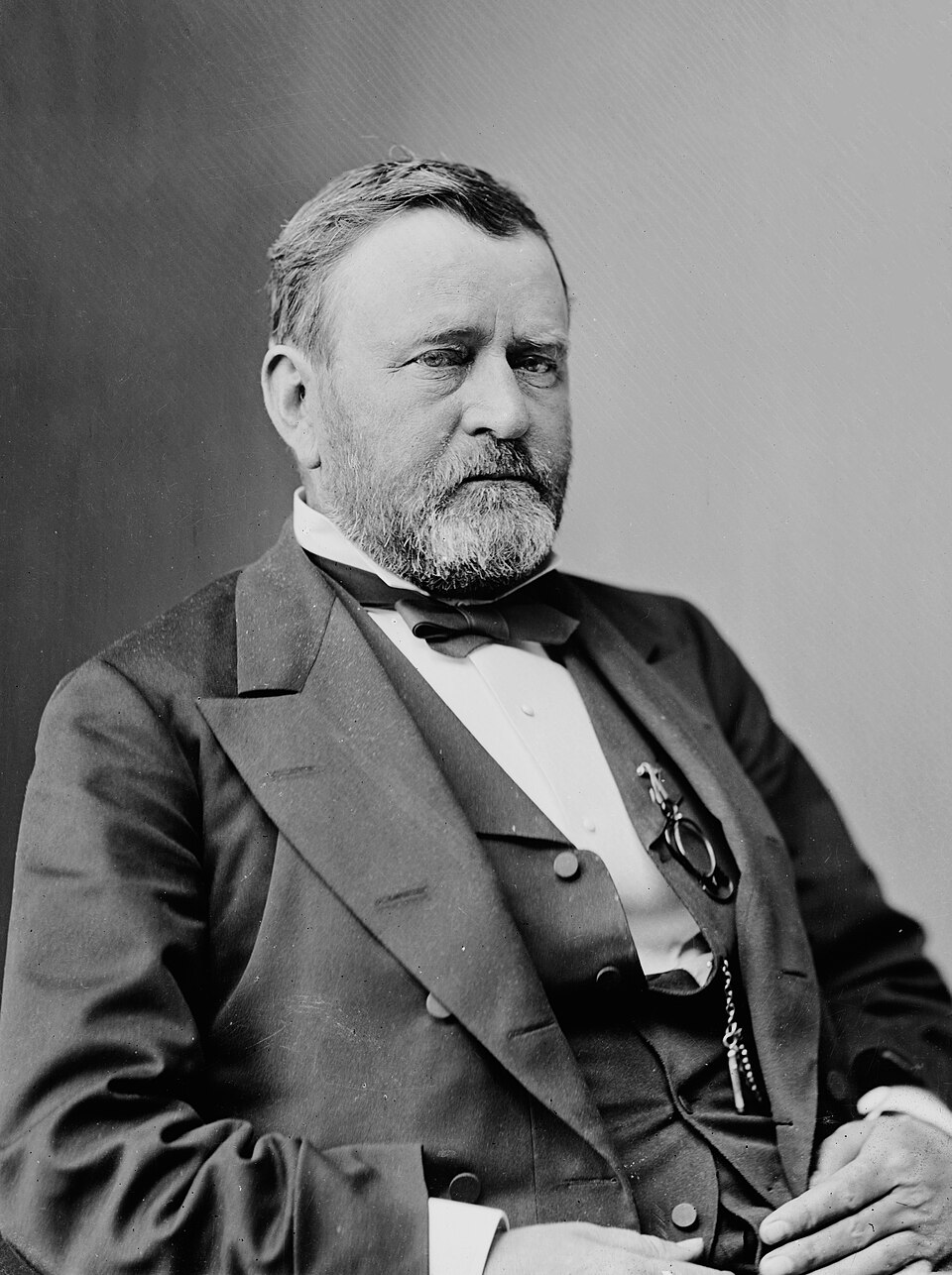
Ulysses S. Grant
Soldiering and politics
He sold firewood on street corners in worn-out clothes, and pawned his watch two days before Christmas.
7 documented failures
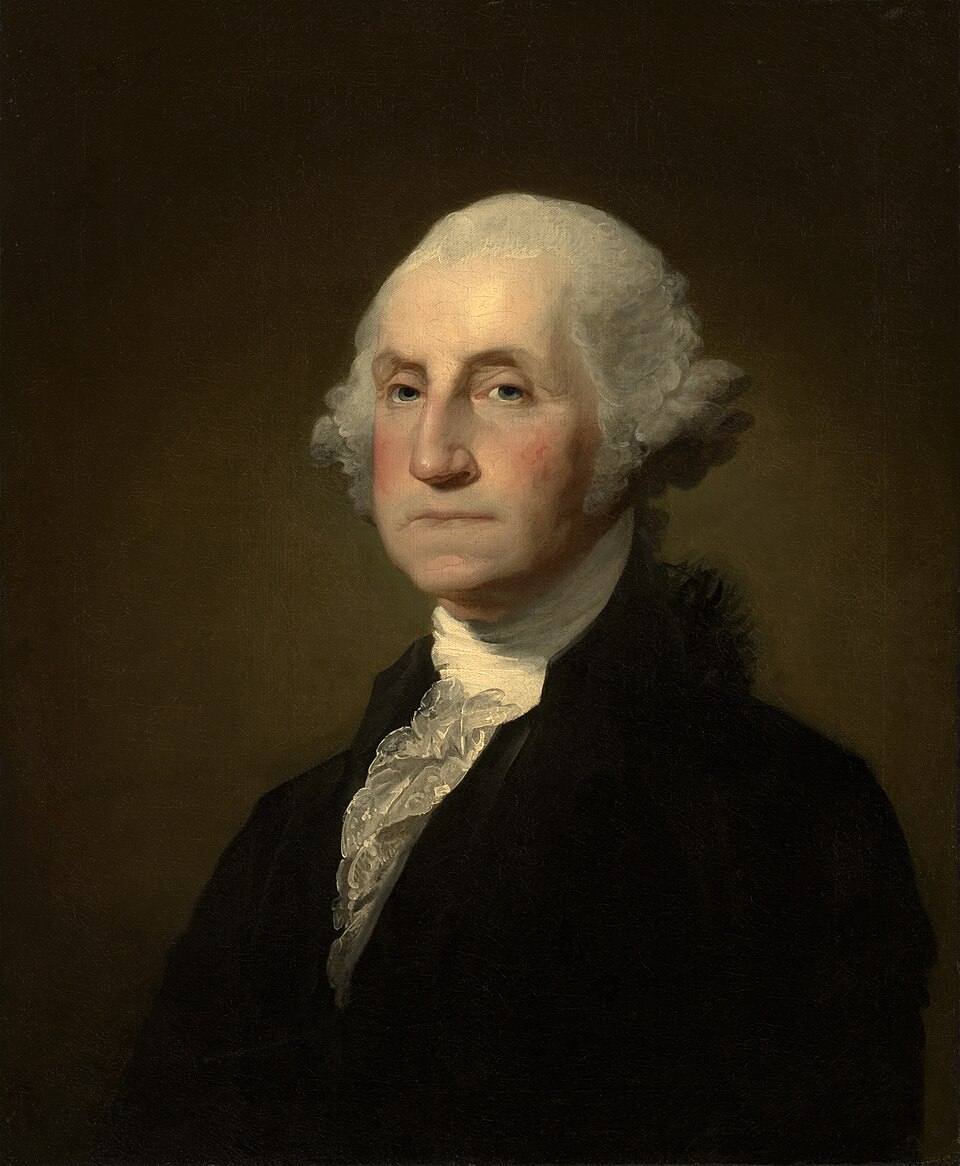
George Washington
Soldiering
He surrendered on his first independent command, and lost more battles than he won.
7 documented failures
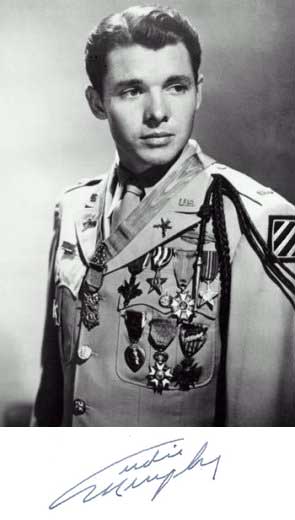
Audie Murphy
Soldiering
Turned away by the Marines for being too short, then by the paratroopers, then nearly sent to cookery school.
6 documented failures
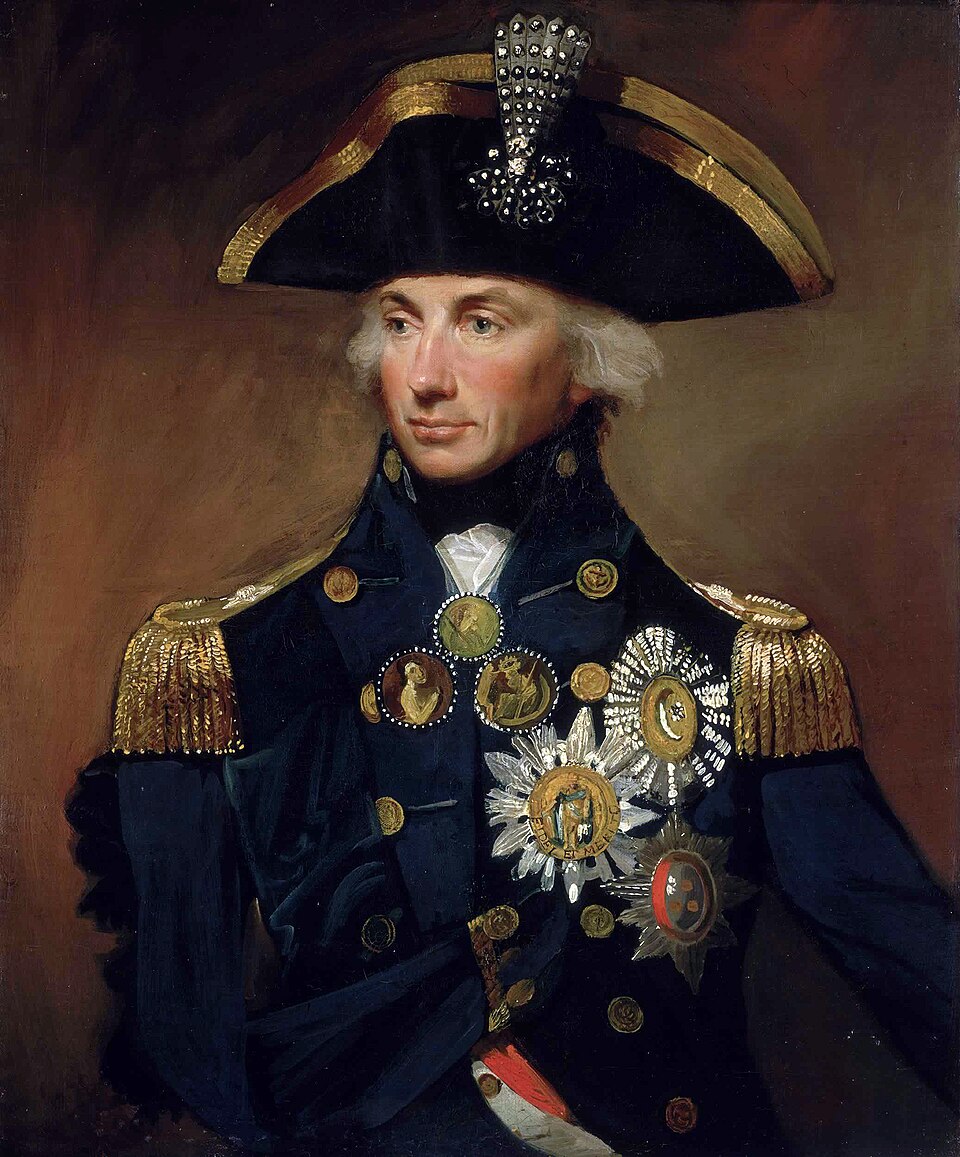
Horatio Nelson
Naval command
He lost the use of an eye, then an arm, then wrote that he was a burden to his friends and useless to his country.
5 documented failures