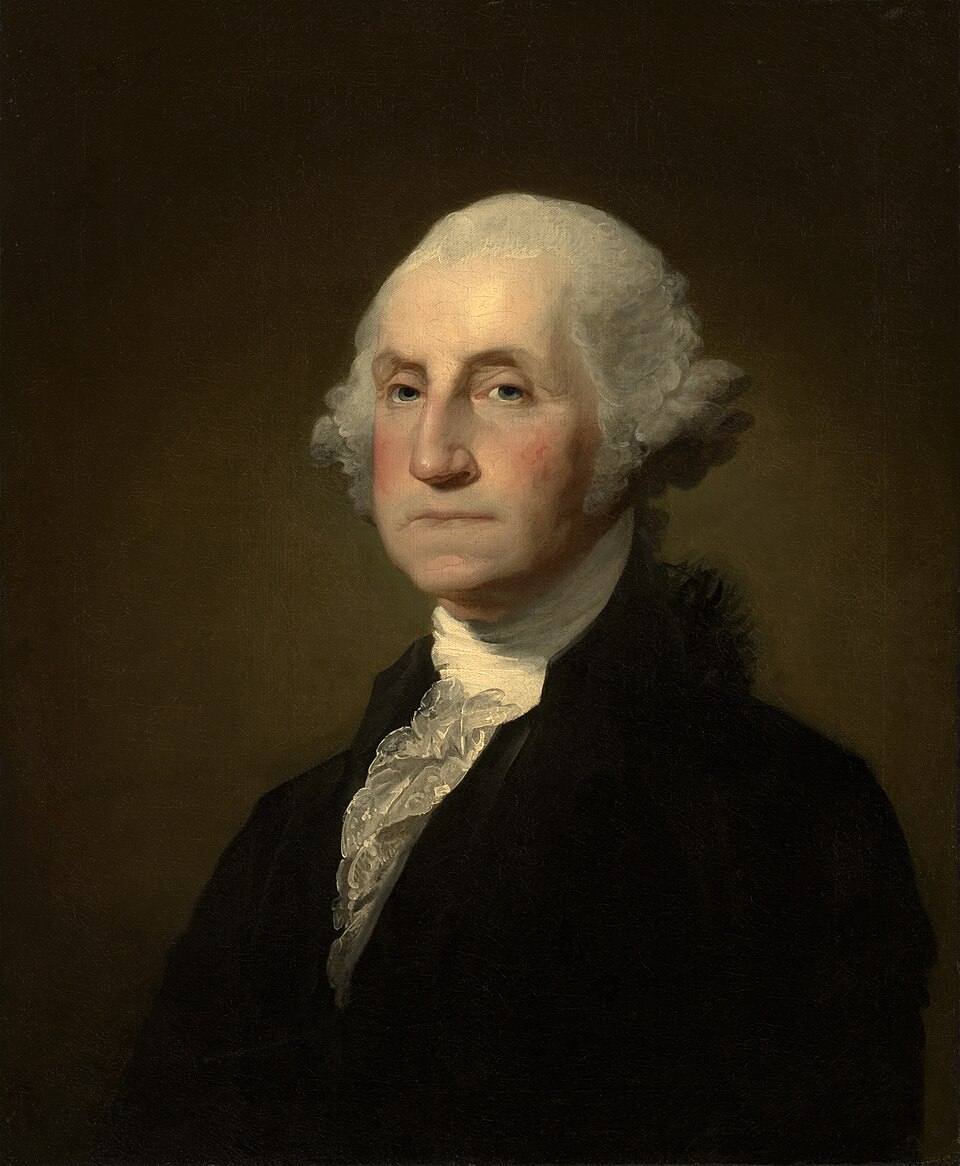
George Washington
What failed
His first independent command ended in surrender at Fort Necessity in July 1754. A year later he was with Braddock's expedition when it was destroyed at the Monongahela, with 977 of 1,459 men killed or wounded. He spent years pursuing a regular commission in the British army and never got one. Then, commanding the Continental Army, he lost New York — beaten at Long Island in August 1776 and losing the entire garrison of Fort Washington that November — then lost Brandywine, which handed the British Philadelphia, then lost Germantown when his own attack collapsed in fog and friendly fire.
What happened next
He kept the army in existence, which was the actual job, and in October 1781 the siege of Yorktown ended the war.
The point
Mount Vernon, his own historic site, puts it plainly: he lost more battles than he won. It gives no number, and neither does anyone reputable, because the count depends on what you decide to call a battle. The point stands without arithmetic — the man who won the war was not the man who won the most fights.
The sequence
7 documented failures, shown with the successes in between. Every entry carries its own source — the wins are part of the record, and leaving them out is how these stories get distorted.
- 1754
His first independent command ends in surrender.
- 1755
The expedition he is attached to is destroyed; two thirds of its men are killed or wounded.
- 1758
He gives up on the regular army commission he has spent years pursuing.
- 1776
Beaten at Long Island. New York is lost for the rest of the war.
- 1776
Fort Washington surrenders and its whole garrison is lost.
- 1777
Outflanked at Brandywine. The British take Philadelphia.
- 1777
His attack at Germantown collapses in fog and friendly fire.
- 1781
Yorktown ends the war.
Sources
- George Washington and the Revolutionary War (Mount Vernon)
While he lost more battles than he won, Washington employed a winning strategy that included victories at the Battle of Trenton in 1776 and Yorktown in 1781.
- Yorktown (American Battlefield Trust)
They surprised the British in a siege that turned the tide toward an American victory in the War for Independence.
Use the ← and → keys to move between entries.
Related failures
Others in military, and nearby.
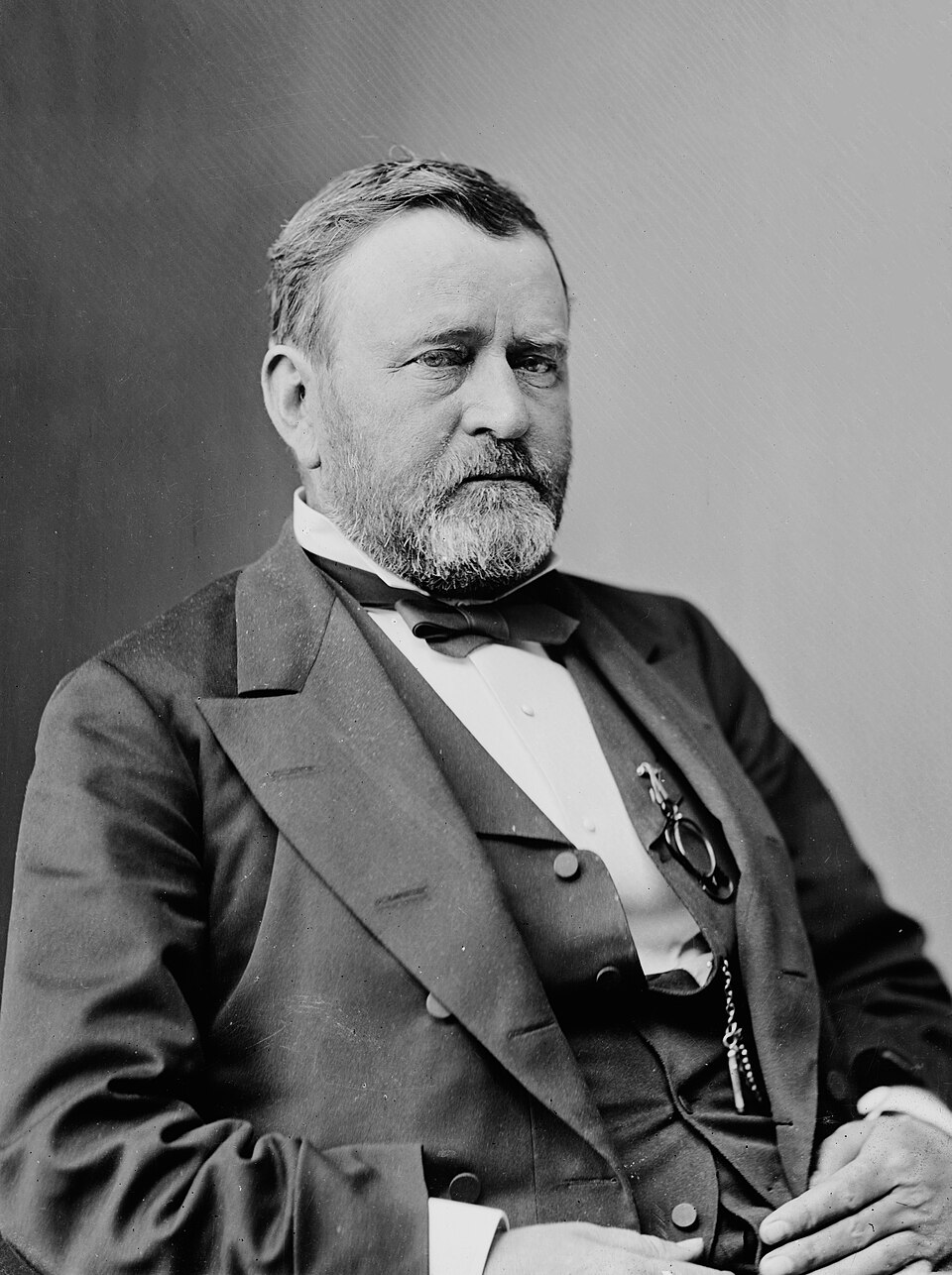
Ulysses S. Grant
Soldiering and politics
He sold firewood on street corners in worn-out clothes, and pawned his watch two days before Christmas.
7 documented failures
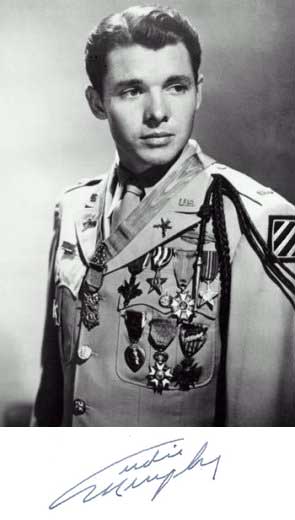
Audie Murphy
Soldiering
Turned away by the Marines for being too short, then by the paratroopers, then nearly sent to cookery school.
6 documented failures
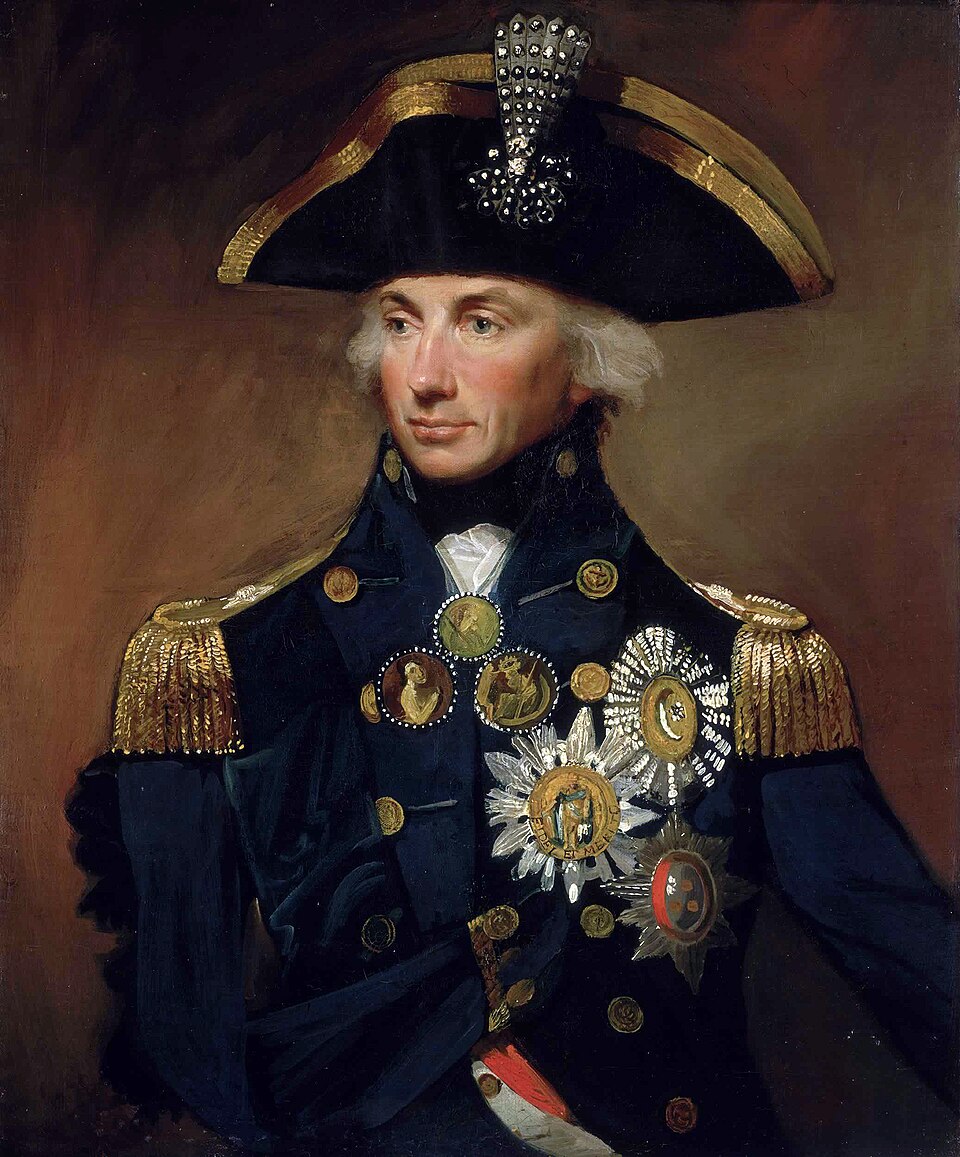
Horatio Nelson
Naval command
He lost the use of an eye, then an arm, then wrote that he was a burden to his friends and useless to his country.
5 documented failures
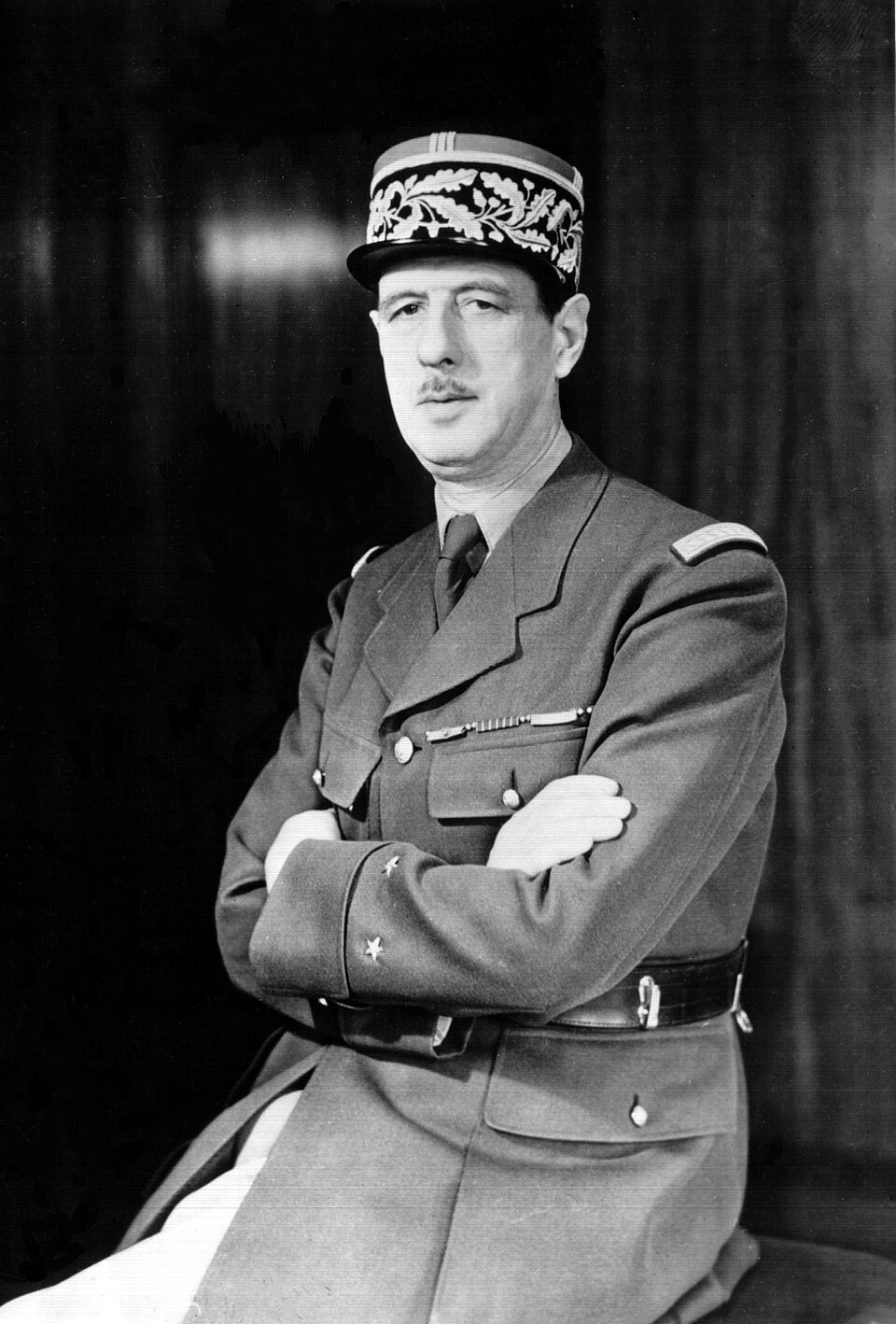
Charles de Gaulle
Soldiering and politics
Captured at Verdun, condemned to death by his own country, and out of office for twelve years before founding the republic France still lives under.
6 documented failures