The Wright brothers
What failed
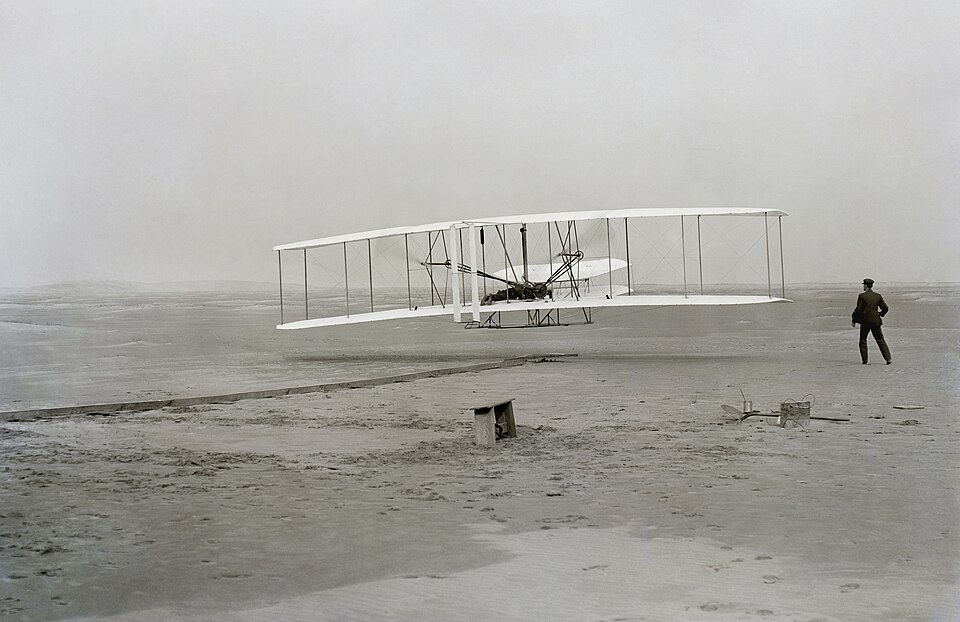
Their 1900 glider generated so much less lift than predicted that they mostly flew it as a kite, and managed about a dozen free glides on a single day. The 1901 glider, bigger and better, performed worse — a third of the lift they had calculated, plus controls that stalled them repeatedly, which is precisely how Lilienthal had died. In 1902 the glider sometimes spiralled into the sand in steep turns, often enough that they had a name for it: well digging. In 1903 the engine's vibration kept breaking the propeller shafts, sending them back to Dayton twice. They ran the launch rail too fast and damaged the rudder. Then on 14 December, Wilbur won the coin toss, climbed too steeply, stalled, and dug into the sand.
What happened next
Three days later Orville flew a hundred and twenty feet in twelve seconds, and by the fourth flight of that morning Wilbur covered eight hundred and fifty-two feet in fifty-nine seconds.
The point
The turning point was not persistence. It was building a wind tunnel in 1901 and discovering that the number everyone had been using for a century and a half was wrong — a coefficient of 0.005 that should have been 0.0033. Their gliders had been failing to a bad constant, not to bad flying. They stopped trying harder and went and checked the arithmetic.
The sequence
6 documented failures, shown with the successes in between. Every entry carries its own source — the wins are part of the record, and leaving them out is how these stories get distorted.
- 1900
The first glider makes far less lift than predicted, and is mostly flown as a kite.
- 1900
About a dozen free glides, on one day, in a whole season.
- 1901
The bigger, better glider performs worse than the first one.
- 1901
On the journey home Wilbur tells Orville that man will not fly for a thousand years, as his brother's biographer recorded it. In a speech in Paris on 5 November 1908, Wilbur gave his own figure: fifty years.
- 1901
They build a wind tunnel and find the constant everyone had used for a century and a half is wrong.
- 1902
In steep turns the glider sometimes spirals into the sand, often enough to have a name for it: well digging.
- 1903
The engine's vibration keeps breaking the propeller shafts, sending them back to Dayton twice.
- 1903
Three days before the flight, Wilbur climbs too steeply, stalls, and digs into the sand.
- 1903
On 17 December, twelve seconds and a hundred and twenty feet.
Sources
- The Wright Brothers Made History at Kitty Hawk (Smithsonian National Air and Space Museum)
It was a short flight—only 12 seconds—but it was a true flight nevertheless. A human had flown.
- Road to First Flight (National Park Service)
the wings generated less lift than expected, and they flew the glider primarily as a kite
- Aviation predictions (Aviation Quotations)
I confess that, in 1901, I said to my brother Orville that men would not fly for 50 years. Two years later, we were making flights.
Use the ← and → keys to move between entries.
Related failures
Others in technology & invention, and nearby.

Sir James Dyson
Industrial design
5,127 prototypes. That is one method, run five thousand times.
1 documented failure
King Camp Gillette
Invention and manufacturing
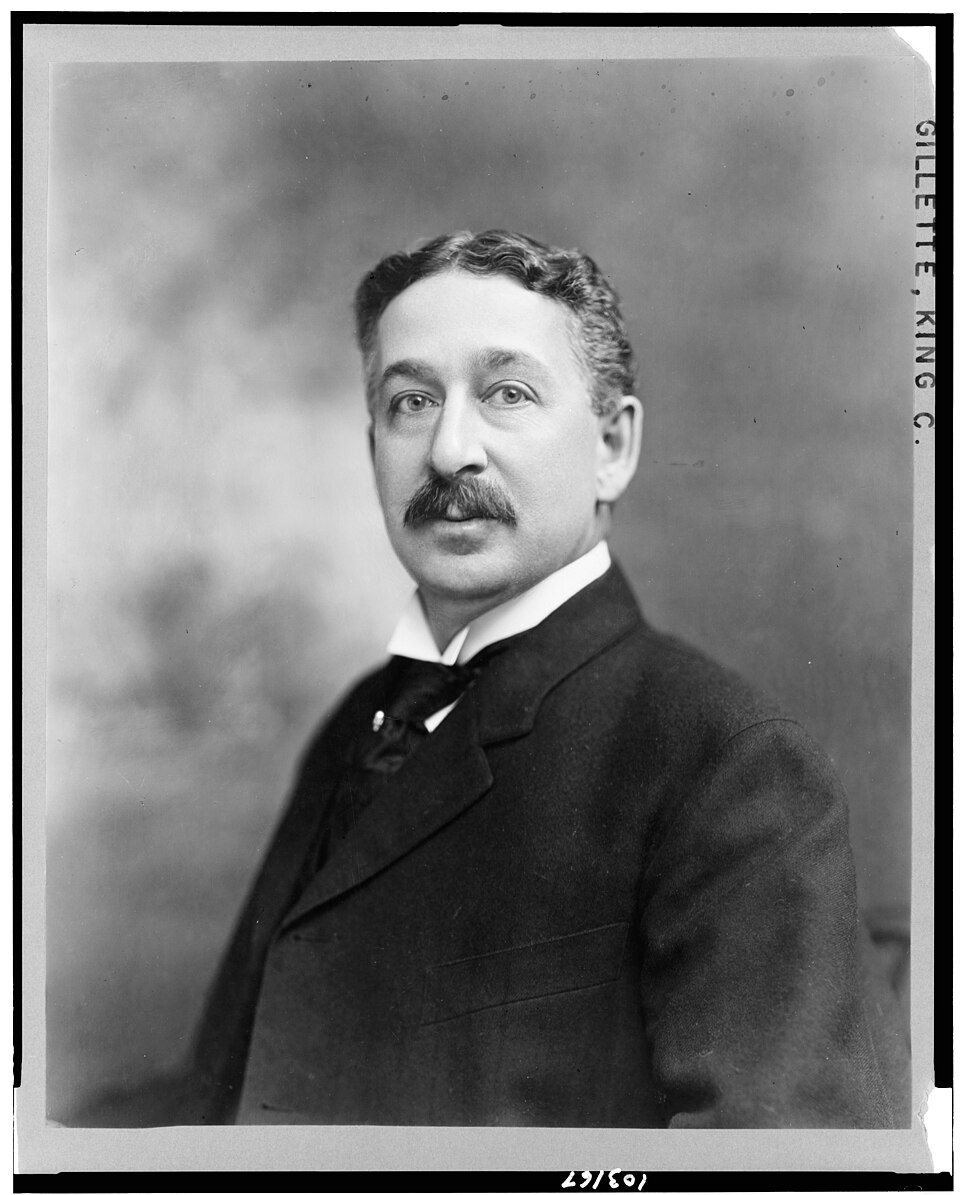
Metallurgists at MIT told him it could not be done. He spent six more years failing at it.
6 documented failures
Garrett Morgan
Invention
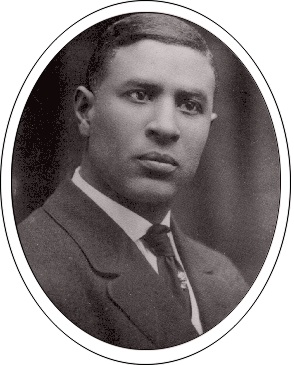
He hired a white actor to pose as the inventor, then demonstrated his own breathing hood under an assumed name.
7 documented failures
Les Paul
Music and invention
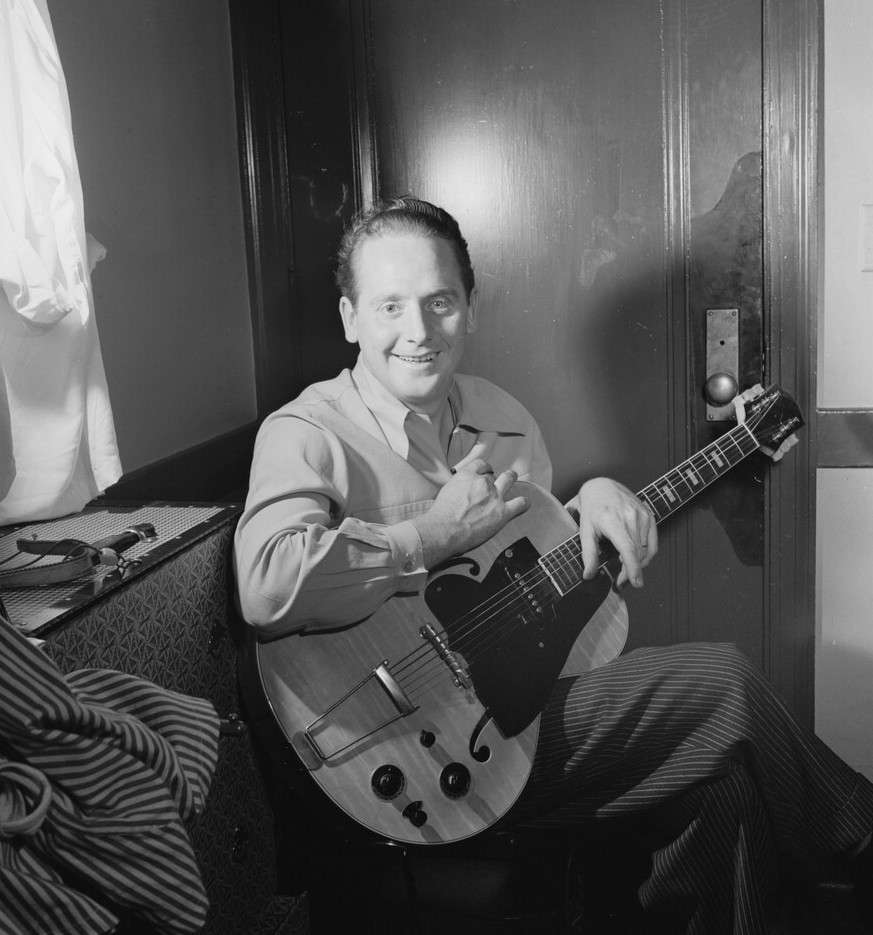
Gibson called him the kid with the broomstick with the pickups on it.
6 documented failures