Louisa May Alcott
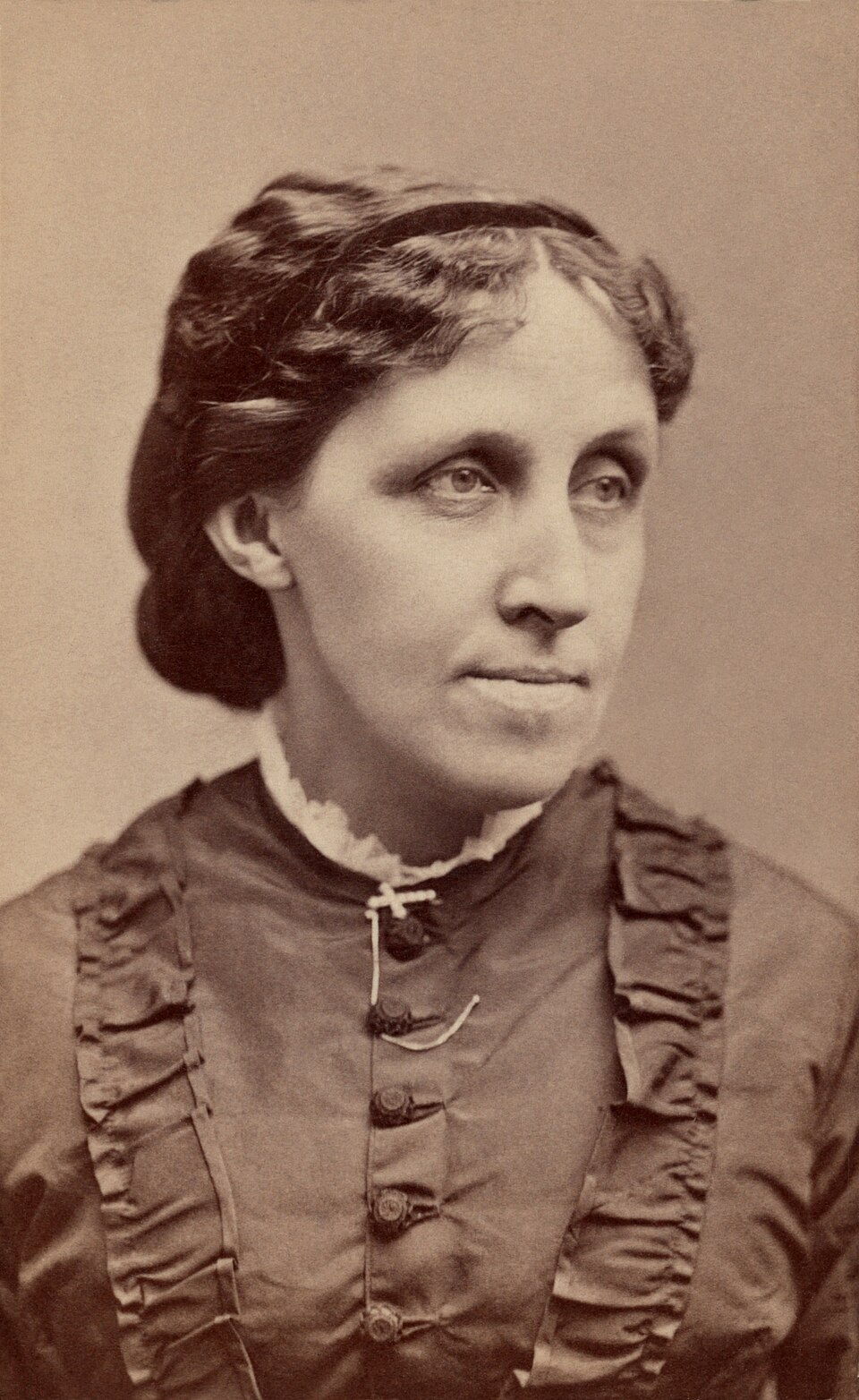
What failed
Her father's utopian commune collapsed over the winter of 1843 and left the family destitute. She went out to domestic service at eighteen and lasted seven weeks, starved and frozen. Her first book earned thirty-two dollars. She put aside a novel called Success after less than a month. A kindergarten she opened ended in a debt of forty dollars she planned to settle by selling her hair. A publisher lost one of her stories and would not pay for it. And the publisher she showed her work to told her, in her own record of it, to stick to her teaching because she could not write.
What happened next
Her journal records what she said back: I won't teach; and I can write, and I'll prove it. Six years later she took a commission she did not want, sent in twelve chapters her publisher thought dull, and agreed with him. Little Women paid off every debt the family had.
The point
There is a coda. In 1871 she repaid the forty dollars, and by her account the man who had told her she could not write laughed and owned that he had made a mistake. She kept both halves of it in the same journal — the insult and the receipt.
The sequence
6 documented failures, shown with the successes in between. Every entry carries its own source — the wins are part of the record, and leaving them out is how these stories get distorted.
- 1844
Her father's commune collapses over the winter and leaves the family destitute.
- 1851
Seven weeks in domestic service, starved and frozen, before she gives it up.
- 1854
Her first book earns her thirty-two dollars.
- 1862
The kindergarten she opens fails, leaving a debt she plans to settle by selling her hair.
- 1862
Her publisher tells her to stick to her teaching, because she cannot write.
- 1868
She sends her publisher twelve chapters of the new book. He finds them dull, and so does she.
- 1869
The dull book pays off every debt the family has.
- 1871
She repays the forty dollars, and the man who said she could not write admits he was wrong.
Sources
- Louisa May Alcott: Her Life, Letters, and Journals (ed. Ednah Dow Cheney, 1889)
while I went back to my writing, which pays much better, though Mr. F. did say, 'Stick to your teaching; you can't write.' Being wilful, I said, 'I won't teach; and I can write, and I'll prove it.'
- How I Went Out to Service (Library of America, Story of the Week)
In response, Fields 'laughed & owned that he made a mistake.'
- How I Went Out to Service (Library of America, Story of the Week)
Still trying to break through as a writer, in 1861 Alcott began working on a novel called “Success,” but put it away after less than a month.
Use the ← and → keys to move between entries.
Related failures
Others in writing, and nearby.
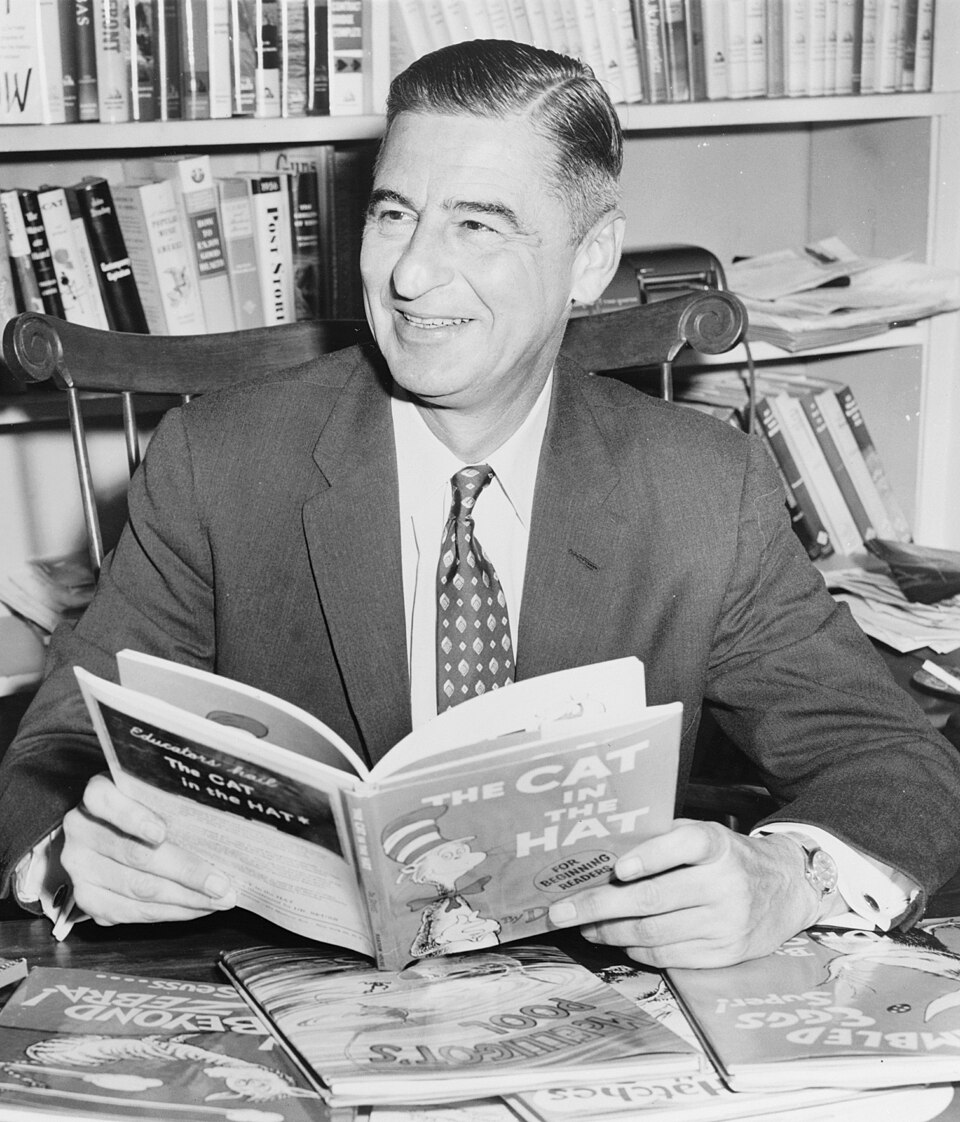
Theodor Seuss Geisel
Children's author
Rejected somewhere between 20 and 43 times. He never gave a consistent count.
2 documented failures
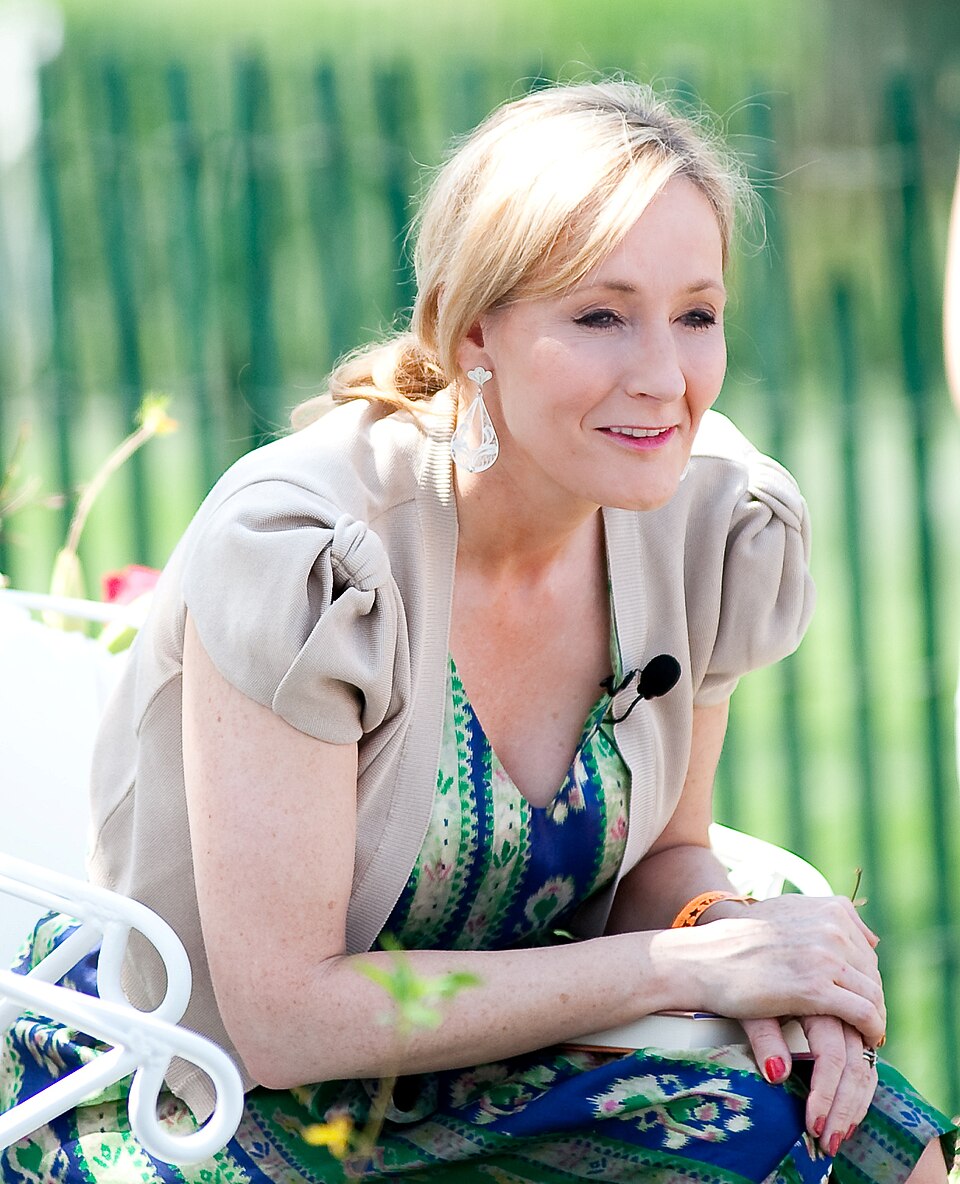
J.K. Rowling
Novelist
Turned down by more or less every major publisher in Britain, over about a year, while on state benefits.
4 documented failures
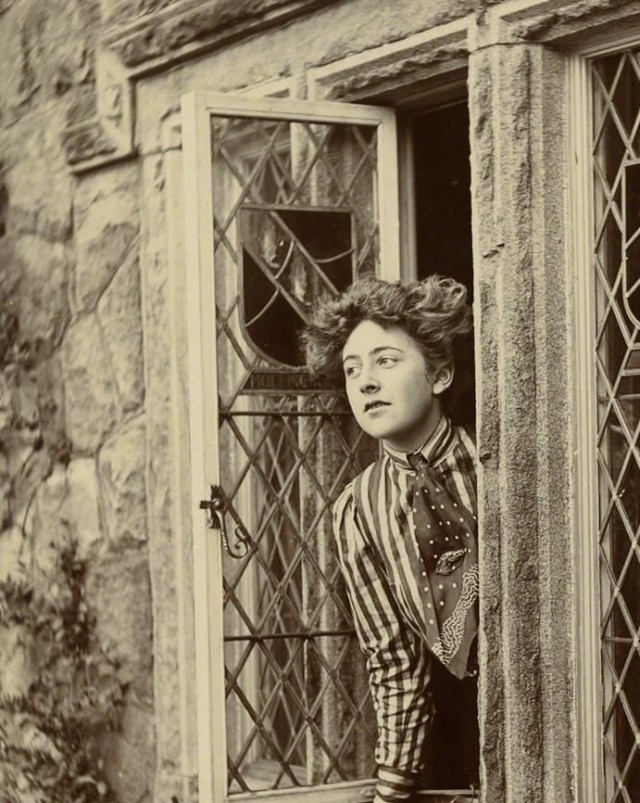
Agatha Christie
Novelist
Told her voice would never be strong enough for opera. Her first novel was never published at all.
5 documented failures
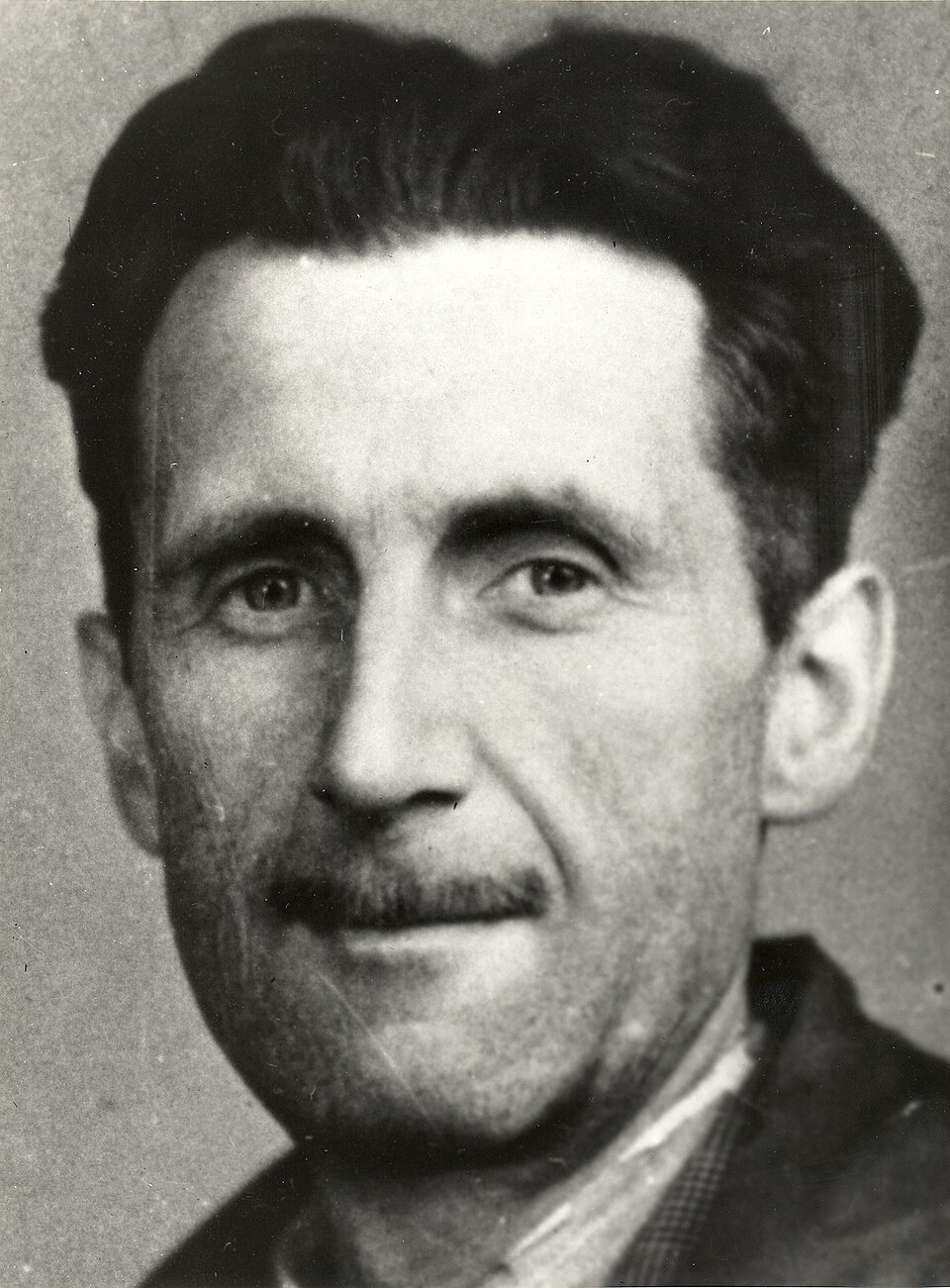
George Orwell
Novelist and essayist
T. S. Eliot rejected him twice, twelve years apart. The second book was Animal Farm.
9 documented failures