Jimmy Carter
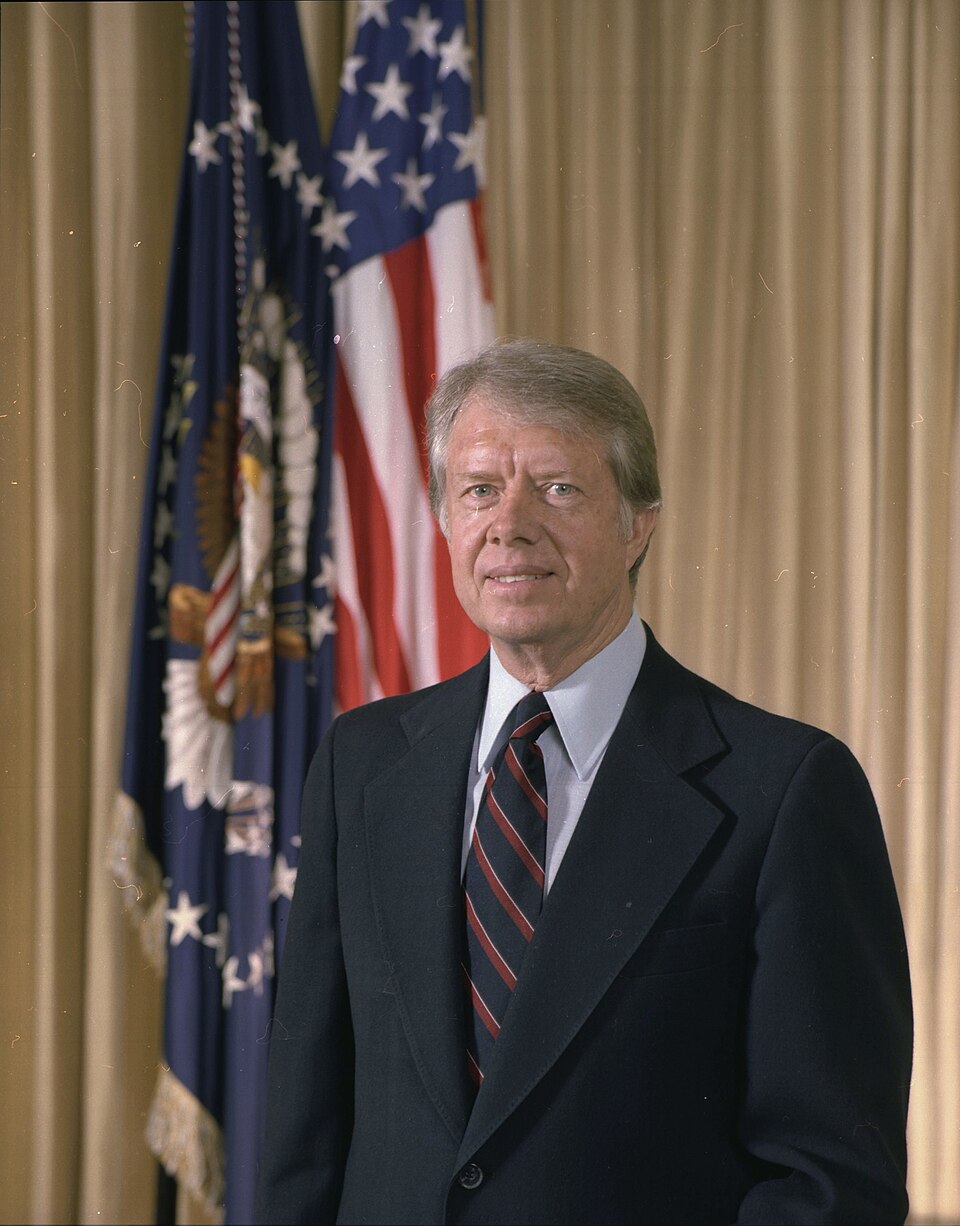
What failed
He left the Navy in 1953 when his father died and took over the family farm at Plains. Georgia was in drought the next year and the farm's net profit for 1954 was $187. In 1966 he entered the Democratic primary for governor of Georgia and finished third, missing the runoff, behind the former governor Ellis Arnall and behind Lester Maddox, who in 1964 had turned three Black activists away from his Atlanta restaurant with a throng of supporters wielding axe handles, and who then closed the restaurant rather than desegregate it. Carter was bitterly disappointed and came out of the campaign carrying a substantial debt. The larger defeat came at the other end of the career. In November 1979 students loyal to the Ayatollah overran the American embassy in Tehran; three days later Edward Kennedy announced a challenge for Carter's own party's nomination; the rescue mission Carter ordered was called off on 24 April 1980 after equipment failure in the helicopters, and two of the aircraft collided on the ground in the desert, killing eight servicemen. In November 1980 he lost to Ronald Reagan by nearly ten percent of the popular vote and by a margin of 440 electoral college votes, the first elected incumbent beaten since Hoover in 1932. He left office with his presidency widely regarded as a failure.
What happened next
He ran for governor again in 1970, forced a runoff and beat Carl Sanders with the support of rural voters, born-again Christians and some segregationists, then used the inaugural address to call for an end to segregation. He announced for president on 12 December 1974, when his home-state paper's headline was "Jimmy Who Is Running For What!?", and narrowly beat Gerald Ford in November 1976. The Camp David Accords were initialled on 17 September 1978. After the 1980 defeat he never held office again. He founded the Carter Center in Atlanta in 1982, and in 1994 helped the United States settle a nuclear weapons dispute with North Korea. On 10 December 2002 he was awarded the Nobel Peace Prize. He died at home in Plains on 29 December 2024.
The point
The order runs the wrong way for a comeback story. The 1966 defeat was followed by a governorship and a presidency; the 1980 defeat was followed by no elected office at all. Begin and Sadat took the 1978 Nobel Peace Prize for the agreement Carter had brokered, Carter took no political benefit from it and won fewer votes from Jewish Americans in 1980 than in 1976, and the reason he was left out of that prize was a paperwork deadline: the chairman of the Nobel Committee said from the platform in 2002 that the committee had wanted to give it to him in 1978 with the other two, and that he had not been nominated by the 1 February cut-off, months before anyone could know what would happen at Camp David in September. What the record shows is a man losing his job badly at fifty-six, and spending the next forty-four years doing different work rather than getting it back.
The sequence
7 documented failures, shown with the successes in between. Every entry carries its own source — the wins are part of the record, and leaving them out is how these stories get distorted.
- 1954
Drought across Georgia in his first full year running the family farm; net profits for the year come to $187.
- 1962
Beaten in the Democratic primary for a new Georgia State Senate seat, he proves the winning votes were fraudulent, a judge throws them out and he takes the seat.
- 1966
Runs for the Democratic nomination for governor of Georgia and finishes third, missing the runoff behind Ellis Arnall and Lester Maddox.
- 1966
Comes out of the defeat bitterly disappointed and carrying a substantial campaign debt.
- 1970
Runs for governor a second time, forces a runoff and defeats the former governor Carl Sanders, with the support of rural voters, born-again Christians and some segregationists.
- 1971
Uses his inaugural address as governor to call for an end to segregation, and draws national attention for it.
- 1974
Announces his candidacy for president on 12 December.
- 1974
His home-state paper runs the headline "Jimmy Who Is Running For What!?" the day after the announcement.
- 1976
Goes into the autumn with a double-digit lead over Gerald Ford, then gives an interview to Playboy that ends with a question about whether his Christian values would make him seem sanctimonious, answers it by confessing to lust in his heart, and the lead slips.
- 1976
Wins the Democratic nomination and narrowly beats the incumbent president Gerald Ford in November.
- 1978
The Camp David Accords between Egypt and Israel are initialled on 17 September.
- 1978
The Nobel Peace Prize for 1978 goes jointly to Sadat and Begin for the agreement Carter had brokered. He is not on it.
- 1978
The Nobel Committee wanted to include him, but he had not been nominated by the 1 February deadline, months before the talks at Camp David.
- 1979
Student militants overrun the American embassy in Tehran in November and take the staff hostage.
- 1979
Three days after the embassy is seized, Edward Kennedy announces a challenge to Carter for their party's nomination.
- 1980
The mission to bring the hostages out is called off after equipment failure in the rescue helicopters.
- 1980
Two of the aircraft collide on the ground in the desert as the team withdraws, and eight of the crewmen are killed.
- 1980
Camp David brings him no political return: he wins fewer votes from Jewish Americans than he did four years earlier.
- 1980
Loses the presidential election to Ronald Reagan in November, by nearly ten percent of the popular vote and by a margin of 440 electoral college votes.
- 1981
Leaves office in January with his presidency widely regarded as a failure.
- 1982
Founds the Carter Center in Atlanta and becomes University Distinguished Professor at Emory.
- 1994
Assists the United States government as it settles a nuclear weapons dispute with North Korea.
- 2002
Awarded the Nobel Peace Prize on 10 December, twenty-one years after leaving office.
Sources
- Jimmy Carter: Life Before the Presidency - Miller Center, University of Virginia
Carter was bitterly disappointed by his defeat and was saddled with a substantial debt from it.
- Lester Maddox - New Georgia Encyclopedia
On July 3, 1964, Maddox and a throng of supporters wielding axe handles forcibly turned away three Black activists.
- Jimmy Carter - New Georgia Encyclopedia
Though at the time he departed office his presidency was widely perceived as a failure, Carter left behind a solid record of accomplishment in both domestic and international affairs.
- Jimmy Carter: Campaigns and Elections - Miller Center, University of Virginia
When the election returns were released, the president had lost by nearly 10 percent of the popular vote and by 440 electoral college votes.
- Jimmy Carter: Foreign Affairs - Miller Center, University of Virginia
The failure of the rescue mission doomed Carter politically.
- April 25, 1980: Statement on the Iran Rescue Mission - Miller Center, University of Virginia
Late yesterday, I cancelled a carefully planned operation which was underway in Iran to position our rescue team for later withdrawal of American hostages, who have been held captive there since November 4.
- Jimmy Carter - Jimmy Carter Presidential Library and Museum, National Archives
In 1982, he became University Distinguished Professor at Emory University in Atlanta, Georgia, and founded The Carter Center.
- Jimmy Carter: Life After the Presidency - Miller Center, University of Virginia
In 1994, the former president assisted the US government as it settled a tension-filled nuclear weapons dispute with North Korea.
- The Nobel Peace Prize 1978 - NobelPrize.org
The Nobel Peace Prize 1978 was awarded jointly to Mohamed Anwar al-Sadat and Menachem Begin "for jointly having negotiated peace between Egypt and Israel in 1978"
- Jimmy Carter - Facts - NobelPrize.org
According to the Chairman of the Nobel Committee, Carter ought to have been awarded the Prize as early as in 1978, when he successfully mediated a peace agreement between Egypt and Israel.
- Award Ceremony Speech, the Nobel Peace Prize 2002 (Gunnar Berge) - NobelPrize.org
It is no secret today that the Norwegian Nobel Committee wished to give him the Prize in 1978, together with Anwar Sadat and Menachim Begin. A mere formality prevented Carter from receiving his well-earned Peace Prize at that time: he had not been nominated by the 1 February deadline.
Use the ← and → keys to move between entries.
Related failures
Others in politics, and nearby.
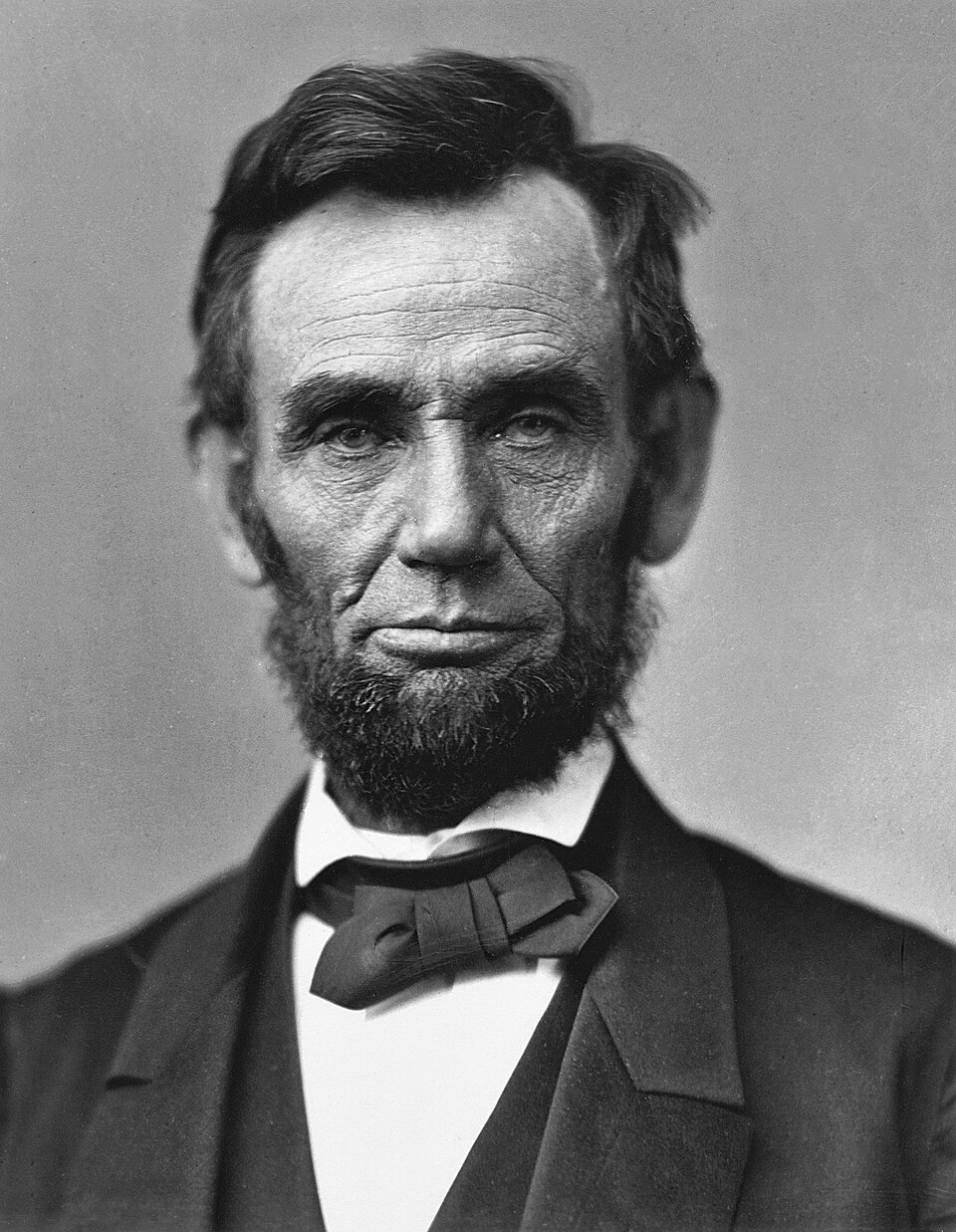
Abraham Lincoln
Law and politics
The famous list of his failures is mostly invented. The real record is better.
11 documented failures
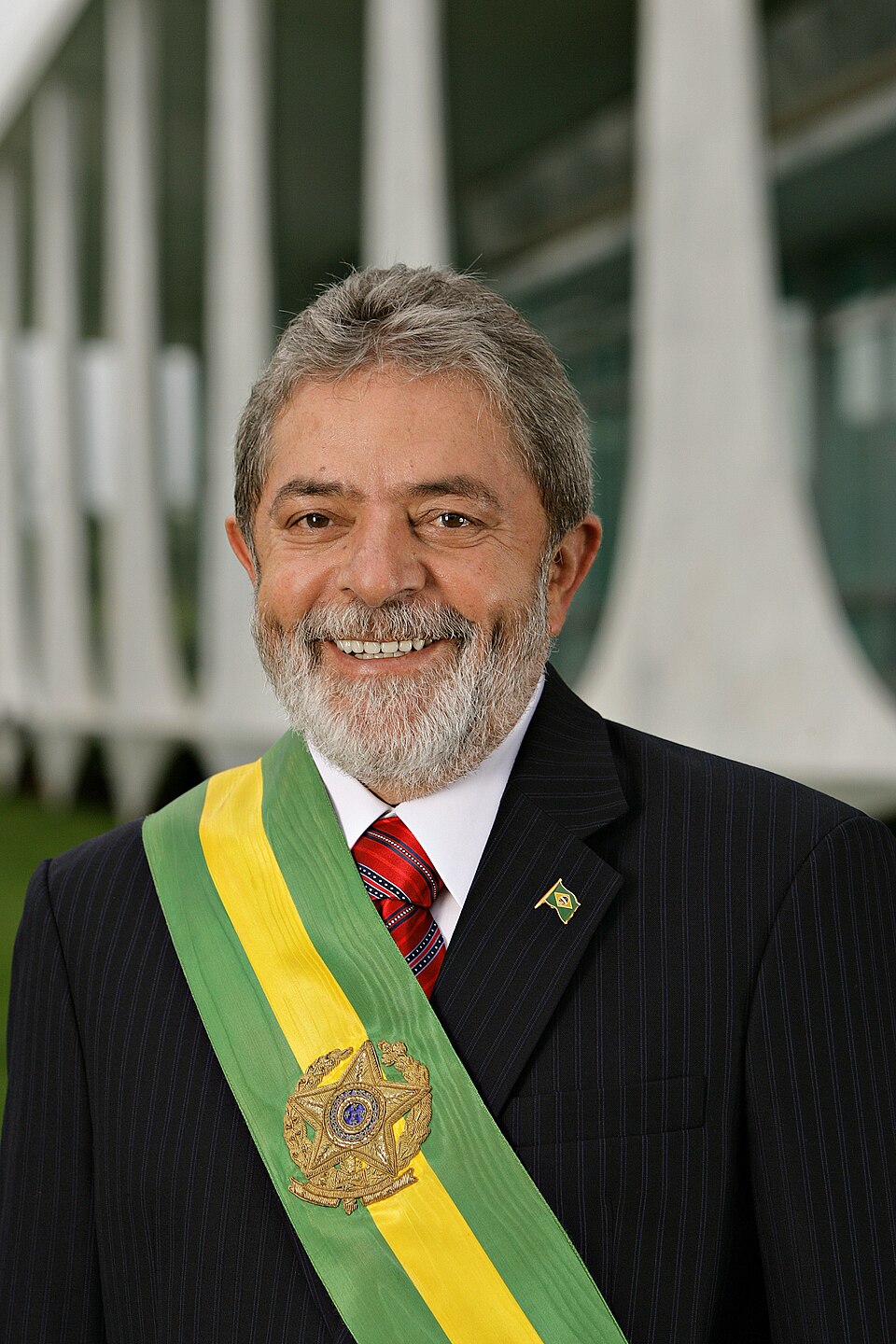
Luiz Inácio Lula da Silva
Trade unionism and politics
He lost three presidential elections in a row before winning the fourth.
4 documented failures
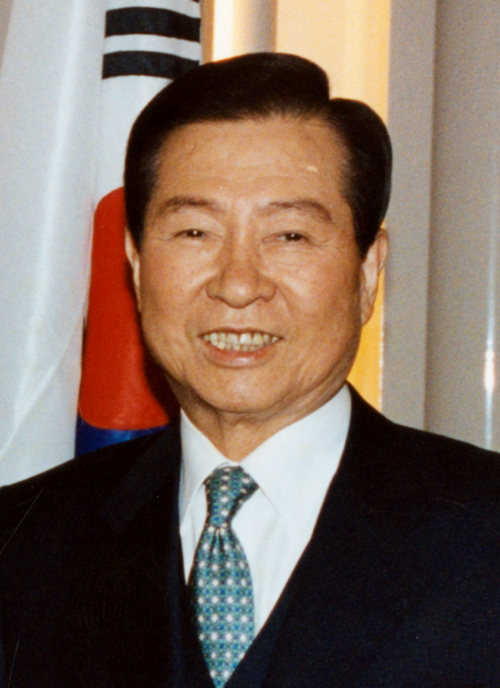
Kim Dae-jung
Politics
Three lost presidential elections, a kidnapping, and a death sentence — then the presidency and a Nobel Prize.
3 documented failures
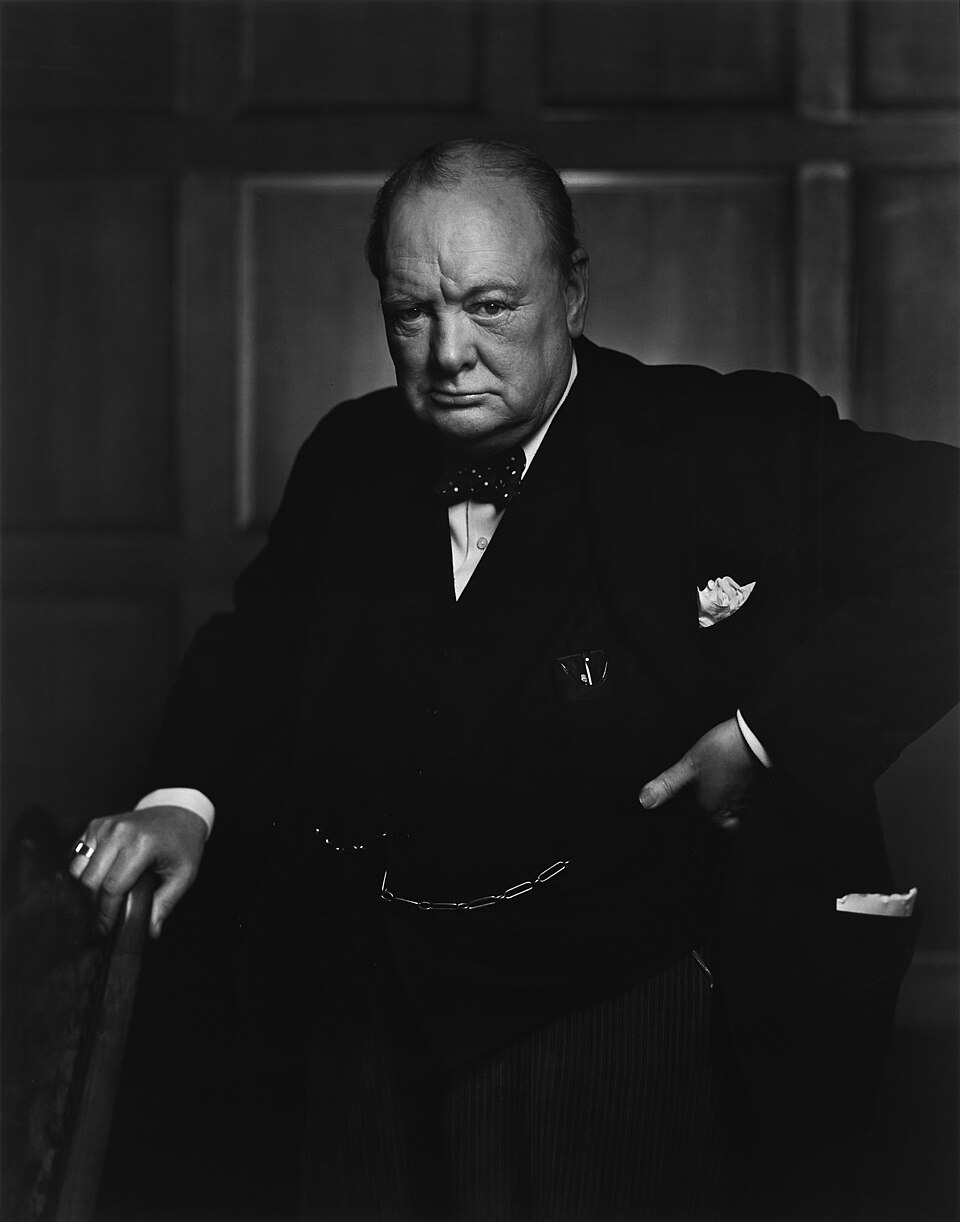
Winston Churchill
Politics
He lost his seat twice, was blamed for a military catastrophe, and spent the 1930s written off entirely.
9 documented failures