Charley Pride
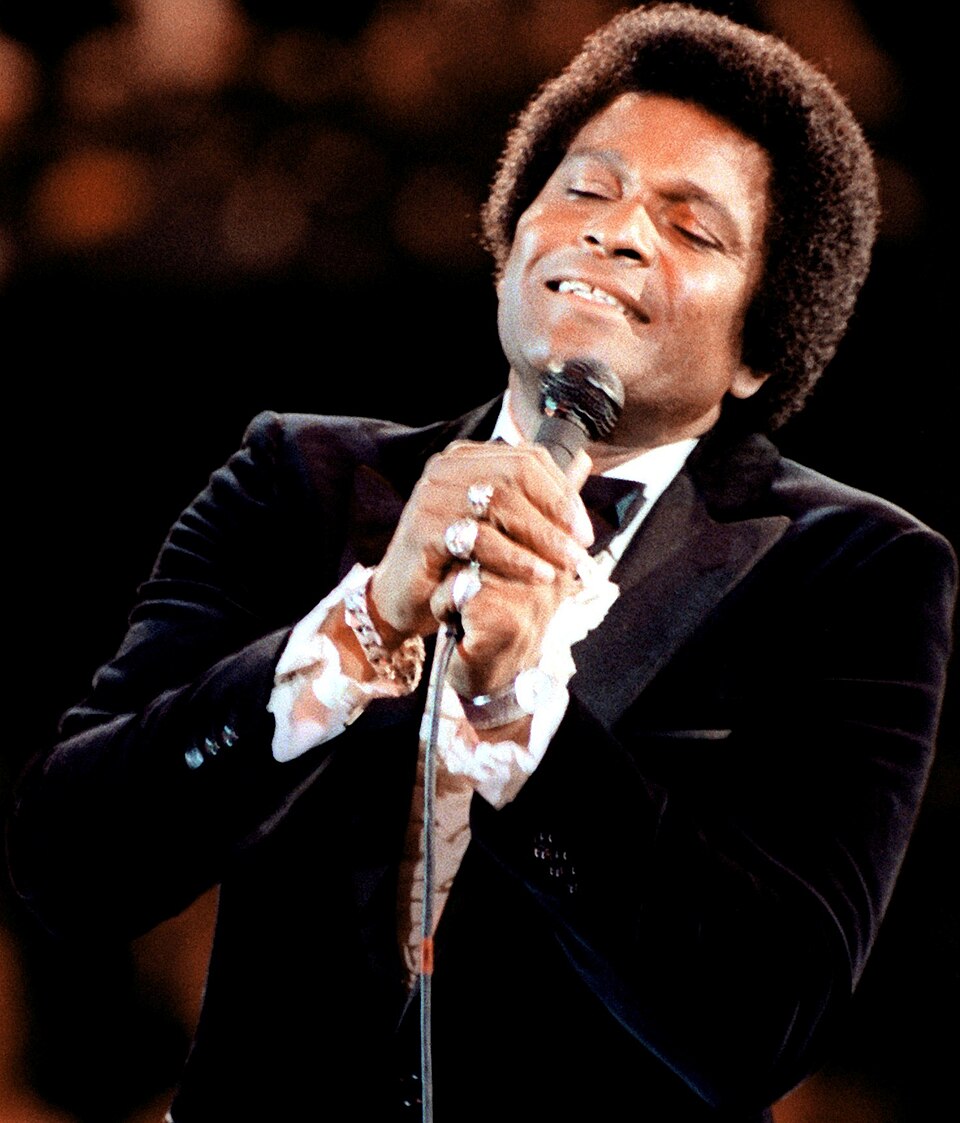
What failed
He pitched in the Negro American League at eighteen, then lost the pace on his fastball to an arm injury. He had tryouts with two major league organisations in 1961 and 1962 and neither signed him. Baseball was over.
What happened next
He worked at a lead smelter, played semipro ball, and sang at ballgames for ten dollars a time. RCA signed him in 1965 and mailed his first singles to journalists and disc jockeys without the standard publicity photograph, which kept his race from country radio. Pride disputed that the omission was deliberate, and said the harder problem was getting promoters to book a Black country singer. His third single reached the country top ten. He entered the Country Music Hall of Fame in 2000.
The point
A career ending is not the career ending. He was good enough at one thing to turn professional and still could not make it, and the transferable asset turned out to be the singing he did for tips between innings.
The sequence
2 documented failures, shown with the successes in between. Every entry carries its own source — the wins are part of the record, and leaving them out is how these stories get distorted.
- 1952
Pitches for the Memphis Red Sox in the Negro American League at eighteen.
- 1953
An arm injury takes the pace off his fastball.
- 1956
Wins fourteen games for the Memphis Red Sox and is picked for the Negro league East-West All-Star Game.
- 1960
Works at a lead smelter and sings at ballgames for an extra ten dollars a match.
- 1961-1962
Tryouts with two major league organisations; neither signs him.
- 1967
His third single reaches the country top ten, after the label had kept his race from disc jockeys.
- 2000
Inducted into the Country Music Hall of Fame.
Sources
- Charley Pride (Country Music Hall of Fame)
RCA kept Pride's race secret from country radio disc jockeys until the third single, "Just Between You and Me," climbed into the country Top Ten.
- Charley Pride (Wikipedia)
Pride disputed that the omission of a photo was deliberate; he stated that getting promoters to bring in a Black country singer was a bigger problem.
- Charley Pride obituary: Country music's first Black super star (The Irish Times)
RCA Records, for example, once mailed promotional copies of his earliest recordings to journalists and disc jockeys across the country without including the standard publicity photos, thus concealing his race.
- Charley Pride (SABR BioProject)
In the spring of 1952, the 18-year-old Charley unsuccessfully tried out for the Memphis Red Sox of the Negro American League.
Use the ← and → keys to move between entries.
Related failures
Others in music, and nearby.
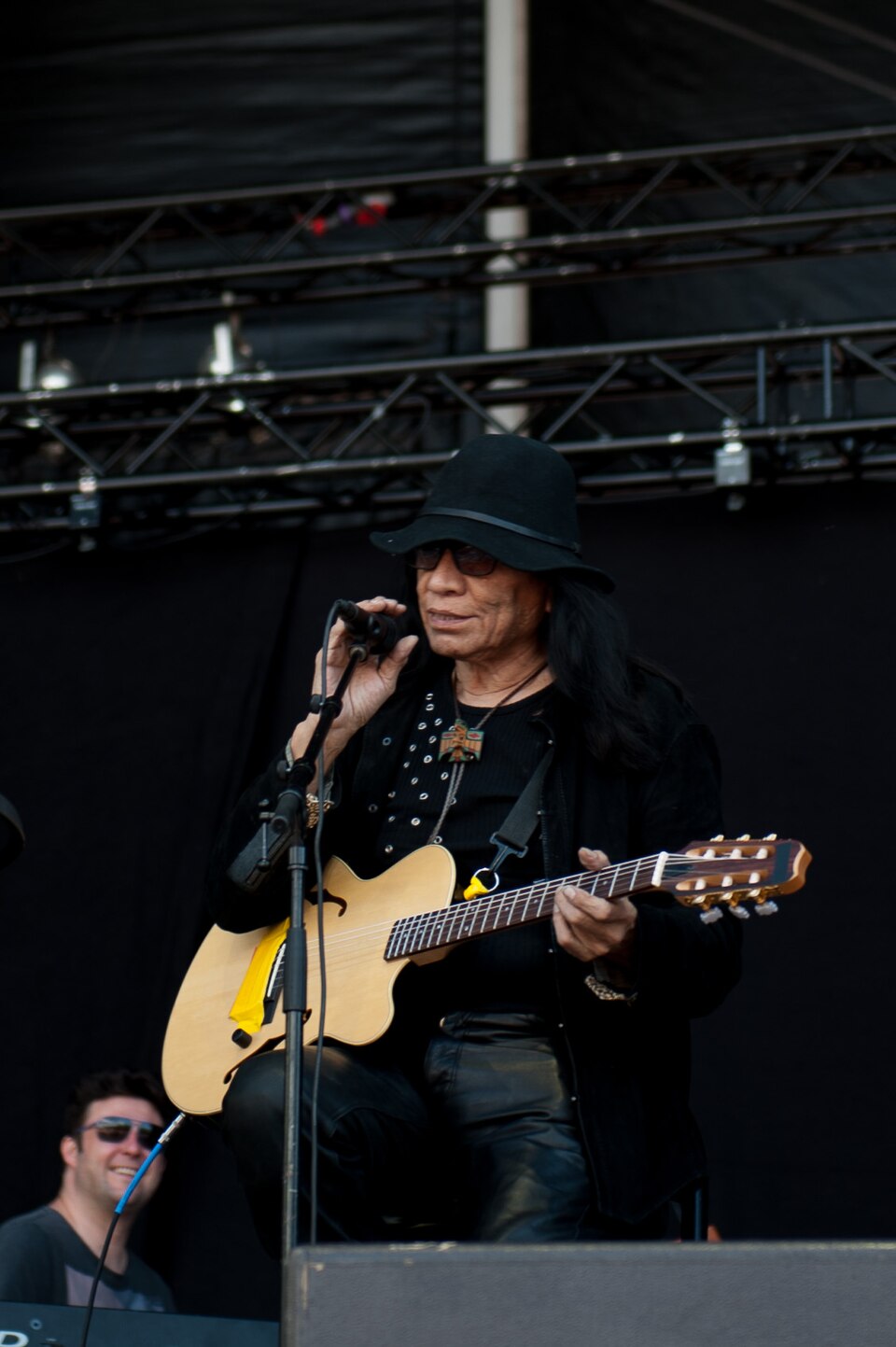
Sixto Rodriguez
Singer-songwriter
Dropped by his label, working demolition — and a star in countries he had never visited.
2 documented failures
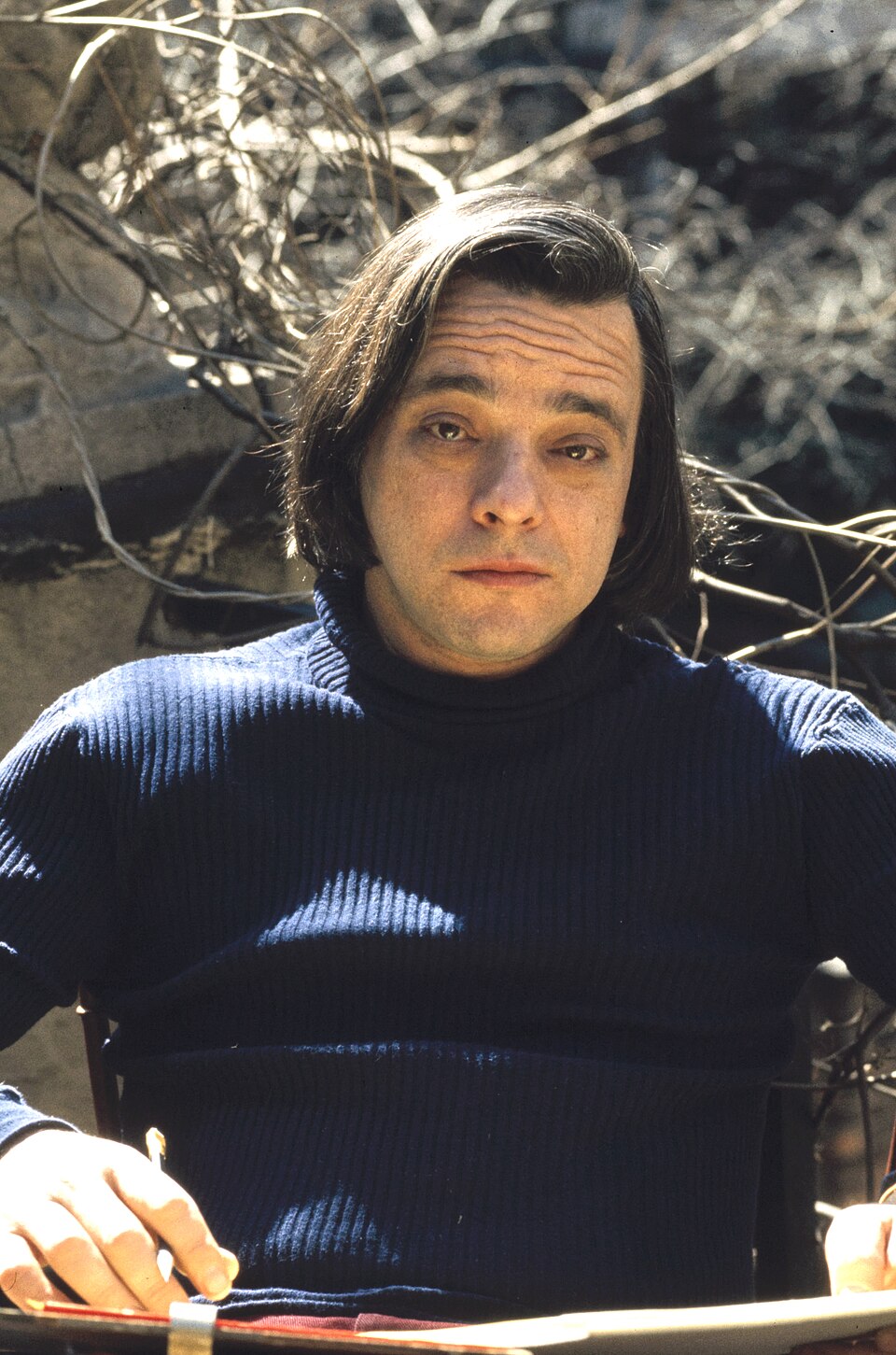
Stephen Sondheim
Composer-lyricist
Closed after sixteen performances in 1981. In 2024 it won the Tony for Best Revival.
3 documented failures
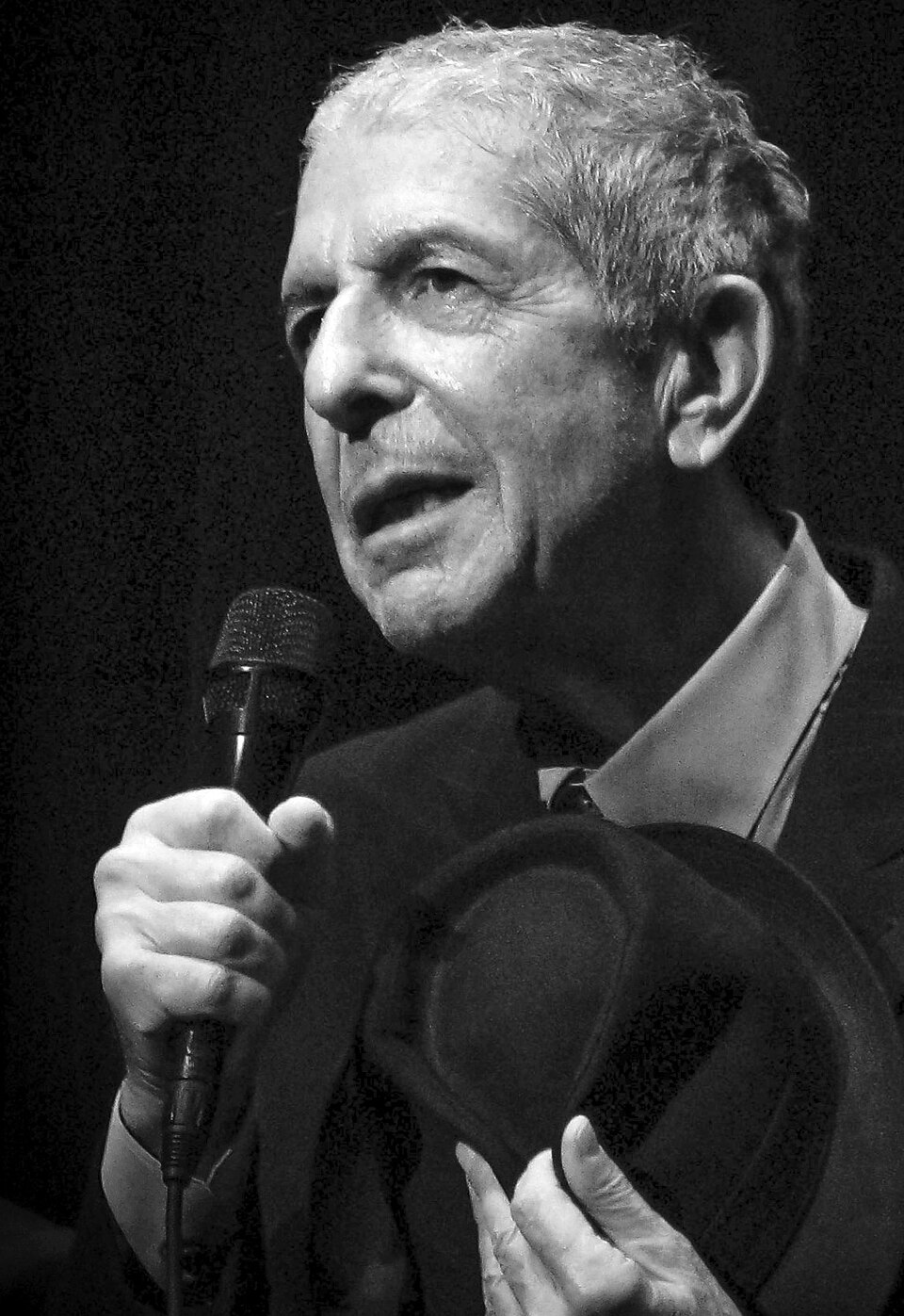
Leonard Cohen
Songwriter and poet
His own label refused to release the album with Hallelujah on it.
3 documented failures
Brian Wilson
Composer and producer
He abandoned the album halfway. He finished it thirty-seven years later.
3 documented failures