Dwight D. Eisenhower
What failed
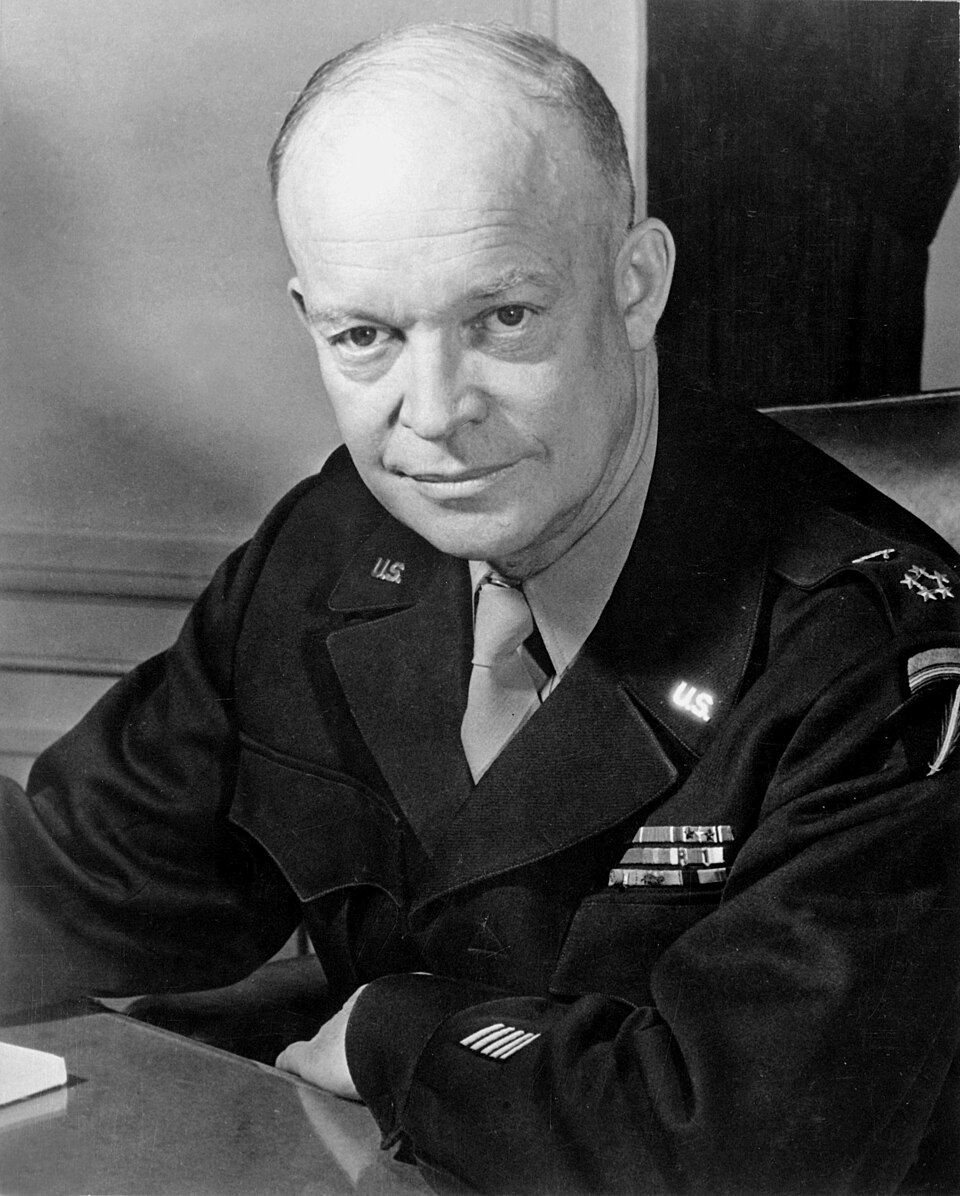
His football career ended in 1912, when a knee injured in a tackle against Tufts gave way in riding class the same week; the damage put his commission at risk and nearly made him quit the academy. He graduated in the middle of his class, trained tank crews through the whole First World War without crossing the Atlantic, was demoted two ranks at demobilisation, and was warned that publishing his views on armoured warfare again would put him before a court-martial.
What happened next
He was still a lieutenant colonel in early 1941. Nine months later he was a brigadier general; by 1944 he commanded the invasion of Europe.
The point
Sixteen years is long enough to conclude the thing has not worked. What was happening in those years was not visible as progress and did not show up in his rank.
The sequence
6 documented failures, shown with the successes in between. Every entry carries its own source — the wins are part of the record, and leaving them out is how these stories get distorted.
- 1912
A knee injured in a tackle against Tufts gives way in riding class the same week, ending his football career. He nearly leaves the academy.
- 1915
Graduates in the middle of his class, his instructors unimpressed.
- 1918
Trains tank crews for the whole war without ever being sent to France.
- 1920
Told his armoured-warfare doctrine is wrong and dangerous, and threatened with court-martial.
- 1920-1936
Sixteen consecutive years at the rank of major.
- 1933-1939
Seven years as another man's staff officer, ending in the Philippines.
- 1944
Supreme Commander for the invasion of Europe.
Sources
- Chronology (Eisenhower Presidential Library)
July 1, 1936: Promoted to Lieutenant Colonel.
- Dwight D. Eisenhower: Life Before the Presidency (Miller Center)
threatened him with a court-martial if he again challenged official views on infantry warfare
Use the ← and → keys to move between entries.
Related failures
Others in military, and nearby.
Ulysses S. Grant
Soldiering and politics
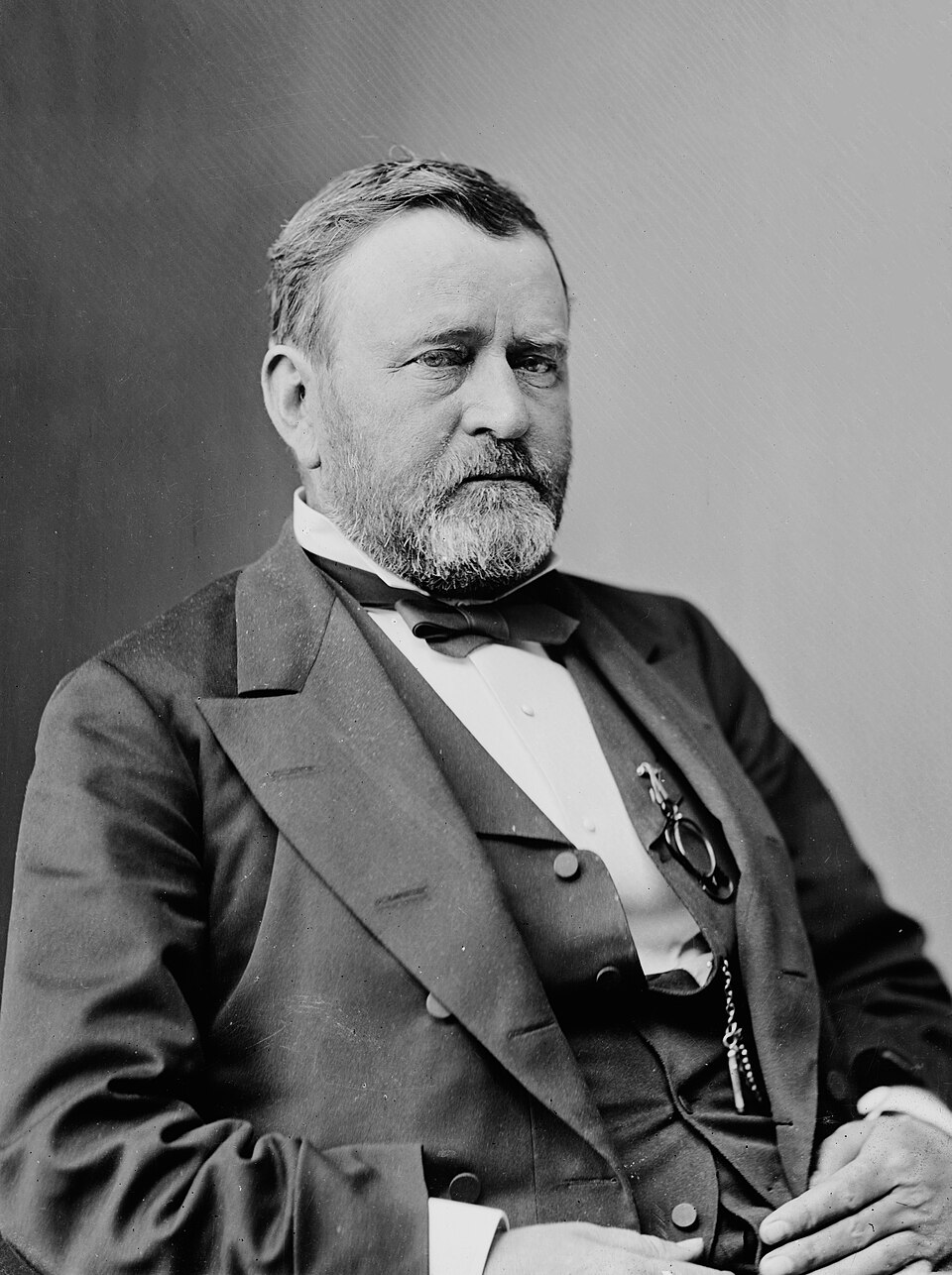
He sold firewood on street corners in worn-out clothes, and pawned his watch two days before Christmas.
7 documented failures
George Washington
Soldiering
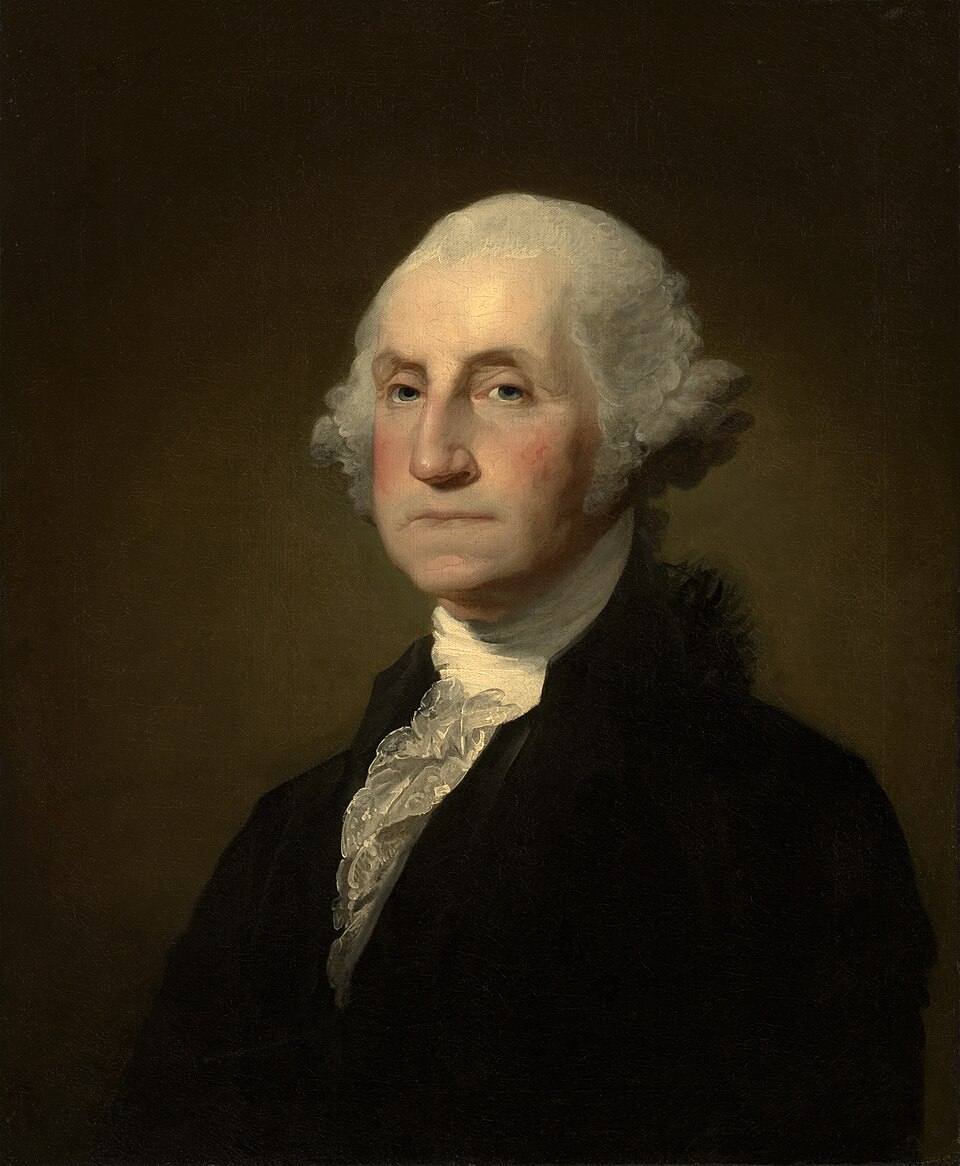
He surrendered on his first independent command, and lost more battles than he won.
7 documented failures
Audie Murphy
Soldiering
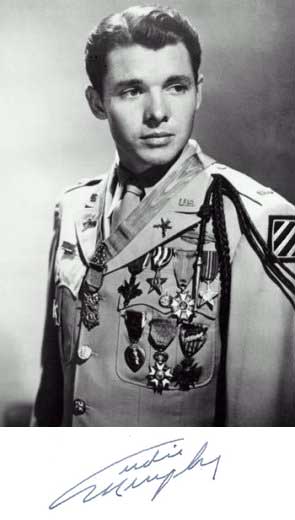
Turned away by the Marines for being too short, then by the paratroopers, then nearly sent to cookery school.
6 documented failures
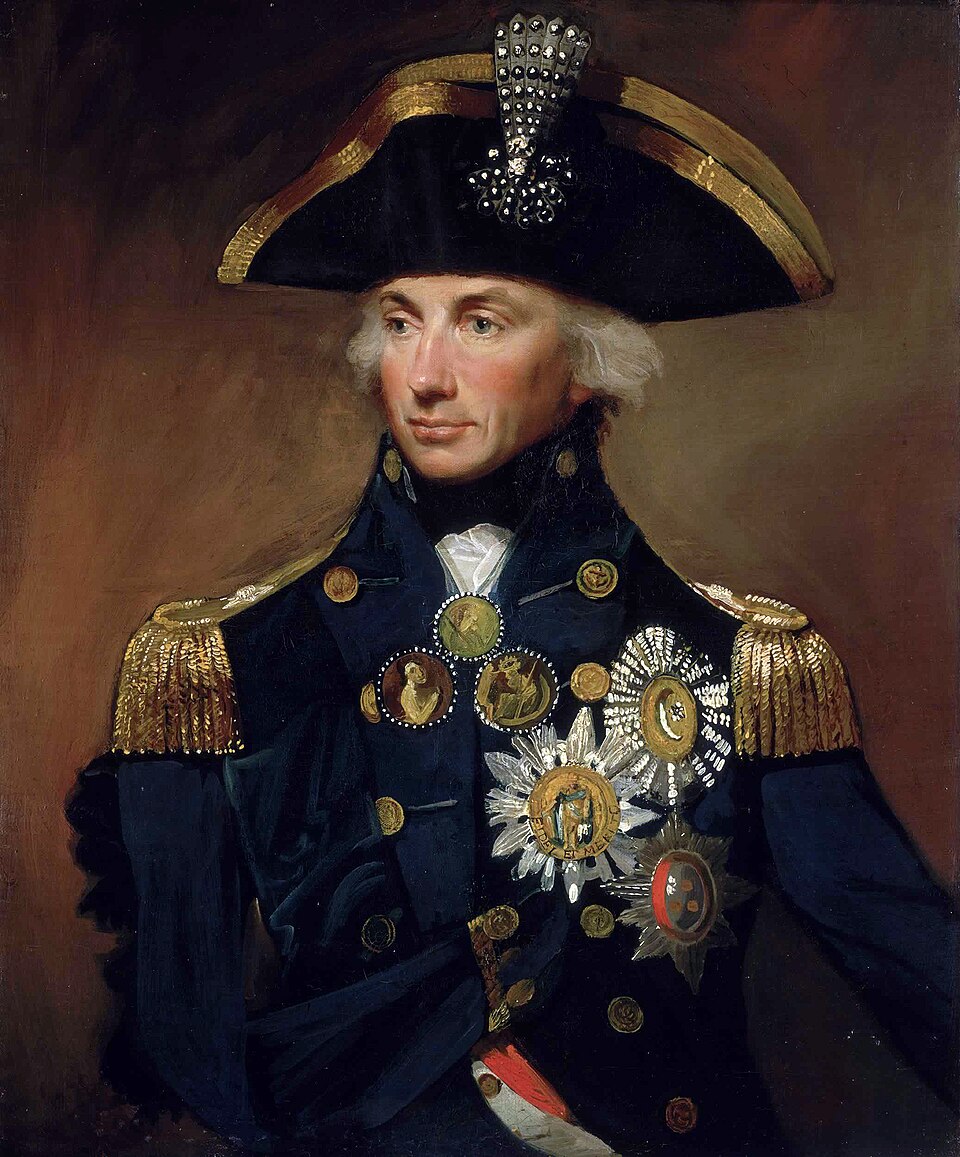
Horatio Nelson
Naval command
He lost the use of an eye, then an arm, then wrote that he was a burden to his friends and useless to his country.
5 documented failures