Antonio Vivaldi
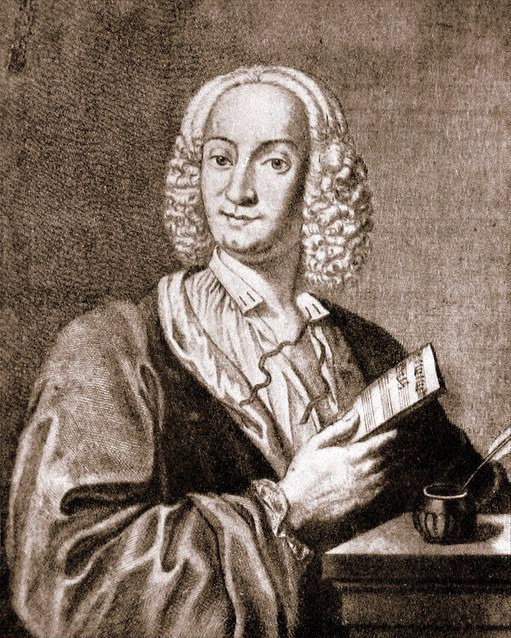
What failed
The governors of the Ospedale della Pietà decided annually whether to reconfirm each maestro in his post, and Vivaldi's ballots were never comfortable. Unlike Gasparini, who was confirmed unanimously up to 1716, he always drew between one and three "no" votes, and twice he fell short of the two-thirds majority he needed. On 24 February 1709 the first vote went seven for and six against, the second reversed it to six for and seven against, and he lost the post for two and a half years. On 29 March 1716 he lost it again, when only seven of twelve members voted in his favour. In November 1737 Cardinal Ruffo forbade him to come to Ferrara to mount opera; as Vivaldi set it out to his patron Bentivoglio on 16 November, the grounds were that he was a cleric who did not say Mass and was friends with the singer Girò. Charles de Brosses, who knew him towards the end of his life, found him less well regarded than he deserved, in a city where everything had to be fashionable, where his works had been heard for too long, and where last year's music no longer made any money. In 1740 his contract with the Pietà, where he had taught, conducted and composed on and off for almost forty years, was not renewed, and he sold off sizeable numbers of his manuscripts at paltry prices to finance the move to Vienna. Charles VI died shortly after he arrived, and the official royal mourning that followed banned opera performance for a year, closing the route he had probably gone to Vienna to take.
What happened next
He died in Vienna during the night of 27/28 July 1741, aged 63, in a house owned by the widow of a Viennese saddlemaker. His funeral was held at St Stephen's Cathedral on 28 July, the same day, and he was interred in the nearby hospital burial ground. What followed was not total obscurity: some of the works published in his lifetime, The Four Seasons among them, stayed in private collections, and Bach had transcribed six of his concertos for solo keyboard and a further three for organ. But as Miles Fish puts it, until the 1950s Vivaldi and his music were virtually unknown to the concert-going public. The manuscripts were the part that had gone. In the autumn of 1926 Alberto Gentili, professor of music history at Turin, opened crates sent for appraisal from a Salesian monastery at Monferrato and found hundreds of Vivaldi manuscripts in bound volumes, 185 years after his death. The missing portion was traced through the Durazzo family of Genoa, and the collection became complete again on 30 October 1930. A Vivaldi Festival Week was held in Siena from 16 to 21 September 1939, the first American recording of The Four Seasons was made in the final week of 1947 by the violinist Louis Kaufman, and Vivaldi is now one of the most performed composers in music history.
The point
The record is mostly of a working musician whose post kept going to a vote, in an institution that could not always afford him. The Pietà's minutes are a run of ballots and two of them went against him — though Heller is careful to say the vote was determined primarily by economic considerations as well as being an evaluation of each maestro's work, so losing the job twice is not the same as being judged unfit twice. A cardinal's prohibition stopped him going to Ferrara. The de Brosses letter is the flattest of the documents: not that Vivaldi had got worse, but that his works had been heard for too long and last year's music no longer made money. He kept composing through all of it and died poor anyway. The scale of what he had written was not established until crates were opened in Turin 185 years after his death.
The sequence
7 documented failures, shown with the successes in between. Every entry carries its own source — the wins are part of the record, and leaving them out is how these stories get distorted.
- 1693
Aged fifteen, he begins studying for the Catholic priesthood.
- 1703
Ordained at twenty-five and soon nicknamed il Prete Rosso, the Red Priest.
- 1703
In September he becomes maestro di violino at the Ospedale della Pietà, and a successful teacher there.
- 1704
A year after ordination he is dispensed from celebrating Mass, the fact later used against him in Ferrara.
- 1709
On 24 February the governors' ballot reverses on the second vote and he loses his Pietà post.
- 1711
Reappointed to the Pietà, unanimously this time, two and a half years after the first dismissal.
- 1711
L'estro armonico, Op. 3, is published and establishes him as the leading master of the concerto.
- 1716
On 29 March he loses the Pietà appointment a second time, only seven of twelve governors voting for him.
- 1716
Reinstated in May by eleven votes to one, with the title maestro de' concerti confirmed and no rise in pay.
- 1725
The Four Seasons is published in Amsterdam as part of Op. 8, Il cimento dell'armonia e dell'inventione.
- 1728
Meets Emperor Charles VI at Trieste and is given a knighthood, a gold medal and an invitation to Vienna.
- 1736
His father Giovanni Battista, his first teacher and travelling companion, dies on 14 May.
- 1737
Cardinal Ruffo forbids him to come to Ferrara to mount opera, because he is a cleric who does not say Mass and is friends with the singer Girò. He sets out his defence to his patron Bentivoglio on 16 November.
- c. 1739
Charles de Brosses, who knew him towards the end of his life, finds him less well regarded than he deserves in a Venice where last year's music no longer makes money.
- 1740
His contract with the Ospedale della Pietà, held on and off for almost forty years, is not renewed.
- 1740
Charles VI dies; the official royal mourning that follows bans opera performance for a year.
- 1741
Dies in Vienna during the night of 27/28 July, aged 63, in a house owned by a saddlemaker's widow.
- 1741
Buried on 28 July, the same day. Whether this was a pauper's burial is contested: it has repeatedly been described that way, but Michael Lorenz, working from the Viennese burial records, finds that Vivaldi was buried in his own grave at a relatively high cost of two gulden.
- 1926
Alberto Gentili, professor of music history at Turin, opens crates sent from a monastery and finds hundreds of Vivaldi manuscripts.
- 1930
The missing portion is traced through the Durazzo family and the collection becomes complete again on 30 October.
- 1939
A Vivaldi Festival Week is staged in Siena from 16 to 21 September.
- 1947
Louis Kaufman makes the first American recording of The Four Seasons in the final week of the year.
Sources
- Karl Heller, Antonio Vivaldi: The Red Priest of Venice (Amadeus Press, 1997), Chapter Four, pp. 53-54
Although the vote was determined primarily by economic considerations, it was also something of an evaluation of each maestro's efforts at the Pietà. ... Unlike, for example, Gasparini, who was always confirmed unanimously up to 1716, Vivaldi always received between one and three "no" votes and he fell short of the required two-thirds majority twice, in 1709 and in 1716.
- 'Anna and the Red Priest: Anna Girò and Antonio Vivaldi' — Interlude
Vivaldi adamantly denied any romantic relationship in a letter to his patron Bentivoglio dated 16 November 1737. "His Eminence Cardinal Ruffo has commanded me not to come to Ferrara to mount opera, because I am cleric who does not say Mass, and because I am friends with the singer Girò ..."
- 'Vivaldi: A Life' — Classic FM
To my great astonishment, I find that he is not as well regarded as he deserves in these parts [Venice], where everything has to be fashionable, where his works have been heard for too long, and where last year's music no longer makes any money.
- Antonio Vivaldi — Wikipedia
Shortly after his arrival in Vienna, Charles VI died, which left the composer without any imperial patronage or a steady source of income.
- Antonio Vivaldi: Style and influence — Wikipedia
Bach transcribed six of Vivaldi's concerti for solo keyboard, a further three for organ, and one for four harpsichords, strings, and basso continuo (BWV 1065) based upon the concerto for four violins, two violas, cello, and basso continuo (RV 580).
- Michael Lorenz, 'Haydn Singing at Vivaldi's Exequies: An Ineradicable Myth'
A "Kleingleuth" was not a "pauper's peal of bells". 2 florins 36 kreuzer was a week's salary of a well-paid manservant.
- Miles Fish, 'Discovering the Rediscovery of Antonio Vivaldi', Choral Journal (ACDA), vol. 55 no. 10
It is hard to believe that until the 1950s, Vivaldi and his music were virtually unknown to the concert-going public.
- The Four Seasons (Vivaldi) — Wikipedia
The first American recording was made in the final week of 1947 by the violinist Louis Kaufman.
Use the ← and → keys to move between entries.
Related failures
Others in music, and nearby.
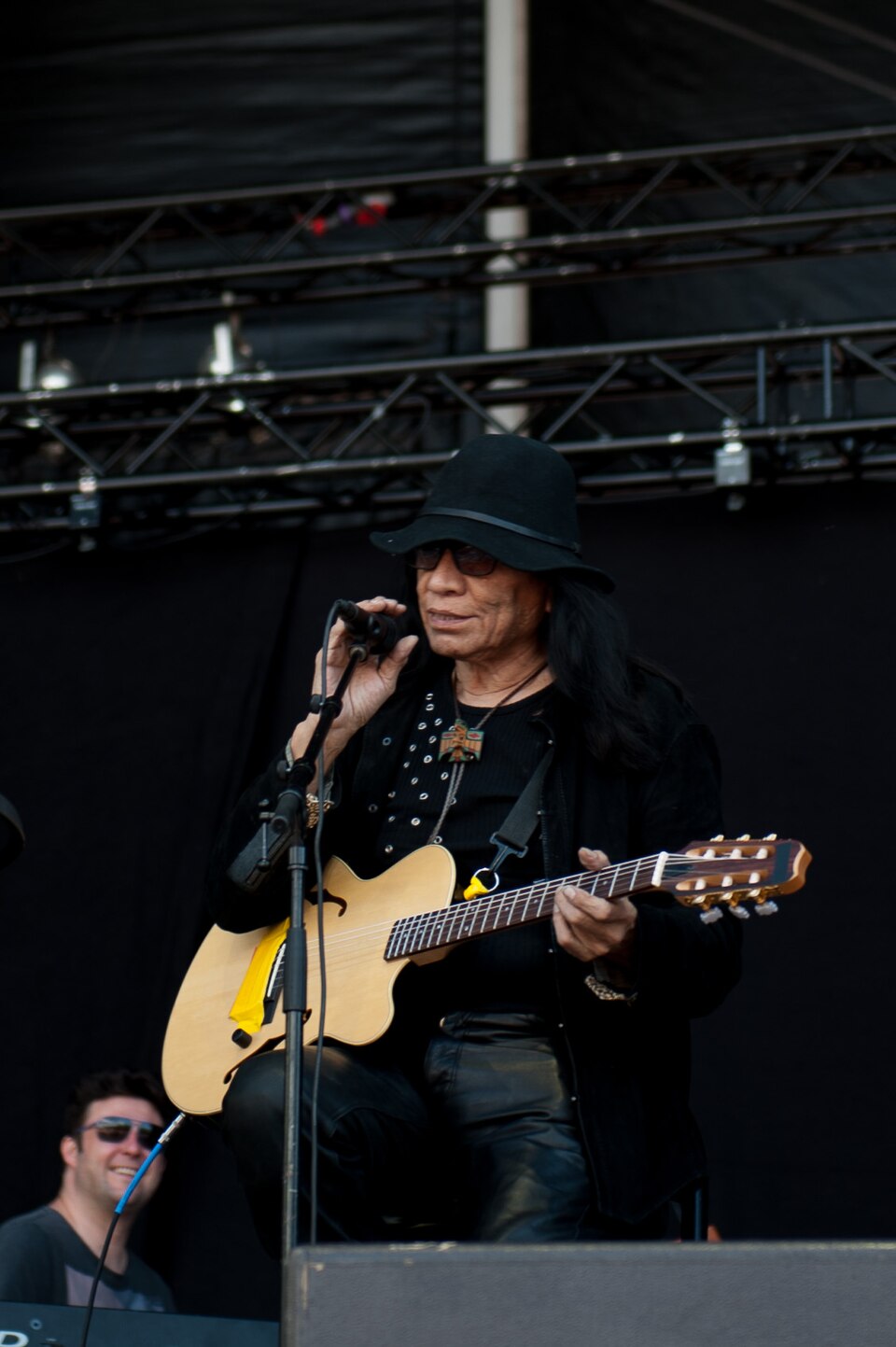
Sixto Rodriguez
Singer-songwriter
Dropped by his label, working demolition — and a star in countries he had never visited.
2 documented failures
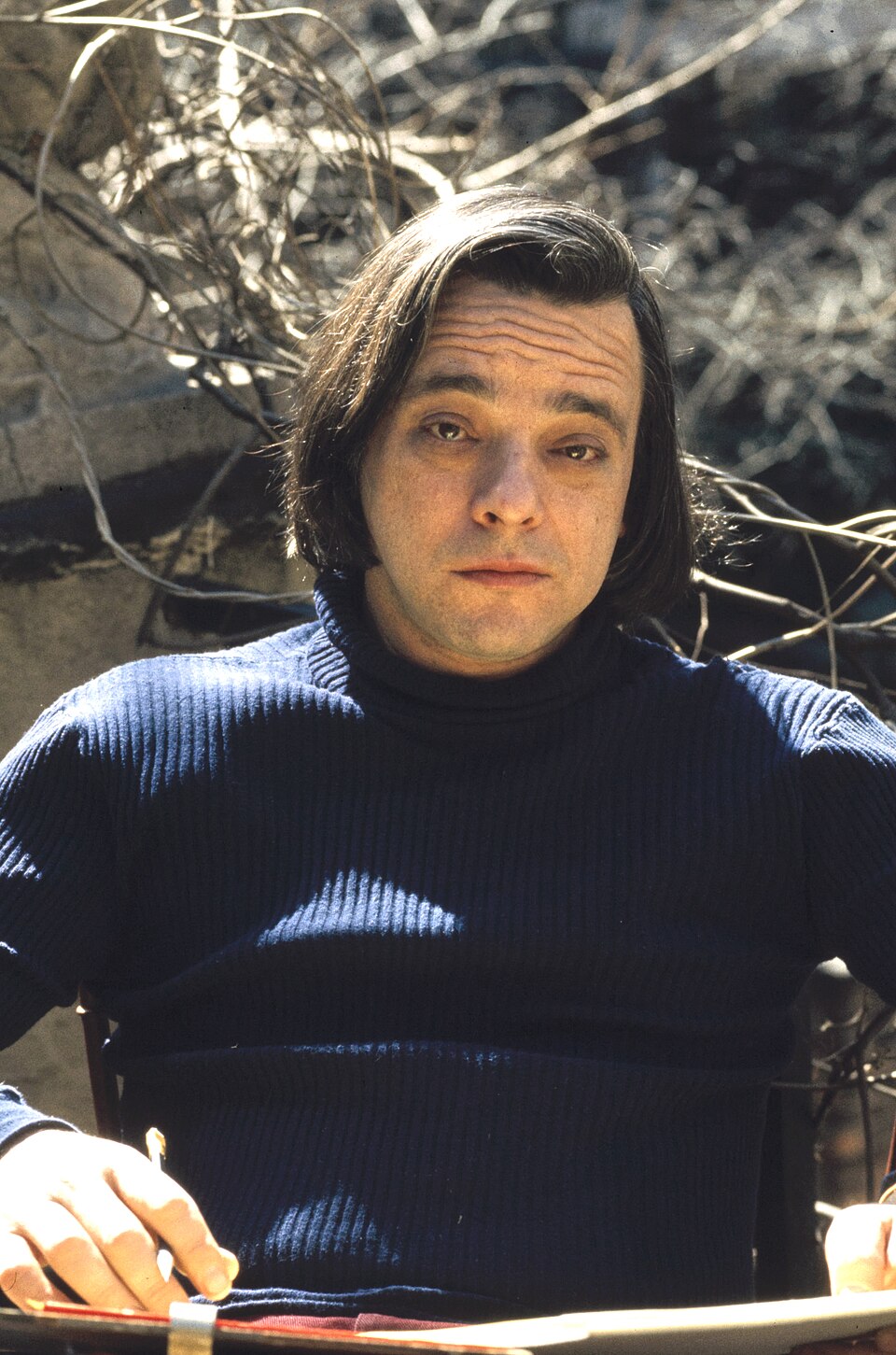
Stephen Sondheim
Composer-lyricist
Closed after sixteen performances in 1981. In 2024 it won the Tony for Best Revival.
3 documented failures
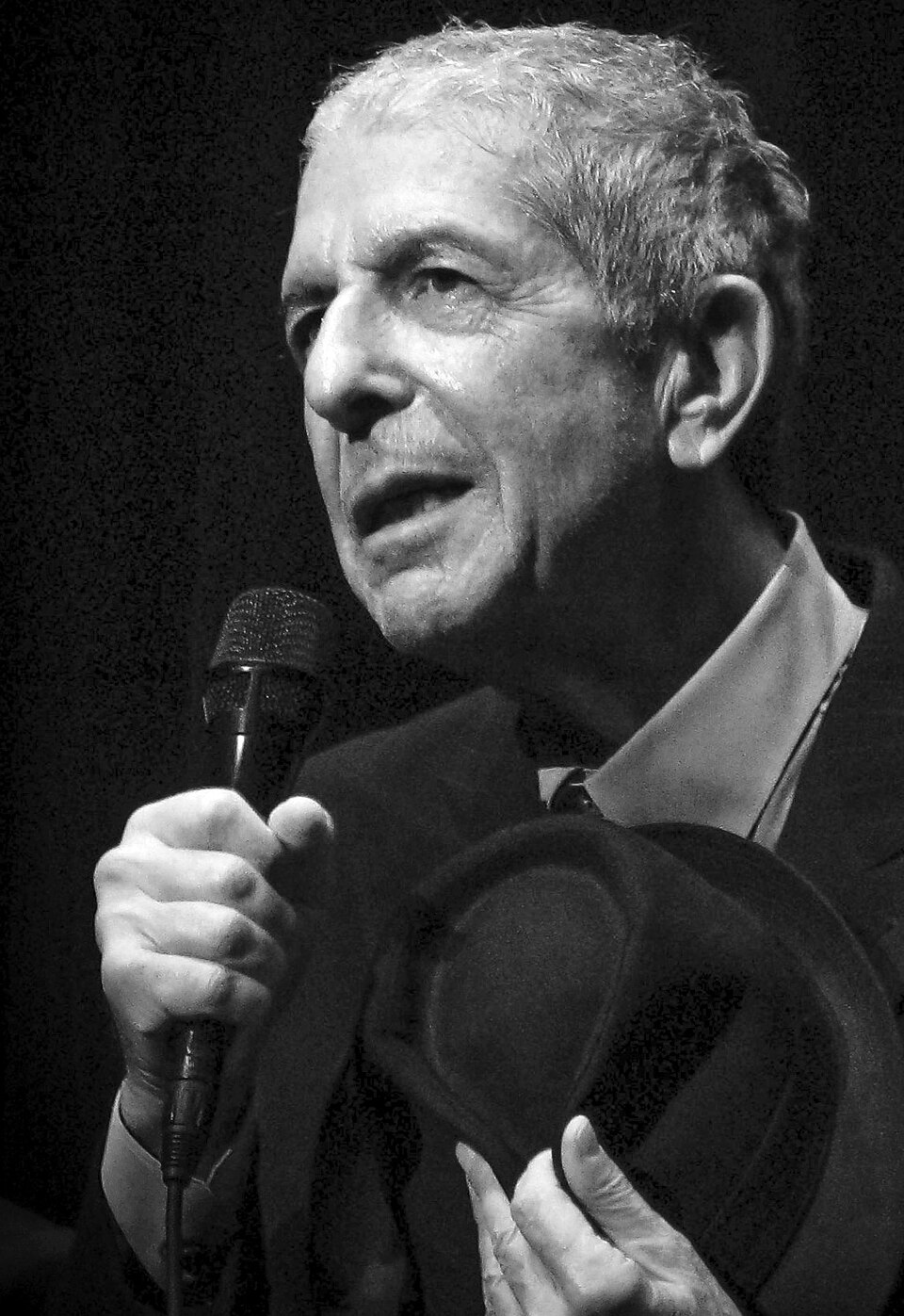
Leonard Cohen
Songwriter and poet
His own label refused to release the album with Hallelujah on it.
3 documented failures
Charley Pride
Country singer
He failed at his first career in front of scouts, then signed a record deal at thirty-one.
2 documented failures