Roald Amundsen
What failed
He was admitted to university at eighteen to read medicine because his mother wished it, and sat at the bottom of his class; when she died in 1893 he left without a degree for the sea. He sailed for the Northwest Passage in June 1903 considerably in debt, slipping away after one of his creditors threatened to place the Gjøa under lien. Support for his Arctic drift collapsed in September 1909, when Frederick Cook and Robert Peary each announced they had reached the North Pole. The Maud expedition of 1918 to 1925 never drifted over the pole: in the first winter he fell on the ice and broke his upper arm in two places, and on 10 December he was poisoned by carbon monoxide in the magnetic observatory and his health was permanently damaged. The 1923 flight from Alaska was given up when the undercarriage broke on landing and the plane could not be repaired. The public treated the whole expedition as a failure and called his flying ventures stunts unworthy of being taken seriously, although the Maud came home to Seattle in October 1925 with the observations that made the expedition a scientific success. In September 1924 he filed for bankruptcy, owing around 350,000 kroner to several different creditors.
What happened next
In October 1924, in a hotel room in New York, the telephone rang: Lincoln Ellsworth, offering to help finance a flight from Spitsbergen. Two Dornier flying boats left Ny-Ålesund on 21 May 1925 and landed at 87°43' N by the Fram Museum's figure, 87°44' N in most other accounts; N24 was damaged on take-off and abandoned, and the six men struggled for three and a half weeks to cut a strip in the drift ice before Riiser-Larsen got N25 airborne with all of them aboard on 15 June. On 12 May 1926 Amundsen, Ellsworth, Umberto Nobile and thirteen others crossed the North Pole in the airship Norge, the first verified crossing of the pole by air - the earlier claims of Cook, Peary and Byrd are disputed by some. It was officially the Amundsen-Ellsworth-Nobile Transpolar Flight, with Nobile as the airship's constructor and pilot; Nobile then claimed to have been co-leader rather than, as the Norwegian side had it, the paid captain, and the quarrel became bitter and public. Before Amundsen left Tromsø on 18 June 1928 to search for Nobile's wrecked Italia, word reached him that the Historical Museum of Oslo had bought his collection for a sum barely sufficient to satisfy his creditors. His creditors were paid in full. His aircraft never returned.
The point
In his 1927 autobiography he called the period after the Maud expedition the most embarrassing, the most humiliating and on the whole the most tragic episode of his life. His own account of the New York hotel room is that it seemed to him all channels were now closed and that his career as a polar explorer had ended in a disgraceful way. He was fifty-two, twelve years past the South Pole, and reckoned that at the rate he was going he would need sixty years to pay his debts and finance another expedition. The record shows the bankruptcy and the Norge flight twenty months apart, and the debts cleared in the last week of his life.
The sequence
14 documented failures, shown with the successes in between. Every entry carries its own source — the wins are part of the record, and leaving them out is how these stories get distorted.
- 1890
Admitted to university at eighteen to read medicine at his mother's wish, and sits at the bottom of his class.
- 1893
His mother dies. He leaves the university without a degree and goes to sea.
- 1898
First mate on the Belgica, which is locked in the Antarctic sea ice for a winter the crew is not equipped for.
- 1903
Sails for the Northwest Passage considerably in debt, slipping away after a creditor threatens to put the Gjøa under lien.
- 1906
Completes the first traverse of the Northwest Passage in the sloop Gjøa.
- 1907
Spends two years writing and lecturing to repair his finances, and hates the lecture trips.
- 1909
Funding for his Arctic drift expedition collapses in September 1909 after Cook and Peary both announce they have reached the North Pole.
- 1911
Reaches the South Pole on 14 December with four companions, the first party to do so.
- 1914
The Fram is found damaged beyond repair by dry rot, ending the plan to sail her north.
- 1918
In the Maud's first winter he falls on the ice and breaks his upper arm in two places.
- 1918
Six weeks later, with the arm still in a sling, a polar bear attacks him.
- 1918
Carbon monoxide poisoning in the magnetic observatory on 10 December permanently damages his health.
- 1920
The Maud reaches Nome on 28 July, completing the Northeast Passage.
- 1923
The attempt to fly from Alaska over the pole is given up after the aircraft is wrecked on landing.
- 1923
The public writes the Maud expedition off as a failure and calls his flying ventures stunts.
- 1924
Files for bankruptcy in September, owing around 350,000 kroner to several creditors.
- 1924
On the American lecture tour he calculates it would take him sixty years to clear the debts.
- 1924
In a New York hotel room in October he writes off his own career as finished in disgrace.
- 1924
The telephone rings in that room: Lincoln Ellsworth, offering to help finance a flight from Spitsbergen.
- 1925
The two flying boats leave Ny-Ålesund on 21 May and land short of the pole. The sources disagree on how far they got: the Fram Museum says 87°43' N, Wikipedia and most other accounts 87°44' N.
- 1925
N24 is abandoned and the six men spend three and a half weeks cutting a runway in drift ice.
- 1925
On 15 June Riiser-Larsen gets N25 off the ice with all six men aboard.
- 1925
The Maud returns to Seattle in October with the observations that make the expedition a scientific success.
- 1926
The airship Norge crosses the North Pole on 12 May: the first verified crossing of the pole by air.
- 1926
Nobile claims to have been co-leader of the Norge expedition. The sources disagree: the Fram Museum, giving the Norwegian side, says the contracts made him the airship's paid captain, while Nobile held that he was co-leader. Both accounts here are one side of a public quarrel.
- 1928
Word reaches him at Tromsø that the Historical Museum of Oslo has bought his collection, clearing his creditors.
Sources
- Amundsen, Roald (1872-1928) — Fram Museum, Oslo
From the public point of view the Maud Expedition was a failure and furthermore it was considered that Amundsen should have stayed with the ship instead of trying ventures, which were called stunts that were unworthy of being taken seriously.
- 1924 Bankruptcy — Roald Amundsen's House, Follo Museum / MiA
But in September 1924, everything collapsed and Roald Amundsen filed for bankruptcy.
- The Maud Expedition (1918-1925) — Fram Museum, Oslo
However, on 10 December he was seriously poisoned there by carbon monoxide and his health was permanently damaged.
- The N24/N25 flight towards the North Pole (1925) — Fram Museum, Oslo
The six men struggled for 3½ weeks to create a take-off strip on the drift ice.
- The Norge flight (1926) — Fram Museum, Oslo
In 1926 Roald Amundsen, Lincoln Ellsworth and Umberto Nobile flew with 13 others in the airship “Norge” from Ny-Ålesund at Svalbard over the North Pole to Teller in Alaska. With this “Amundsen-Ellsworth-Nobile Transpolar Flight” the Arctic Ocean was crossed for the first time.
- The 100th Anniversary of the First Flight Over the North Pole — Smithsonian National Air and Space Museum
Roald Amundsen and Umberto Nobile, along with an international crew, completed the first verified crossing of the North Pole by air in the airship Norge on May 12, 1926.
- Flying to the North Pole in an Airship Was Easy. Returning Wouldn't Be So Easy — Smithsonian Magazine
The Amundsen-Nobile feud had been bitter and public, and no one was certain how the explorer would react.
- Roald Amundsen — Store norske leksikon (Norwegian national encyclopaedia)
I sin selvbiografi fra 1927 kalte han denne tiden for «den mest pinlige, den mest ydmykende og i det store og hele den mest tragiske episode i mitt liv».
- Roald Amundsen — Wikipedia
The three previous claims to have arrived at the North Pole, by the Americans Frederick Cook in 1908; Robert Peary in 1909; and Richard E. Byrd in 1926 (just a few days before the Norge) are disputed by some, as being either of dubious accuracy or outright fraudulent.
Use the ← and → keys to move between entries.
Related failures
Others in sport, and nearby.

Michael Jordan
Basketball
The most repeated failure story in the world is wrong in its central word.
2 documented failures
Niki Lauda
Formula One driver
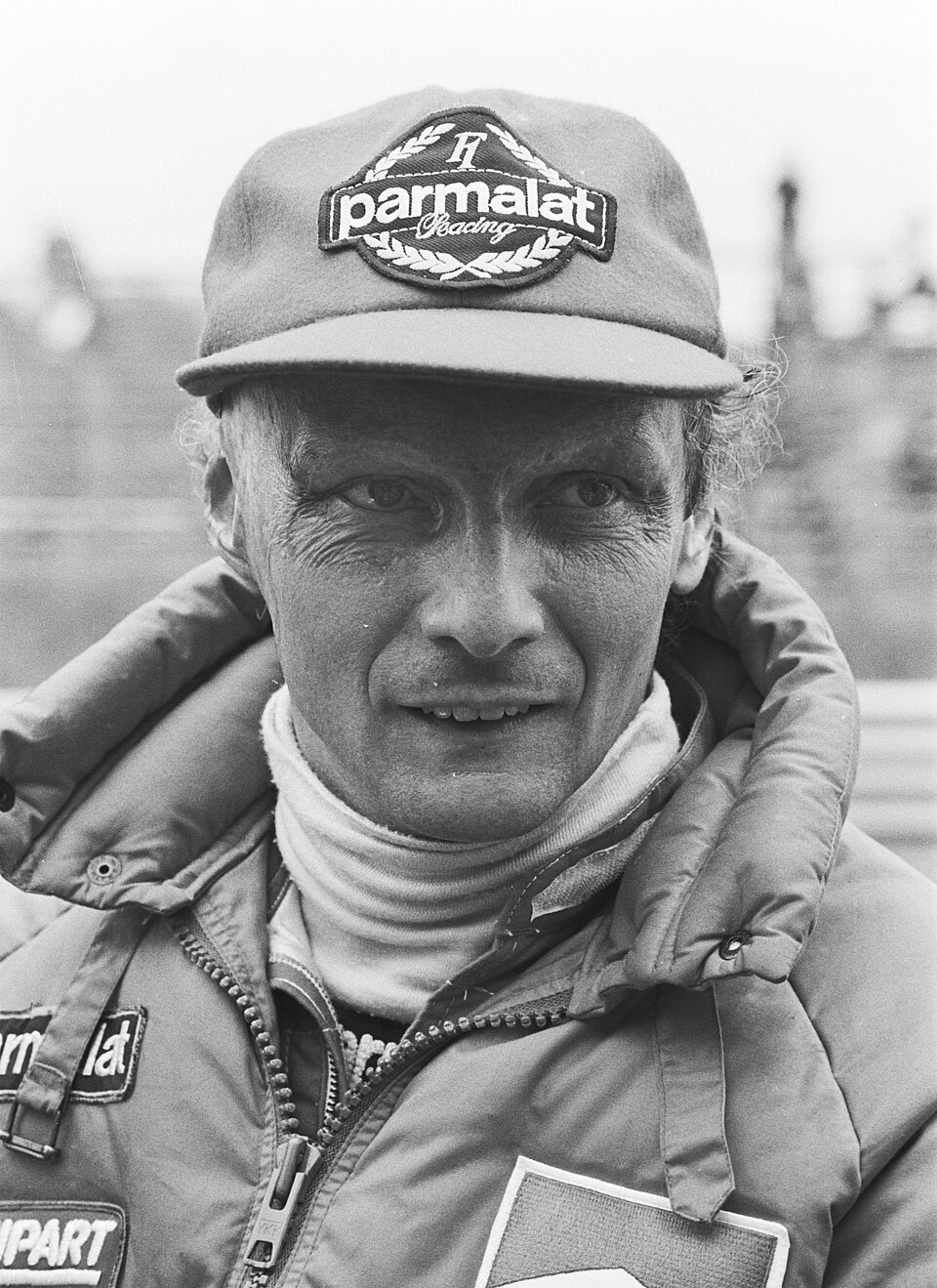
Given the last rites in hospital. Back in a racing car six weeks later.
2 documented failures

Kurt Warner
American football
Undrafted, cut, and stocking supermarket shelves at five dollars fifty an hour. Five years later he was the league's most valuable player.
6 documented failures
Dan Jansen
Speed skating
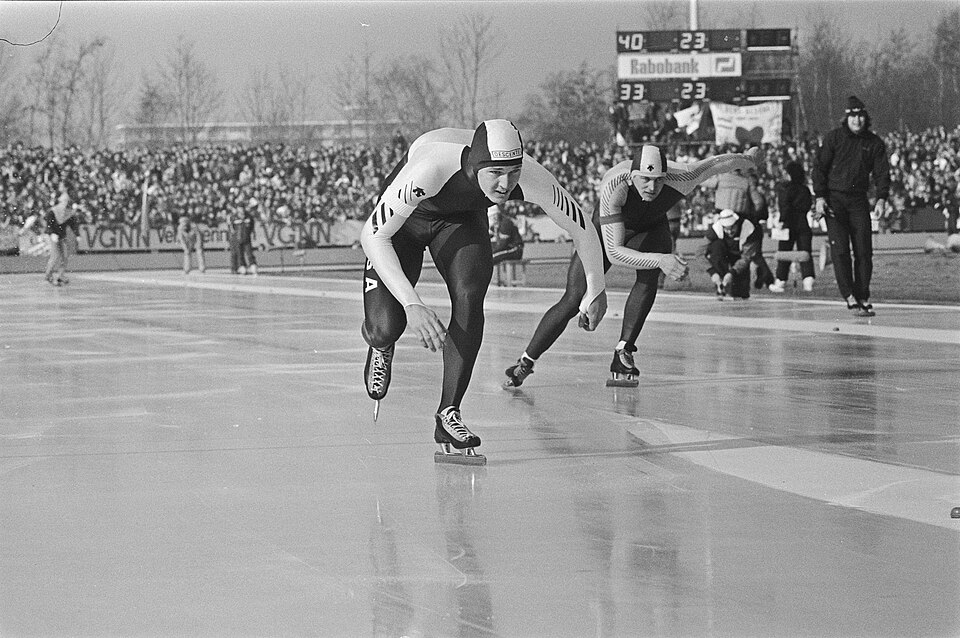
The best sprint skater in the world lost seven straight Olympic races over ten years before winning the last one he ever skated.
5 documented failures