Rembrandt van Rijn
What failed
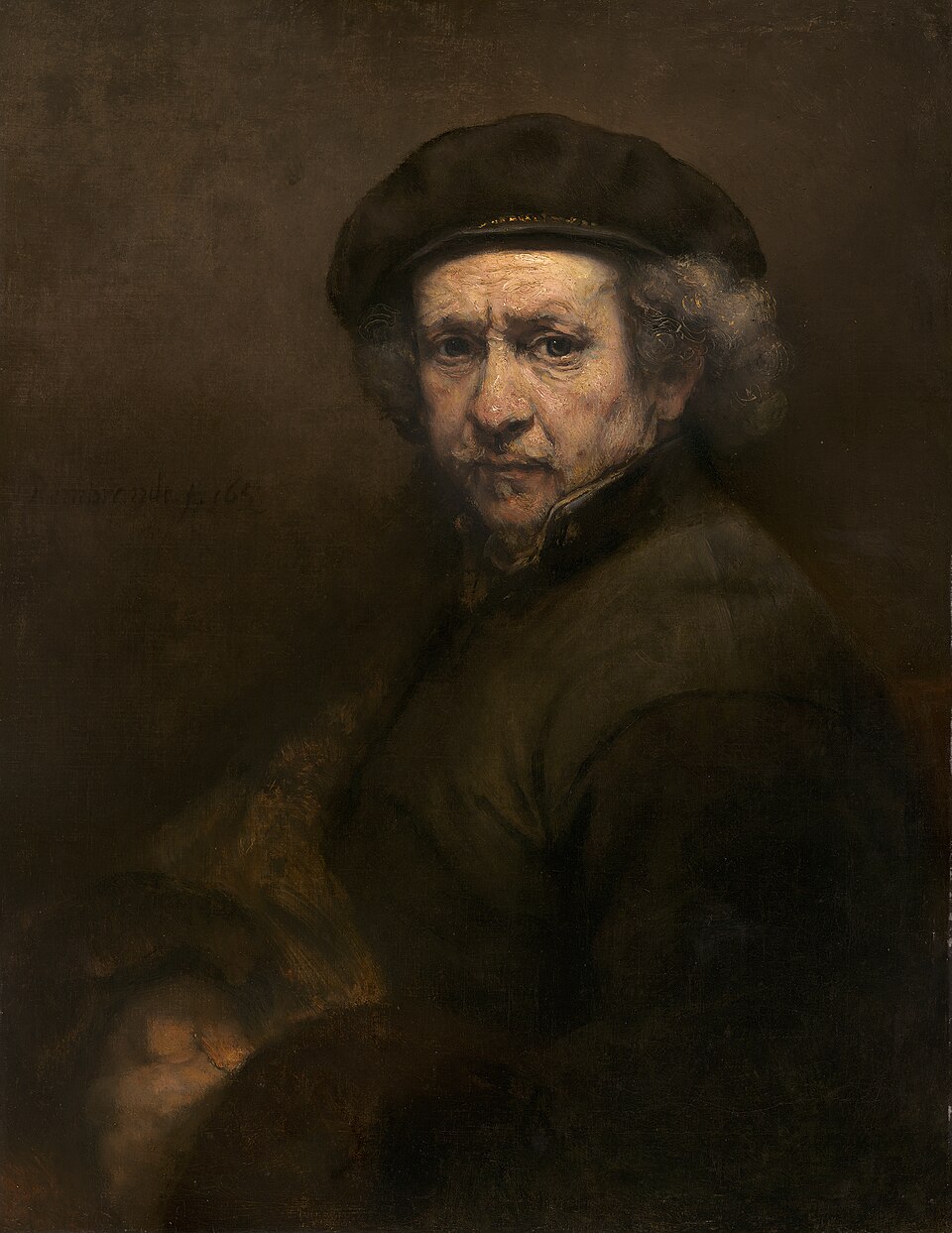
He was successful early. The surgeons' guild commissioned The Anatomy Lesson of Dr Nicolaes Tulp from him at twenty-six, he was paid 1,600 guilders for The Night Watch, and in January 1639 he bought a house on the Sint Anthonisbreestraat for thirteen thousand guilders. Then the portrait commissions stopped: across the nine years from 1643 to 1652 there is not one uncontested portrait painted by him on commission, though other work continued — the stadholder paid him some 2,300 guilders for two Passion pictures in 1646. In February 1654 a notary and two witnesses called on him on behalf of a Portuguese merchant over a picture. On 14 July 1656, the day before his fiftieth birthday, he applied to the High Court in The Hague for cessio bonorum, a voluntary surrender of his assets. The petition blames losses in business and losses at sea, but the record does not settle what that meant. Bredius in 1913 and Haak in 1969 both took it that he had speculated in shipping, and neither produced evidence; Bosman, reviewing 231 Amsterdam applications from 1654 to 1659, found in 2019 that his lawyer's text was copied word for word from a Portuguese merchant's application three months earlier, on which reading the wording is a legal formula rather than a diagnosis. Eleven days later the secretary of the Chamber of Abandoned and Insolvent Estates spent two days listing what was in the house, thirteen rooms across nineteen pages. His paintings, etching plates and drawings were auctioned in November 1657. The house was sold at foreclosure by February 1658 and the family moved to rented rooms on the Rozengracht. In December 1660 his partner Hendrickje Stoffels and his son Titus, then nineteen, set up an art-dealing company backdated to 1658; he was formally a third party to the agreement. In July 1662 The Conspiracy of Claudius Civilis was delivered to Amsterdam's new town hall, hung for a short period, and came back to him. He cut it down to roughly a quarter of its size.
What happened next
The money never came back. He carried on working from the Rozengracht, attached as a third party to the company his partner and his son had set up: the Syndics of the Drapers' Guild in 1662, further pictures for the Sicilian collector Antonio Ruffo, the late self-portraits, The Jewish Bride. Hendrickje was buried in the Westerkerk on 24 July 1663. Titus died on 4 September 1668, seven months after marrying. Rembrandt died on 4 October 1669 and was buried four days later in a rented grave in the same church. He was a famous painter for most of his adult life and remained one throughout the insolvency; what ended in 1656 was his solvency, and it did not return.
The point
The record is not of a genius ignored. He was given the surgeons' guild commission at twenty-six, was paid 1,600 guilders for The Night Watch, and taught pupils who became well-known painters themselves. The popular version — that The Night Watch was rejected by its sitters and finished him — is not what the record says: the picture that came back to him is The Conspiracy of Claudius Civilis, twenty years later, and the insolvency was fourteen years after The Night Watch. What the archives show instead is a nine-year run with no uncontested commissioned portrait in it, an application to the High Court filed the day before his fiftieth birthday to give up everything he owned, a two-day inventory of his rooms, three years of forced sales, and an arrangement from December 1660 under which the most celebrated painter in Amsterdam was formally a third party to a company run by his partner and his teenage son. He worked another nine years in that position, and was buried in a rented grave in the Westerkerk rather than the pauper's grave of the legend. Fame and solvency turned out to be separate things; he kept one and lost the other.
The sequence
5 documented failures, shown with the successes in between. Every entry carries its own source — the wins are part of the record, and leaving them out is how these stories get distorted.
- 1631
Left Leiden for Amsterdam, then the trading capital of the Dutch Republic.
- 1632
Commissioned by the surgeons' guild at twenty-six for The Anatomy Lesson of Dr Nicolaes Tulp, his first major Amsterdam commission.
- 1639
Bought the house on the Sint Anthonisbreestraat, now the Rembrandt House Museum, for thirteen thousand guilders.
- 1642
Paid 1,600 guilders for The Night Watch.
- 1642
Saskia van Uylenburgh, his wife, died.
- 1643-1652
Nine consecutive years from which no uncontested commissioned portrait by him survives.
- 1653
Commissioned by the Sicilian collector Don Antonio Ruffo, who left the subject to him.
- 1654
A notary and two witnesses called on him on 23 February on behalf of the merchant Diego d'Andrada, in a dispute over a commissioned portrait.
- 1654
Hendrickje Stoffels, his partner, was summoned before the council of the Reformed Church over their cohabitation.
- 1656
Applied to the High Court in The Hague on 14 July for cessio bonorum, a voluntary surrender of everything he owned. He turned fifty the next day.
- 1656
The grounds the petition gives — losses in business and losses at sea — may be a legal formula rather than a record of what went wrong. Whether Rembrandt had any shipping interests at all is unknown, and his lawyer's text was copied word for word from another man's application three months earlier.
- 1656
The Chamber of Abandoned and Insolvent Estates listed the contents of his house over two days, 25 and 26 July.
- 1656
The inventory, often read as a complete picture of his ruin, left out several categories of his property.
- 1657
His paintings, etching plates and drawings were sold at auction in November.
- 1658
The house was sold at a foreclosure auction and the family moved to rented lodgings on the Rozengracht.
- 1660
Hendrickje Stoffels and Titus, aged nineteen, set up an art-dealing company in December, backdated to 1658. He was formally a third party to it.
- 1662
Painted the Syndics of the Drapers' Guild on commission from the guild for its guildhall.
Sources
- Rembrandt (Wikipedia)
In July 1656, he declared his insolvency, taking stock and willingly surrendered his assets.
- RM24011 — Rembrandt's insolvency — Rembrandt's Money (research project on the archival record)
Over a two-day period, on 25 and 26 July 1656, Frans Bruijningh, the secretary of the Chamber of Abandoned and Insolvent Estates, drew up an inventory of the paintings together with the furniture and household goods belonging to Rembrandt van Rijn’s estate
- RM24011 — Rembrandt's insolvency — Rembrandt's Money
This is all mere speculation, however, as we do not know this for certain.
- RM24011 — Rembrandt's insolvency — Rembrandt's Money
However, both Bredius and Haak do not provide any evidence.
- RM24020 — A headstrong artist — Rembrandt's Money (quoting Bikker, 2019, p. 134)
For the entire nine years between 1643 and 1652, there is not a single uncontested portrait by Rembrandt that was painted on commission
- RM 24022 — The last years of Rembrandt's professional life — Rembrandt's Money
Also in December 1660, with retroactive effect to 1658, Rembrandt’s life companion Hendrickje Stoffels and Rembrandt’s son Titus, aged 19 at the time, established and commenced an art dealing business (a ‘compagnie’).
- The Conspiracy of Claudius Civilis (Wikipedia)
After delivery, which was by July 1662, the painting hung in place for a short period before being returned to him for reasons that are undocumented, but may have involved perceptions of a lack of the decorum felt necessary for history painting, lack of finish and an insufficiently heroic approach to the story.
- The Night Watch (Wikipedia)
Rembrandt was paid 1,600 guilders for the painting (each person paid one hundred), a large sum at the time.
- Rembrandt van Rijn (Rijksmuseum)
Rembrandt regularly received prestigious commissions.
- Rembrandt's masterpiece Claudius Civilis temporarily on view at the Rijksmuseum (CODART)
What we know is that in July 1662 the painting hung in the lunette in the south-east corner of the great hall of the Amsterdam Town Hall. A month later, a discussion took place between Rembrandt and his patrons, after which Rembrandt retrieved the painting to make changes to it.
Use the ← and → keys to move between entries.
Related failures
Others in visual art, and nearby.
Claude Monet
Painter
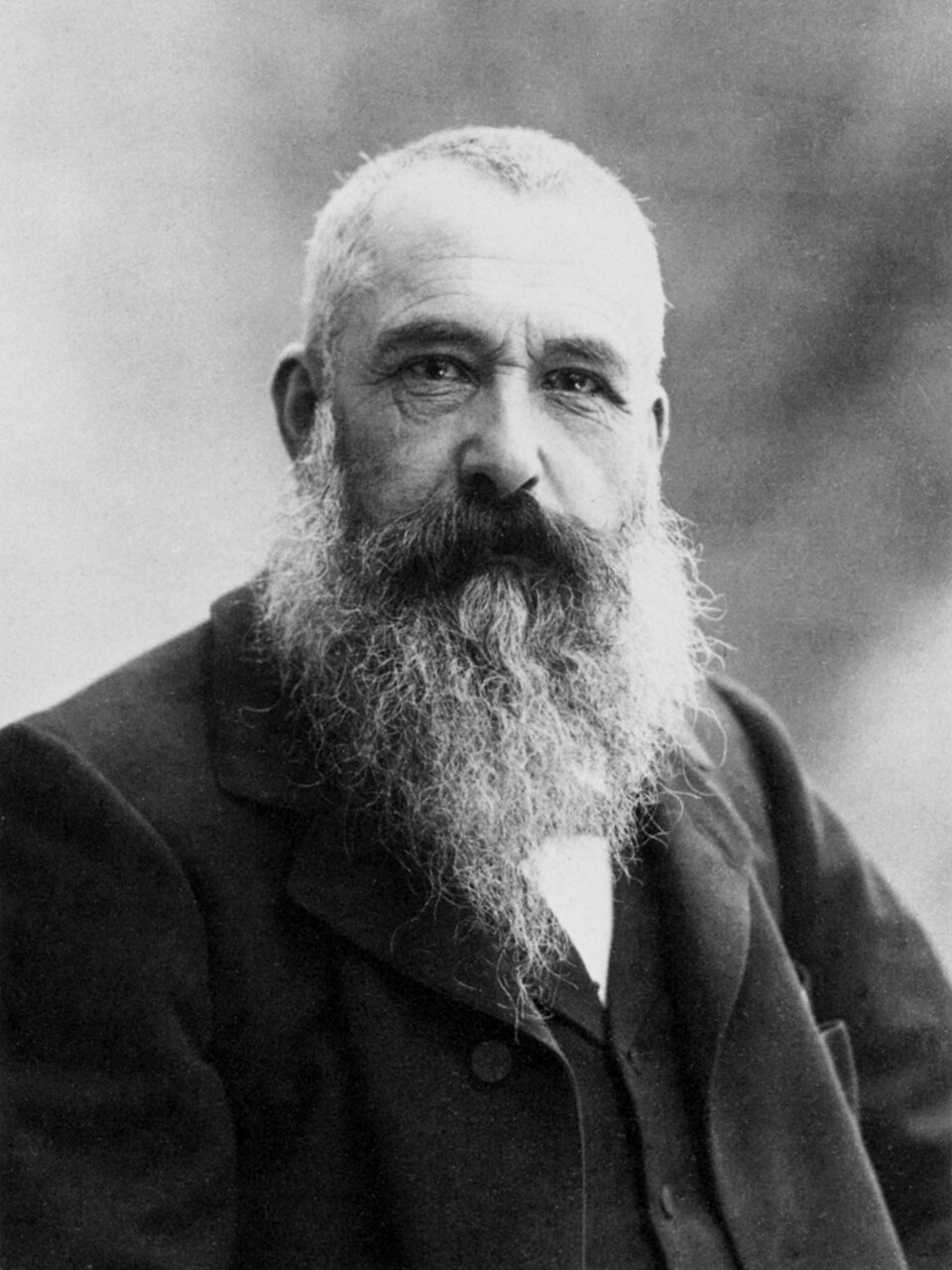
Rejected by the Salon in three years out of four, evicted for unpaid rent, and his paintings seized by creditors.
7 documented failures

Yayoi Kusama
Artist
Turned up uninvited at the Venice Biennale in 1966 and had her sale stopped by the organisers. Represented Japan there twenty-seven years later.
7 documented failures
Grandma Moses
Painter
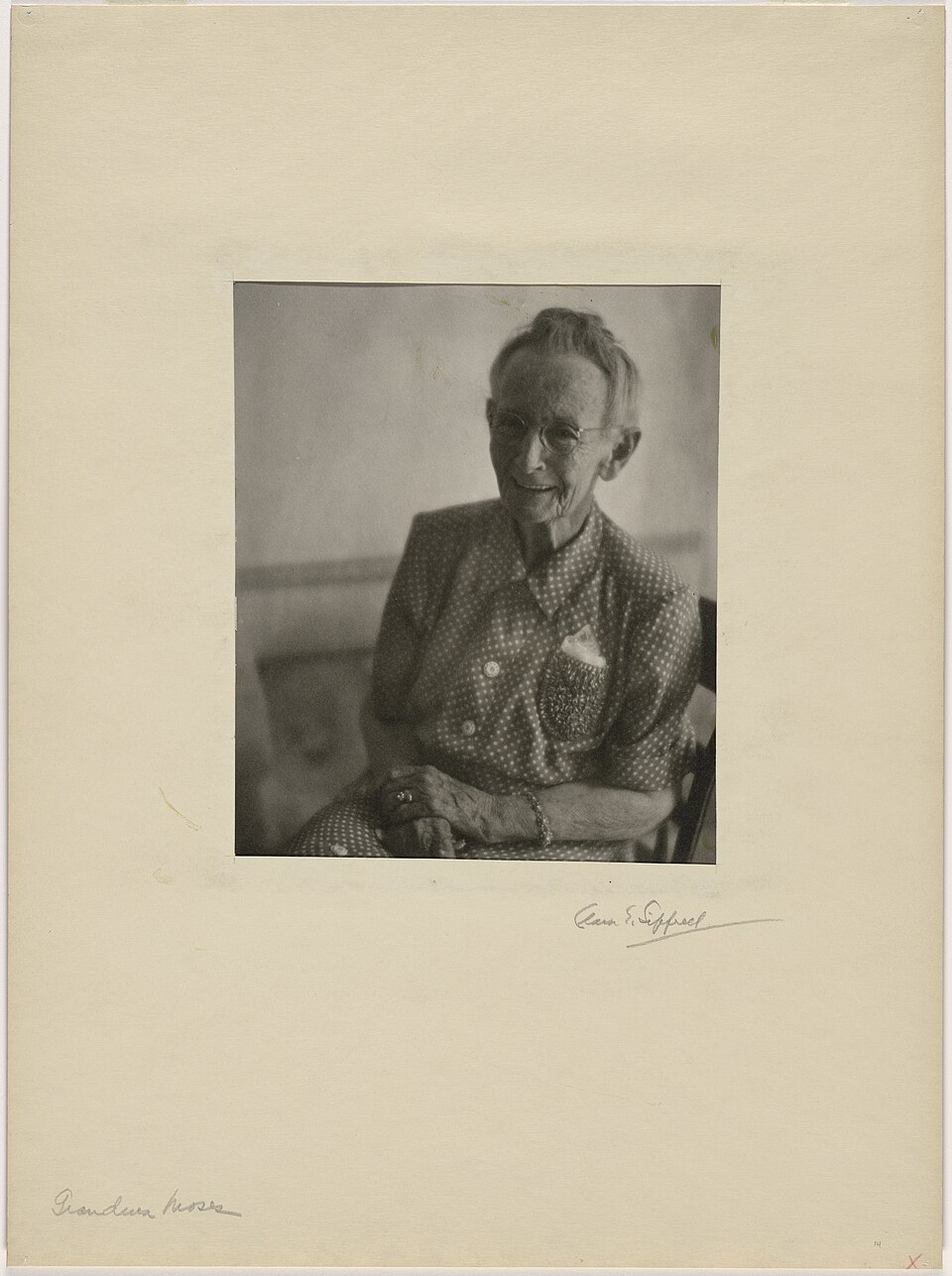
Her paintings sat unsold in a chemist's window for years. She was seventy-eight.
6 documented failures
Charles M. Schulz
Cartooning
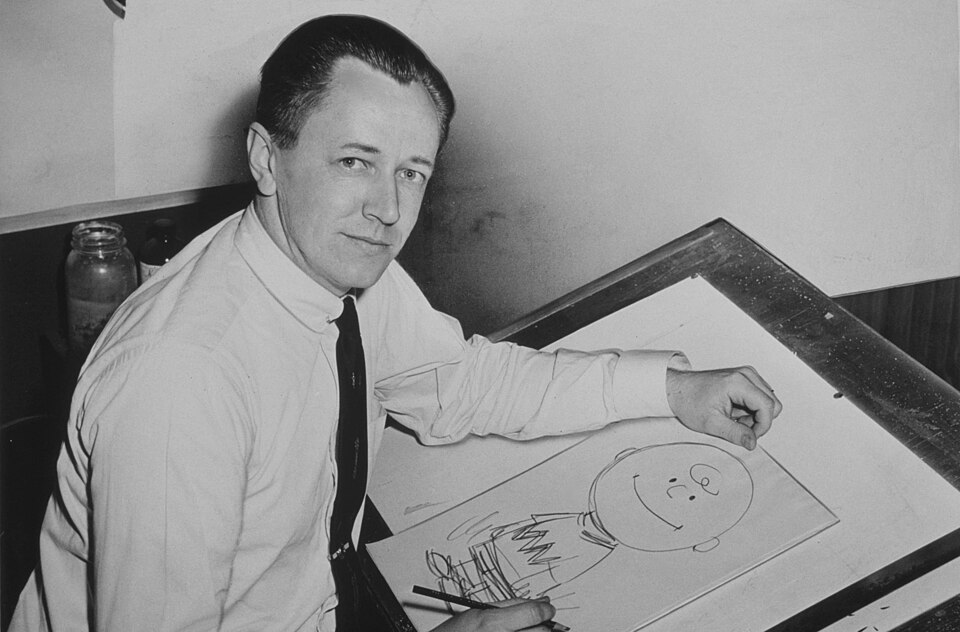
His own school yearbook would not print his drawings. He called it his first major rejection.
6 documented failures