Frida Kahlo
What failed
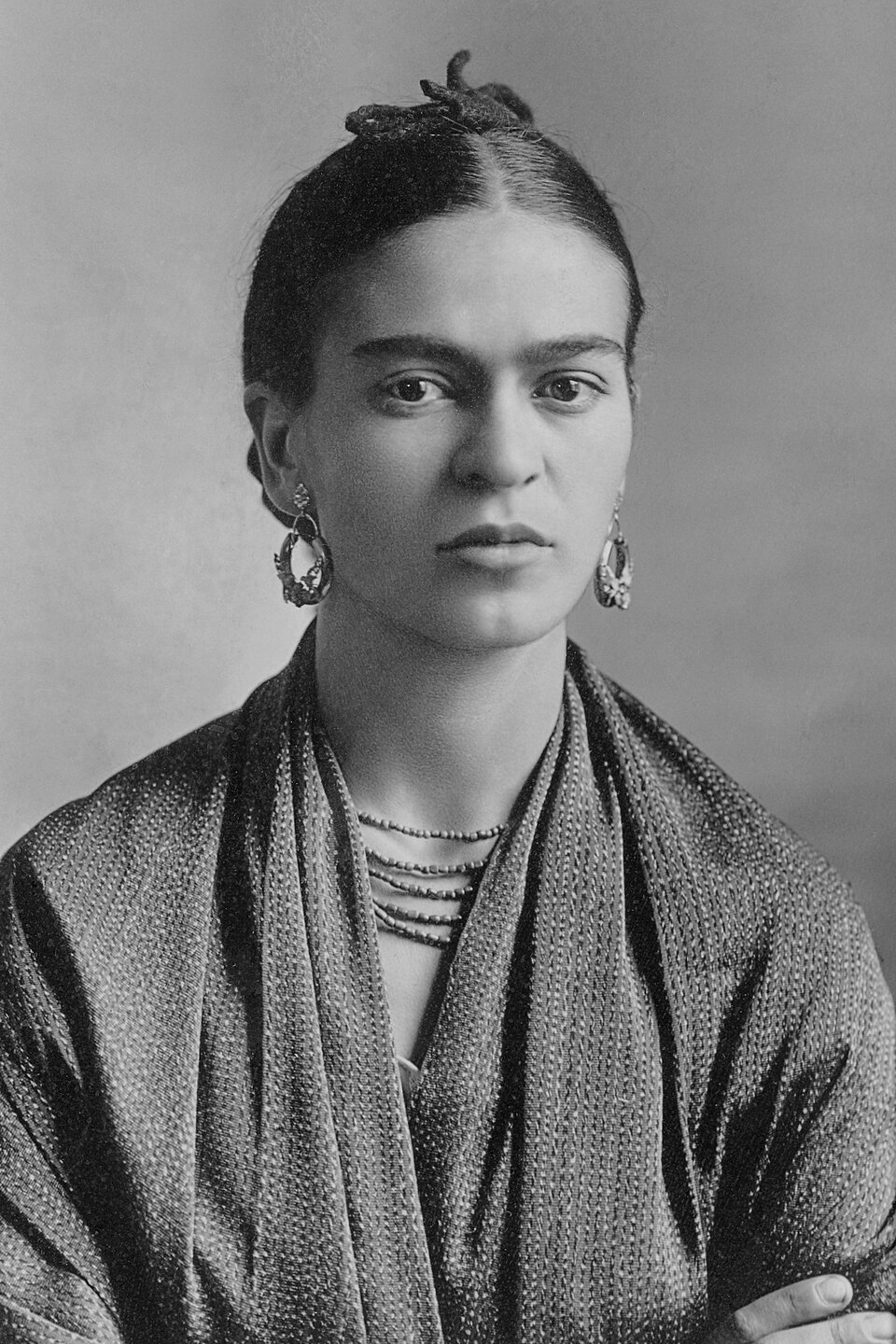
She was reading natural sciences at the National Preparatory School in Mexico City, intending to become a physician, when a streetcar hit her bus on 17 September 1925 and an iron handrail went through her pelvis. It displaced three vertebrae, put her in hospital for a month and confined her to bed in a plaster corset for the better part of three months, and it ended the medical career. She began painting in oils during the recovery. For most of the next two decades the painting did not pay: she would not adapt her style to what buyers wanted, she left one Mexican government commission unfinished, and the commissioning body rejected the next one. Her first solo exhibition was at the Julien Levy Gallery in New York in 1938, arranged by André Breton, and she sold half of the twenty-five paintings in it. The Paris show that followed in 1939 opened only after she arrived to find that Breton had booked no gallery and had not got her paintings out of customs. Her first solo exhibition in Mexico came in April 1953, staged by Lola Álvarez Bravo because Álvarez Bravo understood she did not have long to live; her doctors had prescribed bed rest, so she had her own four-poster bed moved from her house to the gallery and arrived in an ambulance. Her right leg was amputated at the knee in August 1953 and she died on 13 July 1954, aged forty-seven, known largely as Diego Rivera's wife.
What happened next
The work stayed relatively unknown for more than twenty years after her death. She gained recognition only in the late 1970s, when feminist scholars began reopening the canon and the Chicano movement took her up as one of its icons. The first two books about her were published in Mexico in 1976 and 1977, and in 1977 The Tree of Hope Stands Firm became the first Kahlo painting sold at auction, at $19,000. The first two retrospectives followed in 1978, at the Palacio de Bellas Artes in Mexico City and the Museum of Contemporary Art in Chicago; a joint retrospective with Tina Modotti opened at the Whitechapel Gallery in London in May 1982, and Hayden Herrera's biography appeared in 1983. By 1984 Mexico had declared her works part of the national cultural heritage and banned their export. In November 2025 her 1940 self-portrait El sueño (La cama) sold at Sotheby's in New York for $54.7 million, the most expensive work by a woman artist at auction, seventy-one years after she died.
The point
The record holds two things the myth keeps only one of. She did sell paintings while she was alive, and the first of them went nine years before the New York show: Dos Mujeres was bought directly from her in 1929. Edward G. Robinson took four in the summer of 1938, half the twenty-five in her first solo exhibition sold that year, and a state prize of 5,000 pesos followed in 1946. She also could not make a living from the work until she was close to forty, was refused by the body that commissioned her, and was known in her own lifetime mainly as the wife of a more famous painter and as an eccentric personality among the international cultural elite. The recognition that made her name arrived between twenty-three and thirty years after her death, through auction rooms, feminist art history and the Chicano movement, none of which she arranged.
The sequence
9 documented failures, shown with the successes in between. Every entry carries its own source — the wins are part of the record, and leaving them out is how these stories get distorted.
- 1913
Contracted polio at six; her right leg grew shorter and thinner than the left.
- 1922
Accepted to the elite National Preparatory School in Mexico City, studying natural sciences to become a physician.
- 1925
Working as a paid engraving apprentice, she was not thinking about art as a career at all.
- 1925
On 17 September a streetcar hit the bus she was riding home from school. An iron handrail went through her pelvis.
- 1925
A month in hospital, three displaced vertebrae, and three months of bed rest in a plaster corset. The medical career was over.
- 1925
Started painting in oils during the recovery.
- 1929
Sold her first painting, Dos Mujeres, straight out of the studio to an American buyer. She was twenty-two.
- 1934
Back in Mexico City she made no new paintings at all, and only two the following year.
- 1938
First significant sale: Edward G. Robinson bought four paintings at $200 each.
- 1938
Her first solo exhibition, arranged by André Breton at the Julien Levy Gallery in New York.
- 1938
In the middle of the Depression, half the paintings in it sold.
- 1939
Arrived in Paris for the show Breton had promised, to find he had booked no gallery and her paintings were still stuck in customs.
- 1939
The Paris exhibition Mexique went ahead at Renou et Colle, which produced a catalogue Levy had not.
- 1939
The French state bought The Frame out of the less successful Paris show. The sources disagree about who acquired it: Wikipedia and Britannica give the standard account that the Louvre bought it, while the Centre Pompidou, which holds the work, records a state purchase in 1939 under the inventory number JP 929 P — the JP prefix being the Musée du Jeu de Paume, then the museum of foreign schools.
- 1939
Granted a divorce from Diego Rivera in November.
- 1940s
Two Mexican government commissions came to nothing: she left the first unfinished and the second was rejected.
- 1943
Took a teaching post at the art school La Esmeralda in Mexico City.
- 1945
Travelled to New York in June for a spinal fusion with a bone graft and steel support; the operation failed.
- 1946
Won a 5,000-peso national prize for Moses; the Museo de Arte Moderno bought The Two Fridas the next year.
- 1953
First solo exhibition in Mexico, staged in April by Lola Álvarez Bravo, who knew Kahlo had little time left. Ordered to stay in bed, she had her own four-poster bed carried from her house to the gallery and arrived in an ambulance.
- 1953
Her right leg was amputated at the knee in August.
- 1954
Died on 13 July, aged forty-seven.
- 1977
Twenty-three years after her death, the first Kahlo painting reached auction, fetching $19,000 at Sotheby's.
- 1978
The first two retrospectives of her work opened, in Mexico City and Chicago.
- 1984
Thirty years after her death, Mexico declared her works part of the national cultural heritage and banned their export.
- 2025
Her 1940 self-portrait El sueño (La cama) sold for $54.7m at Sotheby's, the highest auction price for any work by a woman.
Sources
- Frida Kahlo - Wikipedia (could not make a living from her art)
Kahlo struggled to make a living from her art until the mid to late 1940s, as she refused to adapt her style to suit her clients' wishes.
- Frida Kahlo - Wikipedia (reputation developed late and grew posthumously)
Kahlo's reputation as an artist developed late in her life and grew even further posthumously, as during her lifetime she was primarily known as the wife of Diego Rivera and as an eccentric personality among the international cultural elite.
- Frida Kahlo - Wikipedia (the late-1970s rediscovery)
She gradually gained more recognition in the late 1970s when feminist scholars began to question the exclusion of female and non-Western artists from the art historical canon and the Chicano Movement lifted her as one of their icons.
- Frida Kahlo - Wikipedia (the 1982 Whitechapel retrospective and the 1983 Herrera biography)
The first was a joint retrospective of her paintings and Tina Modotti's photographs at the Whitechapel Gallery in London, which was curated and organized by Peter Wollen and Laura Mulvey. It opened in May 1982, and later traveled to Sweden, Germany, the United States, and Mexico. The second was the publication of art historian Hayden Herrera's international bestseller Frida: A Biography of Frida Kahlo in 1983.
- Frida Kahlo - Artist Profile, National Museum of Women in the Arts
Her reputation soared posthumously, beginning in the 1980s with the publication of numerous books about her work by feminist art historians and others.
- MFA Boston acquires Dos Mujeres (Salvadora y Herminia) - the first painting Kahlo ever sold
Held privately in the United States since 1929—when it was purchased directly from the artist—the portrait was the first painting ever sold by Kahlo.
- "The Frame" ("Le cadre") - Centre Pompidou collection record
Frida Kahlo sustained a terrible accident at the age of 18, which caused her both physical and psychological suffering for the rest of her life.
- Unlocking Frida Kahlo's wardrobe - Victoria and Albert Museum
A series of medical corsets, supportive back-braces and a prosthetic leg illuminate the story of her near-fatal bus crash at the age of 18, an event which caused her lasting pain, immobility and left her unable to have children.
- The Friendship That Transformed Frida Kahlo - Hyperallergic
However, Breton had not secured a gallery for the show, nor had Kahlo's paintings' customs been sorted.
- An excerpt from Frida Kahlo's Month in Paris - Yale University Press
Kahlo's paintings made their way out of customs, and Renou et Colle not only mounted the exhibition but also produced a catalogue with an illustration of Kahlo's work, something [Julien] Levy had not done.
- Frida Kahlo painting sells for $54.7m, breaking record for female artists - Al Jazeera
A haunting 1940 self-portrait by famed Mexican artist Frida Kahlo has sold for $54.7m, making it the most expensive work by a female artist to sell at auction.
Use the ← and → keys to move between entries.
Related failures
Others in visual art, and nearby.
Claude Monet
Painter
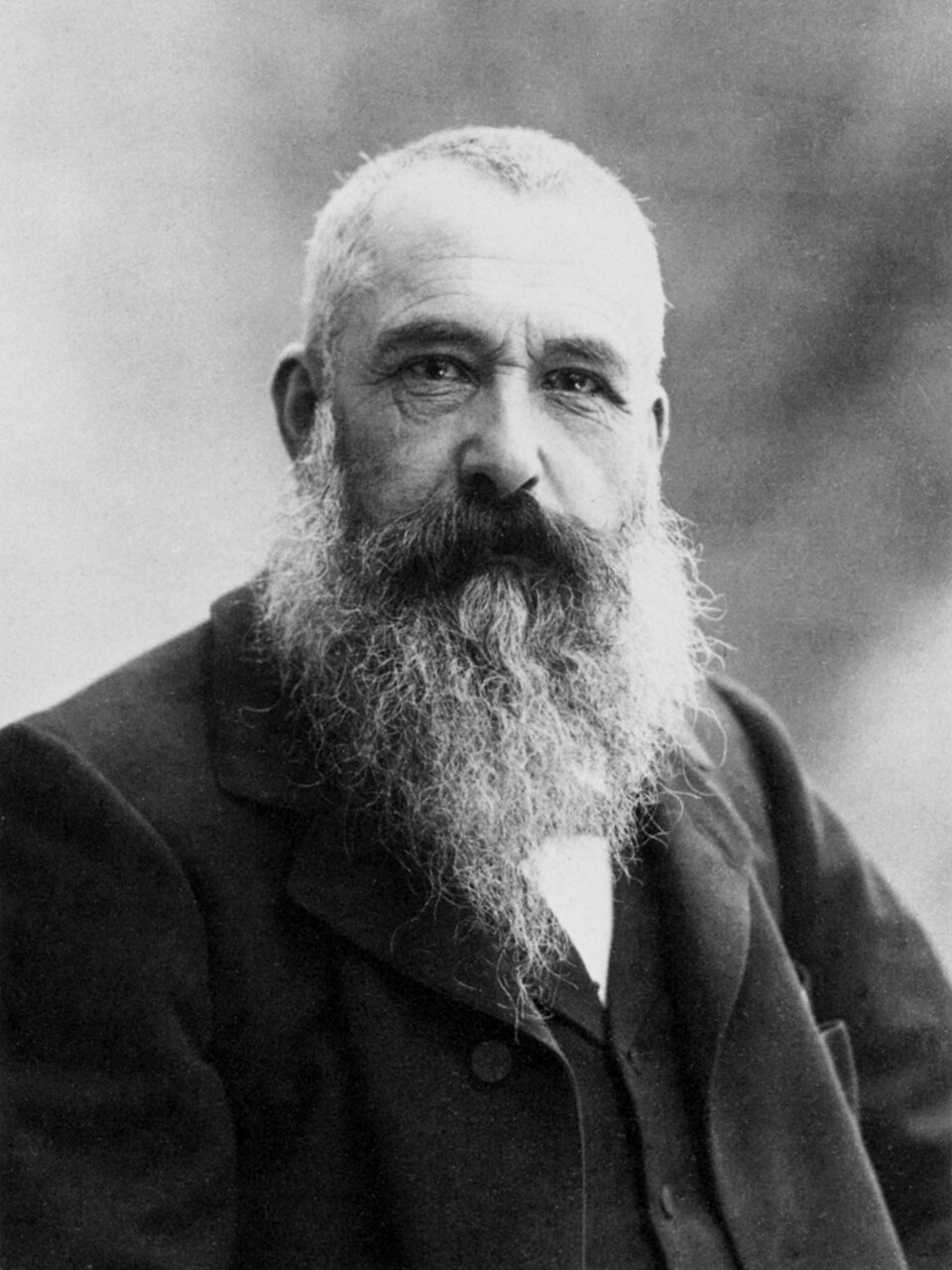
Rejected by the Salon in three years out of four, evicted for unpaid rent, and his paintings seized by creditors.
7 documented failures

Yayoi Kusama
Artist
Turned up uninvited at the Venice Biennale in 1966 and had her sale stopped by the organisers. Represented Japan there twenty-seven years later.
7 documented failures
Grandma Moses
Painter
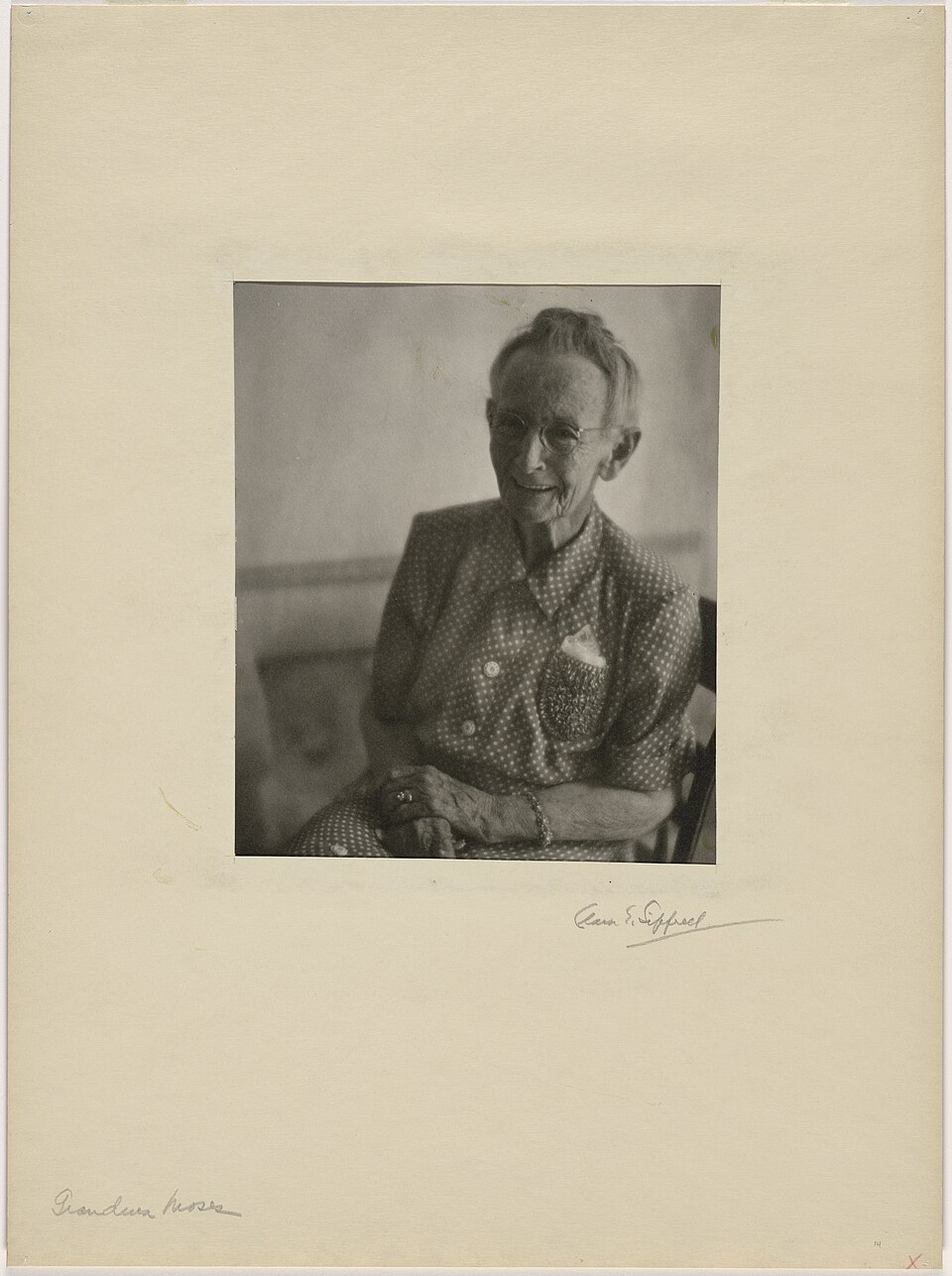
Her paintings sat unsold in a chemist's window for years. She was seventy-eight.
6 documented failures
Charles M. Schulz
Cartooning
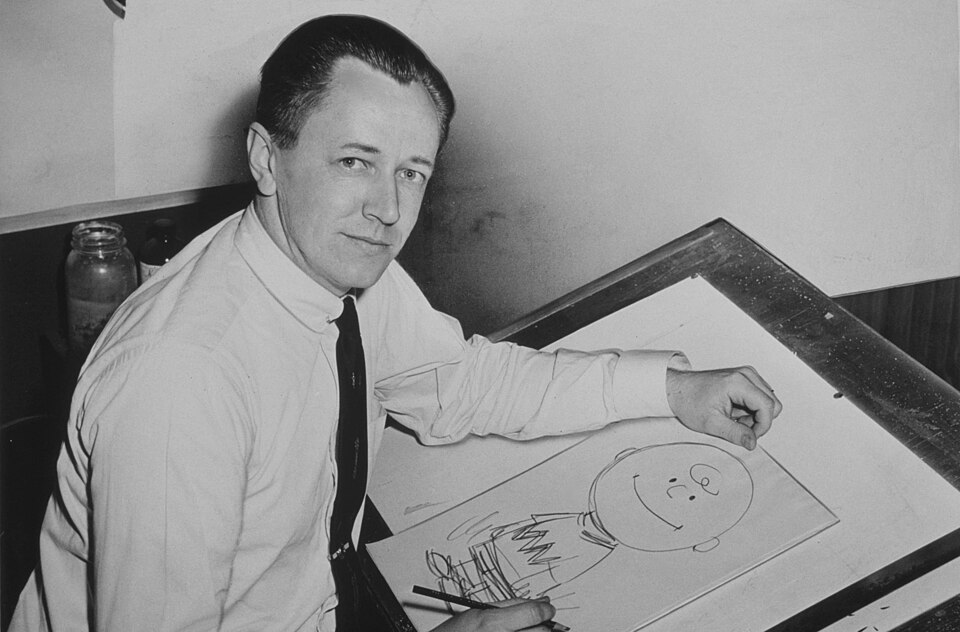
His own school yearbook would not print his drawings. He called it his first major rejection.
6 documented failures