Bill Withers
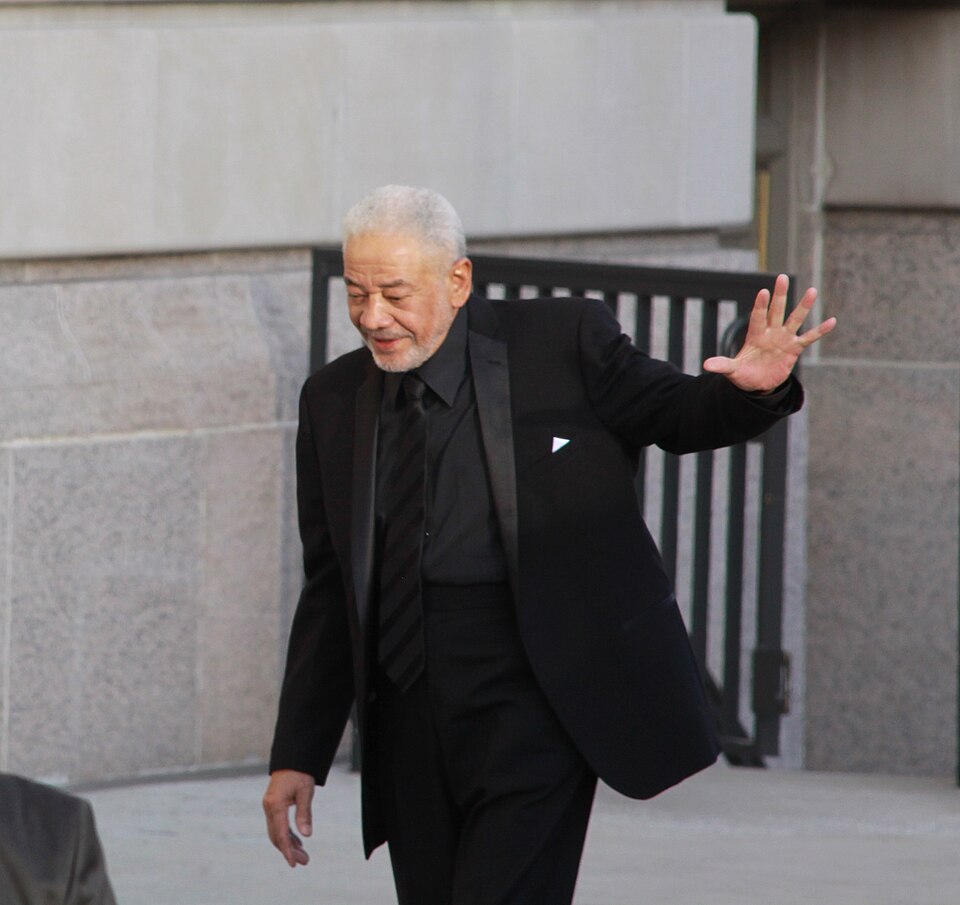
What failed
He came to music late: he left the Navy in 1965 after nine years, moved to Los Angeles in 1967, the year he turned twenty-nine, to start a music career, and released a first single, "Three Nights and a Morning", that went unnoticed. He was writing songs while working a factory floor, and refused to resign the job when "Ain't No Sunshine" became a hit in 1971, on the grounds that the music business was a fickle industry; Weber Aircraft laid him off anyway. Running battles with label executives over control of his sound then ended his recording career in 1985. He never released another album.
What happened next
His first album gave him a standard and a Grammy. Its cover shows him at the factory holding his lunch box. In one day in 1971 he received two letters: his old employer offering his mechanic's job back at three dollars fifty an hour, and a television show asking him to come and sing. He later chose to stop making records rather than make ones he did not want to make.
The point
He started late, hedged his bets, and later chose silence over compromise. Both the starting and the stopping were his own decisions, which is the whole point.
The sequence
1 documented failure, shown with the successes in between. Every entry carries its own source — the wins are part of the record, and leaving them out is how these stories get distorted.
- 1965
Leaves the Navy after nine years, having enlisted at seventeen.
- 1967
Moves to Los Angeles to try music.
- 1970
Writing songs at thirty-one while working a factory floor making aircraft lavatories.
- 1970
His demo tape is picked up by a label owner.
- 1971
His debut album cover shows him at the aircraft factory holding his lunch box.
- 1971
Receives two letters on the same day: his old job back at three dollars fifty an hour, and an invitation to sing on national television.
- 1972
Wins a Grammy for Best R&B Song.
- 1985
Releases his last album and effectively leaves the industry over control of his sound.
- 2015
Inducted into the Rock and Roll Hall of Fame.
Sources
- Bill Withers (Wikipedia)
It offered him his mechanic's job, which paid $3.50 an hour. The second letter was from Johnny Carson's The Tonight Show, inviting Withers to sing "Ain't No Sunshine" on NBC.
- Ain't No Sunshine (Wikipedia)
Withers, then 31, was working at a factory making lavatories for Boeing 747s at the time he wrote the song.
- Bill Withers (Wikipedia)
When he hit with the song "Ain't No Sunshine" in 1971, he refused to resign from his job because he believed the music business was a fickle industry.
- Bill Withers (Wikipedia)
His debut release was "Three Nights and a Morning" in 1967. Arranged by Mort Garson, the song went unnoticed at the time but was later reworked by Withers as the track "Harlem."
Use the ← and → keys to move between entries.
Related failures
Others in music, and nearby.

Sixto Rodriguez
Singer-songwriter
Dropped by his label, working demolition — and a star in countries he had never visited.
2 documented failures
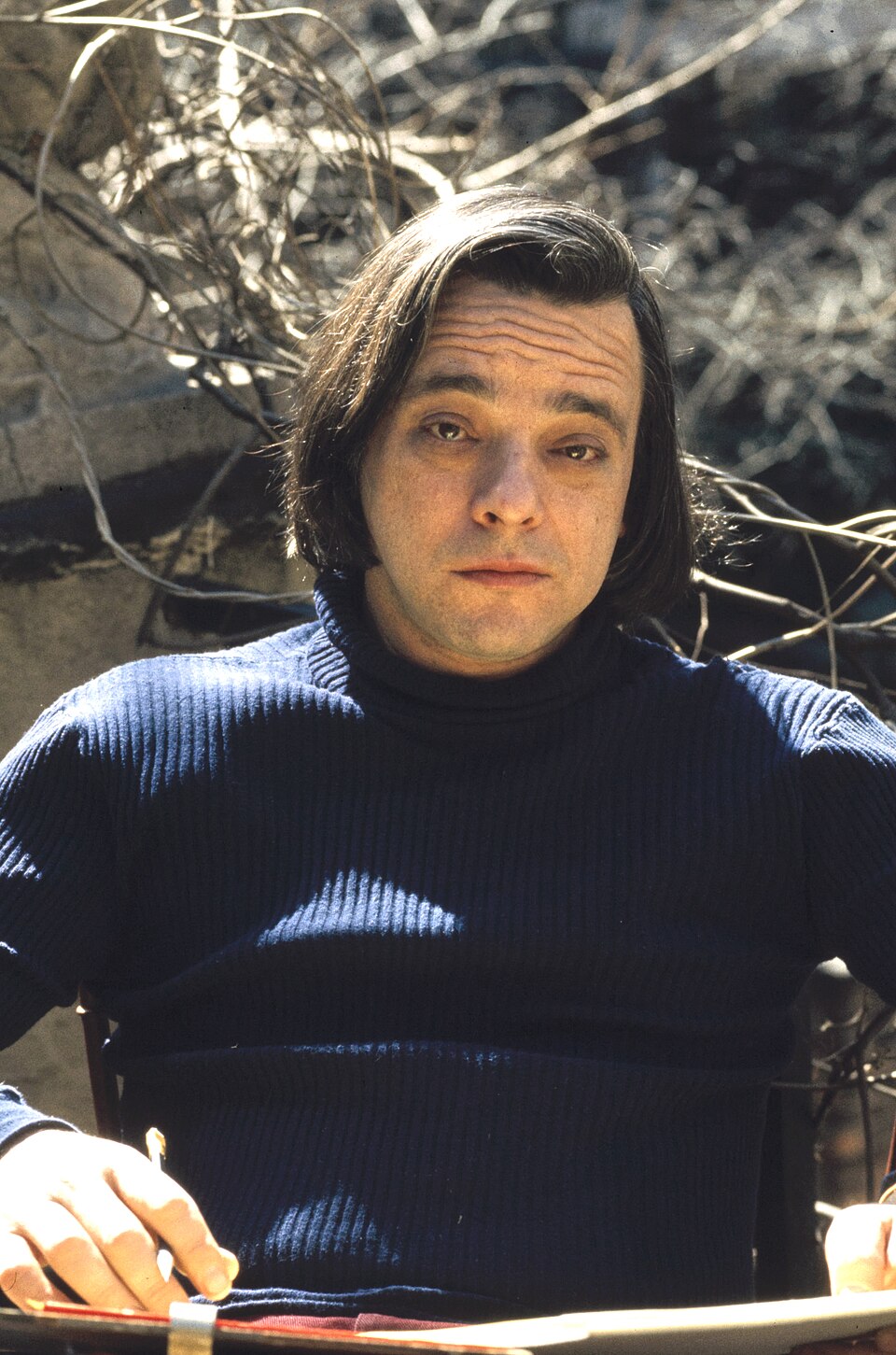
Stephen Sondheim
Composer-lyricist
Closed after sixteen performances in 1981. In 2024 it won the Tony for Best Revival.
3 documented failures

Leonard Cohen
Songwriter and poet
His own label refused to release the album with Hallelujah on it.
3 documented failures
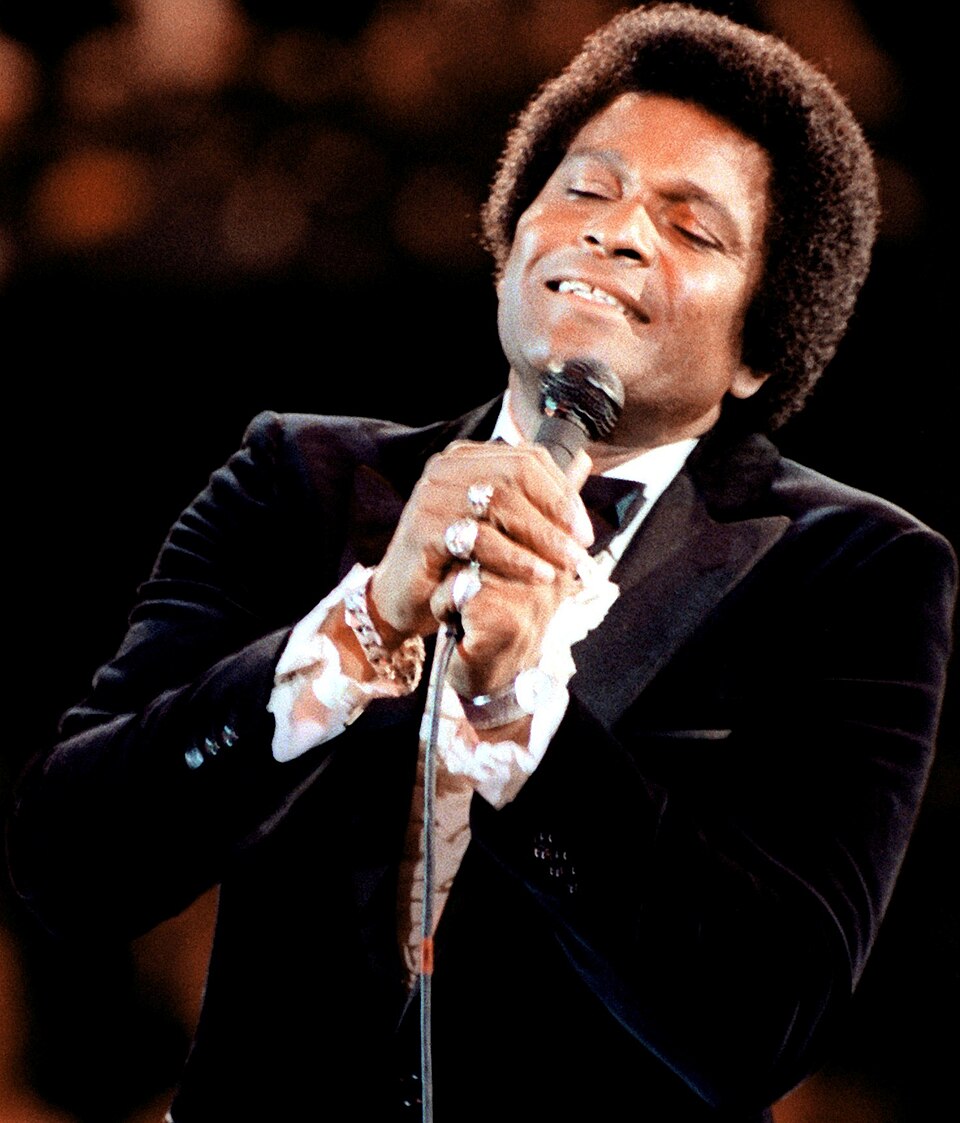
Charley Pride
Country singer
He failed at his first career in front of scouts, then signed a record deal at thirty-one.
2 documented failures