Auguste Rodin
What failed
He applied to the École des Beaux-Arts three times between 1857 and 1859 and was refused every time. He had trained at the Petite École, the government school for craft and design, and after leaving it in 1857 he earned his living as a craftsman and ornamenter for most of the next two decades, working in the workshops of other artists by day and on his own sculpture at night. In 1871 he went to Belgium with Carrier-Belleuse to work on the ornamentation of the Bourse Palace in Brussels, and spent the next six years outside France. The Salon rejected the first sculpture he offered for exhibition, the Mask of the Man with the Broken Nose, twice, in 1864 and 1865. When he finally showed a life-size figure, The Age of Bronze, in Paris in 1877, he was accused of having moulded it from a living body and had to prove he had not. The Monument to Balzac, commissioned in 1891 and delivered in 1898 — the Musée Rodin's own two pages on the work put the labour at eight years and at six — was refused by the Société des Gens de Lettres that had commissioned it, and the commission was cancelled.
What happened next
The Salon accepted a marble version of the Man with the Broken Nose in 1875, eleven years after refusing the plaster; the marble was carved by one of his assistants. The lifecasting accusation did not stick: the French state bought The Age of Bronze in 1880 and commissioned The Gates of Hell for a planned museum of decorative arts that, by the end of the decade, was clearly never going to be built. In 1900 he organised his own retrospective alongside the Paris Universal Exposition rather than showing inside it, in a pavilion of his own that held 168 bronzes, marbles and plasters. In 1906 The Thinker, paid for by public subscription, was placed in front of the Panthéon. In 1916 he bequeathed everything he owned to the French state, which bought the Hôtel Biron and agreed to make it the Musée Rodin. He died on 17 November 1917, with the Balzac still in plaster. A bronze was finally erected in public and inaugurated on the central reservation of the boulevard Raspail on 1 July 1939, forty-one years after the Société refused the plaster; he never saw it in bronze.
The point
The refusals did not stop him working. They decided what work he could get, which was ornament on other men's buildings, unsigned, for most of two decades. His own description of those years is the useful part: he said he did not know he had any talent, that he knew he had skill but never thought he was anything more than a workman, that he did not sign his work and was not known. The motivational reading — that the examiners were blind to genius — does not survive contact with the sources: Wikipedia notes that entrance requirements at the Grande École were not particularly high, and the usual explanation of the rejections is that the judges' neoclassical taste did not match the eighteenth-century sculpture he had been schooled in at the Petite École. The pattern held after he was famous: the Calais monument went up in 1895 on a large pedestal he had not wanted, the Gates of Hell had no building left to hang in, and the Balzac was refused by the people who paid for it and stayed at Meudon — studio, then pavilion, then garden — for the rest of his life.
The sequence
7 documented failures, shown with the successes in between. Every entry carries its own source — the wins are part of the record, and leaving them out is how these stories get distorted.
- 1840
Born on 12 November into a modest family, the second child of Jean-Baptiste Rodin and Marie Cheffer.
- 1857
At seventeen he is awarded two prizes for drawing and modelling.
- 1857
Leaves the Petite École and earns his living as a craftsman and ornamenter — decorative objects, architectural embellishments — for most of the next two decades.
- 1857–1859
Submits a clay model to the École des Beaux-Arts and is refused; two further applications are also refused.
- 1858
Begins working commercially in the decorative arts to help support his family.
- 1862
His sister dies unexpectedly and he briefly joins a Catholic order, leaving sculpture.
- 1864–1865
The Paris Salon rejects the Mask of the Man with the Broken Nose, his intended debut, twice. It is one work turned away twice, not two works.
- 1871
Joins Carrier-Belleuse in Belgium to work on the ornamentation of the Bourse Palace in Brussels; he means to stay a few months and stays out of France six years.
- 1875
The Salon accepts a marble version of the Man with the Broken Nose, eleven years after refusing the plaster. The marble was carved by one of his assistants.
- 1877
The Age of Bronze is shown in Paris and he is accused of having taken a life cast of his model; he has to prove the modelling was his own.
- 1877
The same figure is the turning point of his career: it brings him his first real fame at thirty-six.
- 1880
The French state buys the figure it had been told was a fake, and commissions The Gates of Hell for a planned museum of decorative arts.
- 1880
The scandal itself is what draws the attention that wins him the commission.
- 1880s
By the end of the decade the museum of decorative arts that The Gates of Hell was designed as a door for is not going to be built; he works on the piece for the rest of his life without finishing it. The source dates this only to the end of the 1880s.
- 1884
Calais invites several sculptors, Rodin among them, to propose a monument to the burghers of the town.
- 1891
The Société des Gens de Lettres commissions him to make the monument to Balzac.
- 1894
With the Balzac years overdue, the Société threatens legal action, proposing to hand the job to Alexandre Falguière and take back his payment.
- 1895
The Burghers of Calais is installed on a large pedestal in front of a public park, against his stated wish that people be able to walk into the figures.
- 1898
He shows the finished Balzac at the Salon; the Société that commissioned it refuses it and the commission is cancelled.
- 1900
He organises his own retrospective alongside the Universal Exposition, rather than being given a place inside it.
- 1900
The pavilion holds 168 bronzes, marbles and plasters.
- 1906
The Thinker, given to the state by public subscription, is placed in front of the Panthéon in Paris.
- 1916
He gives all his works and possessions to the French state, which buys the Hôtel Biron and undertakes to turn it into the Musée Rodin.
Sources
- The Life of Rodin: Childhood 1840-1858 — Iris & B. Gerald Cantor Foundation
Although at the age of seventeen he was awarded two prizes for drawing and modeling, Rodin was unable to gain admittance to the prestigious and conservative École des Beaux-Arts, which rejected him three times.
- Auguste Rodin (Wikipedia) — on the twenty years of ornament
He left the Petite École in 1857 and earned a living as a craftsman and ornamenter for most of the next two decades, producing decorative objects and architectural embellishments.
- The Life of Rodin: Early Struggles 1858-1870 — Iris & B. Gerald Cantor Foundation (on the working day)
For several years Rodin worked in the workshops of other artists during day and tried to fulfill his personal artistic ambitions by night.
- Rodin's Working-Class Roots — Oklahoma City Museum of Art (Rodin on his years as a craftsman)
I did not know that I had any talent. I knew I had skill, but never thought I was anything more than a workman. I did not sign my work and I was not known.
- Auguste Rodin (Wikipedia) — on the six years outside France
Carrier-Belleuse soon asked him to join him in Belgium, where they worked on ornamentation for the Bourse Palace in Brussels in 1871. Rodin planned to stay in Belgium a few months, but he spent the next six years outside of France.
- The Life of Rodin: Early Struggles 1858-1870 — Iris & B. Gerald Cantor Foundation
Much to his disappointment, the Salon jury — all traditionalist seeking idealized portraits — rejected the work twice, in 1864 and 1865.
- The Age of Bronze — Musée Rodin
Accused of having used a life cast of his sitter, when the statue was shown in Paris, Rodin had to prove that the quality of his sculpture’s modelling came from a thorough study of profiles, not from a life cast.
- Monument to Balzac (plaster, Meudon) — Musée Rodin
His final choice, showing Balzac in his dressing gown, displeased the Société des Gens de Lettres which rejected it.
- Monument to Balzac (bronze) — Musée Rodin
This overly innovative monument caused such an outrage when it was unveiled in 1898 that the commission was cancelled.
- Monument to Balzac (plaster, Meudon) — Musée Rodin (where the refused plaster went)
After its poor reception at the Salon, the plaster was transported to Meudon where it was initially placed in the villa’s studio before being moved to the Pavillon de l’Alma. In 1908, it was taken outside to be photographed in the garden, where it remained for several years.
- Chronology of Auguste Rodin — Musée Rodin
In 1900, Rodin organized a retrospective exhibition alongside the Universal Exposition.
- The Life of Rodin: The Pinnacle of Success 1900-1917 — Iris & B. Gerald Cantor Foundation
European nobility paid him tribute and an entire pavilion was devoted to his work at the Paris World Exposition. One hundred sixty-eight bronze, marble, and plaster works were displayed here.
- The Musée Rodin, the artist's heir — Musée Rodin
In 1916, a year before his death, Auguste Rodin (1840-1917) bequeathed all his works and possessions to the French state which, in exchange, purchased the Hôtel Biron and committed to turning it into a museum dedicated to the artist.
- Monument to Balzac (bronze) — Musée Rodin (he never saw it cast)
Rodin never saw his monument cast in bronze.
- Auguste Rodin (Wikipedia) — against the blind-examiners reading
Entrance requirements were not particularly high at the Grande École, so the rejections were considerable setbacks. Rodin's inability to gain entrance may have been due to the judges' Neoclassical tastes, while Rodin had been schooled in light, 18th-century sculpture.
Use the ← and → keys to move between entries.
Related failures
Others in visual art, and nearby.
Claude Monet
Painter
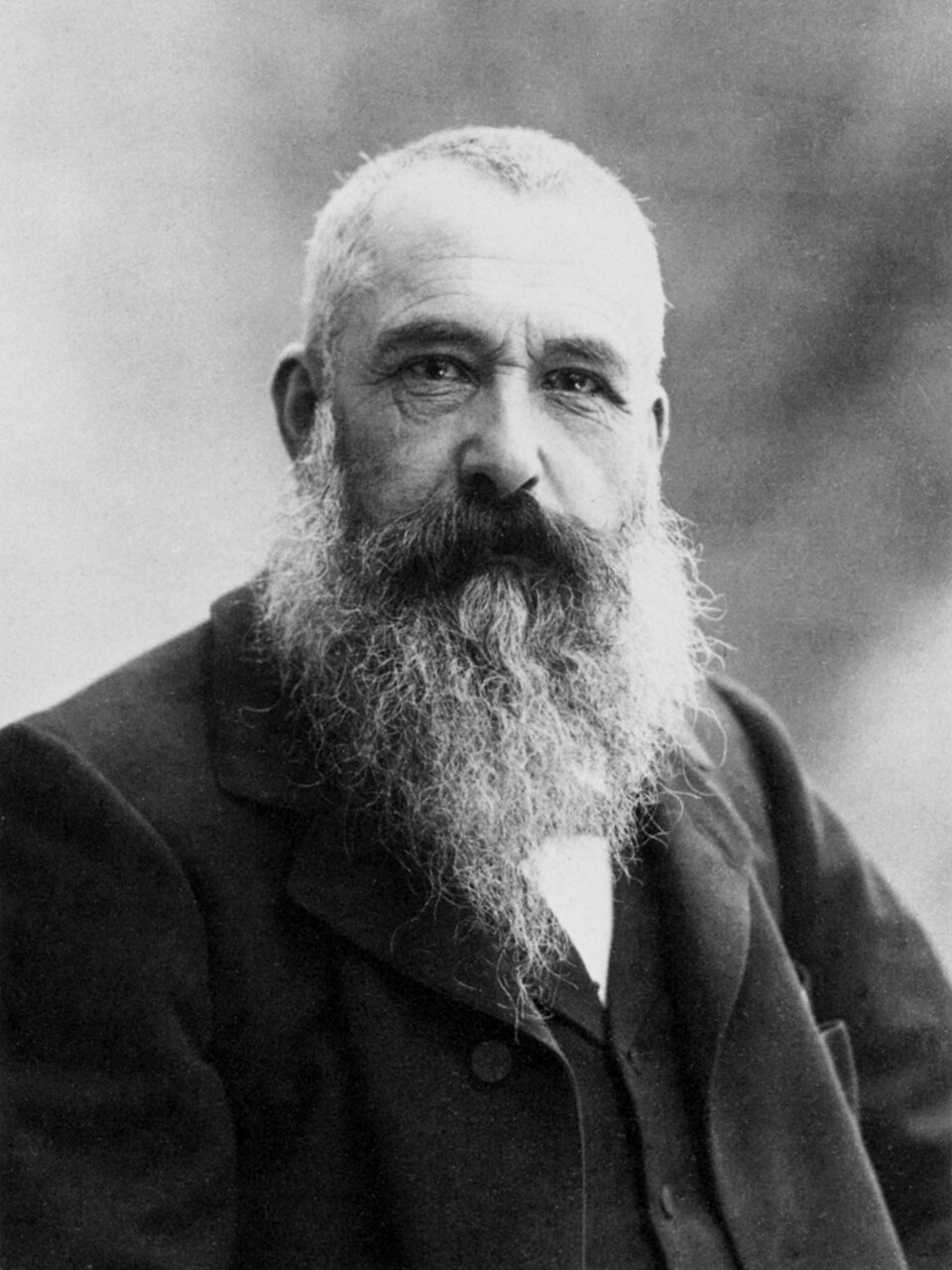
Rejected by the Salon in three years out of four, evicted for unpaid rent, and his paintings seized by creditors.
7 documented failures

Yayoi Kusama
Artist
Turned up uninvited at the Venice Biennale in 1966 and had her sale stopped by the organisers. Represented Japan there twenty-seven years later.
7 documented failures
Grandma Moses
Painter
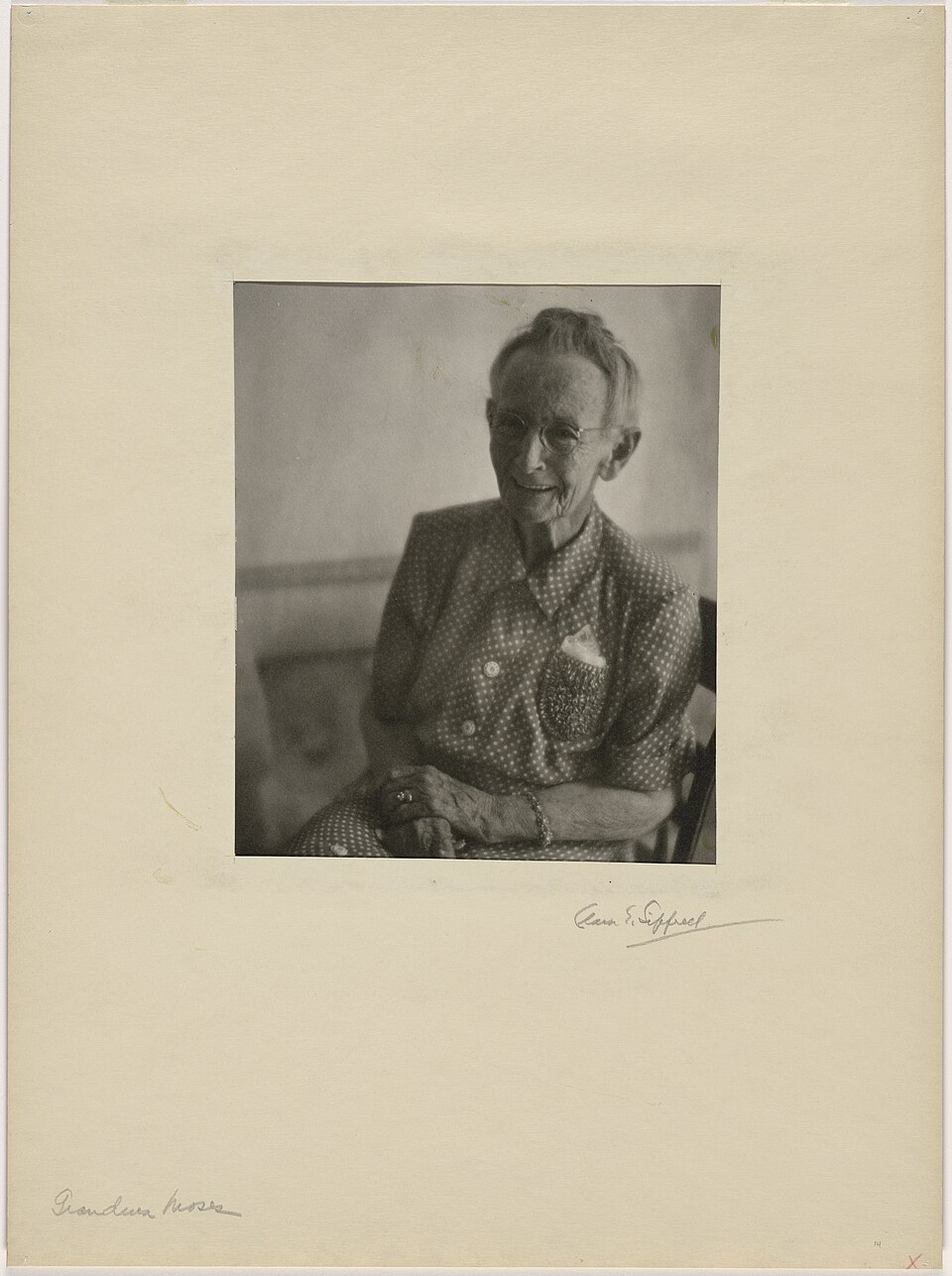
Her paintings sat unsold in a chemist's window for years. She was seventy-eight.
6 documented failures
Charles M. Schulz
Cartooning
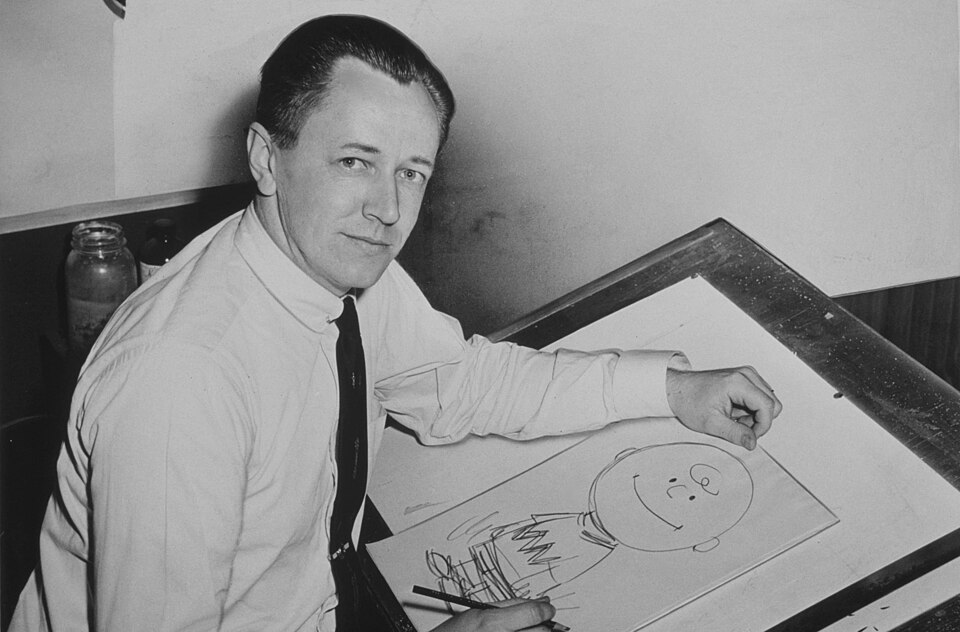
His own school yearbook would not print his drawings. He called it his first major rejection.
6 documented failures