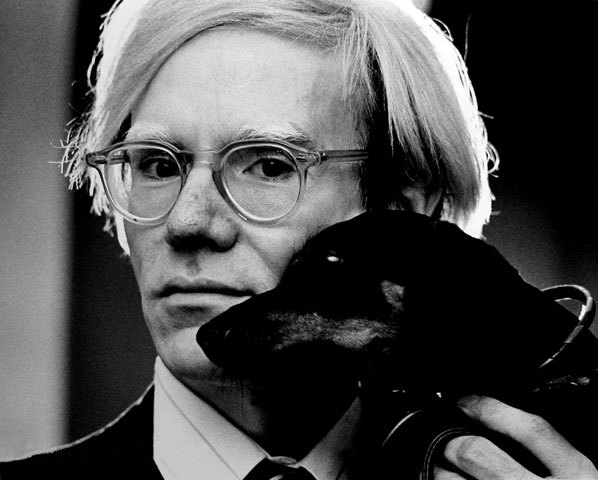
Andy Warhol
What failed
He left the Carnegie Institute of Technology in June 1949 and moved to New York to draw shoes and advertisements, and he was good at it: an Art Directors Club Medal in 1952, an Award for Distinctive Merit in 1956 for his I. Miller shoe advertising, regular work for the fashion magazines. The fine art world was a separate room he could not get into. His first solo show, at the Hugo Gallery in 1952, has left one line behind it - James Fitzsimmons's phrase about an air of carefully studied perversity - and little else. In 1956 MoMA declined the drawing Shoe, which he had offered as a gift, citing limited storage space and asking him to retrieve it. By 1961 he was painting comic strips and Ivan Karp's efforts could not secure him gallery representation. Castelli declined because the work was too close to Lichtenstein's. The Bodley Gallery, which he considered going back to, had a director who dismissed the new paintings as ridiculous. Karp went on to Sidney Janis, Richard Bellamy, Martha Jackson and Robert Elkon, and only Jackson was interested - then that December show was cancelled, while his soup cans were still hanging in Los Angeles.
What happened next
The soup cans opened at the Ferus Gallery in Los Angeles on 9 July 1962 to minimal sales, a cartoon in the Los Angeles Times, and a pyramid of real cans in the window of the gallery down the street, two for 33 cents. In November the Stable Gallery gave him his first solo New York Pop show, in exchange for a painting of a two-dollar bill. Castelli, who had turned him down three years earlier, hung the Flowers in November 1964. Being inside did not stop the refusals: Fair officials had his World's Fair mural painted over a few days after it went up in April 1964, Hilton Kramer called the 1979 Whitney portraits shallow and boring, and Vivien Raynor read the 1985 Basquiat collaboration as a manipulation. In May 2022 Shot Sage Blue Marilyn sold at Christie's in New York for $195 million, the highest price at auction for an American artwork.
The point
The famous rejection is the least interesting one. The MoMA letter is a form refusal of a donated drawing on storage grounds, with a postscript saying the drawing may be picked up from the Museum at his convenience - and in the same year MoMA hung one of his shoe drawings in its Recent Drawings U.S.A. group exhibition, his first museum showing. The catalogue for that show lists an ink drawing by Warhol called Shoe, the same title as the gift the committee turned down. The 1952 notice is thinner than it looks too: what circulates is a single phrase lifted out of a longer review. The refusals that actually cost him were the unphotogenic ones - a dealer calling the paintings ridiculous, a gallery cancelling a December show over bad repercussions, a rejection on the ground that another man was already doing comics. The wording of that Castelli refusal circulates in several forms; what the cited record supports is that the comic-strip paintings were too close to Lichtenstein's and that Castelli was worried about conflicts on his roster. He was working steadily the whole time - one of the most successful commercial illustrators in New York during every year he could not get a gallery. The record is of a man with a working career in one room being told no at the door of the next one, for about thirteen years, and then being told no again, in 1964, in 1979 and in 1985, after he was inside it.
The sequence
11 documented failures, shown with the successes in between. Every entry carries its own source — the wins are part of the record, and leaving them out is how these stories get distorted.
- 1949
Graduates from the Carnegie Institute of Technology in June and moves to New York with his classmate Philip Pearlstein, to work as a commercial illustrator.
- 1952
Wins an Art Directors Club Medal in May for an illustration promoting a CBS Radio programme.
- 1952
First solo exhibition, Fifteen Drawings Based on the Writings of Truman Capote, at the Hugo Gallery. The one line still quoted from it is James Fitzsimmons's phrase about an air of carefully studied perversity - a fragment of a review, quoted since as though it were the whole verdict.
- 1956
One of his shoe drawings is included in MoMA's group exhibition Recent Drawings U.S.A., his first museum showing.
- 1956
The catalogue for that exhibition lists the drawing as Shoe, 1955, ink - the same title as the gift MoMA's committee declines in the same year.
- 1956
MoMA's committee declines the drawing Shoe, which he had offered as a gift. Alfred H. Barr Jr. writes that the museum turns down many gifts because its gallery and storage space is severely limited.
- 1956
His shoe drawings are presented at the Bodley Gallery in New York in December and sell for $50 to $225 apiece.
- 1961
Five of his first Pop paintings appear in April as backdrop for a Bonwit Teller window display on Fifth Avenue.
- 1961
He is selling paintings directly to collectors, but the dealer Ivan Karp cannot secure him gallery representation.
- 1961
Karp introduces him to Leo Castelli, who declines him: the work is too close to Roy Lichtenstein's, and there is the question of conflicts on the roster.
- 1961
He considers going back to the Bodley Gallery, which had shown his shoe drawings. Its director dismisses the new paintings as ridiculous.
- 1961
Karp takes him to Sidney Janis, Richard Bellamy, Martha Jackson and Robert Elkon. Only Jackson expresses any interest.
- 1962
The Campbell's Soup Cans open at the Ferus Gallery in Los Angeles on 9 July. Sales are minimal, and the nearby Primus Stuart Gallery mocks the show by stacking real soup cans in its window at two for 33 cents.
- 1962
While the soup cans are still hanging in Los Angeles, the December show the Martha Jackson Gallery had been planning for him is cancelled.
- 1962
Eleanor Ward gives him his first solo New York Pop show at the Stable Gallery on 6 November, in exchange for a painting of a two-dollar bill.
- 1964
His mural 13 Most Wanted Men goes up on the New York State Pavilion at the World's Fair by 15 April and is painted over with silver paint, at Fair officials' direction, a few days later. When the fair opens, all that is visible is a large silver square.
- 1964
The accounts of the mural's removal disagree. Wikipedia's article on the work says the stated reason was Governor Nelson Rockefeller's concern that the images would insult part of his electorate, and that Warhol and Philip Johnson then told reporters Warhol himself had been dissatisfied with it - a face-saving line. The same article dates the installation to 13 April and says the mural was obliterated with aluminium paint; the Queens Museum says installed by 15 April and painted over with silver paint.
- 1964
Leo Castelli, who had declined him three years earlier, exhibits his first Flowers series in November.
- 1968
Valerie Solanas shoots him at the Factory on 3 June. He is declared clinically dead and revived by a surgeon massaging his heart.
- 1969
In March he undergoes a follow-up operation to remove a fragment of the bullet left inside him.
- 1969
During that operation his stomach muscles are improperly sutured, and he wears a surgical corset for the rest of his life.
- 1970
The Pasadena Art Museum organises a retrospective, which travels to Chicago, Eindhoven, Paris, London and the Whitney.
- 1979
Hilton Kramer reviews Andy Warhol: Portraits of the 70s at the Whitney in The New York Times and calls the work shallow and boring.
- 1985
His joint exhibition with Jean-Michel Basquiat at the Tony Shafrazi Gallery opens in September; Vivien Raynor, in The New York Times, reads it as one of Warhol's manipulations.
- 2022
Shot Sage Blue Marilyn sells at Christie's in New York in May for $195 million.
Sources
- Andy Warhol (Wikipedia)
In 1956, the Museum of Modern Art (MoMA) politely declined Warhol's gift of his drawing Shoe, citing limited storage space and asking him to retrieve it.
- MoMA owns up to Warhol rejection letter from 1956 (Los Angeles Times)
At the bottom of the correspondence is a postscript: ‘P.S. The drawing may be picked up from the Museum at your convenience.’
- Recent Drawings U.S.A., exhibition catalogue, 1956 (The Museum of Modern Art)
Warhol, Andy. Born Allegheny, Pa., 1929; lives in New York, N. Y. Shoe. 1955. Ink, 22 15/16 x 29″ (58.3 x 73.7 cm.).
- Biography (The Andy Warhol Museum)
Throughout the 1950s, he became one of the most successful illustrators of his time and won numerous awards for his work.
- Campbell's Soup Cans (Wikipedia)
The initial reaction to the exhibition was marked by skepticism and sales were minimal, but the show quickly propelled art and commerce to a trending topic status.
- Andy Warhol's 13 Most Wanted Men and the 1964 World's Fair (Queens Museum)
Forming a chessboard of front and profile views, 13 Most Wanted Men was installed by April 15, 1964, and painted over by Fair officials’ direction with silver paint a few days later.
- Thirteen Most Wanted Men (Wikipedia)
In an attempt to save face, Warhol and Johnson told reporters that Warhol himself had been dissatisfied with the work.
- Attempted assassination of Andy Warhol (Wikipedia)
Warhol was initially declared clinically dead, but Dr. Giuseppe Rossi was able to revive him by massaging his heart.
- Art: Whitney Shows Warhol Works (Hilton Kramer, The New York Times, 23 November 1979, via the Internet Archive)
It is probably idle to complain that the work itself is shallow and boring, and that it is the phenomenon of Mr. Warhol's media career, rather than its intrinsic quality, that endows the art with whatever interest it commands.
- ART: BASQUIAT, WARHOL (Vivien Raynor, The New York Times, 20 September 1985, via the Internet Archive)
But here and now, the collaboration looks like one of Warhol's manipulations, which increasingly seem based on the Mencken theory about nobody going broke underestimating the public's intelligence.
- A Warhol 'Marilyn' brings a record auction price, $195 million (NPR)
The price, which includes fees, is the highest for a 20th century artwork sold at auction and the highest for an American artwork, topping the $179.4 million mark in 2015 for Pablo Picasso's Les Femmes d'Alger (Version O) and $110.5 million in 2017 for a 1982 painting by Jean-Michel Basquiat.
- Andy Warhol Just Got a Bad Review From the U.S. Supreme Court. But He's Had Worse. (Cultured Magazine)
But what is clear is that Warhol remains one of the few artists who is as controversial in death as he was in life.
Use the ← and → keys to move between entries.
Related failures
Others in visual art, and nearby.
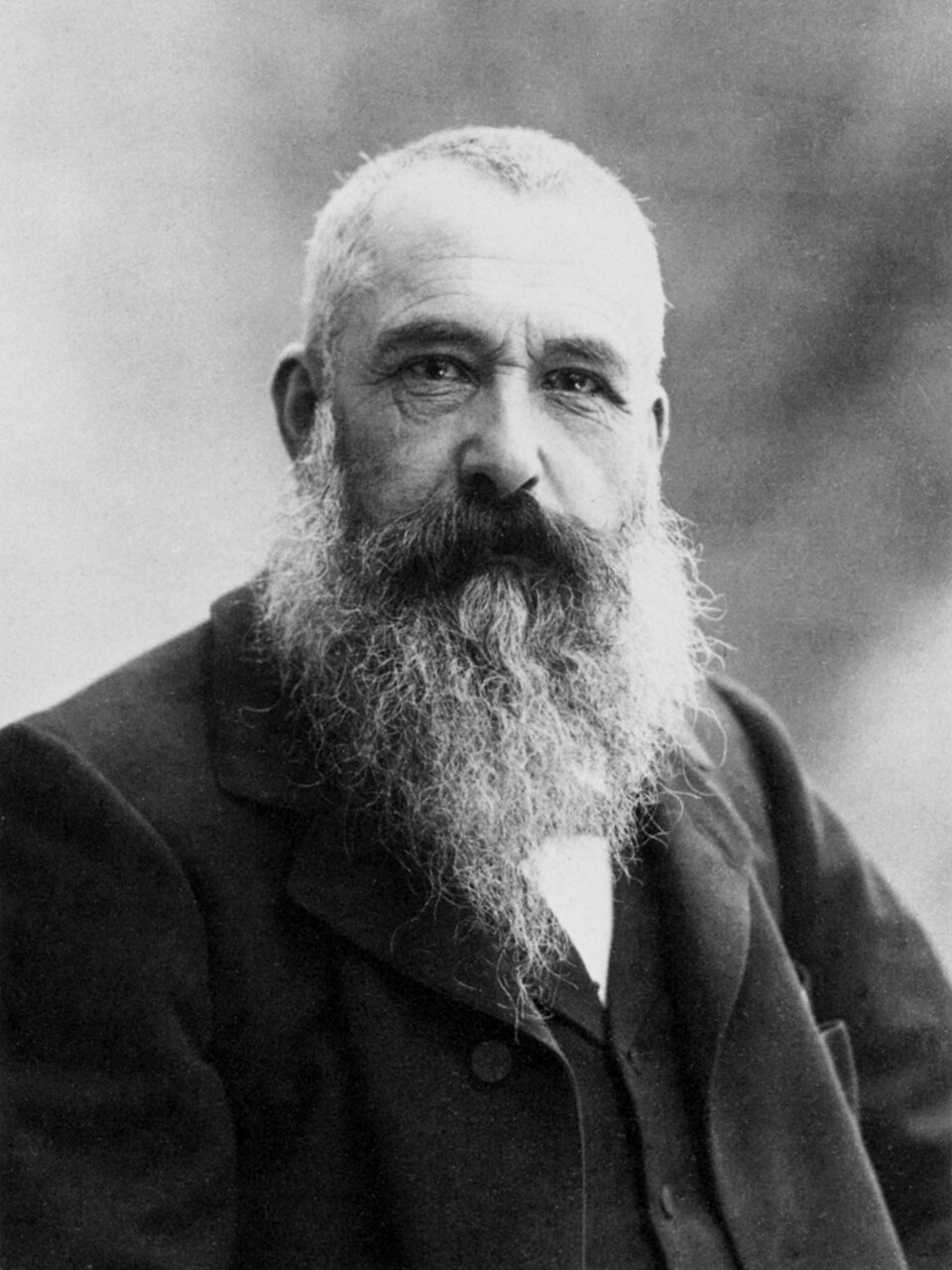
Claude Monet
Painter
Rejected by the Salon in three years out of four, evicted for unpaid rent, and his paintings seized by creditors.
7 documented failures

Yayoi Kusama
Artist
Turned up uninvited at the Venice Biennale in 1966 and had her sale stopped by the organisers. Represented Japan there twenty-seven years later.
7 documented failures
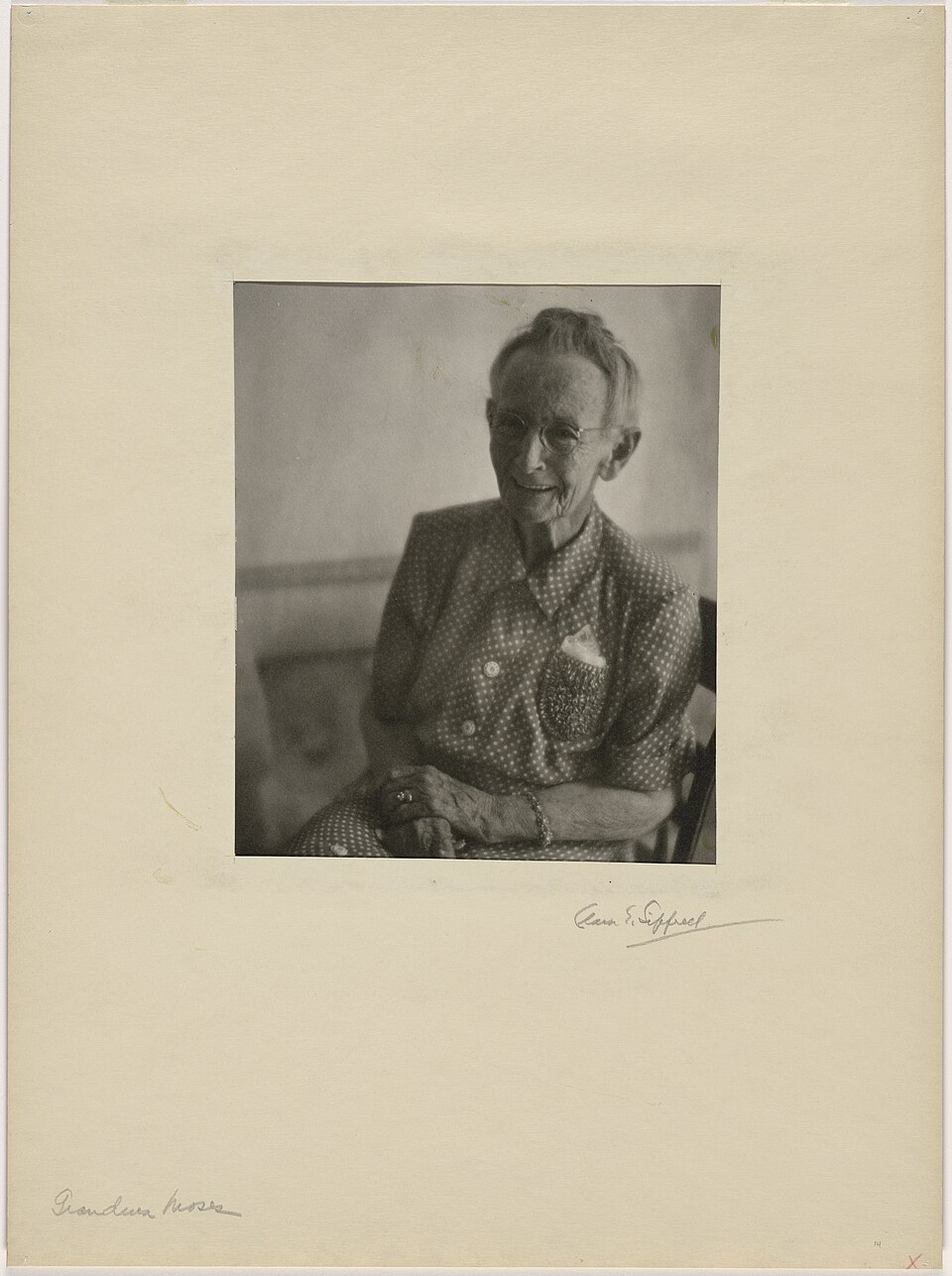
Grandma Moses
Painter
Her paintings sat unsold in a chemist's window for years. She was seventy-eight.
6 documented failures
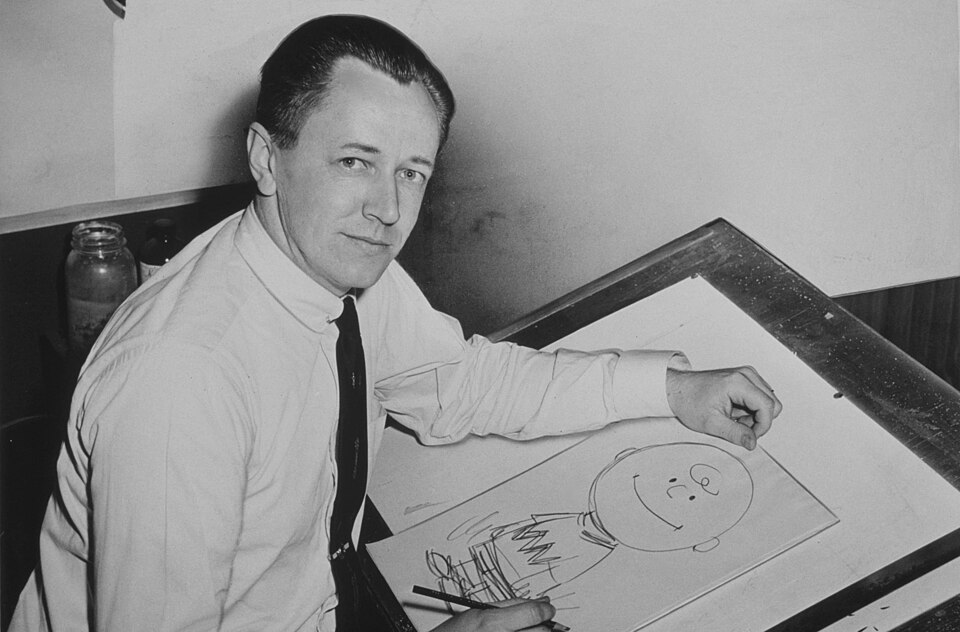
Charles M. Schulz
Cartooning
His own school yearbook would not print his drawings. He called it his first major rejection.
6 documented failures